Navigating the United States requires understanding its massive scale, unique tipping culture, and heavy reliance on domestic flights and rental cars. These USA travel tips will help you avoid common pitfalls, budget accurately, and plan a realistic itinerary across the 50 states.
Essential USA Travel Tips for International Visitors
The most common mistake international visitors make is underestimating the sheer size of the country. The United States spans nearly 10 million square kilometres across six time zones. Driving from New York City to Miami covers about 2,060 km, which takes 20 hours without stops. You cannot easily base yourself in Los Angeles and take a day trip to the Grand Canyon, as that is a 780 km drive each way.
Instead of trying to see the entire country in one trip, focus on a specific region. The East Coast offers dense public transport networks and historic cities, while the American West is defined by vast open spaces and car-dependent infrastructure. If you are planning your first trip, our comprehensive USA guide is the best starting point for understanding regional differences.
To make the most of your time, group states or cities that are geographically close. For instance, a classic East Coast route connects Boston, New York, Philadelphia, and Washington D.C. via the Amtrak Northeast Regional train. For route planning, check our USA Itinerary: 7, 10 and 14 Days. If you are combining this with a wider trip, read our broader North America guide.
Entry Requirements: ESTA vs. Visas
Before booking flights, you must sort out your entry authorisation. Citizens of the 41 countries in the Visa Waiver Program (including the UK, Australia, and most of the EU) do not need a traditional visa for tourism stays of up to 90 days. Instead, you must apply for an Electronic System for Travel Authorization.
The ESTA currently costs $21 USD and is valid for two years or until your passport expires. Apply at least 72 hours before your departure via the official Department of Homeland Security website or their mobile app. Avoid third-party sites that charge heavy markup fees. For a step-by-step walkthrough, read ESTA Explained: Who Needs It and How to Apply.
If you are not eligible for the Visa Waiver Program, or if you have visited certain restricted countries (like Cuba since 2021), you will need a B-2 tourist visa. This process requires an in-person embassy interview and can take months to secure. Find all the details in our guide to USA Visa and Entry Requirements.
Money, Tipping, and Hidden Costs
The US dollar (USD) is the only accepted currency. While contactless payments (Apple Pay, Google Wallet) and credit cards are accepted almost everywhere—from New York subway turnstiles to rural Wyoming petrol stations—you should carry around $50 to $100 in small bills for tips and cash-only establishments.
Tipping in the US is not optional; it is how service workers make their living. The standard rate for restaurant service has crept up, and leaving 20% is now the baseline for good service. You will also encounter digital tipping screens at coffee shops and bakeries, where 10% to 15% is common, though you can decline for simple counter service.
| Service Type | Standard Tip Amount |
|---|---|
| Sit-down Restaurants | 18% to 22% of the pre-tax bill |
| Bartenders | $1 to $2 per drink, or 20% of the tab |
| Hotel Housekeeping | $3 to $5 per day (leave daily) |
| Taxi and Rideshare (Uber/Lyft) | 15% to 20% of the fare |
| Valet Parking | $2 to $5 when retrieving the car |
Another shock for international travellers is the sales tax. The price you see on a shelf or a menu is almost never the final price. State and local taxes are added at the register and vary wildly. In Delaware or Oregon, sales tax is 0%, but in parts of California or Tennessee, it can exceed 9.5%. To budget properly, review our breakdown: USA Travel Cost: How Much Does a Trip Cost?.
Health, Insurance, and Safety
The US healthcare system is entirely privatised and notoriously expensive. A simple emergency room visit for a sprained ankle can cost upwards of $2,000 USD, while an ambulance ride can exceed $1,500 USD. Comprehensive travel insurance with high medical coverage (at least $2 million) is absolutely mandatory. Never travel to the US without it.
Pharmacies like CVS and Walgreens are ubiquitous and operate as mini-supermarkets. You can buy over-the-counter medication like ibuprofen (Advil) or paracetamol (Tylenol) directly off the shelf, but anything stronger requires a US doctor’s prescription. Bring enough of your regular prescription medication to last your entire trip, in its original packaging.
Violent crime rates make international headlines, but tourist areas in major cities are generally heavily policed and secure. The main risks are property crimes like rental car break-ins, particularly in cities like San Francisco. Never leave luggage or valuables visible in a parked car. For a realistic look at neighbourhood safety and emergency contacts (dial 911), read Is USA Safe to Visit? Safety Tips for Travellers.
Getting Around: Transport Tips
Outside of the Northeast Corridor (Boston to Washington D.C.) and major hubs like Chicago, public transport is severely lacking. In cities like Los Angeles, Houston, or Atlanta, renting a car is often the only practical way to get around. Ride-sharing apps like Uber and Lyft are available in almost every mid-sized town, but relying on them for long distances quickly becomes expensive.
If you rent a car, remember that Americans drive on the right. A quirk of US driving laws is that you can generally turn right on a red light after coming to a complete stop, unless a sign explicitly forbids it. The major exception is New York City, where turning right on red is illegal everywhere. If you want to experience classic Americana, check out our Route 66 Road Trip guide or our California Road Trip: Pacific Coast Highway itinerary.
For domestic travel between states, flying is the standard method. Budget airlines like Spirit and Frontier offer cheap base fares but charge heavily for carry-on bags. Southwest Airlines remains a favourite as they include two checked bags in their standard fare. Domestic flights operate out of massive, busy terminals; always arrive at least two hours early, as TSA security lines can be unpredictable.
Weather and Packing Strategies
The US encompasses every climate zone on earth. In January, you might experience -10°C (14°F) snowstorms in Chicago, while Miami sits at a comfortable 24°C (75°F). Summer brings intense humidity to the South and East Coast, with temperatures regularly exceeding 35°C (95°F), while San Francisco often requires a light jacket in July due to the marine layer.
Pack layers and always check the specific regional forecast rather than a national average. Americans heavily rely on air conditioning; even if it is sweltering outside in Texas or Florida, indoor restaurants and museums are often kept at a freezing 18°C (64°F). Always carry a jumper or light jacket. For regional climate breakdowns, see our guide on the Best Time to Visit USA: Weather and Seasons by Region.
Do not forget that the US uses Type A and Type B electrical plugs, operating on a 120V system. If you are travelling from the UK, Australia, or Europe, you will need a plug adapter. Check your electronics; most modern phone and laptop chargers are dual-voltage (100-240V), but high-wattage items like hair straighteners may not work properly or could be damaged.
National Parks and Outdoors
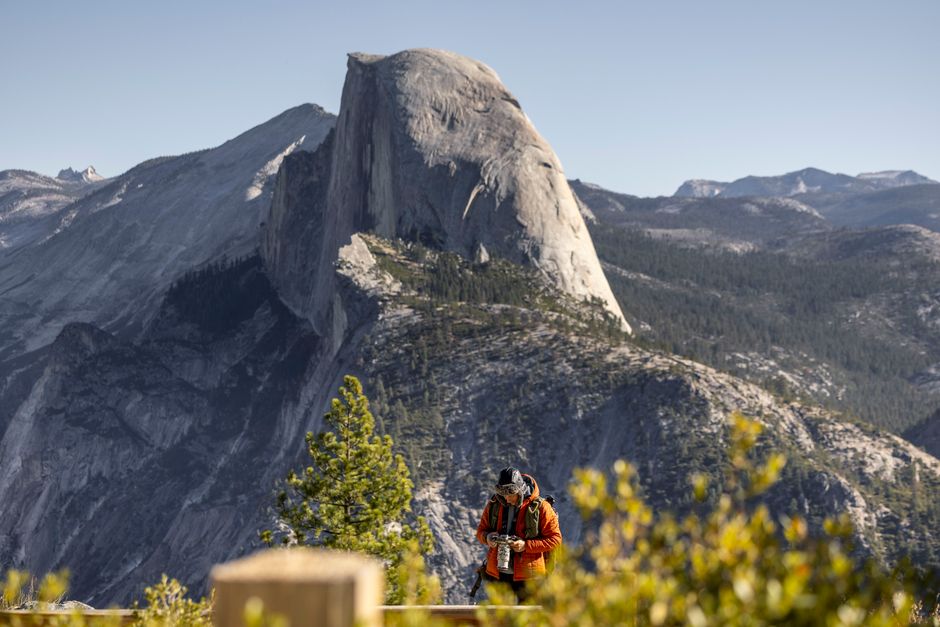
The US National Park system is arguably the country’s greatest asset. From the geothermal geysers of Yellowstone to the sheer granite cliffs of Yosemite, these protected areas are vast and require preparation. Many popular parks now require advance timed-entry reservations during the peak summer months (May through September) to manage overcrowding.
If you plan to visit three or more national parks, buy the ‘America the Beautiful’ annual pass. It costs $80 USD and covers entry for one vehicle and all its passengers for a full year, quickly paying for itself since individual park entries usually cost $30 to $35 USD. Discover top routes and park logistics in our guide to the Best National Parks in the USA.
Cellular service inside national parks is notoriously poor. Download offline maps via Google Maps or the official NPS app before you leave your hotel. Always carry more water than you think you need, especially in desert parks like Joshua Tree or Death Valley, where summer temperatures frequently exceed 40°C (104°F) and dehydration is a serious risk.
Etiquette and Cultural Nuances
Americans are generally very outgoing, loud, and friendly compared to many European or Asian cultures. It is entirely normal for a cashier, waiter, or stranger in a lift to ask “How are you?” or make small talk. This is usually just a polite greeting rather than a genuine inquiry into your wellbeing; a simple “Good, thanks, how are you?” is the expected response.
Queueing (standing in line) is taken very seriously, whether at a coffee shop or waiting for a bus. Cutting in line is considered highly rude and will be called out. Additionally, personal space is valued. When conversing, Americans typically stand about an arm’s length apart.
When dining out, service is fast-paced. Waiters will often bring the bill before you have asked for it. This is not them being rude or trying to rush you out the door; it is considered efficient service in the US. You are free to pay and leave when you are ready.
Common Mistakes First-Timers Make
A frequent error is forgetting to account for jet lag. If you are flying from Europe or Australia, the time difference is brutal. Do not book a non-refundable Alcatraz tour or an expensive Broadway show for your first evening. Give yourself at least 48 hours to adjust before tackling demanding activities.
Another mistake is assuming drinking laws are flexible. The legal drinking age in the US is 21, and it is strictly enforced. Even if you are visibly in your 40s, bartenders and supermarket cashiers will frequently ask to see your physical passport (foreign driving licences are often rejected). Furthermore, drinking alcohol in public spaces like parks or beaches is illegal in most states, known as open container laws.
Finally, avoid the trap of eating only at familiar fast-food chains. While grabbing an In-N-Out burger in California or a Shake Shack in New York is a rite of passage, the US has an incredible regional food scene. Try Texas brisket, Louisiana gumbo, New England clam chowder, or Chicago deep-dish pizza. Local diners and independent food trucks often provide the best value and most authentic experience.
Plan Your Trip
To ensure a smooth arrival, download the Mobile Passport Control (MPC) app if you are an eligible returning ESTA holder or a Canadian citizen; it can drastically cut down your time in the immigration queue. Purchase an eSIM before you fly (providers like Airalo or Holafly work well on US networks like AT&T and T-Mobile) so you have data the moment you land.
Finally, remember that the US is essentially 50 different countries operating under one flag. The laws, culture, accents, and food change dramatically as you cross state lines. Keep an open mind, tip your servers, and embrace the road trip culture. Start locking in your accommodation early, as domestic tourism is massive and hotels in prime locations book out months in advance.