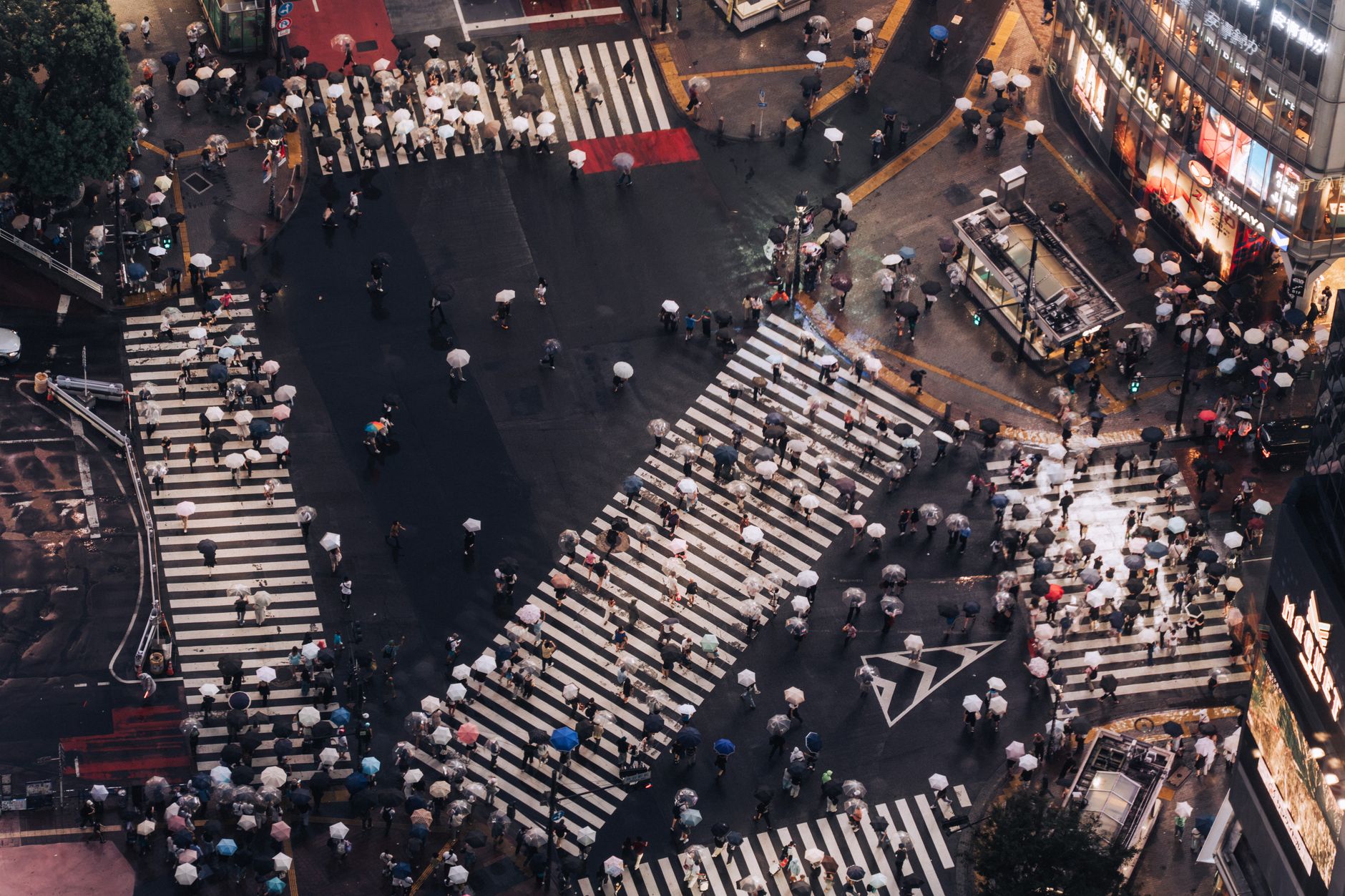
Shibuya Crossing is Tokyo’s busiest intersection, famous for the mesmerising scramble of thousands of pedestrians at every light change. Directly above it sits Shibuya Sky, a 229-metre open-air observation deck offering unobstructed 360-degree views of the city skyline. Whether you want to photograph the scramble from street level or look down from the clouds, pairing shibuya crossing shibuya sky views gives you the ultimate perspective on Tokyo’s busiest district. Getting the most out of this area requires a bit of planning, especially when it comes to navigating the crowds and securing highly competitive observatory tickets.
What to Expect at Shibuya Crossing
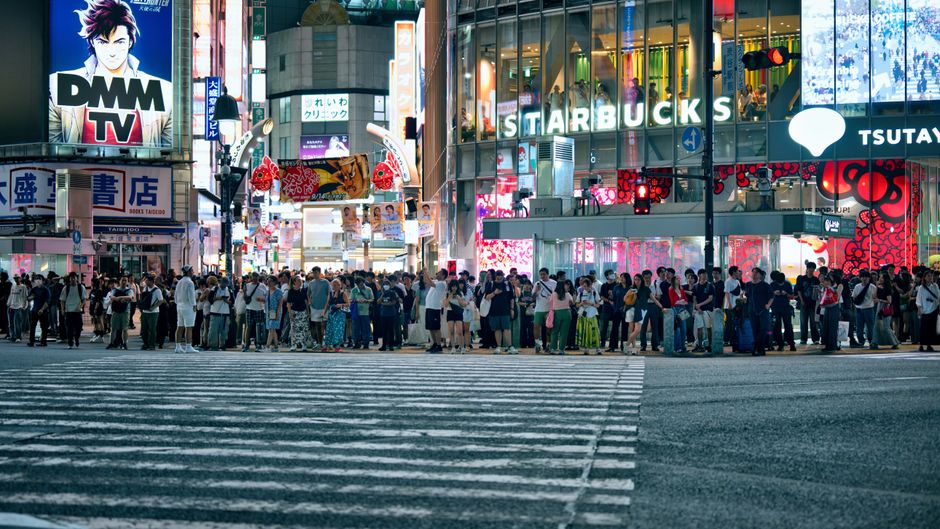
Shibuya Crossing sits right outside the Hachiko Exit of Shibuya Station. When the traffic lights turn red at this multi-directional intersection, vehicles stop from all directions and up to 3,000 people surge into the street simultaneously. It is a brilliant, organised chaos that defines the energy of a modern Tokyo guide itinerary.
Despite the sheer volume of people walking in every direction, locals navigate the scramble with effortless precision. It is a rite of passage to walk across it yourself. Try starting from the Hachiko statue—the famous bronze monument dedicated to Japan’s most loyal dog—and cross towards the giant Tsutaya building. The neon billboards, giant video screens and relentless hum of the city make this a sensory overload in the best possible way.
To fully appreciate the scale of the crossing, you should experience it from multiple angles. First, dive right into the middle of it. Wait at the corner outside the JR station, and when the pedestrian light turns green, walk diagonally towards the Shibuya 109 building. Stop for a quick photo in the centre, but keep moving—the lights change quickly and the crowds are unforgiving. Once you have survived the street-level rush, retreat to a higher vantage point to watch the mechanics of the intersection from above.
What to Expect at Shibuya Sky
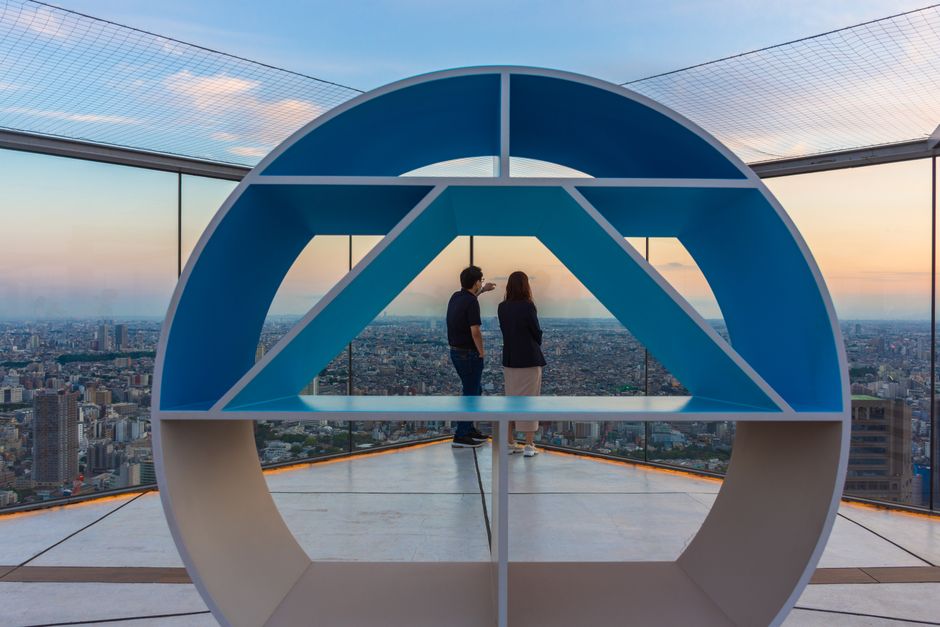
Just steps away from the crossing, Shibuya Sky occupies the top three floors (47th to 49th) of the Shibuya Scramble Square tower. Unlike other observatories in the city, its rooftop Sky Stage is completely open-air. There is no glass blocking your camera lens, allowing you to feel the wind while looking out over the Japan guide capital.
The journey to the top begins on the 14th floor, where you pass through security and board the Transition Pod elevators. This high-speed lift features dynamic ceiling graphics and spatial audio, designed to build anticipation as you shoot up to the 45th floor in under a minute. From there, an escalator takes you to the 46th floor to stow your gear before stepping out onto the roof.
The rooftop is designed for lingering. You can lie back on the Cloud Hammocks to watch the sky, or queue up for a photo at the Sky Edge, a glass corner that makes it look as though you are floating above the city. On a clear day, the panoramic views stretch all the way to Mount Fuji, the Tokyo Tower and the skyscrapers of Shinjuku. Below the roof, the 46th floor houses the Sky Gallery, an indoor observation corridor with digital art installations and a cafe.
Shibuya Sky Tickets, Costs and the 14-Day Rule
Getting into Shibuya Sky requires precision timing. Tickets are sold in 20-minute entry windows, and the popular late-afternoon slots sell out within minutes of release.
As of late 2026, booking rules are strict. You must book online exactly 14 days in advance at midnight Japan Standard Time. Furthermore, you must now present your physical passport upon entry to verify your identity against your ticket. QR codes alone are no longer sufficient for international visitors.
| Ticket Type (Adults 12+) | Price (JPY) | Price (USD) |
|---|---|---|
| Online (Entry before 15:00) | ¥2,700 | ~$17 |
| Online (Entry 15:00 onwards) | ¥3,400 | ~$22 |
| Counter (If available) | ¥3,000 – ¥3,700 | ~$19 – $24 |
Children’s tickets (under 12) are only sold at the 14th-floor counter on the day of your visit. If you are travelling with young children, buy the adult tickets online to secure your time slot, then add the child tickets when you arrive. Kids under six enter for free. If you miss the online release, third-party tour operators sometimes hold allocations, but you will pay a premium for a guided package.
Opening Hours and the Best Time to Visit
Shibuya Sky is open daily from 10:00 to 22:30, with the last admission at 21:20. Once you are inside, there is no strict time limit, though most visitors spend 60 to 90 minutes at the top.
The ultimate time to visit is about an hour before sunset. This allows you to see the sprawling metropolis in daylight, watch the sun dip behind the mountains, and stay for the neon city lights to switch on. Because sunset times vary drastically throughout the year—from 16:30 in winter to 19:00 in summer—check a Best Time to Visit Tokyo: Month-by-Month Guide to pinpoint the exact timing for your trip.
If sunset slots are sold out, a morning visit is your best backup. The air is often clearer before noon, giving you the highest chance of spotting Mount Fuji on the horizon. Nighttime visits are also spectacular, as the scramble crossing below lights up like a glowing river of pedestrians.
Best Viewpoints for Shibuya Crossing
While looking down from Shibuya Sky is spectacular, you will also want a closer vantage point to watch the scramble. Here are the most reliable spots:
- Starbucks Tsutaya (2nd Floor): The most famous viewing window. Grab a drink on the first floor and follow the green ribbon path upstairs. It gets incredibly busy, so you may have to wait for a front-row seat.
- SHARE LOUNGE (Tsutaya 3rd Floor): Directly above the Starbucks, this lounge charges around $11 (1,650 JPY) per hour but includes unlimited snacks and drinks. It is far less crowded and offers a more relaxed photography spot.
- Shibuya Mark City Walkway: A completely free, glass-enclosed pedestrian bridge connecting Shibuya Station to the Mark City complex. It offers a fantastic, slightly elevated view of the crowds without the need to buy a coffee.
- Magnet by Shibuya 109: The MAG’s PARK rooftop observation deck offers a direct downward view of the crossing for a small entry fee. It is less famous than the Tsutaya building, making it a great alternative if the cafes are full.
Mistakes to Avoid and Insider Tips
The rooftop at Shibuya Sky has incredibly strict safety rules to prevent items from falling 229 metres onto the streets below. You cannot take bags, hats, headphones, tripods, selfie sticks or even water bottles onto the open-air deck. You are only allowed a mobile phone and a camera, provided it has a neck strap. Free lockers are provided on the 46th floor to store your belongings before you step outside.
Weather is another major factor. The open-air Sky Stage closes during heavy rain, thunderstorms or high winds. If this happens, you are restricted to the indoor Sky Gallery on the 46th floor, and tickets are non-refundable. If you visit during the summer typhoon season, be prepared for this risk.
When navigating to the observatory, do not underestimate the size of Shibuya Station. It is a massive, multi-level labyrinth. Allow an extra 15 minutes just to find your way to the Shibuya Scramble Square elevators on the ground floor, as missing your 20-minute entry window can result in being turned away.
How to Fit Shibuya into Your Itinerary
Shibuya is a major transport hub on the JR Yamanote Line, making it incredibly easy to reach from anywhere in the city. It is a cornerstone of any Tokyo Itinerary: How to Spend 1, 2 or 3 Days.
Because Shibuya is so central, it pairs perfectly with other major neighbourhoods. You could spend your morning exploring the Tsukiji Outer Market Guide for fresh seafood, then head to Shibuya for the afternoon. Alternatively, if you are looking for the Best Things to Do in Tokyo, combine Shibuya with the nearby Harajuku and Shinjuku districts. You can easily walk from Harajuku down Cat Street and end up at the crossing just in time for an evening observatory slot.
Shibuya is also an excellent base if you are deciding Where to Stay in Tokyo: Best Areas and Hotels, as it offers direct train connections for the Best Day Trips from Tokyo, including the popular Mount Fuji Day Trip from Tokyo.
After your observatory visit, dive into the local dining scene. The streets behind the crossing are packed with ramen joints, izakayas and sushi bars, perfect for ticking off your What to Eat in Tokyo: Local Food Guide. If you want to contrast the high-altitude views of Shibuya Sky with immersive digital art, catch a train across the city to experience teamLab Tokyo: Planets vs Borderless.
Shibuya is not just about the intersection and the observatory; it is a sprawling district of fashion, food and nightlife. Behind the massive department stores, you will find Dogenzaka and Center Gai, narrow pedestrian streets packed with tiny eateries, record shops and neon arcades. This area stays awake long after the observatory closes, making it the perfect place for late-night yakitori or karaoke. If you need a break from the sensory overload, Miyashita Park offers a sleek, elevated green space just a few blocks away, complete with a skateboard park and a laid-back cafe scene.
Plan Your Trip
To make the most of your visit, set an alarm for exactly 14 days before your desired date to secure your Shibuya Sky tickets. Aim for a 15:00 or 16:00 entry to catch the golden hour. When you arrive at Shibuya Station, follow the signs for the Hachiko Exit to walk the scramble yourself. Grab a coffee at the Tsutaya building for street-level photos, and then head up to the 14th floor of Shibuya Scramble Square for the main event.