The best day trips from Tokyo offer a break from the neon streets, swapping skyscrapers for ancient shrines, hot springs, and mountain views. Whether you want to see the Great Buddha in Kamakura or the volcanic valleys of Hakone, the city’s rail network makes escaping the centre straightforward.
Before you leave the city, make sure you have read our comprehensive Tokyo guide and broader Japan guide to get your bearings. If you are still planning your dates, check the Best Time to Visit Tokyo: Month-by-Month Guide to align your excursions with autumn foliage or spring cherry blossoms.
Top Day Trips from Tokyo at a Glance
| Destination | Distance | Travel Time (One Way) | Best For |
|---|---|---|---|
| Kamakura | 50 km | 1 hour | Temples, shrines, and coastal scenery |
| Hakone | 90 km | 1.5 hours | Hot springs and Mount Fuji views |
| Nikko | 150 km | 2 hours | UNESCO World Heritage shrines and waterfalls |
| Kawaguchiko | 110 km | 2 hours | Iconic Mount Fuji photography |
| Yokohama | 30 km | 30 mins | Chinatown and modern waterfront attractions |
| Kawagoe | 45 km | 45 mins | Traditional Edo-period architecture |
6 Best Day Trips from Tokyo
1. Kamakura and Enoshima
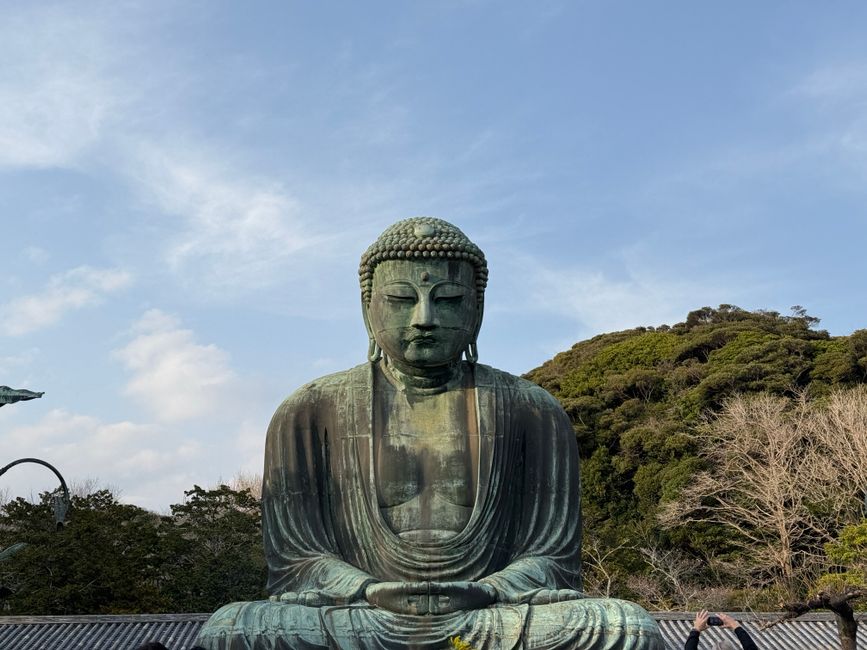
Located 50 km south of the capital, Kamakura is often called the Kyoto of Eastern Japan. It served as the political centre of Japan in the 12th century and retains dozens of Buddhist Zen temples and Shinto shrines. The main draw is the Great Buddha (Daibutsu) at Kotoku-in, a 13-metre bronze statue that has survived typhoons and tsunamis in the open air since 1495. Entry costs around $2 to $3. Nearby, Hasedera Temple offers stunning coastal views, a massive wooden Kannon statue, and lush gardens that bloom with hydrangeas in June.
Start your morning by walking from Kamakura Station up Komachi-dori, a busy shopping street lined with street food stalls. Try the local specialty, shirasu (whitebait), served over rice. The street leads to Tsurugaoka Hachimangu, the city’s most important shrine. After exploring the temples, ride the vintage Enoden tram line along the Shonan Coast to Enoshima. This small offshore island features a shrine complex, coastal caves, and a lighthouse observation tower.
How to get there: Take the JR Yokosuka Line from Tokyo Station or the JR Shonan-Shinjuku Line from Shinjuku Station. The journey takes about 60 minutes and costs roughly $6 to $8 each way.
Tour vs DIY: This is an easy DIY trip. The rail connections are direct, and the Enoden line makes navigating between Kamakura and Enoshima simple. You will want to balance these excursions with the best things to do in Tokyo, and Kamakura is flexible enough to fill a half or full day.
2. Hakone
Hakone sits 90 km southwest of the city within the Fuji-Hakone-Izu National Park. It is famous for its hot springs (onsen), outdoor art museums, and views of Mount Fuji across Lake Ashi. The classic Hakone route is a circular loop using five different modes of transport: a train, a funicular cable car, a ropeway, a pirate ship across the lake, and a bus. Before starting the loop, art lovers should stop at the Hakone Open-Air Museum, which features large-scale sculptures set against the mountains and a dedicated Picasso pavilion.
The highlight for many is Owakudani, a volcanic valley with active sulphur vents. Here, you can buy kuro-tamago, eggs boiled in the hot springs until their shells turn black. Eating one is said to add seven years to your life. Down at Lake Ashi, on a clear day, Mount Fuji reflects on the water behind the red torii gate of Hakone Shrine.
How to get there: The fastest route is the Odakyu Romancecar from Shinjuku Station to Hakone-Yumoto Station, taking 85 minutes and costing around $16. Alternatively, take the JR Tokaido Shinkansen to Odawara and transfer to the local Hakone Tozan line.
Tour vs DIY: DIY is highly recommended if you buy the Hakone Free Pass (around $40 to $45 for two days). It covers the round trip from Shinjuku and all transport on the Hakone loop. However, navigating the loop takes a full day, so base yourself near a major transport hub. Read Where to Stay in Tokyo: Best Areas and Hotels for specific recommendations on staying near Shinjuku.
3. Nikko
Situated 150 km north in Tochigi Prefecture, Nikko is a UNESCO World Heritage site known for Toshogu Shrine, the lavishly decorated mausoleum of Tokugawa Ieyasu. Unlike the minimalist shrines found elsewhere in Japan, Toshogu features intricate wood carvings, vibrant colours, and gold leaf. The complex includes the famous carving of the three wise monkeys. At the entrance to the shrine area, you will cross the sacred red Shinkyo Bridge, one of the most photographed spots in the region.
Beyond the shrines, Nikko National Park offers dramatic natural scenery. A winding drive up the Irohazaka road brings you to Lake Chuzenji and Kegon Falls, a 97-metre waterfall that is spectacular during the autumn leaves season in late October and early November. Temperatures here are often 5°C (9°F) cooler than the city, so bring layers. For lunch, look out for yuba (tofu skin), a local delicacy served in everything from noodle soups to croquettes.
How to get there: Take the Tobu Limited Express from Asakusa Station to Tobu-Nikko Station. The journey takes about two hours and costs around $20 to $25. You can also use the JR Tohoku Shinkansen to Utsunomiya, then transfer to the JR Nikko Line.
Tour vs DIY: If you only want to see the shrines, DIY is easy using the Tobu Nikko Pass. If you want to include Lake Chuzenji and Kegon Falls in a single day, booking a guided bus tour saves you from navigating the infrequent local bus schedules and heavy autumn traffic.
4. Mount Fuji and Kawaguchiko
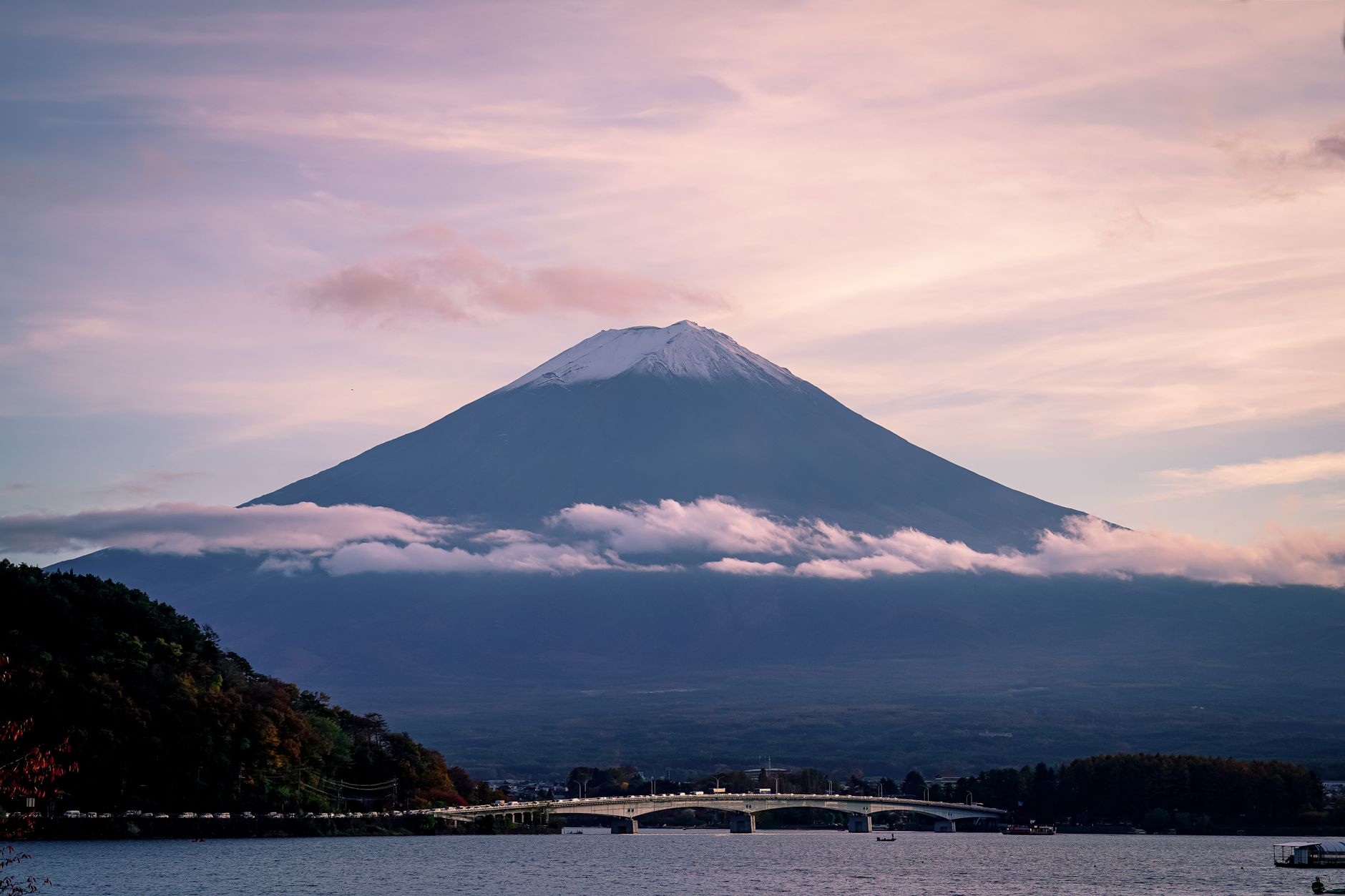
For the most iconic views of Japan’s highest peak, head 110 km west to the Fuji Five Lakes region, specifically Kawaguchiko. The area offers postcard-perfect vantage points, including the Chureito Pagoda, a five-storey shrine that frames Mount Fuji perfectly, especially during the spring cherry blossom season. If you prefer panoramic views without the climb, ride the Mt. Fuji Panoramic Ropeway up Mount Tenjo for sweeping vistas of the lake and the mountain.
Rent a bicycle to ride around the eastern edge of Lake Kawaguchi, stopping at Oishi Park for seasonal flower displays, including lavender in summer and red kochia bushes in autumn. For lunch, try Hoto noodles, a hearty local dish of flat udon noodles simmered in miso soup with pumpkin and root vegetables. Thrill-seekers might also want to allocate time for Fuji-Q Highland, an amusement park known for its record-breaking roller coasters. For a deep dive into seeing the mountain, read our dedicated Mount Fuji Day Trip from Tokyo post.
How to get there: The Fuji Excursion limited express train runs directly from Shinjuku to Kawaguchiko in just under two hours (around $28). Highway buses from the Shinjuku Expressway Bus Terminal take a similar amount of time and cost less (around $14), but are subject to weekend traffic.
Tour vs DIY: A DIY trip gives you flexibility to chase the clear weather, as Mount Fuji is notoriously shy and often hides behind clouds. Book your transport a few days in advance, as both the direct trains and buses sell out quickly.
5. Yokohama
Just 30 km south of the capital, Yokohama is Japan’s second-largest city. It has a distinct maritime atmosphere and a more relaxed pace. The Minatomirai waterfront district features wide promenades, the landmark Cosmo Clock 21 Ferris wheel, and the Red Brick Warehouse, which hosts seasonal markets and events. For a quieter escape, take a short bus ride to Sankeien Garden, a spacious traditional Japanese garden featuring historic tea houses and residential buildings relocated from across the country.
Yokohama is also home to Japan’s largest Chinatown. The narrow streets are packed with hundreds of restaurants and food stalls selling steamed pork buns, xiaolongbao (soup dumplings), and Peking duck. Nearby, the Cup Noodles Museum allows you to design your own instant ramen cup, a quirky and popular interactive exhibit.
How to get there: Take the Tokyu Toyoko Line from Shibuya Station, which connects directly to the Minatomirai Line (about 30 minutes, $3 to $4). JR lines from Tokyo Station or Shinagawa also reach Yokohama Station quickly.
Tour vs DIY: 100% DIY. Yokohama functions almost like an extension of the capital’s transit system. After a quiet day exploring the waterfront, the contrast of returning to Shibuya Crossing and Shibuya Sky is even more striking.
6. Kawagoe
Located 45 km northwest in Saitama Prefecture, Kawagoe is nicknamed Little Edo for its preserved warehouse district. During the Edo period (1603–1867), Kawagoe was a prosperous trade town supplying the capital. Today, Kurazukuri Street is lined with clay-walled warehouse buildings that survived the fires and earthquakes that destroyed similar structures elsewhere. History enthusiasts should also visit Kita-in Temple, which contains the only surviving structures from the original Edo Castle, moved here in the 17th century.
Look out for the Toki no Kane (Time Bell Tower), which has been ringing the time for centuries. A short walk away is Kashiya Yokocho (Penny Candy Alley), a small street filled with traditional sweet shops selling sweet potato treats, rice crackers, and hard candies. It is a nostalgic glimpse into Japan’s past.
How to get there: The Tobu Tojo Line from Ikebukuro Station takes about 30 minutes on the express train and costs around $3. The Seibu Shinjuku Line from Seibu Shinjuku Station takes 45 minutes.
Tour vs DIY: DIY. The town is compact and easily explored on foot or by renting a bicycle from the station. Grab an early breakfast using our Tsukiji Outer Market Guide before catching your morning train to Kawagoe.
Extending Your Day Trips from Tokyo
While these destinations are easily accessible for a single day, several warrant an overnight stay if your schedule allows. Need help structuring your time? See our Tokyo Itinerary: How to Spend 1, 2 or 3 Days to figure out how many days you can spare outside the city.
Hakone: Staying overnight in a traditional ryokan (inn) in Hakone is a classic Japanese experience. You will sleep on tatami mats, eat a multi-course kaiseki dinner, and have access to private hot spring baths. It slows down the frantic pace of the Hakone loop.
Nikko: If you want to hike around Lake Chuzenji or visit the Senjogahara Marshland, an overnight stay in the Okunikko area is essential. The buses back to the train station stop running relatively early, making a day trip rushed if you venture past the main shrines.
Kawaguchiko: Watching the sunrise hit Mount Fuji is spectacular. By staying overnight in a hotel along the northern shore of Lake Kawaguchi, you increase your chances of seeing the mountain before the afternoon clouds roll in.
Plan Your Trip
Navigating the rail network is the biggest hurdle for most visitors. Pick up a digital Suica or Pasmo card on your smartphone before you arrive; these prepaid IC cards work on almost all local trains and buses for these day trips. While you can find great meals on these excursions, don’t miss our What to Eat in Tokyo: Local Food Guide for your evenings back in the city.
Following the significant price increase of the nationwide Japan Rail Pass in late 2023, it rarely pays off if you are only taking short regional trips. Instead, look into regional passes like the Tokyo Wide Pass, the Hakone Free Pass, or the Tobu Nikko Pass, which offer much better value for these specific routes.
When deciding which excursions to take, consider the season. Hakone and Nikko are spectacular in late October and November when the autumn leaves change colour, but you will encounter heavy crowds and traffic delays on local buses. During the summer months, the coastal breezes of Kamakura and Enoshima provide welcome relief from the intense urban humidity.
Start your day trips early. Major sights like the Great Buddha in Kamakura or the Chureito Pagoda in Kawaguchiko get busy by 10:00 AM. Catching a train around 7:00 AM not only helps you beat the crowds but ensures you maximise daylight, especially in winter when the sun sets around 4:30 PM.
Finally, keep your itinerary flexible. If heavy rain is forecast for Kawaguchiko, you won’t see Mount Fuji. Have a backup plan ready. If you prefer digital art to ancient temples on a rainy day, you might skip a day trip entirely and compare teamLab Tokyo: Planets vs Borderless instead.