Building the perfect Tokyo itinerary requires balancing the city’s hyper-modern districts with its historic temples. For a first-time visit, three days is the minimum time needed to see the major neighbourhoods without rushing. This route groups attractions geographically, ensuring you spend your time exploring rather than sitting on the subway.
Tokyo is massive, operating more like a collection of distinct cities than a single unified centre. For broader context on navigating the country, start with our comprehensive Japan guide, or dive into the specifics of the capital in our main Tokyo guide.
At a Glance
| Day | Area | Key Stops |
|---|---|---|
| Day 1 | West Tokyo | Meiji Jingu, Harajuku, Shibuya, Shinjuku |
| Day 2 | East Tokyo | Asakusa, Ueno, Akihabara, Tokyo Skytree |
| Day 3 | Central & Bay Area | Tsukiji Market, Ginza, teamLab |
Day 1: The Modern West (Shinjuku, Harajuku, Shibuya)
Start your trip in the west, where Tokyo’s neon-lit, futuristic reputation comes to life. This area is served by the JR Yamanote Line, making it easy to navigate.
Morning: Meiji Jingu and Harajuku
Begin at Harajuku Station. Walk west into Yoyogi Park to reach Meiji Jingu, Tokyo’s most important Shinto shrine. The 1.5 km walk along the wide, forested gravel path provides a quiet contrast to the city outside. Entry is free, and the gates open at sunrise. If you visit on a Sunday, you might catch the famous Tokyo Rockabilly Club dancing near the park’s entrance.
By 10:00 AM, cross back over the rail tracks to Takeshita Street in Harajuku. This narrow 400-metre pedestrian street is the centre of Tokyo’s youth culture. Grab a matcha crepe (around $4 to $6) from Marion Crepes and browse the eclectic vintage shops.
When the crowds get too heavy, walk 10 minutes south to Omotesando. Often compared to the Champs-Élysées, this wide, tree-lined avenue features high-end architecture and upscale boutiques.
Afternoon: Shibuya
Walk 1.5 km south from Omotesando, or take the Tokyo Metro Fukutoshin Line one stop to Shibuya. Exit via the Hachiko Gate to see the famous bronze statue of the loyal Akita dog.
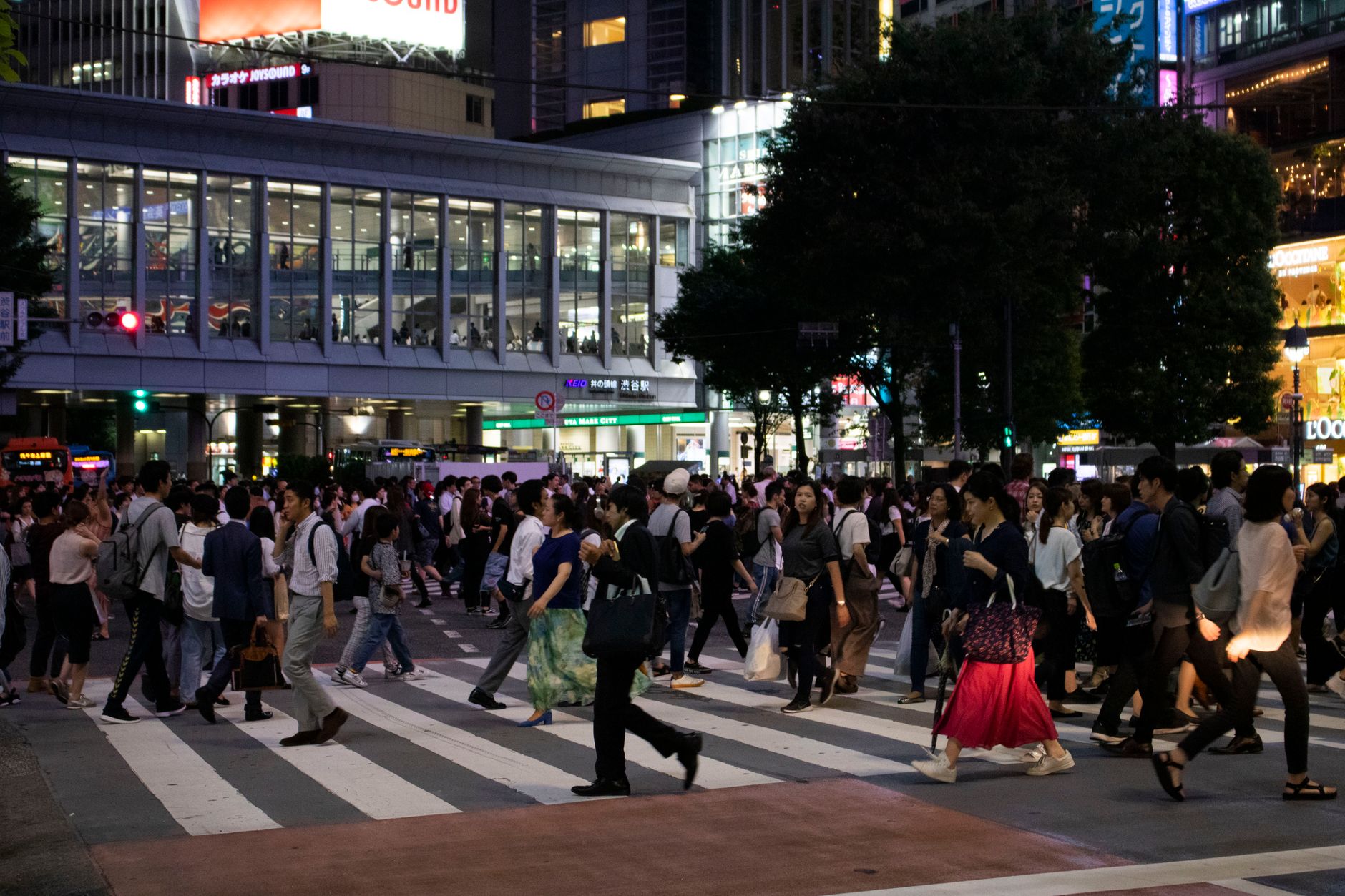
Directly across from the station is the scramble crossing. Up to 3,000 people cross the intersection during a single light change. For the best vantage point, head up to the open-air observation deck at Shibuya Scramble Square. You need to book tickets ($15 to $18) about four weeks in advance. Read our full guide to Shibuya Crossing and Shibuya Sky for exact booking instructions and photography tips.
Evening: Shinjuku
Take the JR Yamanote Line three stops north to Shinjuku. Exit on the west side and walk to Omoide Yokocho (Memory Lane). This network of narrow alleys is packed with tiny, smoke-filled stalls serving yakitori (grilled chicken skewers) and beer. Most stalls seat only six to eight people. Expect to pay $20 to $30 for a meal, and bring cash.
After dinner, walk east under the train tracks to Kabukicho, Japan’s largest entertainment district. The area is bright, loud, and busy late into the night. Walk through to see the life-size Godzilla head peering over the Toho Cinema building. If you want a free night view of the city, head back to the west side to the Tokyo Metropolitan Government Building, where the observation decks stay open until 21:30.
Day 2: Historic East (Asakusa, Ueno, Akihabara)
Trade the neon of the west for the historic temples and retro tech districts of the east.
Morning: Asakusa and Senso-ji
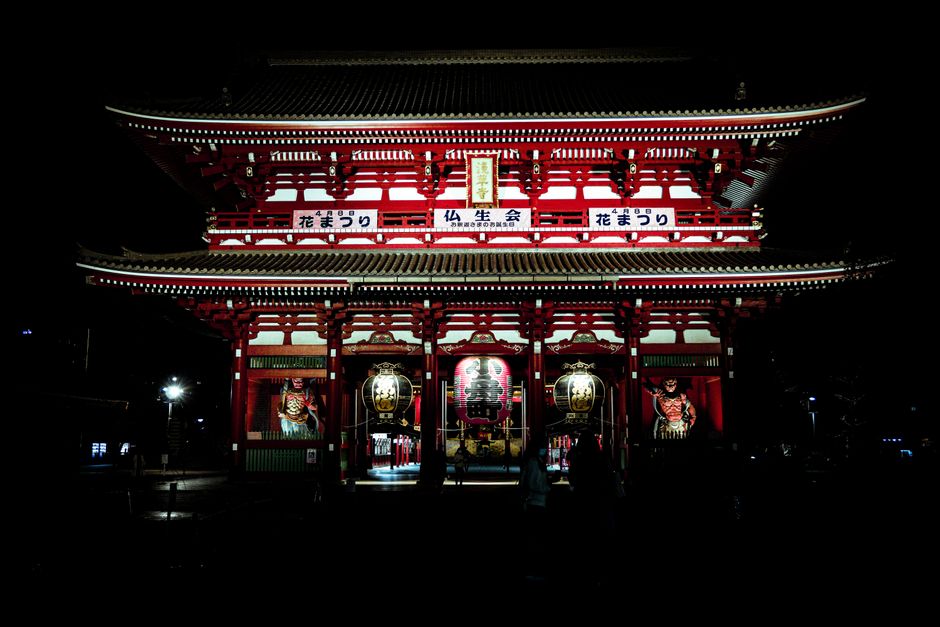
Take the Ginza Line to Asakusa Station. Arrive by 8:00 AM to experience Senso-ji, Tokyo’s oldest Buddhist temple, before the tour groups arrive. Start at the Kaminarimon (Thunder Gate) with its massive red lantern, then walk the 250-metre Nakamise shopping street leading to the main hall.
Most shops on Nakamise open around 9:00 AM. Buy fresh ningyoyaki (small baked cakes filled with red bean paste) for $3 a bag. Explore the side streets around the temple, which retain a traditional shitamachi (downtown) atmosphere.
Afternoon: Ueno Park and Akihabara
Walk 2 km west or take the Ginza Line three stops to Ueno. Ueno Park is a massive public space housing several major museums. If you only have time for one, visit the Tokyo National Museum ($7 entry), which holds the world’s largest collection of Japanese art and antiquities. Walk south from the museums to Shinobazu Pond, a large natural body of water covered in lotus plants, before exiting the park.
Walk south from the park through Ameyoko, a busy open-air market that originated as a post-war black market. Vendors here sell everything from fresh seafood to discounted sneakers.
Continue south for another 1 km to reach Akihabara, known as Electric Town. Walk down Chuo-dori, the main avenue, to find multi-story electronics department stores like Yodobashi Camera. Stop into Super Potato to browse floors of retro video games and consoles, or visit one of the area’s many themed cafes.
Evening: Tokyo Skytree or Hoppy Street
For sunset, head across the Sumida River to the Tokyo Skytree. At 634 metres, it is the tallest structure in Japan. Tickets range from $15 to $25 depending on which observation deck you visit.
If you prefer a ground-level evening, return to Asakusa and find Hoppy Street. This 80-metre street is lined with open-air izakayas. It gets its name from Hoppy, a low-alcohol malt beverage mixed with shochu. Almost every stall serves their own version of beef tendon stew (motsunikomi) for around $5 a bowl.
Day 3: Markets, Art and Neon (Tsukiji, Ginza, teamLab)
Your final day focuses on culinary history, high-end shopping, and immersive digital art around the Tokyo Bay area.
Morning: Tsukiji Outer Market
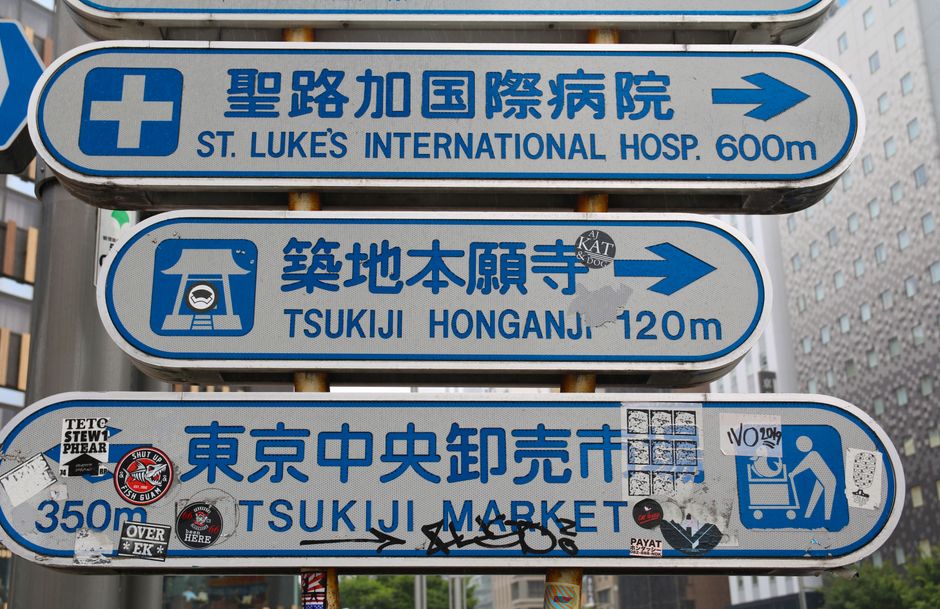
Take the Oedo Line to Tsukiji Shijo Station. While the wholesale seafood auction moved to Toyosu in 2018, the Tsukiji Outer Market remains in its original location. The narrow streets are packed with over 300 stalls selling fresh produce, knives, and street food.
Arrive by 8:00 AM. Eat fresh tamagoyaki (sweet rolled omelette) on a stick for $1, and stop at one of the standing sushi bars for a fresh kaisendon (seafood bowl) costing $15 to $30. Bring cash and wear closed-toe shoes. For a detailed walking route, see our Tsukiji Outer Market Guide.
Afternoon: Ginza and Digital Art
Walk 1 km northwest to Ginza, Tokyo’s premier shopping district. Walk down Chuo-dori, which is pedestrianised on weekends. Visit the 12-story Uniqlo flagship store or Itoya, a multi-level stationery store that has been operating since 1904. Before leaving Ginza, head into the basement of the Mitsukoshi department store. These underground food halls, known as depachika, sell beautifully packaged sweets, bento boxes, and high-end fruit.
In the mid-afternoon, head to one of the teamLab digital art museums. You have two choices: teamLab Planets in Toyosu (wading through water, barefoot experience) or the newer teamLab Borderless in Azabudai Hills (a massive, free-flowing maze of light). Both require booking weeks in advance and cost around $25. Read our comparison of teamLab Tokyo: Planets vs Borderless to choose the right one for your trip.
Evening: Roppongi or Tokyo Station
If you chose teamLab Borderless, walk 10 minutes to Roppongi for dinner. This area is known for its international dining scene and nightlife.
If you chose teamLab Planets, take the Yurikamome Line back to the mainland and head to the Marunouchi area near Tokyo Station. The basement of Tokyo Station houses Tokyo Ramen Street, where you can choose from eight of the city’s top ramen shops. Expect to queue for 20 to 30 minutes and pay $8 to $12 for a bowl.
How to Adapt This Tokyo Itinerary for 1 or 2 Days
If you are short on time, you can condense this route to hit the absolute essentials.
If you have 1 day in Tokyo:
Start your morning in Asakusa to see Senso-ji and experience traditional Japan. By midday, take the Ginza Line across the city to Shibuya to see the scramble crossing and grab lunch. Spend your late afternoon walking through Harajuku, and finish your evening in Shinjuku for dinner in Omoide Yokocho and the neon lights of Kabukicho.
If you have 2 days in Tokyo:
Follow Day 1 (West Tokyo) and Day 2 (East Tokyo) exactly as written. This gives you a perfect balance of the modern and historic sides of the city. You will miss Tsukiji and Ginza, but you can always grab fresh sushi at the restaurants in Ueno or Shinjuku instead.
Where to Stay for Your Tokyo Itinerary
Choosing the right base makes executing this itinerary much easier. Tokyo relies on its train network, so staying near a major station on the JR Yamanote Line is always the smartest move.
- Shinjuku: The best overall base for first-time visitors. It offers direct train access from Narita Airport via the Narita Express, endless dining options, and easy access to the west side of the city.
- Tokyo Station and Ginza: Ideal if you plan to take multiple bullet trains (Shinkansen) to other cities. This area is quieter at night but offers excellent upscale dining and shopping.
- Asakusa: The best area for budget travellers. Accommodation is cheaper here, and the neighbourhood retains a quieter, traditional feel after the daytime crowds leave.
- Shibuya: Perfect for younger travellers who want to be in the middle of the city’s nightlife and youth culture.
For specific hotel recommendations across different budgets, read our complete guide on Where to Stay in Tokyo: Best Areas and Hotels.
Plan Your Trip
Getting the logistics right will save you hours of confusion on the ground. Here are the practical steps to take before you arrive.
Transport and Connectivity
You will walk between 10 km and 15 km a day, but you will still rely heavily on the subway. Skip paper tickets and load a digital Suica or Pasmo IC card onto your Apple Wallet before you arrive. You simply tap your phone at the ticket gates. If you plan to use the Tokyo Metro extensively, consider buying a 24, 48, or 72-hour Tokyo Subway Ticket, which costs between $5 and $10.
Cash vs. Cards
While Tokyo has rapidly adopted contactless payments over the last few years, cash is still required at small izakayas, market stalls, and temple donation boxes. Always carry around $50 to $100 in yen. You can withdraw cash easily from ATMs inside any 7-Eleven or FamilyMart convenience store.
When to Visit
Tokyo experiences distinct seasons. Summers are brutally hot and humid, often exceeding 32°C (90°F). Spring (March to May) and autumn (September to November) offer mild temperatures around 15°C to 20°C (59°F to 68°F) and clear skies. Check our Best Time to Visit Tokyo: Month-by-Month Guide to align your dates with cherry blossoms or autumn foliage.
Expanding Your Itinerary
If you have more than three days, use the extra time to dive deeper into specific interests or take a train out of the city.
- Browse our list of the Best Things to Do in Tokyo to swap out any stops on this itinerary.
- Use our What to Eat in Tokyo: Local Food Guide to find specific restaurants near your hotel.
- Escape the city crowds with one of the Best Day Trips from Tokyo, such as visiting the shrines in Nikko or the coastal town of Kamakura.
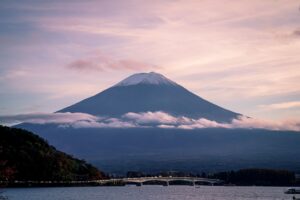
- If seeing Japan’s most famous peak is on your list, read our guide to planning a Mount Fuji Day Trip from Tokyo.