The best time to visit Tokyo is during the autumn months of October and November, or the spring months of March and April. These periods offer comfortable temperatures and spectacular seasonal foliage, but they also bring peak crowds and higher hotel rates.
If you prefer to avoid the busiest periods and do not mind the cold, late January and February are excellent alternatives. You will find cheaper accommodation and shorter queues for major attractions.
Whenever you choose to travel, planning ahead is essential. For a complete overview of the city’s neighbourhoods and logistics, start with our comprehensive Tokyo guide.
Quick Verdict: The Best Time to Visit Tokyo
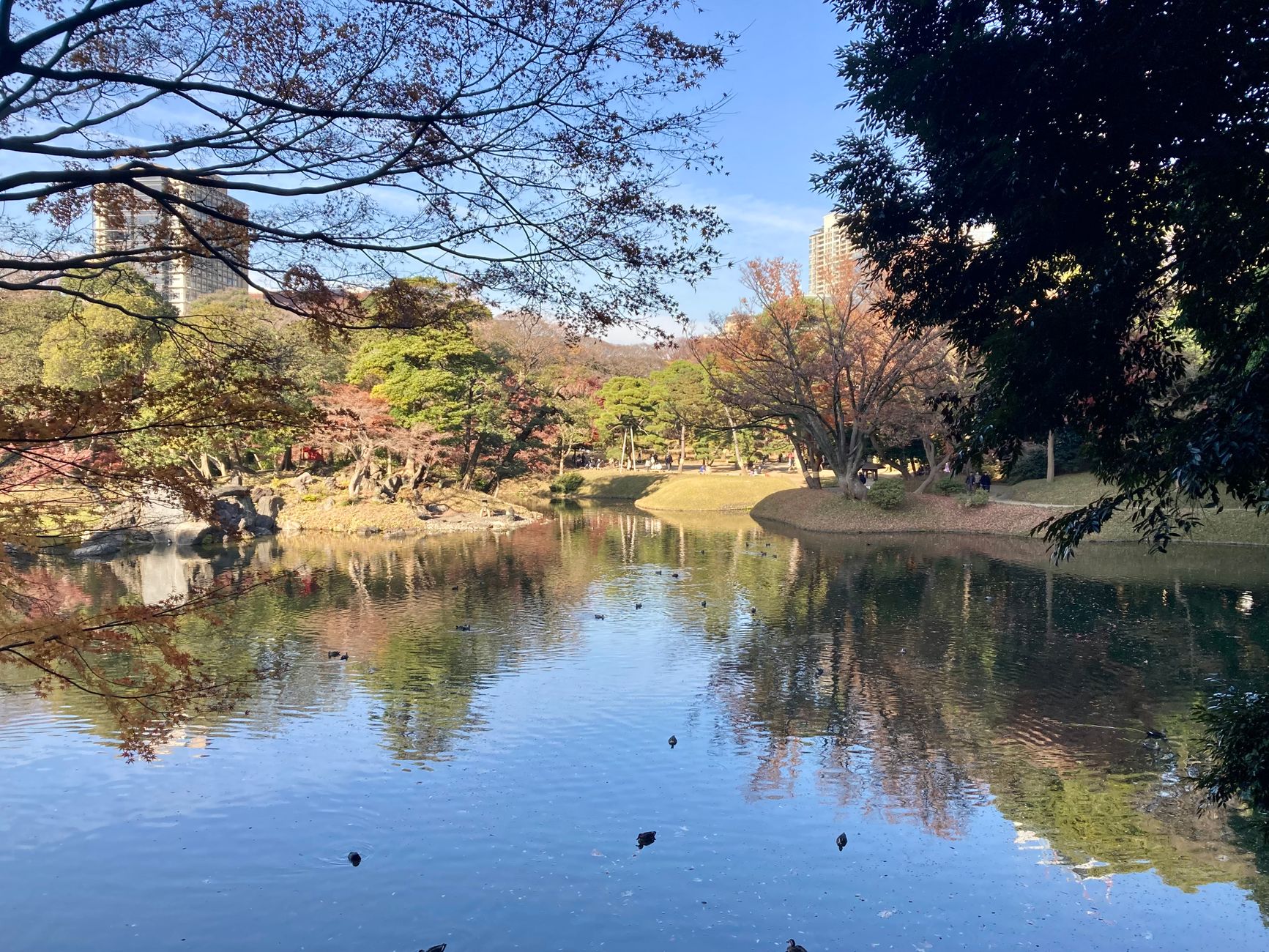
- Best overall: October and November for mild weather, clear skies and spectacular autumn colours across the city’s traditional gardens.
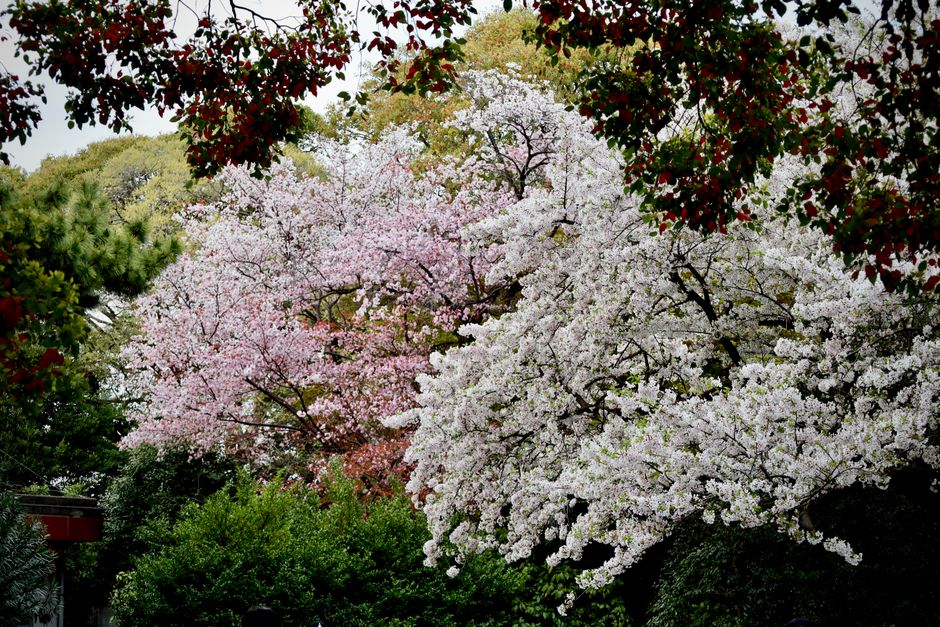
- Best for cherry blossoms: Late March to early April. This is peak season, so expect premium prices.
- Cheapest time: Mid-January to February, excluding the Lunar New Year period. The weather is cold but dry.
- Worst time: August due to oppressive heat, high humidity and typhoon risk. Early May should also be avoided due to the domestic Golden Week holidays, which cause severe transport bottlenecks.
Tokyo Seasons Explained
Tokyo experiences four distinct seasons, each dramatically changing the feel of the city. Before booking your flights, it is crucial to understand what the weather and domestic holiday calendar will look like.
Spring (March to May)
Spring is arguably the most popular time to visit. The season begins chilly but warms up quickly. Late March brings the famous cherry blossoms (sakura), turning parks like Shinjuku Gyoen and Ueno Park into massive picnic grounds. The weather is generally sunny and pleasant, making it perfect for ticking off the best things to do in Tokyo.
Be aware of Golden Week, a cluster of four national holidays between 29 April and 5 May. Millions of locals travel during this week, meaning bullet trains are booked solid and hotel prices skyrocket. For broader country-wide travel tips during spring, see our Japan guide.
Summer (June to August)
Summer in Tokyo is brutal. The season starts with tsuyu (the rainy season) in June and mid-July. Rather than heavy downpours, expect persistent drizzle and grey skies. Once the rain stops, the heat island effect takes over. August temperatures regularly exceed 30°C (86°F), combined with stifling humidity.
If you visit in summer, you will need to pace yourself. Plan indoor activities for the middle of the day. The upside to summer is the festival (matsuri) season, featuring massive street food stalls, traditional dancing and spectacular fireworks displays over the Sumida River.
Autumn (September to November)
September is an extension of summer, bringing high temperatures and the peak of typhoon season. Heavy rain and high winds can occasionally ground flights and halt the train network. By October, the humidity drops and the skies clear.
November is the sweet spot. The city bursts into reds and yellows as the maple and ginkgo trees change colour. The weather is cool, dry and perfect for walking. This is an ideal season to follow a structured Tokyo itinerary: how to spend 1, 2 or 3 days in the city.
Winter (December to February)
Winter in Tokyo is cold but very dry. Snow is rare, perhaps falling once or twice a year but rarely settling on the ground. Temperatures hover around 5°C to 10°C (41°F to 50°F) during the day, dropping near freezing at night.
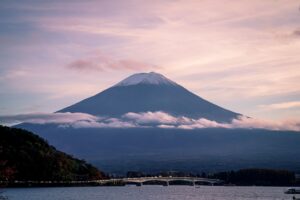
The main advantage of winter is the crisp, clear air. This provides the highest chance of seeing Mount Fuji from the city’s observation decks. It is also the best time of year to take a Mount Fuji day trip from Tokyo, as the mountain is almost guaranteed to be visible and capped with snow.
Month-by-Month Guide to Tokyo Weather and Crowds
| Month | Average Temp (°C/°F) | Rainfall | Crowds | Prices |
|---|---|---|---|---|
| January | 5°C / 41°F | Low | Low | Low |
| February | 6°C / 43°F | Low | Low | Low |
| March | 9°C / 48°F | Moderate | High | High |
| April | 14°C / 57°F | Moderate | Very High | Peak |
| May | 18°C / 64°F | Moderate | High (Early May) | High |
| June | 21°C / 70°F | High | Moderate | Moderate |
| July | 25°C / 77°F | High | Moderate | Moderate |
| August | 26°C / 79°F | Moderate | Moderate | Moderate |
| September | 23°C / 73°F | Very High | Moderate | Moderate |
| October | 18°C / 64°F | Moderate | High | High |
| November | 12°C / 54°F | Low | High | High |
| December | 8°C / 46°F | Low | Moderate | High (Late Dec) |
January
The first few days of January are incredibly busy with hatsumode (the first shrine visit of the year) at Meiji Jingu and Senso-ji. Many independent restaurants close until 4 or 5 January. After the New Year rush, the month becomes quiet and highly affordable. Expect standard business hotel rooms to drop to $80–$120 per night in January, compared to $200–$300+ during peak cherry blossom season. Check our guide on where to stay in Tokyo: best areas and hotels for logistical tips.
February
Still cold and dry, February is ideal for clear views from observation decks. Before the cherry blossoms arrive, you can see ume (plum blossoms) at Yushima Tenjin or Hanegi Park. Because it is chilly, prioritise indoor attractions. Find out which digital art museum suits your schedule in our comparison of teamLab Tokyo: Planets vs Borderless.
March
Early March remains quiet, but the atmosphere shifts dramatically by the final week when the Somei-Yoshino cherry trees begin to bloom. Hotel prices spike as domestic and international tourists arrive. The Meguro River in Nakameguro is illuminated with pink lanterns, drawing massive evening crowds to view the blossoms reflecting on the water.
April
The first week of April is usually peak sakura season. Expect packed paths at Ueno Park, Shinjuku Gyoen and Chidorigafuchi. By mid-April, the blossoms fall and crowds thin slightly before ramping up again for Golden Week. This is a fantastic month to explore on foot, perhaps grabbing a coffee before tackling Shibuya Crossing and Shibuya Sky.
May
Golden Week dominates the first week of May, meaning transport is packed and hotels are at their absolute most expensive. Once the holidays end, May is arguably the best time to visit Tokyo for comfortable, t-shirt weather before the humidity sets in. The third weekend usually brings the massive Sanja Matsuri to Asakusa, where dozens of portable shrines are paraded through the streets.
June
June marks the beginning of the rainy season. Expect overcast skies and frequent drizzle rather than torrential downpours. It is a quieter month for tourism, though you can see stunning hydrangea blooms at Hakusan Shrine. In even-numbered years (like 2026), the historic Sanno Matsuri takes over the streets around Hie Shrine in Akasaka.
July
The rainy season breaks in mid-July, instantly replaced by intense heat and humidity. Summer festival season kicks off, highlighted by the spectacular Sumida River Fireworks Festival on the last Saturday of the month. To beat the heat, dive into seasonal dishes like chilled somen noodles or kakigori (shaved ice) — read more in our what to eat in Tokyo: local food guide.
August
This is the toughest month for weather, with daytime highs regularly exceeding 30°C (86°F) and a high risk of typhoons disrupting flights and trains. However, the evenings are vibrant. The Koenji Awa Odori festival brings 10,000 dancers to the streets late in the month. Stay hydrated and use the vast underground mall networks to navigate the city.
September
September remains hot, sticky and wet, with typhoons still a significant threat. There is often a string of public holidays called Silver Week which drives up domestic travel costs. If you visit in September, keep your itinerary flexible in case of heavy rain and focus on indoor shopping in Ginza, Omotesando or the massive department stores in Shinjuku.
October
The humidity finally breaks in October, leaving crisp, clear days. The city gears up for Halloween. While public drinking is now strictly banned around Shibuya station to control crowds, you will still see elaborate costumes across the city. This is a brilliant month for walking tours and exploring outdoor gardens.
November
This is the peak month for autumn foliage. The ginkgo trees along Icho Namiki in Aoyama turn a brilliant yellow, while Rikugien Garden is illuminated at night to showcase the red maples. The weather is dry and cool, making it perfect for an early morning stroll through the Tsukiji Outer Market Guide before the lunch crowds arrive.
December
Winter brings short days but brilliant blue skies. The city is heavily decorated with winter illuminations; the displays along Keyakizaka in Roppongi and Marunouchi Naka-Dori are particularly impressive. It is a festive but cold month. If you want to escape the city for a few days, wrap up warm and check out the best day trips from Tokyo.
Best Time for Specific Activities in Tokyo
When is the Best Time to See Cherry Blossoms?
The cherry blossom front (sakura zensen) is a major national event. In a typical year, Tokyo’s blossoms begin to open around 20 March and reach full bloom (mankai) roughly seven to ten days later. The first week of April is traditionally the safest bet for booking flights. However, unseasonably warm winters can push the bloom forward by a week. If you miss the peak, head to Shinjuku Gyoen, which features late-blooming varieties that last into mid-April.
When is the Best Time for Autumn Leaves?
Unlike cherry blossoms, which are notoriously fleeting and easily ruined by a single rainstorm, autumn leaves (koyo) stick around for several weeks. The leaves begin changing in mid-November and generally peak in the last week of November through to early December. For the best yellow ginkgo trees, visit the Meiji Jingu Gaien avenue. For traditional red maples, Koishikawa Korakuen and Rikugien are unmatched.
When is the Best Time to Avoid Crowds?
Tokyo is a megacity of 14 million people, so it is never truly empty. However, international tourist numbers plummet in mid-January, February and June. If you want to photograph major landmarks without shoulder-to-shoulder crowds, these are the best months. You will also find it significantly easier to secure highly competitive restaurant reservations or theme park tickets during these off-peak windows.
Plan Your Trip
Regardless of when you decide is the best time to visit Tokyo, you need to book accommodation at least three to four months in advance. Tokyo hotels release inventory early, and the best-value rooms in popular areas like Shinjuku and Shibuya sell out quickly, especially for spring and autumn.
Pack layers. Even in the mild months of May and October, Tokyo’s trains, department stores and restaurants blast their air conditioning or heating. A light, packable jacket is essential year-round. Finally, download an IC card (like Suica or Pasmo) to your smartphone wallet before you arrive. It makes tapping in and out of the sweltering or freezing train stations seamless, no matter the season. If you are landing at Narita or Haneda, having this digital card ready will save you queuing at the ticket machines after a long flight.