Planning a realistic South America itinerary requires understanding the sheer scale of the continent. Distances are vast, altitude changes are extreme, and trying to cram too many countries into a short trip is the most common mistake travellers make. Whether you have two weeks to explore the Inca heartland or three months to travel from the Caribbean coast to the southern glaciers, focusing on regional clusters saves days of transit time.
This guide breaks down exactly how to structure your route, what internal transport costs, and which highlights make sense to combine. For a broader overview of the continent’s diverse regions, start with our comprehensive South America guide.
Planning Your Route: Essential Logistics
Before looking at specific routes, you need to decide which countries align with your travel style. If you are unsure where to begin, our breakdown of the Best Countries to Visit in South America can help narrow down your focus.
Flights and Hubs
International flights generally arrive in major hubs like Bogotá (BOG), Lima (LIM), Santiago (SCL), Buenos Aires (EZE), or São Paulo (GRU). Open-jaw tickets—flying into one city and out of another—are essential for trips longer than two weeks. This prevents you from wasting two days and $300 USD backtracking to your starting point.
Internal flights are dominated by LATAM, Avianca, and Aerolíneas Argentinas. Low-cost carriers like JetSMART and Sky Airline have expanded rapidly across Chile, Peru, Colombia, and Argentina, making quick hops more affordable. However, luggage fees on these budget airlines often double the base fare, so factor that into your budget.
Long-Distance Buses
Do not dismiss bus travel. In countries like Argentina, Chile, Peru, and Brazil, long-distance buses are often more comfortable than flights. You will choose between semi-cama (seats that recline 140 degrees) and cama (fully flat beds).
A 14-hour overnight bus from Lima to Arequipa on a premium operator like Cruz del Sur costs around $35 to $50 USD and saves you a night of accommodation. Terminals are generally well-organised, but always keep your daypack with valuables at your feet, never in the overhead racks.
When to Go: Navigating the Seasons
Because the continent spans the equator and stretches down towards Antarctica, there is no single best time to visit. You must time your trip based on your primary destinations.
- The Andes (Peru, Bolivia, Ecuador): The dry season runs from May to October. This is the best time for trekking the Inca Trail or visiting the Salar de Uyuni. Temperatures in Cusco average 19°C (66°F) during the day but drop to 0°C (32°F) at night.
- Patagonia (Chile and Argentina): The summer months of December to February are mandatory if you want to hike. Highs hover around 15°C (59°F), but winds are notoriously fierce. Many trails close completely between June and September.
- The Amazon: The jungle is humid year-round, averaging 30°C (86°F). The low-water season (July to November) is better for jungle walks, while the high-water season (December to May) allows boats to navigate deeper into the canopy creeks.
2-Week South America Itinerary: Peru and the Amazon
With only a fortnight, do not attempt to cross borders. Pick one country and explore it deeply. Peru offers the best balance of infrastructure, history, and diverse landscapes for a short trip.
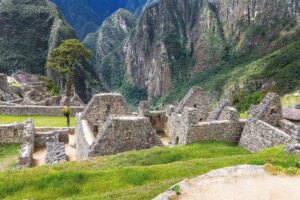
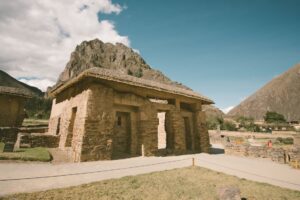
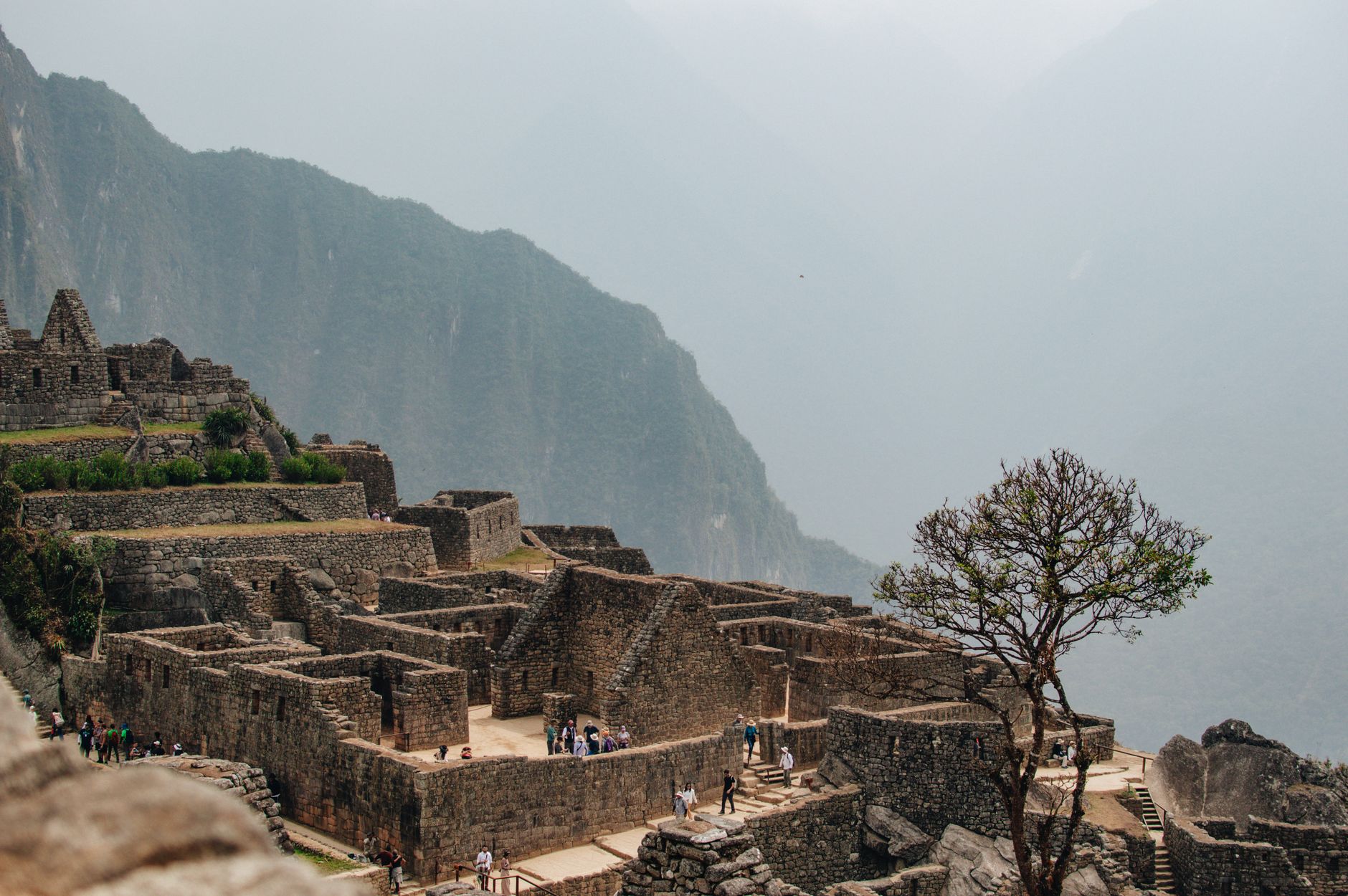
Begin by flying into Lima. Spend two days exploring the Barranco and Miraflores neighbourhoods, sampling the city’s world-class culinary scene. From Lima, fly to Cusco (1.5 hours, $60-$120 USD). Spend five days acclimatising in the Sacred Valley, exploring Ollantaytambo and Pisac, before taking the train to Aguas Calientes for Machu Picchu.
Since Cusco sits at 3,399 metres, taking time to adjust is critical. Read our guide on Altitude Sickness in the Andes: How to Prepare before you fly.
For your second week, swap the mountains for the jungle. Fly from Cusco to Puerto Maldonado (1 hour). This is the gateway to the Tambopata National Reserve. Spend four nights at a jungle lodge spotting macaws, caimans, and giant river otters. If you are debating which country offers the best jungle experience, see our comparison on Visiting the Amazon: Brazil, Peru or Ecuador?. Return to Lima for your flight home.
Alternative 2-Week Route: The Highlights of Colombia
If high altitude is not for you, Colombia is the perfect two-week destination. Fly into Bogotá for two days, then take a short flight to Pereira to explore the coffee region. Base yourself in Salento for three days to hike the Cocora Valley among towering wax palms.
Next, fly to Medellín for four days to ride the cable cars over the Aburrá Valley and take a day trip to the colourful town of Guatapé. Finish by flying to the Caribbean coast. Spend your final days walking the walled city of Cartagena and relaxing on the Rosario Islands.
1-Month South America Itinerary: The Andean Trail
A one-month South America itinerary allows you to travel overland through two countries. The classic route through Peru and Bolivia offers dramatic landscapes on a moderate budget.
Start in Lima and travel south by bus to the Paracas Peninsula (4 hours, 260 km). Take a boat tour of the Ballestas Islands before continuing to the desert oasis of Huacachina. Head inland to Arequipa, a city built from white volcanic stone, and spend two days trekking the Colca Canyon.
Continue to Cusco for your Machu Picchu visit, then take a bus to Puno on the shores of Lake Titicaca. Cross the border into Bolivia via Copacabana. Spend three days in La Paz, riding the Mi Teleférico cable car system and cycling the North Yungas Road.
Take an overnight bus (10 hours, $20 USD) to Uyuni. Book a three-day 4×4 tour of the Salar de Uyuni salt flats. These tours typically cost $150 to $250 USD, including basic accommodation and food. End the tour at the Chilean border in San Pedro de Atacama, from where you can fly out of Calama to Santiago.
2-Month South America Itinerary: Mountains to Coast
With two months, you can comfortably connect the high Andes with the southern cone. Follow the one-month itinerary through Peru and Bolivia, ending your salt flats tour in San Pedro de Atacama, Chile.
Spend four days in the Atacama Desert exploring the Valle de la Luna and the El Tatio geysers. The altitude here remains high at 2,400 metres, but temperatures fluctuate wildly from 25°C (77°F) during the day to -2°C (28°F) at night. Fly from Calama to Santiago (2 hours, $40-$80 USD).
Spend a week in central Chile, dividing your time between Santiago, the coastal city of Valparaíso, and the Casablanca wine region. Next, cross the Andes into Argentina. The bus journey from Santiago to Mendoza (7 hours, 360 km) navigates the spectacular Los Libertadores pass.
Spend three days cycling between Malbec vineyards in Mendoza. Finally, fly to Buenos Aires. Spend your last two weeks enjoying the cafe culture of Palermo, eating at traditional steakhouses, and taking a short ferry across the Rio de la Plata to spend a few days in Colonia del Sacramento, Uruguay.
3-Month South America Itinerary: The Grand Continental Loop
Three months is the sweet spot for a comprehensive trip. This timeframe allows you to add the deep south and the tropical east to your route. Begin with the two-month route, but after Santiago, fly south to Punta Arenas rather than heading straight to Mendoza.
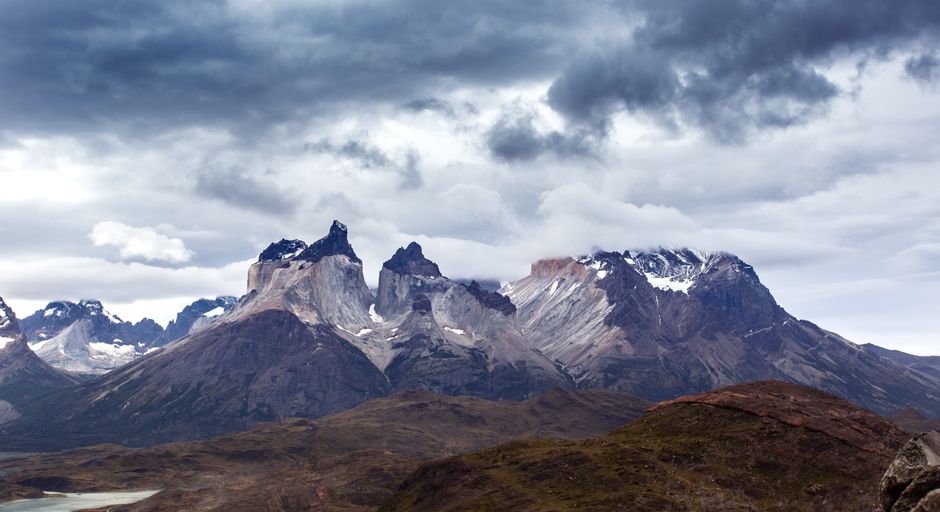
Dedicate three weeks to this southern region. Base yourself in Puerto Natales to hike the W Trek in Torres del Paine, then take a bus across the border to El Calafate, Argentina, to view the Perito Moreno Glacier. Continue north to El Chaltén for world-class day hikes around Mount Fitz Roy. For detailed logistics, read our Patagonia Travel Guide: Chile and Argentina.
Fly from El Calafate to Buenos Aires. After exploring the Argentine capital, fly north to Puerto Iguazú to see Iguazu Falls. Spend two days viewing the falls from both the Argentine and Brazilian sides.
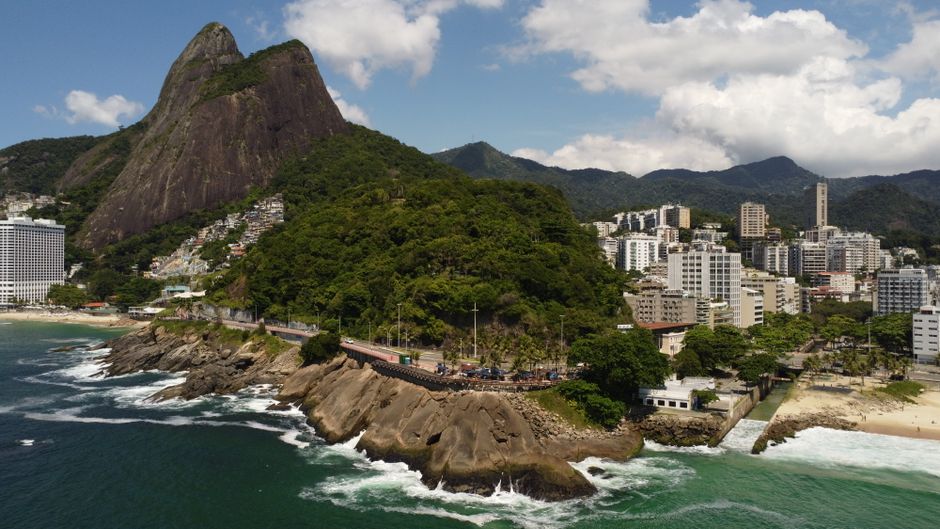
From Foz do Iguaçu on the Brazilian side, fly to Rio de Janeiro. Spend your final two weeks in Brazil, combining the beaches of Copacabana and Ipanema with a trip down the Costa Verde to the car-free island of Ilha Grande and the colonial town of Paraty.
South America Transport and Budget Estimates
Daily budgets vary significantly by country. Bolivia and Colombia are highly affordable, while Chile, Uruguay, and Brazil require a larger budget.
| Region / Route | Suggested Time | Average Daily Budget (Mid-Range) | Primary Transport |
|---|---|---|---|
| Peru & Bolivia | 3 to 4 weeks | $50 – $80 USD | Overnight buses, local flights |
| Colombia & Ecuador | 3 to 4 weeks | $60 – $90 USD | Domestic flights, short buses |
| Chile & Argentina (inc. Patagonia) | 4 to 6 weeks | $100 – $150 USD | Flights, long-distance buses |
| Brazil Coast | 2 to 3 weeks | $90 – $130 USD | Domestic flights, transfers |
Common Mistakes to Avoid
Underestimating distances: Looking at a map of South America is deceptive. The bus journey from Lima to Cusco is 22 hours through winding mountain roads. Always check the actual travel time, not just the physical distance.
Skipping travel insurance: Medical care in private clinics in major cities is excellent but expensive. Furthermore, activities like hiking at high altitude or visiting remote jungle lodges carry inherent risks. Ensure your policy covers altitudes up to 4,000 metres if you are visiting Peru or Bolivia.
Booking domestic flights too late: While buses can be booked a day or two in advance, domestic flight prices in countries like Argentina and Chile skyrocket if booked within two weeks of departure. Lock in your major internal flights at least a month ahead.
Plan Your Trip
Start by pinning down your available time and choosing a single region to anchor your trip. Check flight routes into major hubs, secure your open-jaw tickets, and leave a buffer day between high-altitude destinations and strenuous treks. With a realistic pace, your journey will be memorable for the landscapes and culture, rather than the exhaustion of constant transit.