Planning a trip to the southern tip of the Americas requires understanding vast distances, unpredictable weather, and strict booking timelines. This Patagonia travel guide covers the practical logistics of visiting both the Chilean and Argentine sides, from securing refugio beds in Torres del Paine to crossing the border by bus.
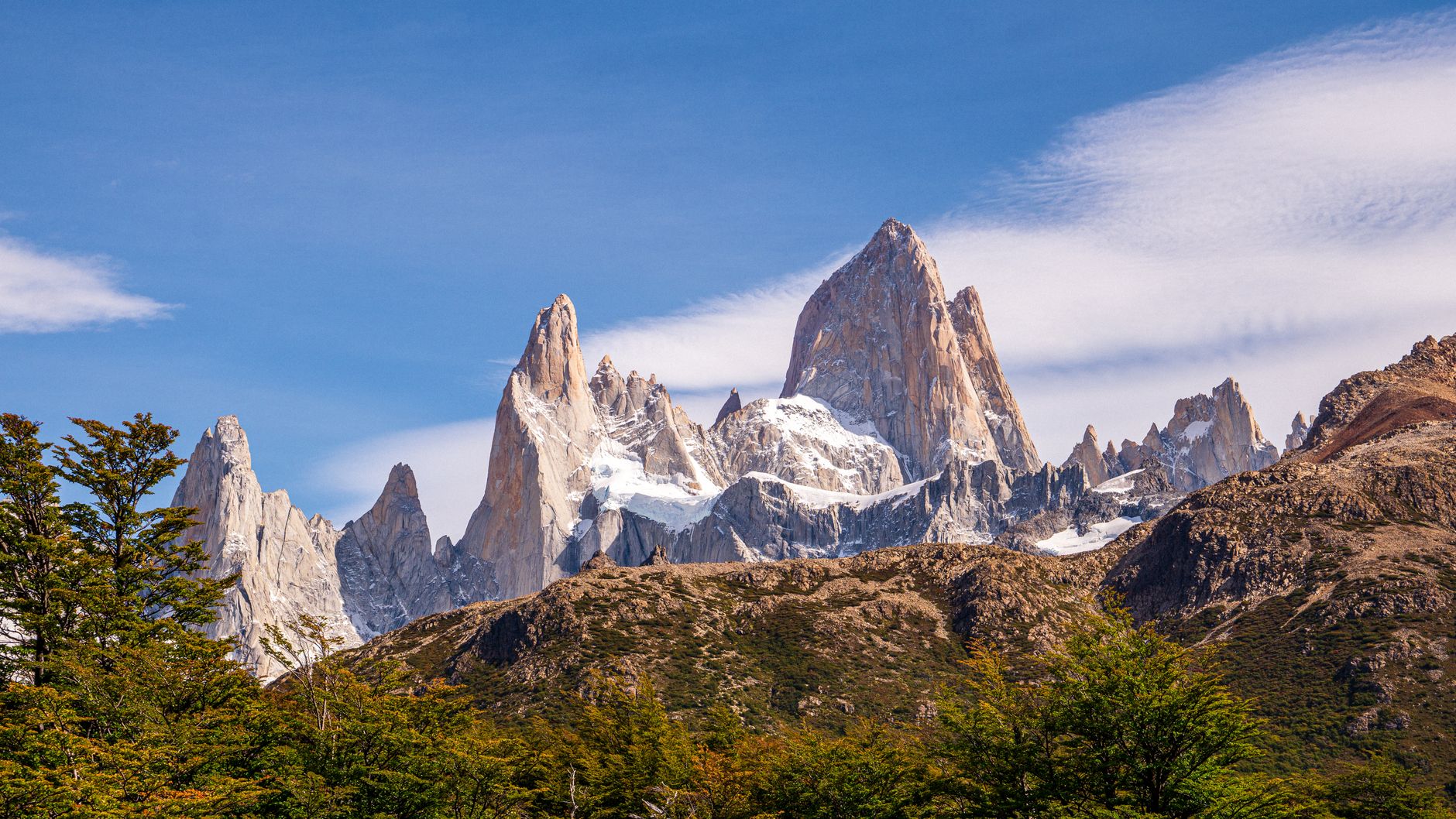
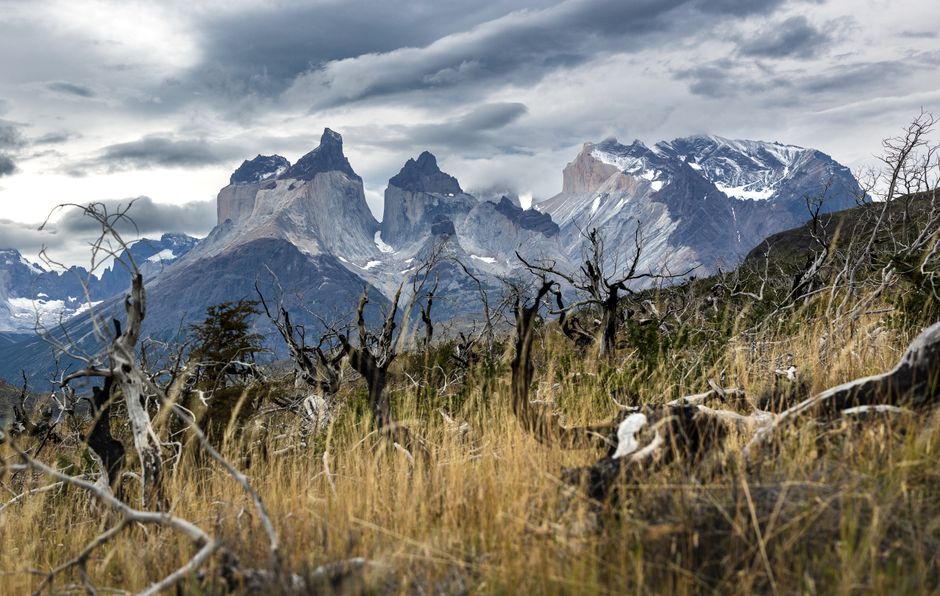
Patagonia is not a single country or park, but a massive geographical region covering over one million square kilometres. It is split down the middle by the Andes mountains, creating two distinct landscapes. The Chilean side is defined by deep fjords, temperate rainforests, and the jagged granite peaks of Torres del Paine. The Argentine side features the arid Patagonian steppe, massive ice fields, and the towering spires of Mount Fitz Roy.
Patagonia Travel Guide: Getting There and Around
Because Patagonia is so large, you will likely need to fly into one airport and out of another, or rely on long-distance buses to connect the major hubs.
Flying into Patagonia
If you are starting in Chile, you will fly from Santiago (SCL) to either Punta Arenas (PUQ) or Puerto Natales (PNT). LATAM and Sky Airline operate these routes. Puerto Natales is much closer to Torres del Paine, but flights are less frequent and often seasonal.
If you are starting in Argentina, you will fly from Buenos Aires (AEP or EZE) to El Calafate (FTE) or Ushuaia (USH). Aerolíneas Argentinas and Flybondi are the main carriers. El Calafate is the gateway to the Perito Moreno Glacier and the trekking town of El Chaltén.
Crossing the Border
Renting a car gives you freedom, but dropping a Chilean rental car off in Argentina (or vice versa) incurs astronomical fees, often between $500 and $1000 USD. You also need special permits to take a rental car across the border.
For most travellers, buses are the most efficient way to travel between the two countries. The most common border crossing is between El Calafate (Argentina) and Puerto Natales (Chile). Companies like Bus-Sur and Cootra run this 270 km route. The journey takes five to six hours, including the time spent at the Cerro Castillo border checkpoint. Book these bus tickets at least a week in advance during the summer months.
When to Go and Weather
Patagonian weather is notoriously volatile. It is entirely possible to experience bright sunshine, heavy rain, and snow in a single afternoon.
The peak season is the southern hemisphere summer, from December to February. Daytime temperatures average 10°C to 15°C (50°F to 59°F). However, this is also when the infamous Patagonian winds are at their strongest, frequently reaching 100 km/h. The wind chill can make it feel significantly colder.
The shoulder seasons of November and March to April are excellent times to visit. The winds are generally calmer, and the trails are less crowded. April brings spectacular autumn foliage, turning the beech forests bright orange and red. Winter (June to August) is harsh; many hotels close, bus schedules are reduced, and trails in Torres del Paine require a certified guide due to snow and ice.
Top Highlights: The Chilean Side
Chilean Patagonia is synonymous with Torres del Paine National Park. The gateway town is Puerto Natales, located about two hours south of the park entrance.
Torres del Paine National Park
This park is famous for its multi-day trekking routes. The W Trek takes four to five days and covers the park’s three main valleys: the Ascencio Valley (to the base of the towers), the French Valley (Valle del Francés), and the Grey Glacier. The longer O Circuit takes seven to nine days and loops around the entire massif.
Logistics here require intense planning. You cannot simply show up and pitch a tent. Campsites and refugios (mountain lodges with bunk beds and meals) are managed by three different entities: CONAF (the national park service), Las Torres, and Vertice Patagonia. You must book your accommodation up to six months in advance. If you do not have confirmed reservations for every night of your trek, park rangers will not let you start the trail.
If multi-day trekking is not for you, you can base yourself in a hotel just outside the park or in Puerto Natales and take day tours. Catamarans cross Lake Pehoé daily, allowing day hikers to access the French Valley or hike to the Grey Glacier viewpoint.
Top Highlights: The Argentine Side
Argentine Patagonia offers more accessible day hiking and some of the most impressive glaciers on the continent, all within Los Glaciares National Park.
El Calafate and the Perito Moreno Glacier
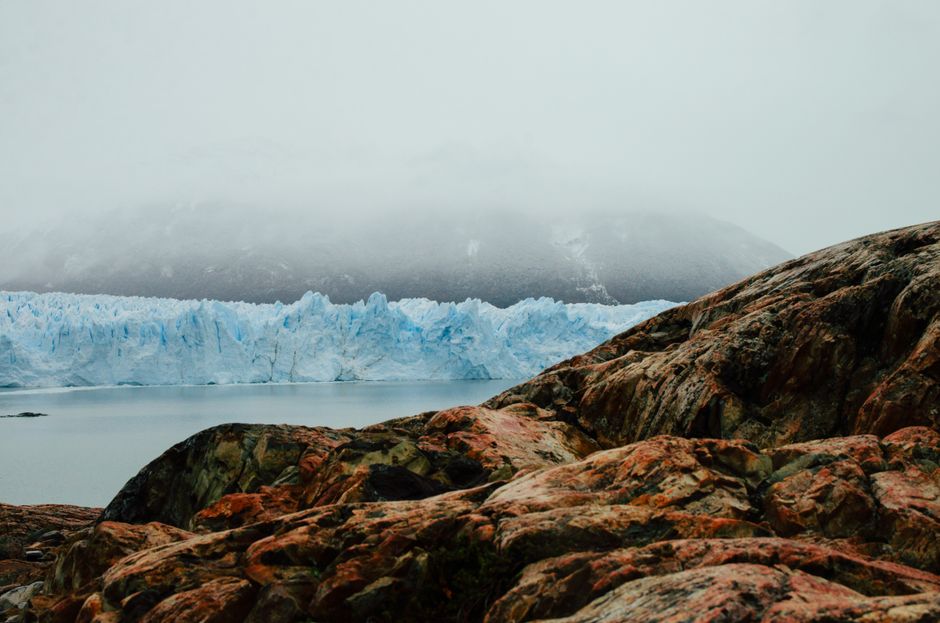
El Calafate is a bustling tourist hub situated on the shores of Lake Argentino. The main draw here is the Perito Moreno Glacier, located 80 km from town. Unlike most glaciers worldwide, Perito Moreno is currently stable and advances up to two metres a day, resulting in massive chunks of ice calving into the lake.
You can take a public bus from the El Calafate terminal to the glacier, which takes about 90 minutes. Once there, a network of steel catwalks provides panoramic views. For a closer look, book a mini-trekking tour to hike directly on the ice with crampons, or take a boat safari along the glacier’s face.
El Chaltén and Mount Fitz Roy
Located 215 km north of El Calafate (a three-hour bus ride), El Chaltén is Argentina’s trekking capital. Unlike Torres del Paine, you do not need to pay park entrance fees or book permits months in advance to hike here.
The trails start directly from the edge of town. The most famous route is the Laguna de los Tres hike, a 22 km round trip that takes you to a glacial lagoon at the base of Mount Fitz Roy. The trail is relatively flat until the final kilometre, which is a brutal 400m ascent over loose scree. Another highly recommended day hike is the 18 km round trip to Laguna Torre, offering views of the needle-like Cerro Torre.
Ushuaia and Tierra del Fuego
Further south lies Ushuaia, marketed as the city at the end of the world. It sits on the shores of the Beagle Channel. From here, you can take boat tours to see Magellanic and Gentoo penguins on Isla Martillo, or hike the coastal trails of Tierra del Fuego National Park. Ushuaia is also the primary departure point for expeditions to Antarctica.
Budget and Costs
Patagonia is the most expensive region in South America. Because of its remote location, everything from fresh produce to building materials must be transported vast distances. Prices peak between December and February.
| Expense Type | Estimated Cost (USD) |
|---|---|
| Dorm bed in a hostel | $25 – $40 |
| Mid-range hotel room | $100 – $200 |
| Restaurant meal (dinner) | $20 – $35 |
| Bus ticket (El Calafate to Puerto Natales) | $30 – $40 |
| Torres del Paine Park Entry | $35 – $45 |
| Los Glaciares Park Entry | $30 – $40 |
In Argentina, the economic situation fluctuates. While the MEP exchange rate has made using foreign Visa and Mastercard credit cards viable and cost-effective, it is still highly recommended to carry some crisp USD bills to exchange for pesos at local ‘cueva’ exchange houses. In Chile, credit cards are widely accepted, but you will need Chilean Pesos for rural buses and small bakeries.
Essential Patagonia Travel Guide Tips
Master the layering system: The weather changes rapidly. You need a moisture-wicking base layer (merino wool is ideal), a warm insulating mid-layer (like a fleece or down jacket), and a high-quality Gore-Tex windproof and waterproof outer shell. Do not hike in jeans.
Bring trekking poles: The wind in Patagonia can literally knock you off your feet. Trekking poles provide essential stability on exposed ridges and save your knees on the steep descents, particularly on the Laguna de los Tres trail.
Book transport early: During the summer, buses between El Calafate, El Chaltén, and Puerto Natales sell out days in advance. Do not assume you can buy a ticket at the terminal on the day of travel.
Combining Patagonia with the Rest of South America
If you are planning a broader trip, Patagonia pairs beautifully with other regions, though you must account for long flight times. Start by reading our comprehensive South America guide to understand the continent’s scale.
Deciding where else to spend your time? Read our breakdown of the Best Countries to Visit in South America. If you have an extended timeframe, check out these South America Itineraries: 2 Weeks to 3 Months to see how to sequence your flights.
Many travellers like to contrast the freezing glaciers of the south with the tropical heat of the north. You can easily fly from Buenos Aires or Santiago up to the rainforest. Learn more by reading Visiting the Amazon: Brazil, Peru or Ecuador?.
Finally, it is worth noting that Patagonia is mostly at low altitude. El Chaltén sits at just 400m above sea level, and even the highest passes in Torres del Paine rarely exceed 1200m. If your itinerary takes you north to the high Andes of Peru or Bolivia afterwards, you will be starting from scratch with acclimatisation. Read up on Altitude Sickness in the Andes: How to Prepare.
Plan Your Trip
A successful trip to Patagonia requires locking in your logistics early. Start by deciding if you want to tackle multi-day hikes in Chile or stick to the accessible day trails and glaciers in Argentina. Once you have your route, book your flights to Punta Arenas or El Calafate, secure your park refugios immediately, and pack your best waterproof gear. The wind might be fierce, but the landscapes are entirely worth the effort.