Getting altitude sickness in the Andes is a real risk that can derail your trip if you do not prepare. The key to avoiding acute mountain sickness (AMS), known locally as soroche, is a gradual ascent, strict hydration, and strategic itinerary planning. By spending your first few nights at intermediate elevations and understanding how your body reacts to thinner air, you can safely explore high-altitude destinations across the continent.
Understanding Altitude Sickness in the Andes
At high elevations, the barometric pressure drops. While the air still contains 21% oxygen, the lower pressure means the molecules are spread further apart. Every breath you take delivers less oxygen to your blood. When you travel rapidly from sea level to destinations above 2,500m, your body struggles to compensate.
The symptoms of altitude sickness usually appear within 12 to 24 hours of arrival. You will likely experience a dull headache, shortness of breath upon mild exertion, loss of appetite, and insomnia. Some travellers also feel nauseous or dizzy. These mild symptoms are entirely normal and usually subside as your body produces more red blood cells over a few days.
However, ignoring these early warning signs can lead to severe complications. Understanding how to manage your ascent is the foundation of any good South America guide.
Smart Itinerary Planning for High Elevations
The most effective way to prevent altitude sickness is to adjust your travel route. Never fly directly to a high-altitude city and plan heavy activity for the next day. When researching the Best Countries to Visit in South America, you must factor in the geography of your arrival airport.
Peru: Skip Cusco on Day One
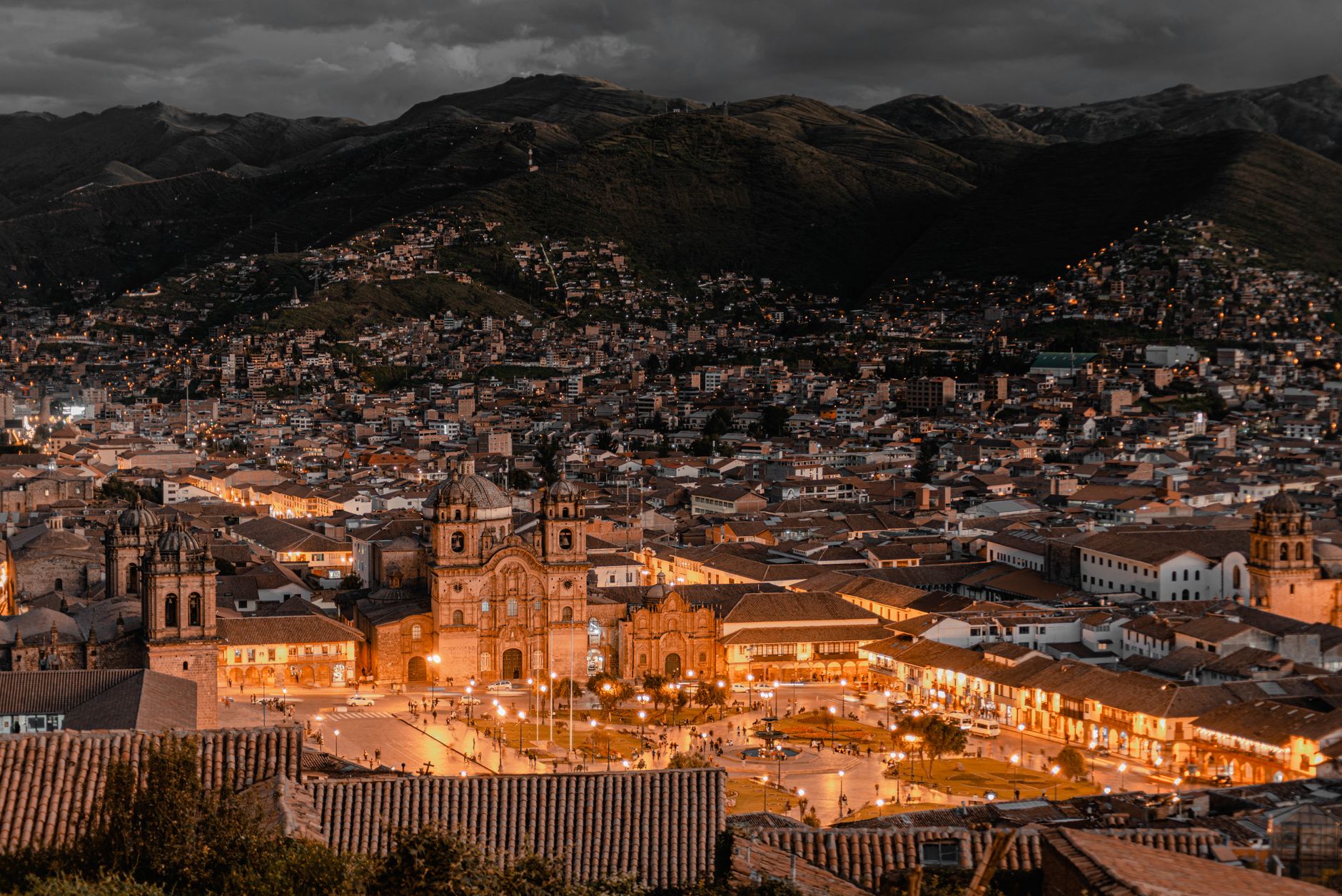
Most travellers take the 570 km flight from Lima (sea level) to Cusco (3,399m). This rapid 80-minute ascent is a massive shock to the system. Instead of checking into a hotel in Cusco, hire a pre-arranged taxi ($30 to $50) directly from the airport down into the Sacred Valley.
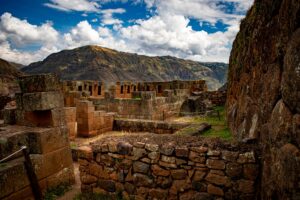
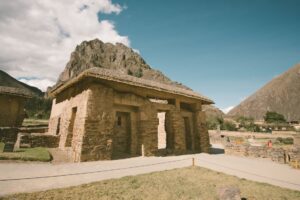
Towns like Ollantaytambo and Pisac sit at a much more manageable 2,800m. Spend your first two or three nights here exploring ruins and acclimatising before heading back up to Cusco. This step-wise approach is a core strategy in all sensible South America Itineraries: 2 Weeks to 3 Months.
Bolivia: Descend from El Alto
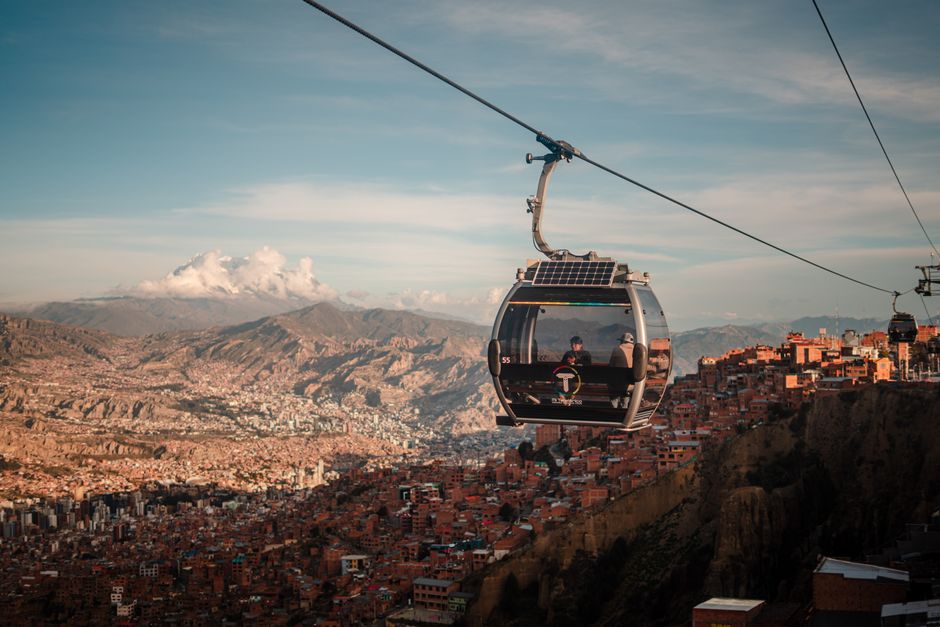
Arriving in La Paz is extreme. Flights land at El Alto International Airport, situated at a breathless 4,150m. Do not linger at the airport or book accommodation in El Alto. Immediately take the Mi Teleférico cable car or a taxi down into the La Paz city centre (3,640m).
For an even gentler introduction, book your first few nights in the southern neighbourhoods like Zona Sur or Calacoto. These districts sit in a valley at around 3,200m, offering a significantly thicker atmosphere for your first nights of sleep.
Ecuador: Base Yourself in Quito
Quito sits at 2,850m. Most people feel only mild effects here, making it an excellent base for acclimatisation. Spend three days exploring the historic centre before tackling higher elevations like the Quilotoa crater lake (3,900m) or the Cotopaxi base camp (4,800m).
Pre-Trip Preparation and Medications
Physical fitness does not protect you from altitude sickness. Marathon runners are just as susceptible to AMS as couch potatoes. The best medical preparation is a consultation with a travel doctor regarding acetazolamide, commonly sold under the brand name Diamox.
Diamox forces your kidneys to excrete bicarbonate, making your blood slightly more acidic. This tricks your brain into breathing faster and deeper, speeding up the acclimatisation process. You typically start taking it 24 hours before arriving at altitude. Be prepared for harmless side effects, such as tingling in your fingers and toes, and a frequent need to urinate.
The First 48 Hours: Rules to Live By
How you behave during your first two days at altitude dictates how you will feel for the rest of your trip. Follow these strict rules upon arrival:
- Hydrate aggressively: The high-altitude air is incredibly dry. You lose a massive amount of moisture simply by breathing. Aim to drink 3 to 4 litres of water daily.
- Eat light meals: Digestion slows down significantly at high elevations because your body diverts oxygen away from your stomach to your brain and heart. Avoid heavy, fatty meats like alpaca steak or deep-fried cuy on your first night. Stick to simple carbohydrates and local soups, like quinoa broth.
- Skip the alcohol: Alcohol suppresses your respiratory system, particularly while you sleep, which is exactly the opposite of what you need. Avoid the pisco sours and local beers for at least 48 hours.
- Walk slowly: Everything takes more effort. Walk at half your normal pace, especially when navigating the steep, cobbled streets of Cusco or La Paz.
Local Remedies and Hotel Solutions
Across the Andes, locals have relied on traditional remedies for centuries to combat the thin air. You will also find modern conveniences designed to make your stay more comfortable.
| Remedy / Solution | What It Is | Cost & Availability |
|---|---|---|
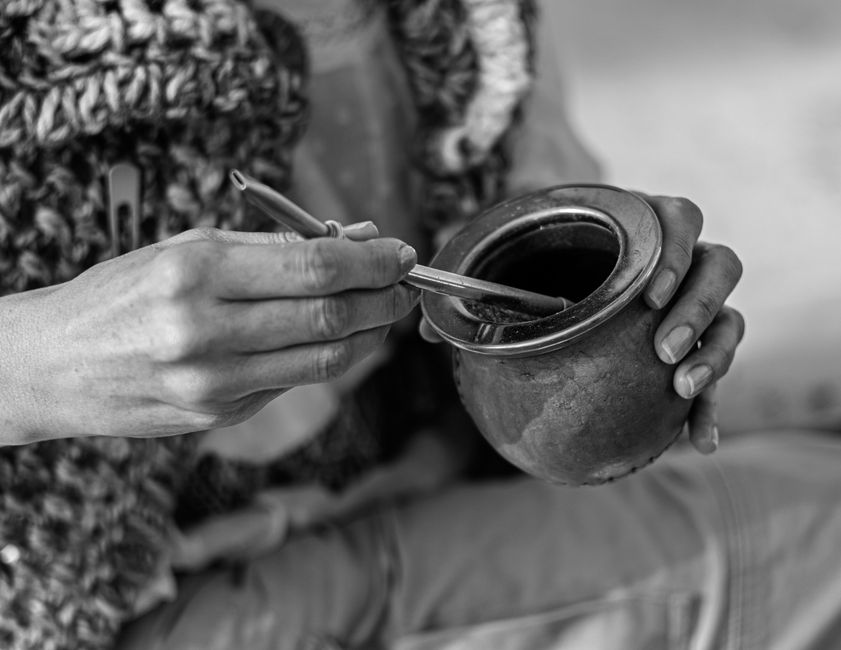
| Mate de Coca | A traditional tea brewed from raw coca leaves. It acts as a mild stimulant, easing headaches and settling the stomach. | Offered free in most hotel lobbies across Peru and Bolivia. |
| Sorojchi Pills | Over-the-counter capsules containing acetylsalicylic acid (aspirin), salophen, and caffeine to treat altitude headaches. | Around $5 per box at pharmacies (Inkafarma, Mifarma) in Peru and Bolivia. |
| Oxishot | Small, portable canisters of recreational oxygen that provide a few deep breaths of concentrated O2. | $10 to $15 in pharmacies and tourist shops. Mostly a temporary fix. |
| Oxygen-Enriched Rooms | High-end hotels pump filtered oxygen directly into the bedrooms, simulating an elevation of around 2,400m. | Included in luxury rates (e.g., Belmond Hotel Monasterio), or $30-$50 per night as an add-on. |
Mistakes to Avoid at High Altitude
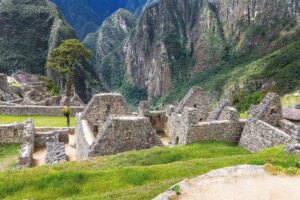
The most common mistake travellers make is booking a strenuous trek too soon. You cannot fly into Cusco on a Monday and start the Inca Trail on a Tuesday. The highest point of the trail, Dead Woman’s Pass, sits at 4,215m. You need at least three full days of acclimatisation before beginning a multi-day hike.
Another dangerous mistake is ignoring severe symptoms. If a headache does not respond to painkillers, or if you experience severe confusion, loss of coordination, or a wet cough, you must descend immediately. These are signs of High Altitude Cerebral Edema (HACE) or High Altitude Pulmonary Edema (HAPE), both of which are medical emergencies. Do not rely on coca tea or oxygen canisters if symptoms escalate; the only cure is a rapid descent to a lower elevation.
Where to Go Before or After the Andes
Once you have acclimatised and completed your high-altitude trekking, your body will have an elevated red blood cell count. You will feel incredibly fit when you return to lower elevations. This makes it a perfect time to combine the mountains with other topographies.
You can drop down the eastern slopes of the Andes directly into the jungle. If you are Visiting the Amazon: Brazil, Peru or Ecuador?, you will find that the Amazon basin sits near sea level. The air is thick and oxygen-rich, providing immediate relief from the altitude, though you will trade the cold mountain air for intense humidity and temperatures often exceeding 30°C (86°F).
Alternatively, head south. The jagged peaks of the far south look intimidating, but the base trails are surprisingly low. If you read our Patagonia Travel Guide: Chile and Argentina, you will see that famous hikes like the base of Mount Fitz Roy or the Torres del Paine W Trek rarely exceed 1,200m. You will not need to worry about altitude sickness in Patagonia.
Plan Your Trip
Before you travel, scrutinise your travel insurance policy. Standard travel insurance often excludes medical evacuation or care above 2,500m or 3,000m. If you plan to hike the Inca Trail, the Salkantay Trek, or explore the Bolivian salt flats, you must purchase a policy that explicitly covers trekking up to 5,000m.
Finally, pack appropriate layers. The thin atmosphere in the Andes means the sun is blistering during the day, but temperatures plummet the moment it sets. In the dry season (May to August), night-time temperatures in Cusco and La Paz frequently drop to 0°C (32°F). Bring a high-quality down jacket, thermal base layers, and strong sun protection to handle the extremes of the high Andes.