The best place to visit the Amazon depends entirely on what you want to see, how much time you have, and your budget. The Amazon Basin spans nine nations, but the vast majority of travellers choose between Brazil, Peru, and Ecuador. Each country offers a distinctly different jungle experience.
Brazil provides the classic, wide-river cruise experience where the waterways are so massive you cannot see the opposite bank. Peru is unmatched for macaw clay licks and deep-jungle lodge stays. Ecuador provides the fastest, most direct access from the high Andes into the rainforest canopy.
This guide breaks down the logistics, costs, and wildlife opportunities of each region so you can choose the right base for your trip.
Choosing the Best Place to Visit the Amazon
Before booking flights, you need to decide whether you prefer sleeping on a moving riverboat or staying at a fixed jungle lodge. You also need to consider how the Amazon fits into your wider South American route.
Brazil: The Vast River Experience
Brazil holds roughly 60% of the Amazon rainforest. The scale here is difficult to comprehend. The primary gateway is Manaus, a bustling city of two million people located right in the middle of the jungle. You reach it by flying into Eduardo Gomes International Airport (MAO).
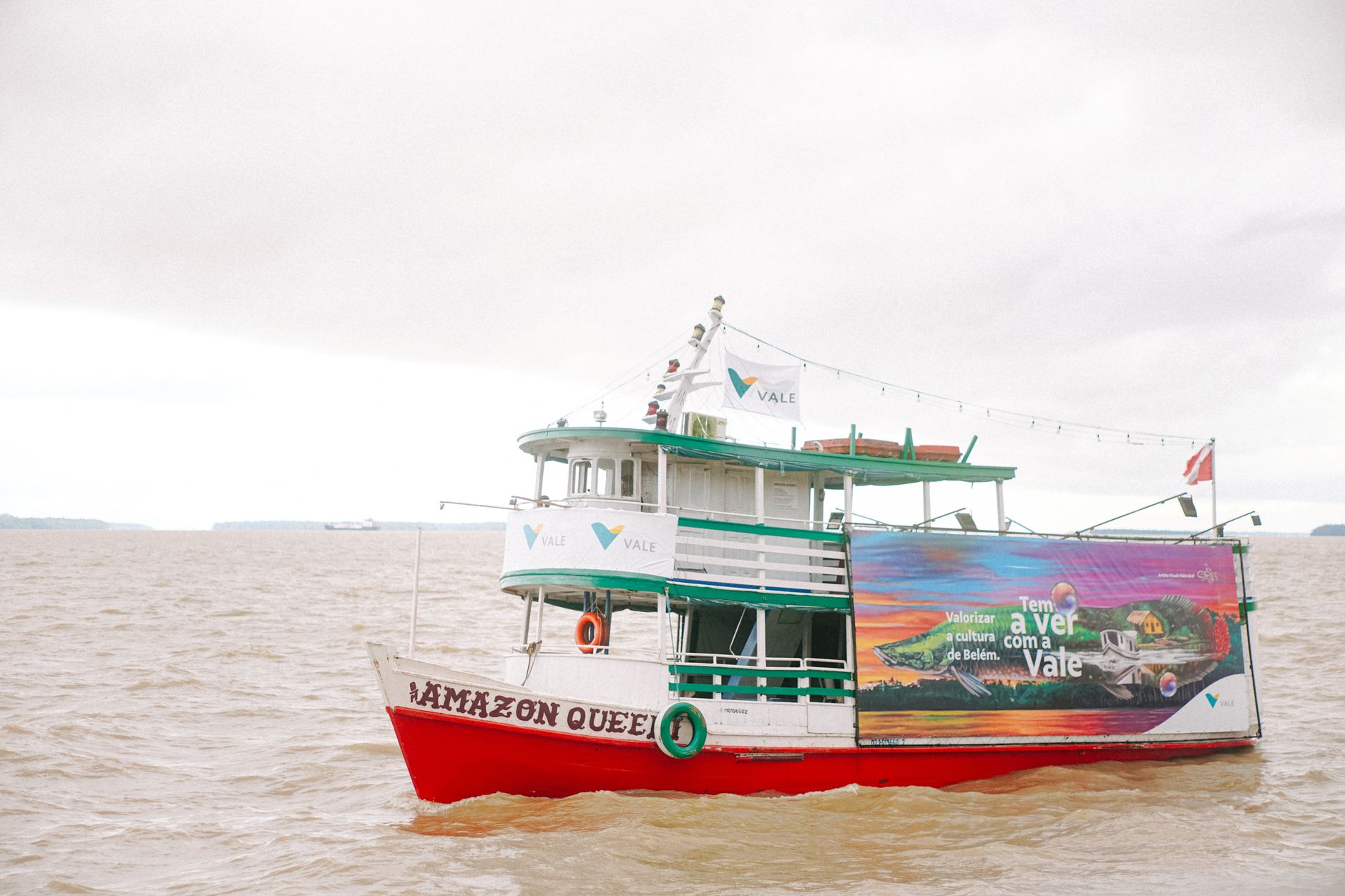
Manaus is famous for the Meeting of the Waters (Encontro das Águas), where the dark, tannin-rich Rio Negro runs side-by-side with the sandy Solimões River for over 6 km without mixing. Because the rivers are so wide here, Brazil is the premier destination for multi-day river cruises rather than land-based lodges.
Cruising the Rio Negro or the Anavilhanas Archipelago allows you to cover massive distances. You will likely spot pink river dolphins (botos), caimans, and three-toed sloths. However, because you are on a large body of water, spotting smaller mammals and birds in the dense canopy can be more challenging than walking narrow jungle trails.
If you prefer a lodge in Brazil, look at the Mamirauá Sustainable Development Reserve. You must fly from Manaus to the small town of Tefé to reach it. The reserve features floating lodges and is one of the only places on earth to see the bald uakari monkey.
Peru: Wildlife Lodges and Clay Licks
Peru is widely considered the best place to visit the Amazon for concentrated wildlife viewing. The country has two distinct Amazon hubs: Iquitos in the north and Puerto Maldonado in the south.
Iquitos is the largest city in the world inaccessible by road; you must fly into Coronel FAP Francisco Secada Vignetta International Airport (IQT). From here, luxury river cruises and motorised canoes head into the Pacaya Samiria National Reserve. This flooded forest is excellent for spotting pink dolphins, manatees, and massive Victoria amazonica water lilies.
Puerto Maldonado, accessed via Padre Aldamiz International Airport (PEM), is a short flight from Lima or Cusco. This makes it incredibly easy to combine with a trip to Machu Picchu. From the port, boats take you down the Madre de Dios River to lodges in the Tambopata National Reserve or the more remote Manu National Park.
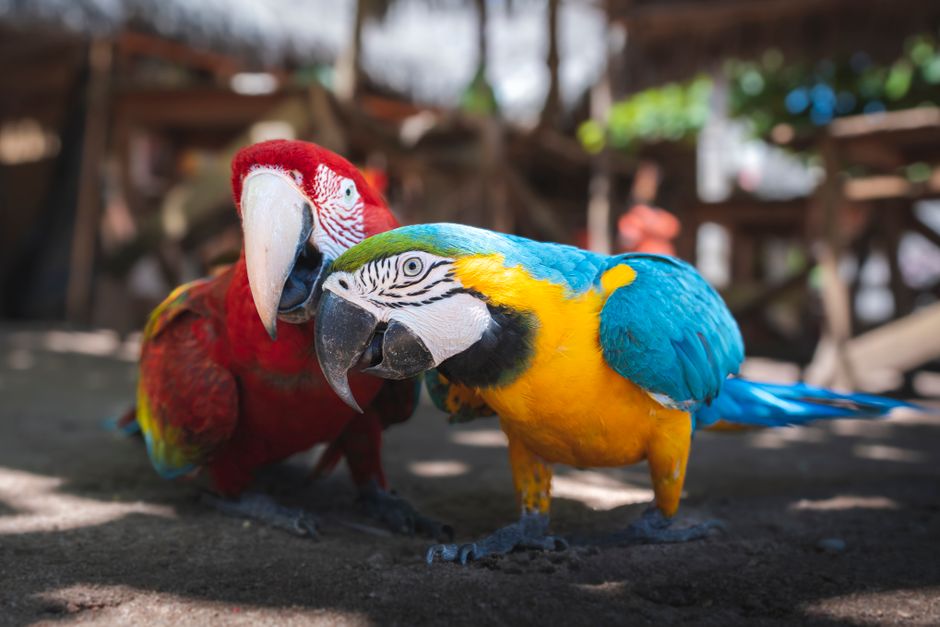
Tambopata is famous for its collpas (clay licks). On clear mornings, hundreds of scarlet macaws and parrots gather on the riverbanks to eat the mineral-rich clay. The region is also known for its oxbow lakes (cochas), where you can paddle quietly in wooden canoes to spot endangered giant river otters and hoatzin birds.
Ecuador: High Biodiversity and Quick Access
Ecuador holds a tiny fraction of the Amazon, but what it lacks in size, it makes up for in accessibility and staggering biodiversity. The two main entry points are the towns of Coca (Puerto Francisco de Orellana) and Lago Agrio.
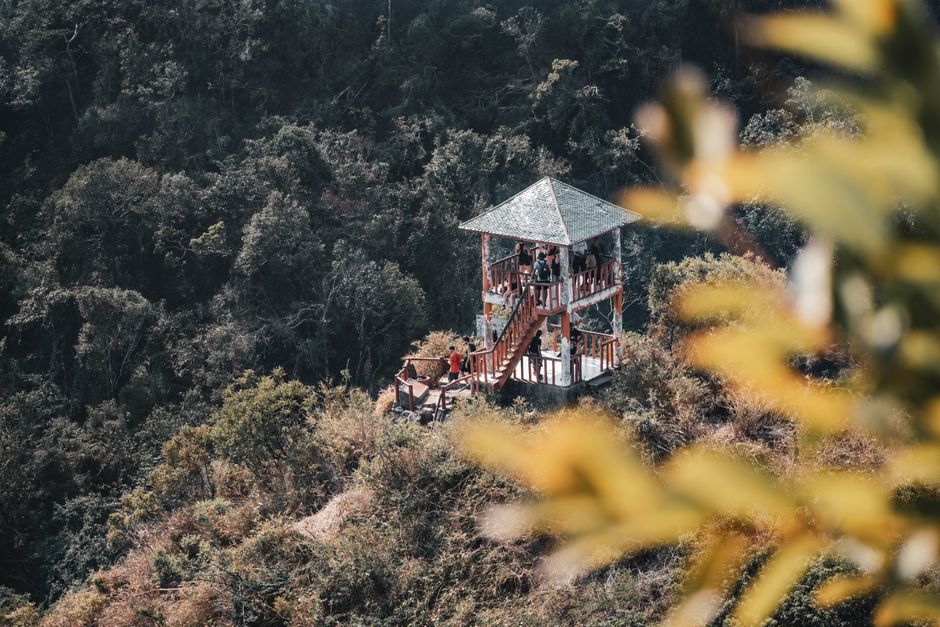
Coca is the gateway to Yasuní National Park. A short 40-minute flight from Quito drops you into the humid lowlands. From Coca, you board a motorised canoe for a two-to-four-hour journey down the Napo River to your lodge. Yasuní is arguably the most biodiverse tract of land on the planet. Lodges here feature canopy towers built around giant kapok trees, putting you eye-level with toucans, spider monkeys, and harpy eagles.
Lago Agrio is the jump-off point for the Cuyabeno Wildlife Reserve. Cuyabeno is a flooded forest ecosystem, similar to parts of Brazil, but much more compact. It is highly regarded as the best budget-friendly Amazon destination, with numerous affordable lodges offering excellent chances to see anacondas, pygmy marmosets, and river dolphins.
Practical Essentials: Logistics and Costs
Visiting the Amazon requires a minimum commitment of three to four nights. Anything less means you will spend more time in transit than in the jungle. Most lodges and cruises sell all-inclusive packages covering your accommodation, meals, airport transfers, and daily guided excursions.
| Country | Main Hubs | Best For | Average Cost (Per Night) |
|---|---|---|---|
| Brazil | Manaus, Tefé | River cruises, vast scale, pink dolphins | $250 – $600+ |
| Peru | Puerto Maldonado, Iquitos | Macaw clay licks, giant river otters, combining with Cusco | $150 – $800+ |
| Ecuador | Coca, Lago Agrio | Quick access, canopy towers, budget options (Cuyabeno) | $100 – $500+ |
Budget lodges in Ecuador’s Cuyabeno Reserve or basic camps in Peru’s Tambopata start around $100 to $150 per night. Mid-range lodges in Yasuní or standard Brazilian riverboats average $250 to $400 per night. Luxury experiences, such as high-end cruises out of Iquitos or premium lodges with private plunge pools, range from $500 to well over $1,000 per night.
When is the Best Time to Visit the Amazon?
The Amazon does not have a traditional summer and winter. Instead, it operates on a high-water season and a low-water season. Temperatures remain consistently hot and humid year-round, averaging 25°C to 32°C (77°F to 90°F). Rain is a constant threat regardless of the month—it is a rainforest, after all.
High Water Season (December to May): Heavy rains cause the rivers to rise by up to 10 metres. This is the best time for exploring the flooded forests (igapó) by canoe. Because the water level is higher, you are physically closer to the canopy, making monkey and bird spotting easier. The downside is that hiking trails are often submerged, and mosquitoes are more prevalent.
Low Water Season (June to November): As the rains ease, the rivers recede, revealing sandy beaches and extensive networks of jungle trails. This is the best time for hiking, fishing for piranhas, and spotting caimans on the riverbanks. If you are visiting Peru, the macaw clay licks are most active between August and October.
Insider Tips and Mistakes to Avoid
The biggest mistake first-time visitors make is expecting the Amazon to look like a zoo. The jungle is incredibly dense, and wildlife is naturally camouflaged. You will hear ten times more animals than you actually see. A good guide with a trained eye and a spotting scope is essential.
Health preparation is non-negotiable. Check the yellow fever vaccine requirements for your specific destination, especially if you are crossing borders within South America. Malaria prophylaxis is recommended for certain areas, particularly in the Brazilian Amazon and parts of Peru. Always consult a travel clinic before departure.
When packing, leave the heavy cotton at home. The humidity means cotton will never dry. Bring lightweight, synthetic, long-sleeved shirts and trousers. Stick to neutral colours like khaki, olive, and tan. Avoid black and dark blue, which actively attract tsetse flies and mosquitoes. Pack a strong DEET-based repellent, a headlamp for night walks (essential for spotting tarantulas and tree frogs), and a dry bag to protect your camera and phone from sudden downpours.
What to Combine With Your Amazon Trip
Because getting to the Amazon requires effort, it makes sense to build it into a larger itinerary. If you choose Peru, combining Puerto Maldonado with Cusco and the Sacred Valley is a classic route. Since Cusco sits at a very high elevation, make sure you read up on Altitude Sickness in the Andes: How to Prepare before you fly down to the jungle.
If you opt for Ecuador, pairing a Yasuní lodge with a Galapagos Islands cruise or a road trip through the Avenue of the Volcanoes creates a spectacular two-week trip.
For broader trip planning, look at our South America Itineraries: 2 Weeks to 3 Months. If you want a complete contrast in climate and scenery, you might even pair the humid jungle with the glaciers of the deep south—see our Patagonia Travel Guide: Chile and Argentina.
Need help narrowing down your route? Start with our main South America guide or browse the Best Countries to Visit in South America to see how the Amazon fits into the wider continent.
Plan Your Trip
When booking your Amazon lodge, look for properties that actively employ indigenous guides, such as the Huaorani in Ecuador or the Ese Eja in Peru. Local guides have an unmatched ability to spot wildlife and understand the medicinal uses of jungle plants.
Check with your lodge before packing heavy footwear. Almost all reputable lodges provide tall rubber boots for muddy jungle hikes, saving you valuable luggage space. Finally, bring small denominations of cash (USD or local currency) for tipping your guides and boat drivers, as ATMs do not exist in the rainforest.