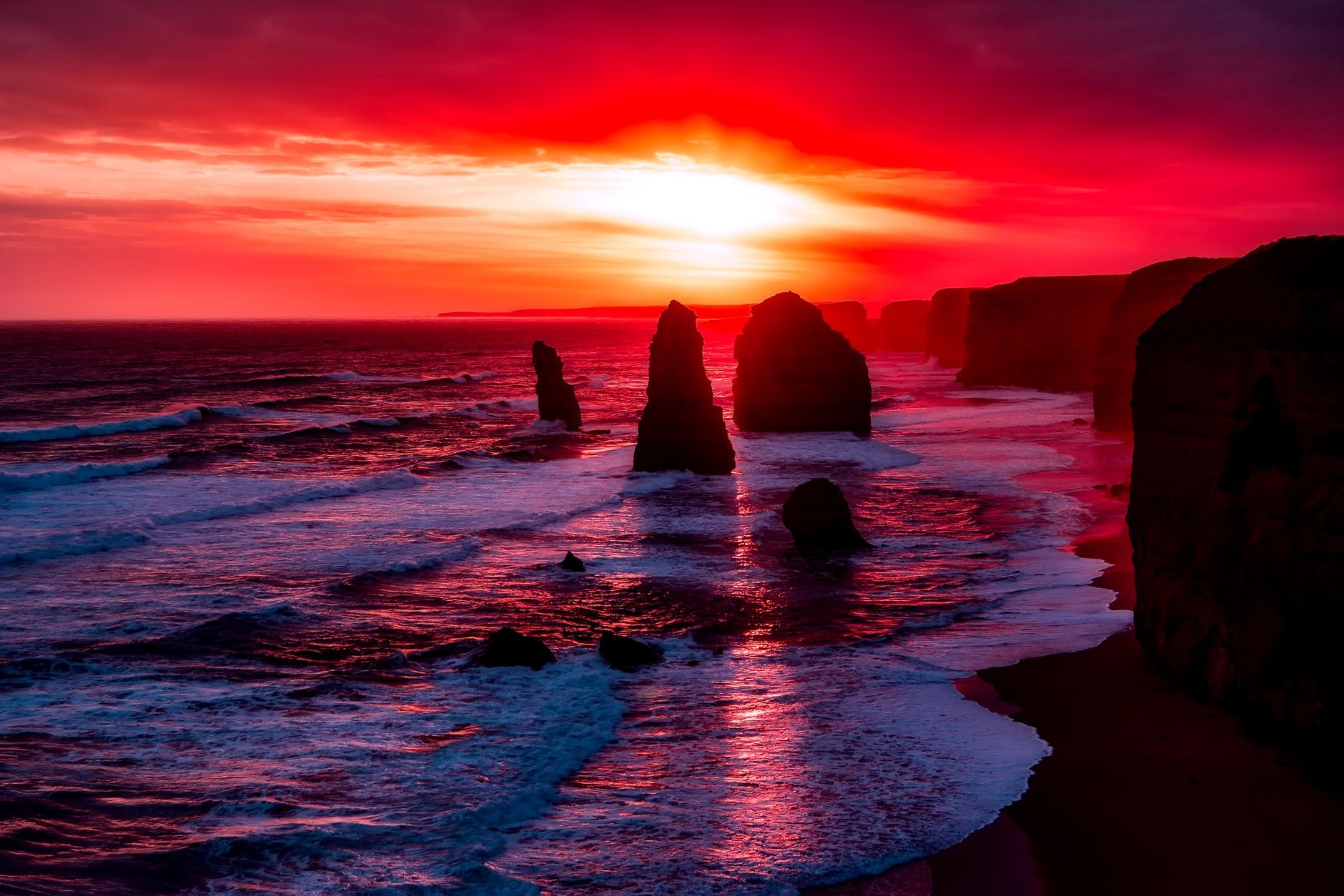
A well-planned Great Ocean Road itinerary takes you along 243 km of Victoria’s dramatic coastline, winding past surf breaks, eucalyptus forests, and towering limestone sea stacks. While many tour buses rush this route in a single, exhausting day, driving yourself over three days is the most practical way to experience it. A slower pace allows you to walk through ancient rainforests, spot wild koalas away from the crowds, and photograph the Twelve Apostles at sunset when the day-trippers have long departed.
Before diving into the route, it helps to understand the basics. The Great Ocean Road (officially the B100) begins in Torquay, about an hour southwest of Melbourne, and ends in Allansford. Built by returned soldiers between 1919 and 1932, it stands as the world’s largest war memorial. If you are planning a trip to Australia, this drive is consistently ranked as one of the premier coastal routes globally.
Essential Planning and Logistics
The road itself is free to drive, with no toll booths along the B100. Your primary expenses will be vehicle hire, fuel, and accommodation. Expect to pay between USD 40 and USD 90 per day for a standard rental car from Melbourne Airport (MEL) or the city centre. Petrol stations are frequent enough, but fuel is generally more expensive in coastal towns like Lorne and Port Campbell. When calculating your overall Australia travel costs, budget around USD 120 to USD 250 per night for a mid-range motel or cabin along the route.
Weather plays a massive role in your experience. Summer (December to February) brings daytime highs around 25°C (77°F), making it perfect for the beach but incredibly crowded. The shoulder seasons of spring and autumn offer quieter roads and temperatures around 18°C (64°F). Winter (June to August) drops to 14°C (57°F) with frequent rain, but the dramatic, stormy seas and empty viewpoints have their own appeal. Choosing the best time to visit Australia depends entirely on whether you prioritise warm weather or empty roads.
Driving Distances at a Glance
| Day | Route | Distance | Approximate Drive Time |
|---|---|---|---|
| Day 1 | Melbourne to Apollo Bay | 195 km | 3 hours |
| Day 2 | Apollo Bay to Port Campbell | 90 km | 1.5 hours |
| Day 3 | Port Campbell to Port Fairy (then inland to Melbourne) | 360 km | 4.5 hours |
Day 1: Surf Coast to Apollo Bay
Pick up your rental car in Melbourne and head southwest on the M1 freeway toward Geelong, then follow the signs to Torquay. This town is the undisputed surfing capital of Victoria and the birthplace of brands like Rip Curl and Quiksilver. Stop at Bells Beach, a legendary surf break that hosts the Rip Curl Pro every Easter. The viewing platforms here offer excellent vantage points to watch surfers tackling the heavy swells.
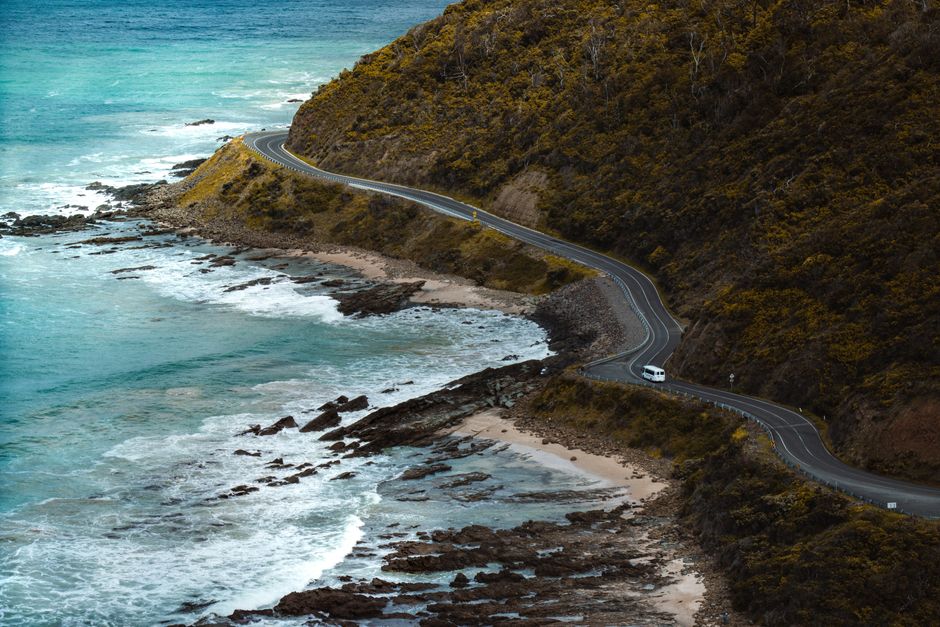
Continue through Anglesea, where you can often spot kangaroos grazing on the local golf course, before stopping at the Memorial Arch at Eastern View. This timber archway marks the historical start of the Great Ocean Road and is a mandatory photo stop. From here, the road begins to hug the cliff edge, providing spectacular views of the Bass Strait as you twist and turn toward the town of Lorne.
Lorne is an ideal lunch stop. Grab a pie or a sausage roll from the local bakery and take a walk along the foreshore. If you have time, take the 10 km detour inland to Erskine Falls. A short but steep walk of 230 steps takes you to the base of this 30-metre cascade surrounded by lush tree ferns. Back on the coastal road, drive another hour to Kennett River. Turn onto Grey River Road and look up into the eucalyptus trees—this is one of the most reliable spots in Victoria to see wild koalas.
End your first day in Apollo Bay, a relaxed fishing village that makes a perfect overnight base. The town has a wide sandy beach, a handful of excellent seafood restaurants, and a well-stocked supermarket to grab supplies for the next day.
Day 2: Rainforests and the Shipwreck Coast
Leaving Apollo Bay, the road turns inland, climbing into the Great Otway National Park. The coastal scrub is suddenly replaced by towering mountain ash trees and dense myrtle beech rainforest. Stop at Maits Rest, a 1 km circular boardwalk that takes you through a shaded, ancient fern gully. The walk takes about 30 minutes and is entirely flat, making it an easy morning stretch.
Further along, take the turnoff for the Cape Otway Lightstation. Built in 1848, it is the oldest surviving lighthouse on mainland Australia. Entry costs around USD 15, allowing you to climb to the observation deck for panoramic ocean views. This coastline is notoriously treacherous and is known as the Shipwreck Coast for good reason.
In the afternoon, the road returns to the coast and enters Port Campbell National Park, home to the limestone formations that make this drive famous. Your first stop should be the Gibson Steps. Here, 86 steps carved into the cliff face lead you down to the sand, where you are dwarfed by two massive offshore limestone stacks known as Gog and Magog. Note that the beach is closed during high tide or rough seas.
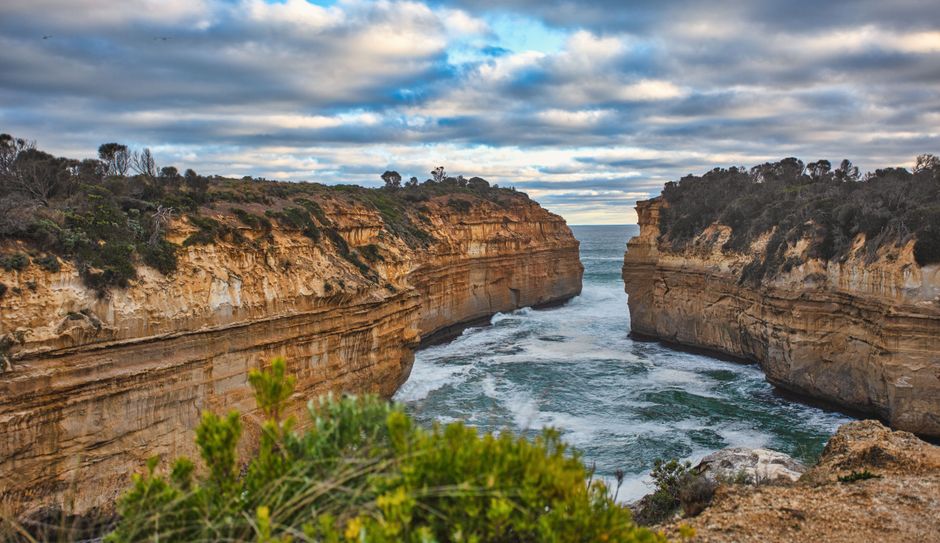
Time your arrival at the Twelve Apostles for late afternoon or early evening. By sunset, the harsh midday light softens, the limestone glows a brilliant orange, and the majority of the tour buses have returned to Melbourne. Just a few minutes down the road is Loch Ard Gorge, named after a clipper ship that ran aground here in 1878. The gorge features a beautiful, enclosed beach and walking trails detailing the history of the shipwreck. Spend the night in the nearby village of Port Campbell.
Day 3: Limestone Arches to Port Fairy
Wake up early in Port Campbell and head west to catch the formations you missed yesterday. The Arch, London Bridge, and The Grotto are all within a 15-minute drive of the town. The Grotto is particularly striking—a sinkhole formation that frames the ocean waves crashing behind it. Further west, the Bay of Islands offers views similar to the Twelve Apostles but with a fraction of the visitors.
The Great Ocean Road officially ends at Allansford, but you should continue another 15 km to Warrnambool. If you are travelling between June and September, stop at Logans Beach, a known nursery area for Southern Right Whales. The viewing platforms here are free and offer a great chance to see mothers and calves resting close to shore.
Drive another 30 minutes west to Port Fairy, a historic fishing port lined with 19th-century cottages. Walk the loop trail around Griffiths Island, which takes about an hour and leads to a picturesque lighthouse. The island is also a breeding ground for short-tailed shearwaters (mutton birds) during the summer months.
To return to Melbourne, take the inland route via the Princes Highway (A1). This drive is a straightforward, dual-carriageway journey that takes about three and a half hours, passing through agricultural land and country towns like Colac. It is much faster than retracing your steps along the winding coastal road.
Driving Tips and Mistakes to Avoid
The most common mistake travellers make is attempting this drive in a single day. A one-day trip requires up to 14 hours of driving and sightseeing, leaving you exhausted and limiting your stops to crowded viewpoints. Another major hazard is driving at dawn, dusk, or after dark. Australian wildlife, particularly kangaroos and wallabies, are highly active during these hours and frequently jump onto the road. If you are wondering, is Australia safe to visit, driving at night in regional areas is one of the few genuine safety risks you need to manage.
Always drive the route from east to west (Melbourne towards Port Campbell). Because Australians drive on the left side of the road, heading west places your vehicle on the ocean side. This provides unobstructed views of the water and makes it significantly easier and safer to pull into the coastal lookout points. Before getting behind the wheel, review our Australia travel tips to familiarise yourself with local road rules, such as navigating hook turns in Melbourne and understanding speed cameras.
Extending Your Trip
The Great Ocean Road is just one piece of the puzzle. If you are building a wider Australia itinerary, consider where to head next. From Melbourne, you can easily catch a flight to the Red Centre; our Uluru travel guide covers everything you need for the outback. Alternatively, you can drive your rental car onto the Spirit of Tasmania ferry in Geelong and cross the Bass Strait. Our Tasmania travel guide details how to explore the island state’s rugged wilderness.
As you plan your travels across Oceania, ensure your paperwork is in order. Most international visitors require a visa before boarding their flight. You can check your specific Australia visa and entry requirements online. For citizens of the US, UK, and many European nations, the process is straightforward; read our guide on the Australia ETA and eVisitor to get your authorisation sorted quickly.
Plan Your Trip
Book your rental car and coastal accommodation well in advance, especially if you are travelling between December and February. Pack layers, as the Southern Ocean weather can shift rapidly from hot sun to cold coastal winds in a matter of hours. By giving yourself three full days, you will trade the stress of the tour bus schedule for the freedom to explore Victoria’s most spectacular coastline at your own pace.