Figuring out your Australia trip cost requires looking closely at your travel style, route, and pace. On average, a mid-range traveller should budget between $180 and $280 USD per day for accommodation, food, transport, and activities. Budget backpackers can manage on $90 to $130 USD a day, while luxury trips easily exceed $500 USD daily.
Because Australia is vast, your expenses will shift depending on whether you spend your time in major cities like Sydney and Melbourne, or head into regional areas. This guide breaks down the typical expenses you will face on the ground, so you can plan a realistic budget for your time Down Under.
Australia Trip Cost: Daily Budget Breakdown
To give you a baseline for your Australia trip cost, here is a quick overview of what you can expect to spend per person, per day. These figures are in USD and assume you are sharing double accommodation costs with a travel partner.
| Expense Category | Budget (Backpacker) | Mid-Range (Standard) | Luxury (Premium) |
|---|---|---|---|
| Accommodation | $35 – $55 | $80 – $125 | $200+ |
| Food & Drink | $30 – $45 | $60 – $90 | $150+ |
| Transport | $10 – $15 | $20 – $40 | $50+ |
| Activities | $15 – $20 | $20 – $40 | $100+ |
| Total Daily Budget | $90 – $135 | $180 – $295 | $500+ |
Flights to Australia
Your international airfare will likely be the largest single expense. Because Australia sits at the edge of the Pacific, flights from North America and Europe require long-haul routes. If you are travelling from the United States, expect to pay between $1,000 and $1,800 USD for a return economy ticket from Los Angeles or San Francisco to Sydney (SYD) or Melbourne (MEL). Flights from the UK usually range from $1,200 to $2,200 USD, often routing through hubs like Singapore or Dubai.
Prices peak during the Australian summer (December to February) and around major holidays. Booking four to six months in advance usually yields the best rates. If you are planning to explore more of the region, read our Oceania guide to see how you might combine flights with nearby destinations like New Zealand or Fiji.
Accommodation Prices
Accommodation in Australia covers everything from remote outback campsites to five-star harbourside hotels. In major cities, space is at a premium, pushing prices higher than in regional towns.
Hostels and Budget Stays
Australia has a massive backpacking culture. A bed in a shared dorm at a YHA or independent hostel costs between $30 and $55 USD per night. Private rooms in these hostels usually sit around $80 to $120 USD. If you rent a campervan, unpowered campsites in national parks cost about $10 to $20 USD per night, while commercial holiday parks charge $30 to $50 USD for a powered site.
Mid-Range Hotels and Apartments
For a standard double room in a three- or four-star hotel, expect to pay between $150 and $250 USD per night. Brands like Mantra, Meriton Suites, and Rydges offer reliable mid-range options across the country. In regional areas, classic Australian motor inns are common and usually cost $100 to $150 USD per night. These often include basic kitchenettes, which helps keep food costs down.
Holiday rentals and apartments are incredibly popular along the coast and in major cities. A one-bedroom apartment in a central neighbourhood like Surry Hills in Sydney or Fitzroy in Melbourne typically costs $130 to $220 USD per night. These are ideal for stays longer than a few days, as having access to a washing machine and a full kitchen significantly cuts down on your daily expenses.
Luxury Accommodation
Five-star city hotels, boutique lodges, and luxury island resorts start at around $350 USD per night and can quickly climb past $800 USD. Properties overlooking Sydney Harbour or eco-lodges near the Great Barrier Reef command the highest premiums.
Food and Drink Costs
Eating out in Australia is a highlight, thanks to fresh produce and a strong cafe culture. However, dining costs can add up quickly if you eat at restaurants for every meal.
- Breakfast and Coffee: A flat white coffee costs about $4 to $5 USD. A cafe breakfast, such as smashed avocado on sourdough or corn fritters, will set you back $15 to $25 USD.
- Lunch: Grabbing a quick bakery meat pie, a sushi hand roll, or a sandwich costs between $6 and $12 USD. A sit-down cafe lunch ranges from $18 to $30 USD.
- Dinner: A classic pub meal—like a chicken parmigiana or a steak with chips—costs $18 to $28 USD. Mid-range restaurant dinners average $40 to $70 USD per person, excluding alcohol. Fine dining tasting menus start around $120 USD per person.
- Club Meals: For a cheap and cheerful dinner, look for local surf clubs or RSL (Returned and Services League) clubs in coastal towns. They offer hearty bistro meals like battered flathead and chips for $15 to $20 USD, often with a spectacular ocean view.
- Groceries: Shopping at major supermarkets like Coles, Woolworths, or Aldi is the best way to save. A week’s worth of basic groceries for two people costs about $80 to $120 USD.
- Alcohol: High taxes make alcohol expensive. A pint of beer in a pub costs $8 to $12 USD. A glass of wine in a restaurant is usually $10 to $15 USD. Buying a bottle of local wine from a bottle shop (liquor store) costs $12 to $25 USD.
Getting Around: Transport Expenses
Australia is roughly the size of the contiguous United States, so getting between major destinations usually requires flying. Domestic carriers like Qantas, Virgin Australia, and Jetstar operate frequent routes. A one-way flight from Sydney to Melbourne or Brisbane typically costs $60 to $150 USD, depending on how early you book and whether you fly with a budget airline.
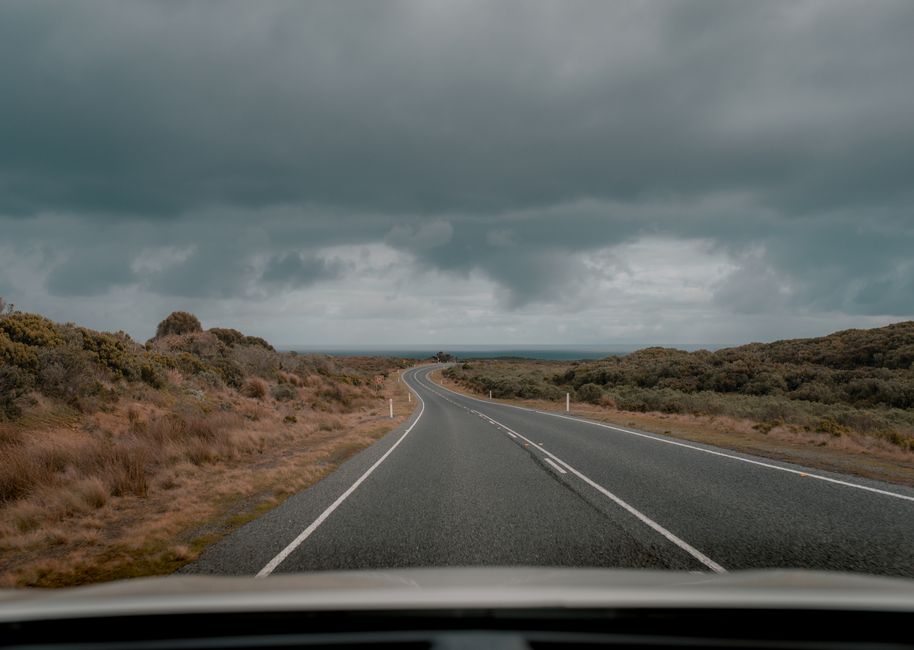
If you prefer to drive, renting a standard car costs $40 to $80 USD per day. Petrol (gas) prices fluctuate but generally sit around $1.30 to $1.50 USD per litre. A road trip is the best way to tackle routes like the Great Ocean Road itinerary or to explore the rugged landscapes in our Tasmania Travel Guide.
If you have more time than money, long-distance buses like Greyhound Australia are a budget-friendly way to travel the East Coast. A hop-on, hop-off pass from Sydney to Cairns costs around $300 to $400 USD. Australia also has iconic long-haul trains, such as The Ghan and the Indian Pacific. However, these are luxury rail journeys rather than practical transit options, with tickets often exceeding $1,500 USD for a multi-day trip.
Within the cities, public transport is efficient and uses contactless payment systems. In Sydney, the Opal network caps daily fares at around $11.50 USD on weekdays and $5.80 USD on weekends. Melbourne’s Myki system has a daily cap of about $7 USD. Rideshare apps like Uber and Didi operate in all major cities, with a 15-minute ride costing roughly $15 to $25 USD.
Activities and Tours
Your activity budget will depend heavily on your interests. Many of Australia’s best attractions—its beaches, coastal walks, and botanical gardens—are completely free. However, bucket-list experiences require a solid budget.
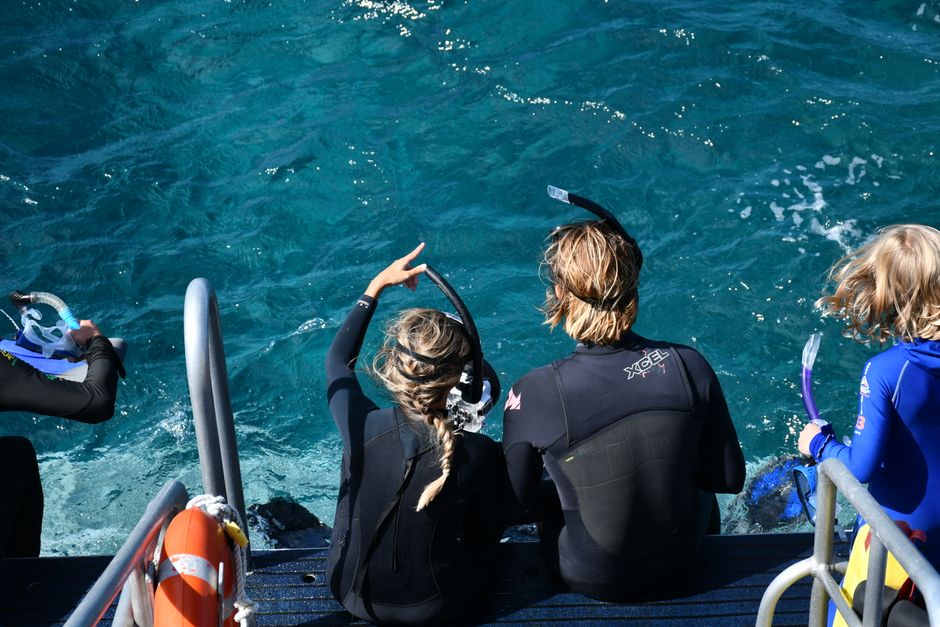
- Great Barrier Reef: A full-day snorkelling cruise from Cairns or Port Douglas costs $150 to $250 USD per person. Scuba diving add-ons usually cost an extra $50 to $80 USD.
- Sydney Harbour BridgeClimb: This iconic experience ranges from $220 to $280 USD, with twilight climbs being the most expensive.
- National Parks: Entry fees vary by state. In New South Wales, vehicle entry to popular parks is around $8 to $10 USD per day. If you are heading to the Red Centre, read our Uluru Travel Guide; a three-day park pass costs about $25 USD per person.
- Wildlife Experiences: General entry to a wildlife sanctuary like Lone Pine Koala Sanctuary in Brisbane or Taronga Zoo in Sydney costs about $30 to $40 USD. A dedicated wildlife tour, such as a trip to Phillip Island to see the Penguin Parade, requires budgeting around $90 to $130 USD including transport from Melbourne.
Sample Australia Trip Cost for 1 and 2 Weeks
To help you visualize your total expenses, here are sample budgets for mid-range travellers. These estimates exclude international flights but include domestic transport, accommodation, food, and a mix of paid and free activities. For route ideas, check out our Australia Itinerary: 7, 10 and 14 Days.
One Week in Australia
If you spend seven days splitting your time between Sydney and Melbourne, expect to spend around $1,400 to $1,800 USD per person. This covers mid-range hotels, daily cafe breakfasts, pub lunches, a few nice restaurant dinners, public transport, one domestic flight, and paid activities like the BridgeClimb or a Yarra Valley wine tour.
Two Weeks in Australia
A 14-day trip that adds the Great Barrier Reef and the Red Centre will push your per-person budget to $3,200 to $4,000 USD. The increase accounts for the higher cost of multiple domestic flights, specialised tours (like reef cruises and outback guides), and slightly higher accommodation rates in remote areas like Yulara.
Money Matters: Currency, Cards and Tipping
Australia uses the Australian Dollar (AUD). The country is almost entirely cashless. You can use credit and debit cards (Visa and Mastercard are universally accepted; Amex is common but sometimes incurs a surcharge) for everything from a $4 coffee to a train fare. Contactless payment, locally known as tap-and-go, is the standard.
It is still wise to carry about $50 to $100 AUD in cash for small purchases at rural roadhouses or local markets. ATMs are everywhere, though independent machines in pubs or convenience stores will charge a withdrawal fee of $2 to $3 USD.
Tipping is not mandatory or expected in Australia. Hospitality workers earn a high minimum wage. If you receive exceptional service at a high-end restaurant, leaving a 10% tip is appreciated but never required. You do not need to tip taxi drivers, bar staff, or cafe workers.
Visas and Pre-Trip Costs
Before you board your flight, you must secure the correct travel authorization. Most US, UK, and Canadian citizens will need an Electronic Travel Authority (ETA) or an eVisitor visa. These are processed quickly via an official app or website. To understand the exact fees and application process, review our guide on Australia ETA and eVisitor Explained, as well as the broader Australia Visa and Entry Requirements.
You should also factor in comprehensive travel insurance. While Australia has excellent healthcare, medical treatment for non-residents is expensive. For peace of mind regarding health, weather, and wildlife, read our breakdown: Is Australia Safe to Visit? Safety Tips for Travellers.
Practical Ways to Save Money
Australia is an expensive destination, but you can stretch your budget with a few strategic choices.
- Travel in the shoulder seasons: Visiting in spring (September to November) or autumn (March to May) offers excellent weather and lower accommodation rates. Temperatures sit comfortably around 20°C to 25°C (68°F to 77°F), making it perfect for sightseeing without the peak summer surcharges. Read our guide on the Best Time to Visit Australia: Weather and Seasons by Region to plan your timing.
- Cook your own meals: Booking an apartment or a motel with a kitchenette allows you to prepare breakfast and dinner. Supermarket staples are reasonably priced.
- Take advantage of free nature: The best of Australia is outdoors. Hiking in the Blue Mountains, swimming at Bondi Beach, or walking the Brisbane Riverwalk costs nothing.
- Watch for domestic flight sales: Jetstar and Virgin Australia frequently run weekly sales. Sign up for their newsletters a few months before your trip. For more logistics, see our Australia Travel Tips: What to Know Before You Go.
Plan Your Trip
Calculating your Australia trip cost is the first step toward making your journey a reality. By mixing free outdoor activities with a few splurge experiences, you can manage your budget without missing out on the country’s highlights. Once you know your daily limit, head over to our comprehensive Australia guide to start building your perfect itinerary.