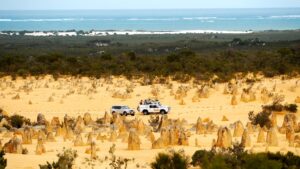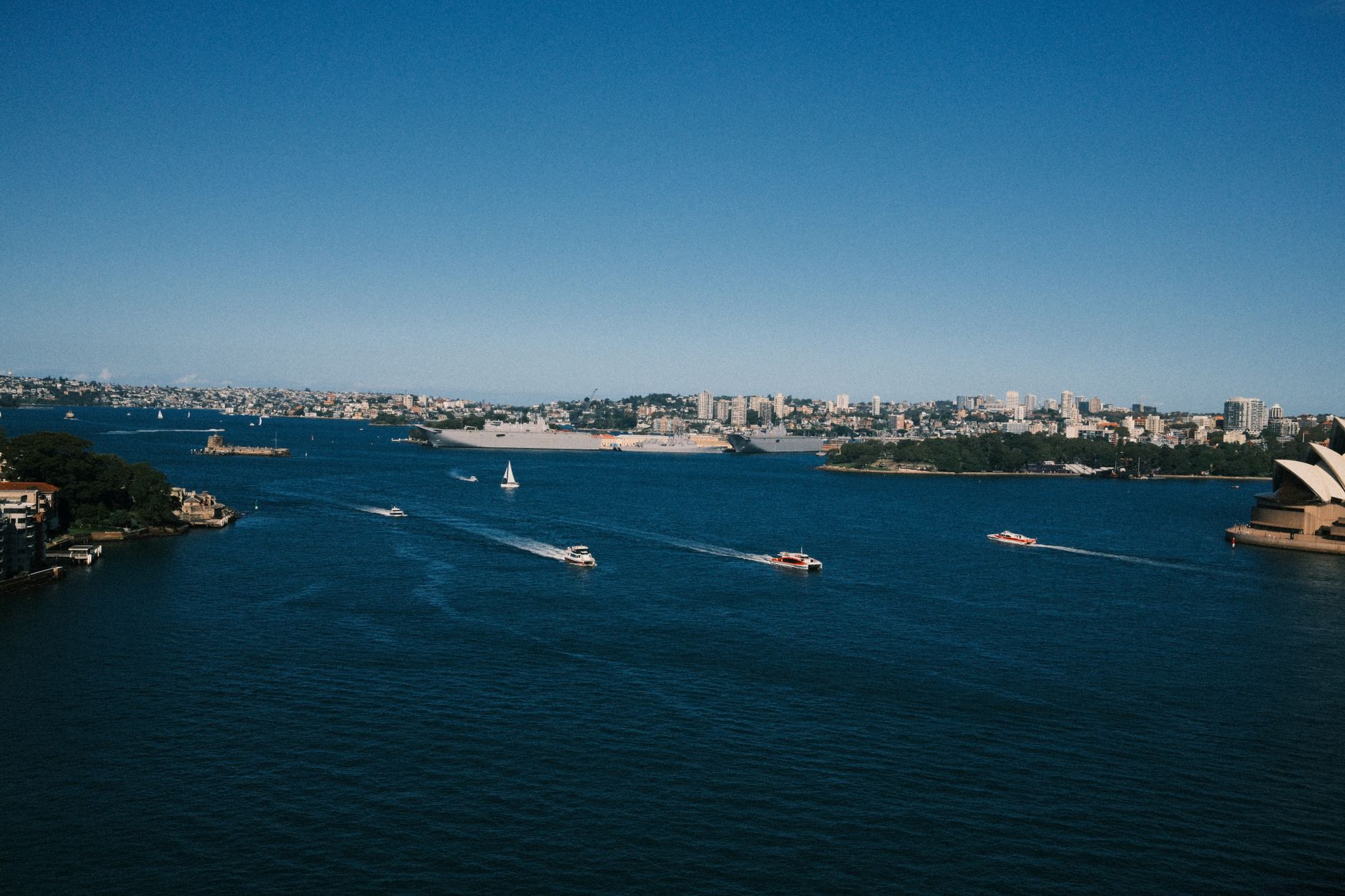
When planning a trip Down Under, understanding the sheer scale of the country is your first priority. These practical australia travel tips will help you navigate the logistics, from securing the right entry documents to moving between major cities without exhausting your budget. If your trip focuses on the east coast beaches or heads deep into the outback, preparation is key.
This comprehensive guide covers everything you need to know before you board your flight. You will find specific advice on local transport apps, navigating the cashless society, and avoiding the common pitfalls that catch out first-time visitors to this part of Oceania. Read on to build a solid foundation for your Australia guide planning.
Essential Australia Travel Tips
Before you pack your bags, you must sort out your entry requirements. Most international visitors cannot simply arrive at the border; you need to arrange an electronic visa in advance. Depending on your passport, you will apply for either an ETA (Subclass 601) or an eVisitor (Subclass 651). Understanding the difference between the Australia ETA and eVisitor is crucial, as the application processes vary.
Currently, the ETA must be applied for using the official Australian ETA smartphone app, which incurs a $20 AUD (approx. $13 USD) service fee. The eVisitor is free and can be done via the government website. Always verify the latest Australia visa requirements well before your departure date to avoid boarding denials.
Australia’s biosecurity and border control laws are famously strict. You must declare any food, plant material, wooden souvenirs, or outdoor equipment on your incoming passenger card. This includes items like dirty hiking boots or camping gear. Failing to declare items can result in on-the-spot fines exceeding $400 USD. If you are in doubt about an item in your luggage, always declare it to the customs officers.
Another major factor is the sun. The UV index in Australia is notoriously high due to the lack of ozone cover. You can burn in less than 15 minutes on a cloudy day in Sydney or Brisbane. Do not bring sunscreen from home; buy it locally at a pharmacy or supermarket. Australian sunscreen is strictly regulated by the Therapeutic Goods Administration to withstand local conditions. Look for SPF 50+ broad-spectrum and remember the local slogan: Slip, Slop, Slap, Seek, and Slide.
Finally, understand that the weather varies wildly depending on the region and the month. The tropical north, including Cairns and Darwin, experiences a wet season (November to April) characterised by high humidity and heavy rainfall. Meanwhile, southern cities like Melbourne and Hobart can be bitterly cold in July, with temperatures dropping to 6°C (43°F). Researching the best time to visit Australia is essential for packing correctly.
Money, SIM Cards and Apps
Australia is largely a cashless society. You can tap your credit or debit card for almost everything, from a $3 to $5 USD flat white at a Melbourne cafe to a ferry ride across Sydney Harbour. Visa and Mastercard are accepted everywhere, while American Express is less common and often attracts higher surcharges. Expect a standard card surcharge of 1% to 1.5% at many businesses. If you want to know exactly how much an Australia trip costs, factor these small surcharges into your daily budget.
If you plan to do significant shopping, keep the Tourist Refund Scheme (TRS) in mind. If you spend over $300 AUD (approx. $195 USD) at a single business within 60 days of your departure, you can claim the 10% Goods and Services Tax back at the airport before you fly home.
Staying connected is easy, but coverage varies by provider. Telstra operates the largest mobile network and is the only sensible choice if you are heading into regional areas, the outback, or driving long distances. Optus is the second-largest and works perfectly well if you are sticking to major cities like Sydney, Brisbane, and Adelaide. You can purchase a physical prepaid SIM at international arrival halls, or download an eSIM via providers like Airalo before you land.
Must-Download Apps for Your Trip
- BOM Weather: The official Bureau of Meteorology app. It is the most accurate source for rain radars, severe weather warnings, and UV indexes.
- Beachsafe: Run by Surf Life Saving Australia. It shows which beaches are currently patrolled by lifeguards, live hazard warnings, and tide times.
- Uber and Didi: Both rideshare apps operate in all major cities. Didi is often slightly cheaper than Uber.
- Local Transit Apps: Download Opal Travel for Sydney, PTV for Melbourne, and MyTranslink for Brisbane and the Gold Coast to plan public transport routes.
Etiquette Dos and Don’ts
Tipping is not a part of Australian culture. Hospitality workers receive a high minimum wage, meaning the price on the menu is the price you pay. If you receive exceptional service at a high-end restaurant in Sydney or Melbourne, leaving a 10% tip is appreciated but never expected. You do not need to tip taxi drivers, bartenders, or cafe staff. If you pay with cash, simply leaving the loose change is sufficient.
Speaking of cafes, do not expect standard drip coffee. Australia has a world-class espresso culture. Order a flat white, a long black, or a macchiato. Independent cafes reign supreme, and large international coffee chains are largely ignored by locals.
When visiting the coast, beach safety etiquette is non-negotiable. Always swim between the red and yellow flags. These flags indicate the area actively monitored by lifeguards and clear of dangerous rip currents. If a beach is unpatrolled, think twice before swimming, especially if you are not a strong ocean swimmer. In northern Queensland, observe all crocodile and marine stinger warning signs; swimming in the ocean during stinger season (November to May) requires a full-body Lycra suit.
Respect for Indigenous culture is highly valued. When visiting significant sites, pay attention to local guidelines. For example, climbing Uluru was permanently banned in 2019 out of respect for the Anangu people. Reading a dedicated Uluru travel guide will help you understand the cultural significance of the Red Centre and how to visit respectfully.
Transport Tips for Getting Around
The distance between major Australian destinations is vast. Driving from Sydney to Cairns covers over 2,400 km and takes at least two weeks to do properly. To maximize your time, you will need to rely on domestic flights. Qantas, Virgin Australia, and Jetstar operate frequent routes between the capitals. Book domestic flights at least a month in advance, especially if you are travelling during Australian school holidays (January, April, July, and September). A well-structured Australia itinerary will balance flying long distances with shorter regional road trips.
When booking budget airlines like Jetstar, be aware that their 7kg carry-on limit is strictly enforced at the gate. Pay for checked baggage in advance, as airport fees are exorbitant.
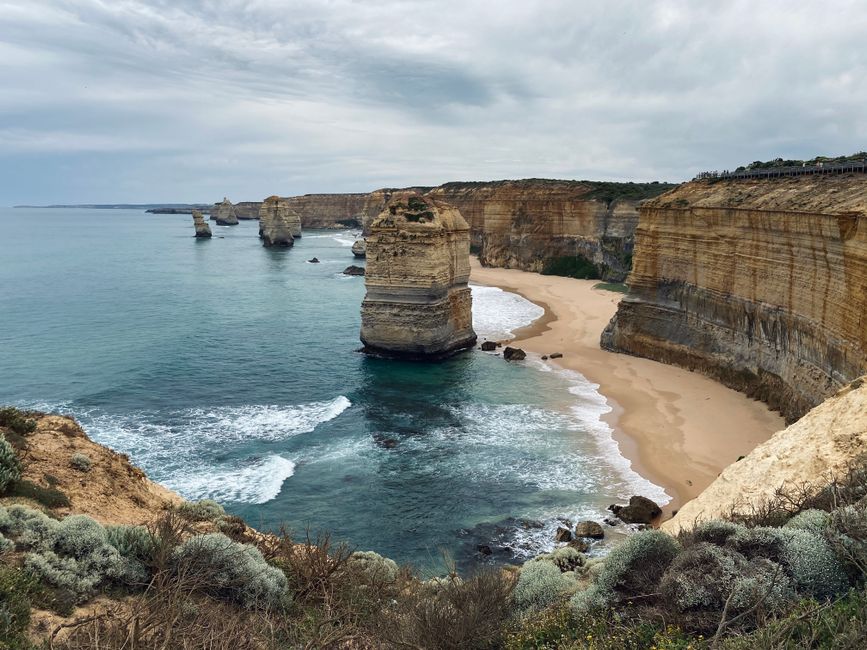
If you plan to hire a car, remember that Australians drive on the left side of the road. Speed limits are strictly enforced by hidden speed cameras, and fines are hefty. When driving outside of major cities, avoid driving at dawn, dusk, or after dark. This is when native wildlife, particularly kangaroos and wallabies, are most active and likely to jump onto the highway. If you are planning a scenic drive, the Great Ocean Road itinerary offers spectacular coastal views, but requires careful navigation of winding roads.
Public Transport in Major Cities
| City | System Name | Payment Method |
|---|---|---|
| Sydney | Opal Network (Trains, Buses, Ferries) | Contactless credit card or Opal card |
| Melbourne | Myki (Trains, Trams, Buses) | Myki card (Free Tram Zone in CBD) |
| Brisbane | Translink (Trains, Buses, Ferries) | Go Card or contactless credit card |
Mistakes First-Timers Make
The most common mistake visitors make is trying to see the entire continent in two weeks. Flying from Sydney to the Great Barrier Reef, then down to Melbourne, and across to Perth leaves you exhausted and spending half your trip in airports. Focus on two or three regions. If you have 10 days, stick to the East Coast or explore the southern highlights.
Another error is assuming all Australian wildlife is out to get you. While the country is home to venomous snakes and spiders, you are highly unlikely to encounter them in urban areas like Sydney or Brisbane. Basic common sense, like shaking out your shoes if left outside and not walking through long grass in the bush, is all you need. Reading up on whether it is safe to visit Australia will reassure you that the cities are incredibly secure and the wildlife is manageable.
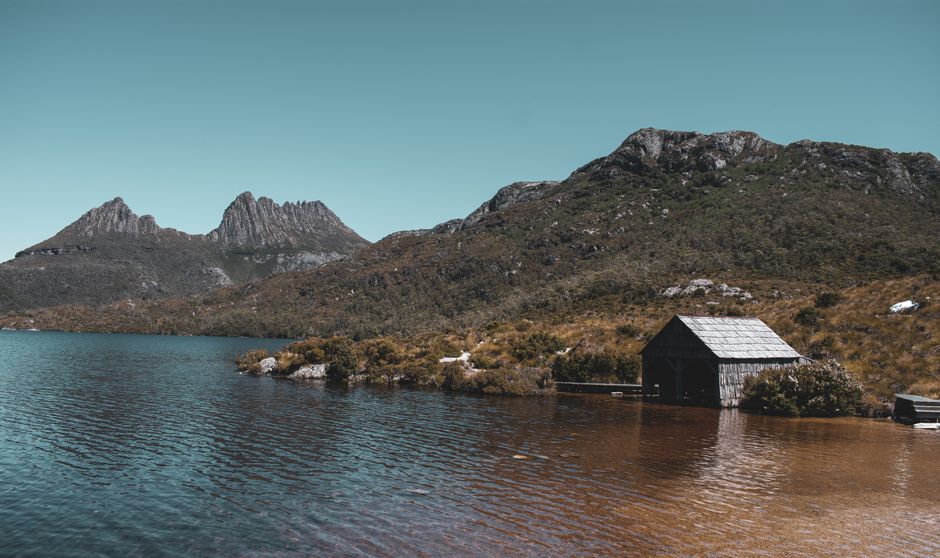
Finally, many travellers skip the southern island state entirely. While the mainland offers iconic deserts and reefs, heading south provides rugged mountains, pristine wilderness, and world-class food and wine. Adding a Tasmania travel guide to your reading list might convince you to swap a crowded mainland beach for the dramatic landscapes of Cradle Mountain or Wineglass Bay.
Plan Your Trip
Preparation is the secret to a seamless Australian adventure. Start by securing your ETA or eVisitor visa, mapping out realistic distances between your chosen destinations, and downloading essential apps like BOM Weather and Beachsafe. Pack layers to handle regional temperature changes, buy your sunscreen upon arrival, and embrace the laid-back, cashless culture. By focusing on a few key regions rather than rushing across the continent, you will experience the best of what this massive country has to offer.