If you are wondering, is Australia safe to visit, the short answer is yes. Consistently ranking as one of the safest countries in the world, it offers a secure environment for solo travellers, families, and backpackers alike. Violent crime is rare, and political stability is high.
However, safety here looks different than in many other destinations. The primary threats do not come from people, but from the environment. The sun is intensely harsh, the ocean currents are powerful, and the distances between towns can be dangerously vast. Understanding how to navigate these natural elements is the key to a secure trip.
This guide covers everything you need to know to protect yourself, your belongings, and your health. For a broader overview of the region, start with our Oceania guide, or dive straight into our comprehensive Australia guide to begin planning your route.
Is Australia Safe from Crime and Scams?
Violent crime against tourists is exceptionally rare in Australia. You can walk through the central business districts (CBDs) of Sydney, Melbourne, Brisbane, and Perth during the day with minimal concern. Gun control laws are strict, and weapons-related offences are uncommon.
Petty crime, such as pickpocketing and bag snatching, does happen, though at lower rates than in major European cities. Keep an eye on your belongings in crowded tourist hubs like Circular Quay in Sydney or the Queen Victoria Market in Melbourne. Thieves occasionally target rental cars parked at popular trailheads or remote beaches, so never leave valuables visible on the seats.
Scams targeting tourists are relatively rare, but backpackers and working holidaymakers should be cautious. Fake rental accommodation listings are a known issue in tight housing markets like Sydney and the Gold Coast. Always use reputable booking platforms and never wire money to an overseas bank account for a deposit. Card skimming at ATMs occurs occasionally; use machines located inside bank branches rather than standalone units on the street.
If you are budgeting for your trip and want to avoid being overcharged by unofficial operators, read our breakdown on Australia Travel Cost: How Much Does a Trip Cost? to understand standard prices for tours, food, and transport.
Regions to Take Care In
There are no active conflict zones or “no-go” areas in Australia, but certain neighbourhoods require extra awareness, particularly late at night. Entertainment precincts known for heavy alcohol consumption can become rowdy. Exercise standard caution in areas like Kings Cross in Sydney, Fortitude Valley in Brisbane, and Northbridge in Perth after midnight.
In regional and remote areas, the safety dynamics shift. Alice Springs, a common transit hub for outback tours in the Northern Territory, has experienced ongoing issues with youth property crime and vehicle theft. If you are staying overnight, ensure your accommodation has secure parking, keep your doors locked, and avoid walking alone through the town centre after dark.
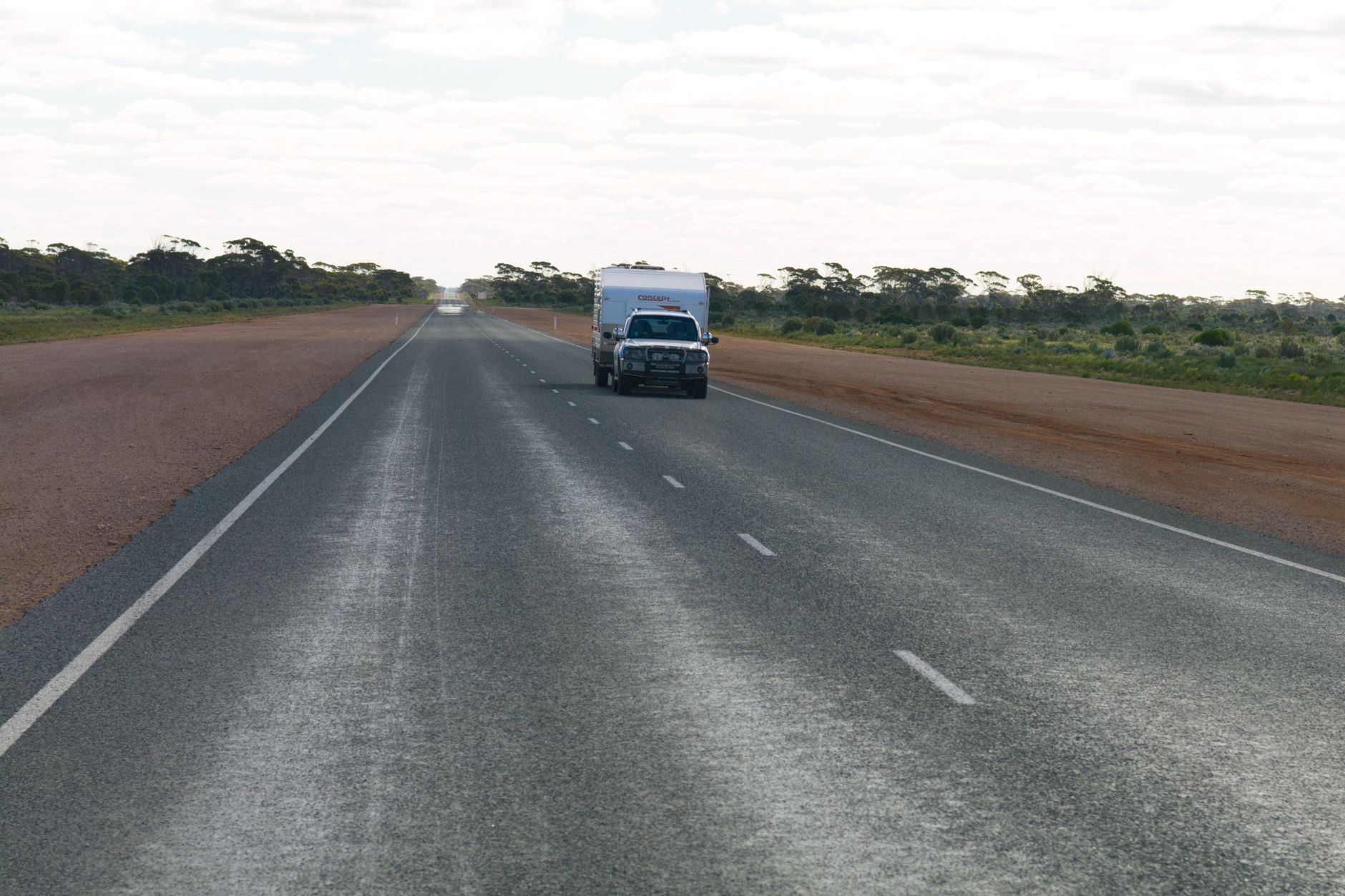
The most significant regional danger is the sheer isolation of the Australian Outback. If you are driving the Stuart Highway or crossing the Nullarbor Plain, you will face stretches of hundreds of kilometres without mobile phone reception, fuel, or water. A vehicle breakdown here can quickly become a life-threatening emergency. For specific advice on navigating the Red Centre safely, consult our Uluru Travel Guide.
Driving Safety and Road Rules
Australians drive on the left side of the road. Speed limits are strictly enforced by fixed cameras, mobile units, and highway patrols. Fines for speeding or using a mobile phone while driving are severe, often exceeding $250 to $700 USD depending on the state.
Fatigue is a leading cause of road fatalities. The distances are deceptive; driving from Sydney to Melbourne takes at least nine hours without stops. Plan to swap drivers or take a 15-minute break every two hours. If you are tackling scenic but winding routes, such as those detailed in our Great Ocean Road Itinerary, factor in extra time for slow-moving traffic and sharp coastal bends.
Outback Driving Precautions
- Avoid driving at dawn, dusk, or night: Kangaroos, emus, and wandering cattle are highly active during these times and frequently collide with vehicles, causing catastrophic damage.
- Carry emergency supplies: Always travel with a minimum of 10 litres of drinking water per person, extra food, and a first aid kit.
- Stay with your vehicle: If you break down in a remote area, never leave your car to walk for help. A vehicle provides shade and is much easier for search planes to spot.
- Understand unsealed roads: Many rental car agreements prohibit driving on unsealed (dirt or gravel) roads. Check your contract before turning off the tarmac.
Beach and Ocean Hazards
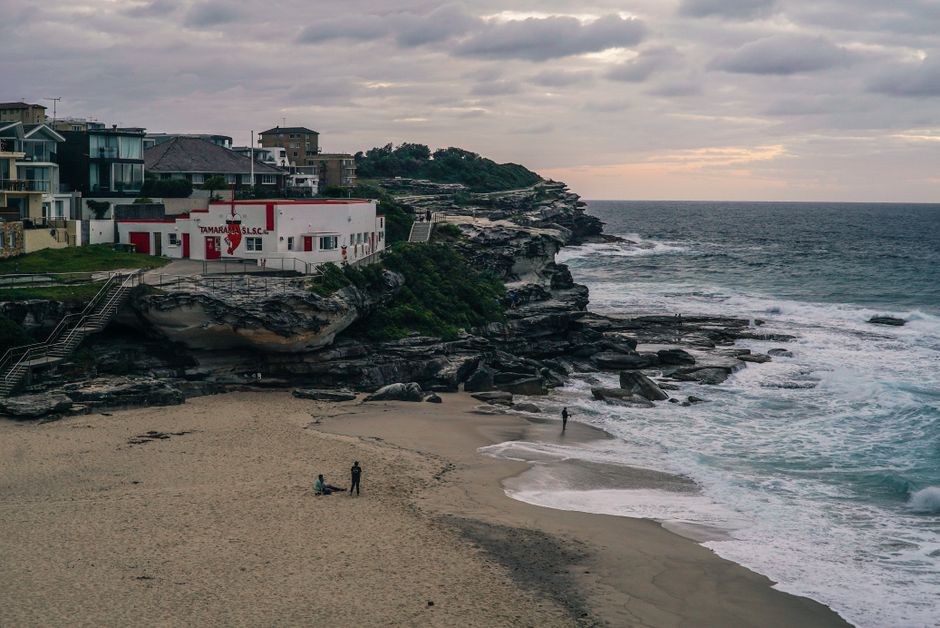
Australia boasts some of the world’s most beautiful beaches, but the ocean here is powerful and unforgiving. The greatest risk to swimmers is not marine life, but rip currents—strong, narrow channels of fast-moving water that pull swimmers away from the shore.
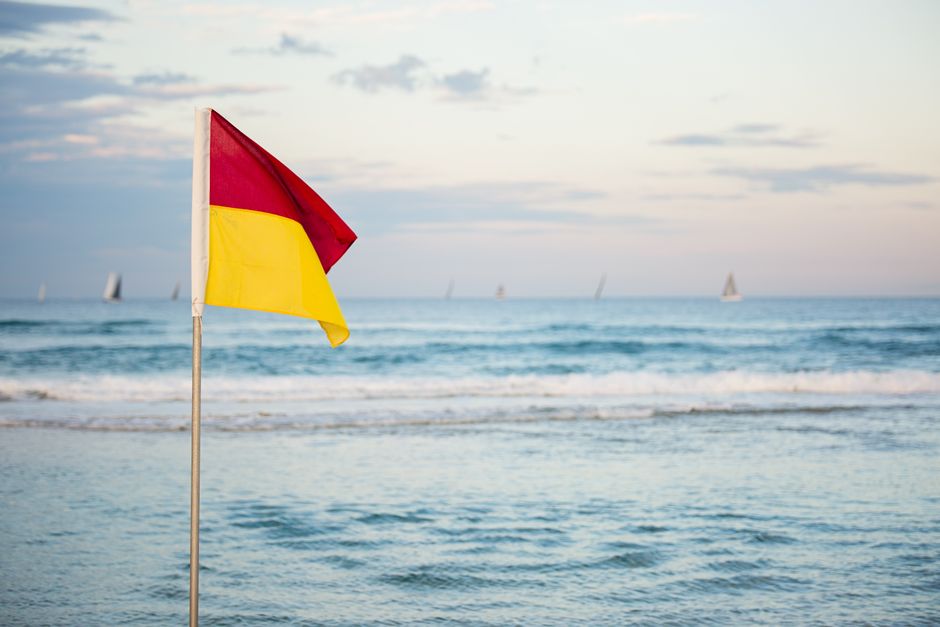
Always swim at patrolled beaches between the red and yellow flags. These flags indicate the area actively monitored by Surf Life Saving Australia volunteers or professional lifeguards. If you are caught in a rip, do not panic or swim against it. Float on your back, raise one arm to signal for help, and let the current carry you until it dissipates, then swim parallel to the shore.
Marine Stingers and Crocodiles
In the tropical waters of Queensland, the Northern Territory, and northern Western Australia, marine stingers (Box jellyfish and Irukandji) are a serious threat. Stinger season generally runs from October to May. During this time, you must wear a full-body lycra stinger suit to enter the ocean, or stick to public swimming pools and netted enclosures.
Saltwater crocodiles inhabit the coastal and estuarine waters of the “Top End” (northern Australia). They are highly aggressive and territorial. Never swim in unmarked rivers, creeks, or beaches in crocodile territory. Always obey the yellow “Be Crocwise” warning signs. If there is no sign, do not assume the water is safe.
Health Risks, Sun Safety, and Vaccinations
Australia has a world-class healthcare system. Tap water is safe to drink everywhere, and food hygiene standards are strictly regulated. There are no mandatory vaccinations for entry unless you are arriving within six days of visiting a Yellow Fever infected country.
The most immediate health risk is the sun. Due to a thinning ozone layer over the southern hemisphere, the UV index in Australia is extreme. Sunburn can occur in less than 15 minutes, even on cloudy days. Summer temperatures frequently exceed 35°C (95°F) and can push past 40°C (104°F) in the outback. Apply SPF 50+ broad-spectrum sunscreen daily, wear a wide-brimmed hat, and seek shade during the middle of the day.
Mosquito-borne illnesses, such as Ross River virus and Barmah Forest virus, are present in regional areas, particularly after heavy rainfall. Dengue fever outbreaks occasionally occur in Far North Queensland. Protect yourself by using insect repellent containing DEET or Picaridin, especially at dawn and dusk.
Medical care for tourists is expensive. Unless your home country has a reciprocal healthcare agreement with Australia (such as the UK or New Zealand), you will be liable for all medical costs. Comprehensive travel insurance covering medical evacuation is non-negotiable.
Natural Hazards, Weather, and Seasons
Australia experiences extreme weather events that vary drastically by region and season. Bushfires are a severe threat during the summer months (December to February), particularly in heavily forested areas of New South Wales, Victoria, and South Australia. If you are travelling during fire season, download the local state emergency app (such as Hazards Near Me in NSW or VicEmergency) and monitor Fire Danger Ratings daily.
In the tropical north, the wet season (November to April) brings monsoonal rains and cyclones. Flooding can cut off major highways for days or weeks. Always check road conditions with local authorities before setting out. Even in southern regions, weather can change rapidly. If you are hiking, read our Tasmania Travel Guide for advice on preparing for sudden temperature drops and alpine blizzards, which can occur even in summer.
To plan your trip around the safest and most comfortable weather conditions, review our guide on the Best Time to Visit Australia: Weather and Seasons by Region.
Wildlife: Snakes and Spiders
Australia is famous for its venomous wildlife, including the Eastern Brown Snake, the Sydney Funnel-web Spider, and the Redback Spider. However, the danger is heavily exaggerated in popular culture. Fatalities from spider and snake bites are incredibly rare, largely due to the widespread availability of antivenom and excellent emergency medical response.
Snakes are shy and will generally avoid humans. If you see one on a hiking trail, stop, back away slowly, and give it space to escape. Never attempt to touch or provoke a snake. To minimise risk, wear sturdy enclosed shoes and long trousers when walking through long grass or bushland, and shake out your boots before putting them on if they have been left outside.
Visas and Entry Preparation
A crucial part of a safe and stress-free trip is ensuring your paperwork is in order before you arrive. Australian Border Force is notoriously strict. Arriving without the correct visa will result in immediate deportation.
Most tourists require an Electronic Travel Authority (ETA) or an eVisitor visa. The application process is entirely digital and linked to your passport. For a detailed breakdown of the application process, read Australia ETA and eVisitor Explained. For broader entry rules, including customs restrictions on food and medication, check our Australia Visa and Entry Requirements guide.
Emergency Numbers and Apps
Save these numbers and download these apps before you arrive:
| Service | Number / App | When to Use |
|---|---|---|
| Emergency (Police, Fire, Ambulance) | 000 (Triple Zero) | Life-threatening emergencies or crimes in progress. |
| Police Assistance Line | 131 444 | Non-urgent crimes (e.g., reporting a stolen bag). |
| State Emergency Service (SES) | 132 500 | Emergency help during floods or severe storms. |
| Emergency+ App | Smartphone App | Uses your phone’s GPS to provide exact coordinates to 000 operators. |
Final Trip Planning Tips
Australia is a remarkably safe country, provided you respect the natural environment and prepare for the vast distances. Always swim between the flags, carry more water than you think you need, and never underestimate the intensity of the midday sun. For more practical advice on packing and local etiquette, browse our Australia Travel Tips: What to Know Before You Go.
Once you understand the safety basics, the fun part begins. To start mapping out your route, check out our Australia Itinerary: 7, 10 and 14 Days and get ready for the trip of a lifetime.