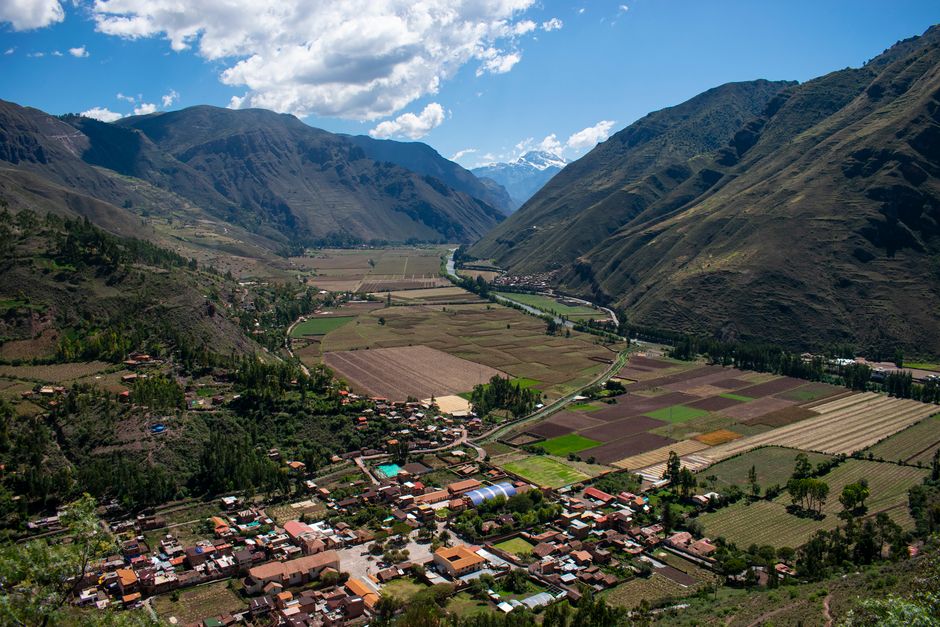
The Sacred Valley is a stretch of Andean highlands between Cusco and Machu Picchu, defined by the Urubamba River and steep agricultural terraces. Visiting this region requires navigating transport to towns like Pisac and Ollantaytambo, and purchasing the regional tourist ticket. This guide covers the practicalities of planning your trip so you can explore the ruins and markets efficiently.
Before heading out, make sure you have read our comprehensive Cusco guide and our broader Peru guide to understand how this region fits into your wider travel plans. The valley is arguably the most popular of the Best Day Trips from Cusco, but treating it as a quick stopover does a disservice to the scale of the archaeological sites here.
Why Visit the Sacred Valley?
Beyond the obvious historical significance, the valley floor sits at an average elevation of 2,800 metres (9,186 feet). This is significantly lower than Cusco city, which sits at 3,399 metres (11,152 feet). Many travellers head straight to the valley upon arrival to reduce the risk of Altitude Sickness in Cusco. Spending your first two nights in Ollantaytambo or Urubamba allows your body to acclimatise gradually before you tackle higher elevations.
The region is also the primary transit corridor to the country’s most famous ruin. Most visitors pass through here to board the train, a journey detailed in our guide to Machu Picchu from Cusco: Train or Trek. However, the fortresses and agricultural laboratories scattered across these hills are architectural marvels in their own right, offering a quieter look at Inca engineering than you will find at Machu Picchu itself.
How to Get to the Sacred Valley from Cusco
You do not need an organised tour to visit the valley. Independent transport is straightforward, frequent, and inexpensive. Your choice depends entirely on your budget and how much you want to dictate the schedule.
Colectivos (Shared Vans)
Colectivos are the backbone of local transport in the Andes. These 15-passenger minivans leave when full, not on a set timetable. To reach Urubamba or Ollantaytambo, head to the colectivo terminal on Calle Pavitos in Cusco. The journey to Ollantaytambo takes about 90 minutes and costs roughly $3 to $5 USD per person. You pay the driver or their assistant when you exit the vehicle.
If you are heading to Pisac first, you need a different terminal. Colectivos for Pisac leave from Calle Puputi. This journey takes about 45 minutes and costs around $2 to $3 USD. The vans drop you near the market in the centre of town. From there, you will need to hire a local taxi to reach the ruins high above the village.
Private Taxis
Hiring a private driver for the day is the most efficient way to see multiple sites without waiting for buses to fill up. You can arrange this through your hotel in Cusco or negotiate directly with drivers near the Plaza de Armas. Expect to pay between $60 and $90 USD for a full day. A standard agreement includes the driver waiting for you at each archaeological site for one to two hours.
Tickets and Costs for the Sacred Valley
You cannot buy individual entry tickets at the gates of Pisac, Ollantaytambo, Chinchero, or Moray. Instead, you must purchase the Boleto Turístico del Cusco (Cusco Tourist Ticket). You can buy this in person at the main office on Avenida El Sol in Cusco, or at the entrance gate of the first site you visit. Bring cash (Peruvian Soles), as card machines at the ruin entrances frequently lose signal.
- Full Ticket (Boleto Turístico General): Costs 130 PEN (roughly $35 USD) and is valid for 10 days. It covers 16 sites, including all the Sacred Valley ruins, several museums in Cusco, and nearby sites like Sacsayhuamán.
- Partial Ticket (Circuit 3): Costs 70 PEN (roughly $20 USD) and is valid for two consecutive days. It covers only the four main Sacred Valley sites: Pisac, Ollantaytambo, Chinchero, and Moray.
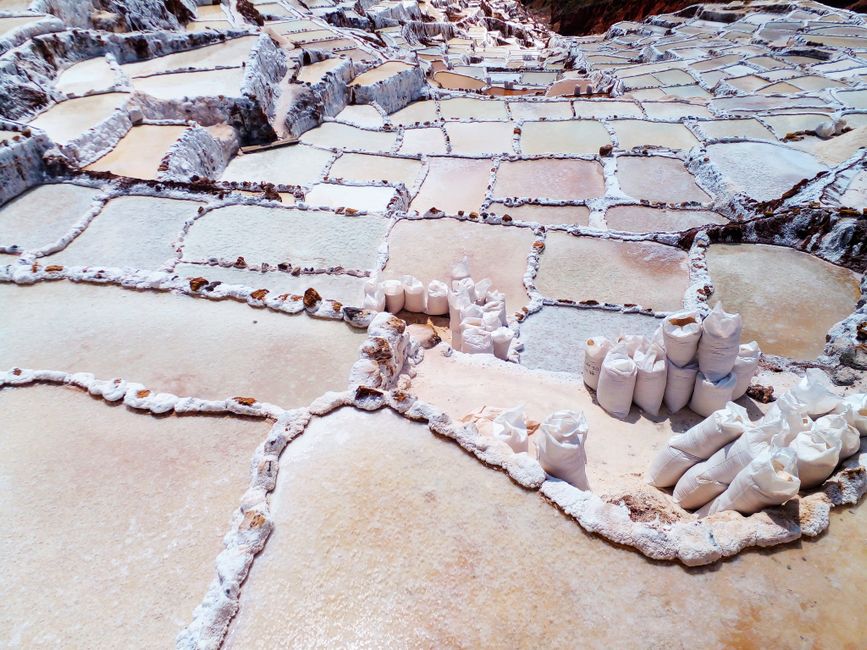
The Maras salt mines operate independently from the Boleto Turístico. Because they are managed by the local community, you must pay a separate entrance fee of 20 PEN (about $5.50 USD) at the gate.
Top Sites in the Sacred Valley
If you are trying to fit this into a broader Cusco Itinerary: How to Spend 1, 2 or 3 Days, you will likely need to prioritise. Here is what you will find at the main stops.
Pisac
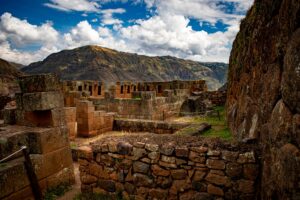
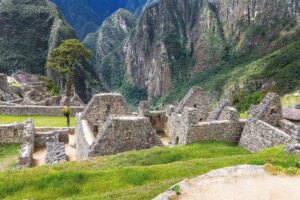
Pisac is famous for two things: its sprawling hilltop ruins and its artisan market. The archaeological site features some of the most intact agricultural terraces in the region, curving dramatically around the mountainside. The hike up from the town takes about 90 minutes on a steep, exposed trail. Alternatively, take a 15-minute taxi ride to the upper entrance and walk down. The market operates daily but is largest on Sundays. If you want to compare it to the city’s main local hub, check out San Pedro Market Cusco.
Ollantaytambo
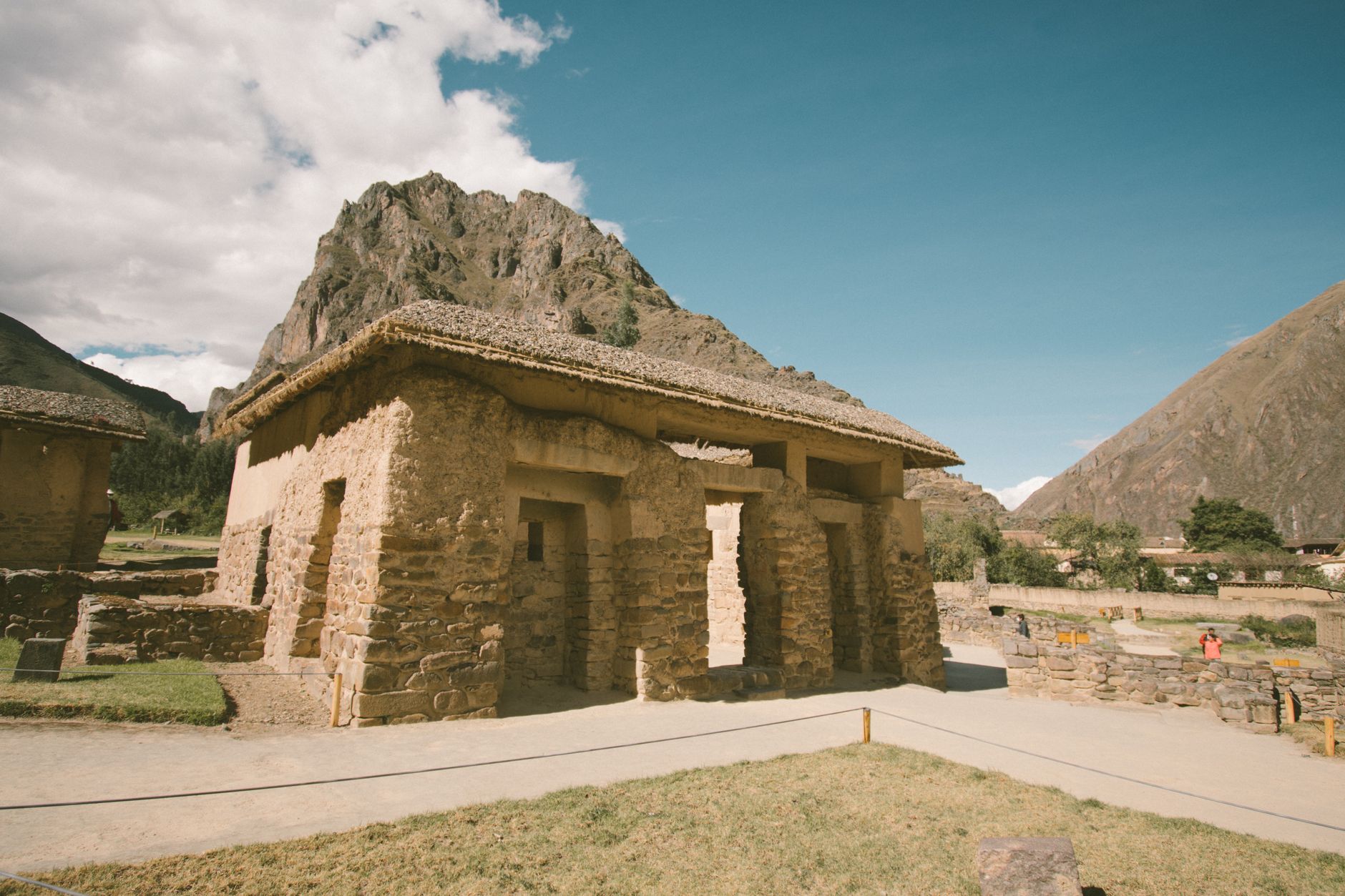
This town maintains its original Inca grid layout, with water still rushing through stone channels lining the narrow streets. The fortress here was the site of a major Inca victory against the Spanish in 1536. The climb up the steep terraces to the Temple of the Sun is physically demanding but rewards you with views of the valley. Because the main train station to Aguas Calientes is located here, Ollantaytambo is the busiest town in the valley during the late afternoon.
Moray
Moray looks like a series of sunken, grassy amphitheatres. Historians believe the Incas used these concentric circular terraces as an agricultural laboratory. The depth, design, and orientation with respect to wind and sun create a temperature difference of up to 15 °C (27 °F) between the top and bottom levels. This microclimate variation allowed them to test which crops would grow best at different altitudes across the empire.
Salineras de Maras
Located a short drive from Moray, Maras consists of over 3,000 shallow salt pools terraced down a steep canyon. A subterranean hypersaline spring feeds the pools, which evaporate in the sun, leaving behind salt crystals. Local families pass down the rights to harvest these pools. You can no longer walk directly on the narrow paths between the pans to protect the salt from contamination, but the viewing platforms offer excellent vantage points for photography.
Chinchero
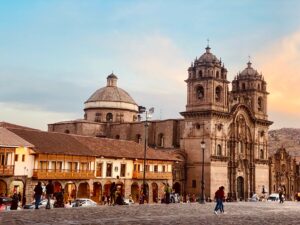
Sitting at a higher elevation than the rest of the valley (3,762 metres), Chinchero is a traditional weaving village. Here, you can watch local women wash, spin, and dye alpaca wool using natural ingredients like cochineal (a crushed insect that produces a brilliant red). The town also features a colonial church built directly on top of Inca stone foundations, a stark visual representation of the Spanish conquest.
Distances and Altitudes
Understanding the geography helps with planning transport and managing altitude. Here is a quick reference for the main stops.
| Location | Distance from Cusco | Altitude | Main Feature |
|---|---|---|---|
| Pisac | 34 km | 2,972 m | Terraces and artisan market |
| Urubamba | 53 km | 2,871 m | Commercial hub, transport link |
| Ollantaytambo | 72 km | 2,792 m | Fortress and train station |
| Chinchero | 30 km | 3,762 m | Weaving cooperatives |
| Maras | 40 km | 3,380 m | Salt evaporation ponds |
Structuring Your Route
Trying to see all five major sites in a single day is a mistake. You will spend most of your time in a vehicle and arrive at the ruins during peak crowd hours. Instead, split the valley into two distinct days or focus on one circuit.
The Classic Route covers Pisac and Ollantaytambo. Start early in Pisac to beat the tour buses, which usually arrive around 10:30 AM. Stop in Urubamba for lunch—it has the best concentration of local restaurants. Finish your afternoon climbing the fortress at Ollantaytambo. If you base yourself here instead of the city, review Where to Stay in Cusco: Best Areas and Hotels for options that cover both locations.
The Agricultural Route focuses on Chinchero, Moray, and Maras. These three sites are geographically clustered on the high plateau above the main valley floor. You can hire a taxi from Cusco to run this specific circuit in about five hours. For food along the way, refer to What to Eat in Cusco: Local Food Guide to know which regional dishes to look out for, such as giant Andean corn (choclo) sold by roadside vendors.
Best Time to Visit
The dry season runs from May to October. During these months, you can expect clear, sunny days with daytime temperatures around 18 °C to 20 °C (64 °F to 68 °F). However, once the sun drops behind the mountains, temperatures plummet quickly, often nearing freezing at night. The wet season from November to April brings heavy afternoon downpours, which can occasionally cause minor landslides on rural roads. For a deeper breakdown of the weather patterns, check our Best Time to Visit Cusco: Month-by-Month Guide.
To avoid the heaviest crowds, try to visit the ruins right when they open (usually 7:00 AM) or late in the afternoon (after 3:00 PM). Most large tour groups from Cusco operate on a rigid schedule, hitting Pisac mid-morning and Ollantaytambo mid-afternoon. Travelling independently allows you to do the reverse.
Mistakes to Avoid
Do not assume you can pay for everything with a credit card. While high-end hotels and restaurants in Ollantaytambo accept cards, you will need small denomination Peruvian Soles for colectivos, public toilets, market purchases, and the Maras entrance fee.
Do not underestimate the sun. At nearly 3,000 metres above sea level, the UV index is intense even on cloudy days. Bring a wide-brimmed hat, high-SPF sunscreen, and plenty of water. The climbs at Pisac and Ollantaytambo offer very little shade.
Finally, do not rush the ruins just to tick them off a list. The scale of Inca stonework deserves time. If you have to choose between rushing through four sites or taking your time at two, always choose the latter. You will have a much better experience exploring beyond the Best Things to Do in Cusco if you pace yourself.
Plan Your Trip
Pack in layers. A morning in the Sacred Valley might require a fleece jacket and a beanie, but by noon you will be sweating in a t-shirt. Wear sturdy walking shoes with good grip; the stone steps at the archaeological sites are uneven and can be slippery after rain. Bring your passport, as you will need it to purchase the Boleto Turístico and to board the train to Machu Picchu if you are continuing your journey from Ollantaytambo.