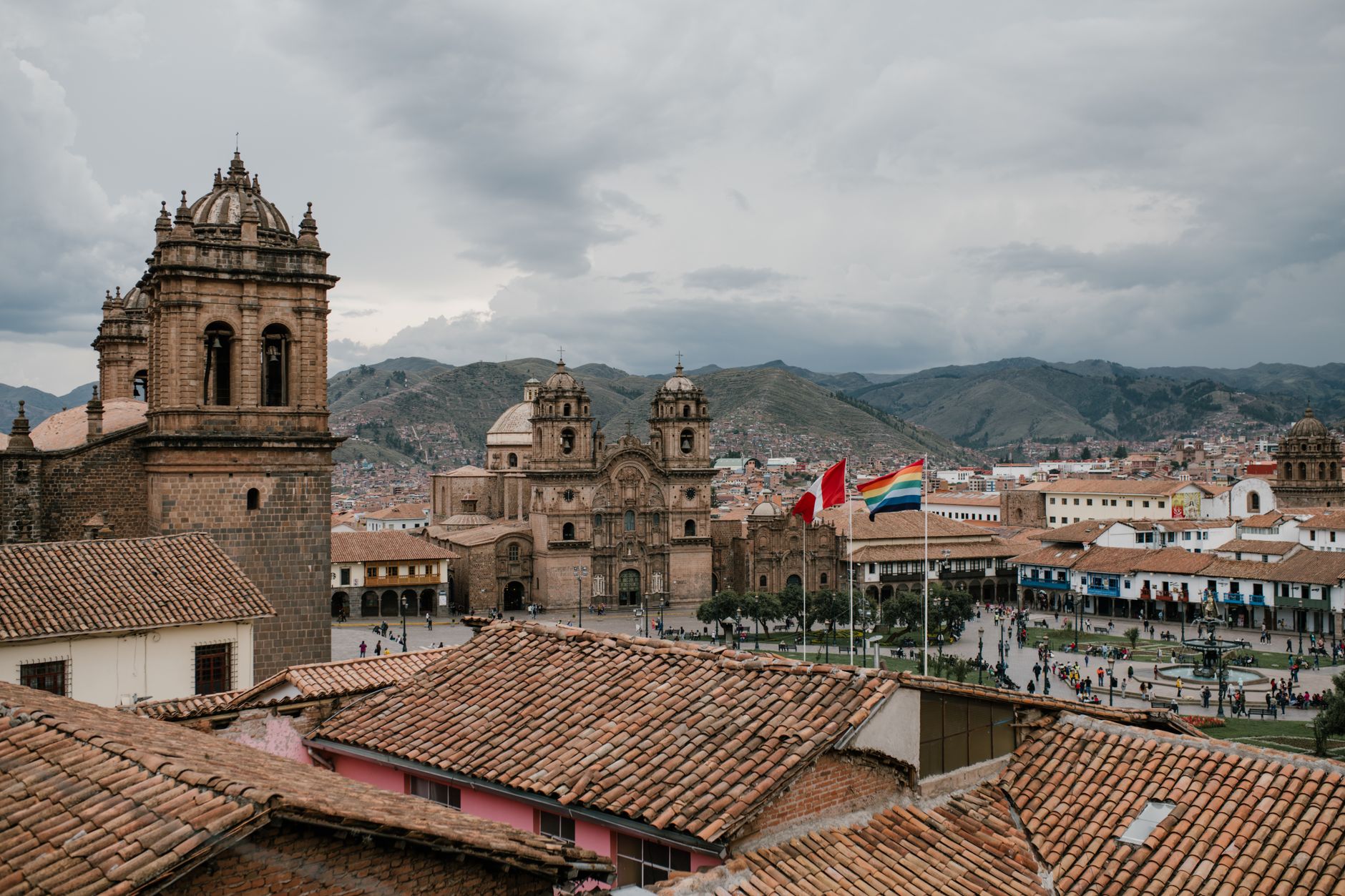
If you are deciding where to stay in Cusco, the Centro Histórico is the most convenient base for first-time visitors. Staying near the Plaza de Armas puts you within flat walking distance of major historical sites, restaurants, and tour departure points. However, if you prefer a quieter, bohemian atmosphere and do not mind steep cobblestone streets, the San Blas neighbourhood is an excellent alternative.
Choosing the right neighbourhood is crucial here. Cusco sits at an elevation of 3,400 metres (11,150 feet). A hotel that looks close to the centre on a map might actually require a gruelling 15-minute uphill climb. Your choice of location will dictate how easily you can acclimatise, how much street noise you hear at night, and whether a taxi can drop you directly at your front door.
This guide breaks down the city area by area, highlighting the practical pros and cons of each neighbourhood. For broader planning, start with our comprehensive Cusco guide and our wider Peru guide.
Where to Stay in Cusco: Best Areas for First-Timers
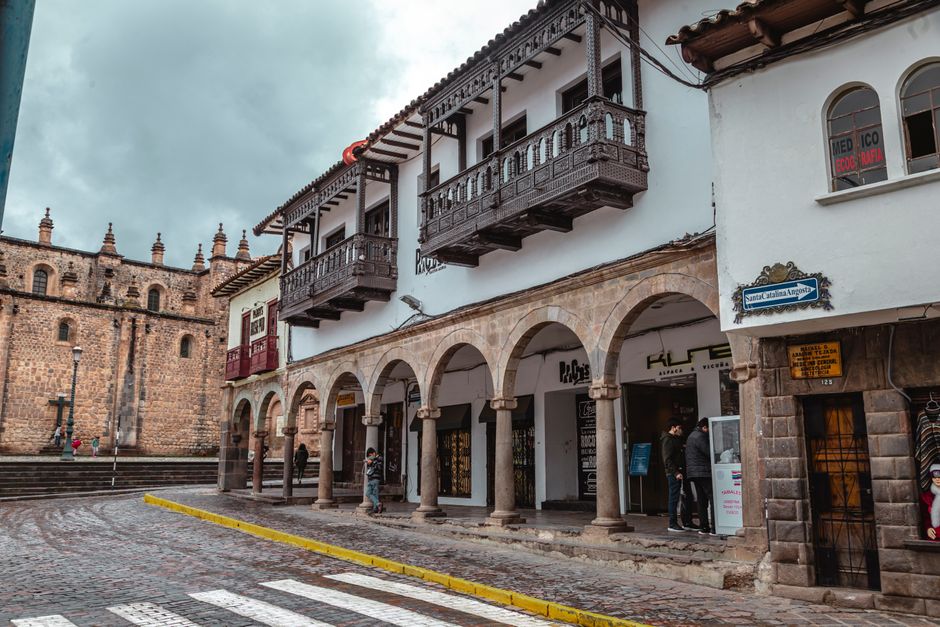
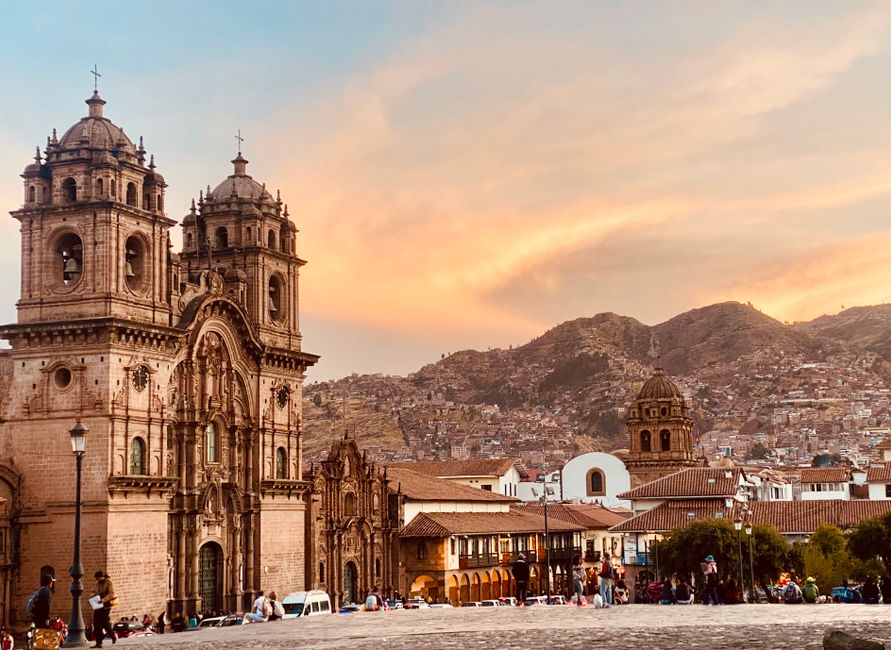
The Centro Histórico is the undisputed best area for first-time visitors. This neighbourhood radiates outward from the Plaza de Armas, the city’s main square. Staying here means you are in the middle of the action, surrounded by colonial architecture built on top of massive Inca stone foundations.
The primary advantage of the historical centre is the terrain. The streets immediately surrounding the Plaza de Armas, Plaza Regocijo, and Plaza San Francisco are relatively flat. When you first arrive and are dealing with the altitude, avoiding steep hills is essential. You will also be within a 10-minute walk of the San Pedro Market, the Qorikancha (Temple of the Sun), and dozens of excellent restaurants.
The downside to the Centro Histórico is the noise. Cusco is a busy city. Traffic on narrow streets, late-night revellers, and frequent parades in the main square can make it loud. If you book a hotel here, request a room facing an internal courtyard rather than the street.
Area-by-Area Breakdown
Centro Histórico (Plaza de Armas & Surrounds)
The historical centre is the commercial and tourism hub of Cusco. Avenida El Sol, the main arterial road, starts just off the Plaza de Armas and houses banks, ATMs, and the main ticket office for the Boleto Turístico (Tourist Ticket). This area is packed with tour agencies, making it easy to organise excursions if you have not booked in advance.
- Vibe: Bustling, historic, and highly tourist-focused.
- Pros: Flat terrain, abundant dining options, easy access to taxis, close to the best things to do in Cusco.
- Cons: Can be noisy, higher hotel prices, aggressive restaurant promoters in the main square.
- Best for: First-timers, short stays, and travellers who want to minimise walking uphill.
San Blas
San Blas sits on a steep hill to the northeast of the Plaza de Armas. Known as the artisan quarter, it is characterised by narrow, pedestrian-only cobblestone streets, whitewashed houses with blue doors, and excellent independent cafes. To get here from the main square, you must walk up the Cuesta San Blas, a steep incline that will leave you breathless on your first day.
Because many streets in San Blas are inaccessible to cars, taxis will often drop you at the Plazoleta San Blas (the neighbourhood’s main square), and you will have to walk the rest of the way with your luggage. The reward is a much quieter atmosphere, stunning views over the terracotta roofs of the city, and some of the best coffee shops and boutiques in Peru.
- Vibe: Bohemian, relaxed, and creative.
- Pros: Quiet at night, excellent cafes, beautiful architecture, great views.
- Cons: Very steep hills, difficult luggage logistics, higher altitude than the main square.
- Best for: Fit travellers, longer stays, and those looking for what to eat in Cusco beyond the main tourist traps.
San Cristobal
Located on the hill directly north of the Plaza de Armas, San Cristobal is dominated by its namesake church and plaza. This area offers the most dramatic panoramic views of Cusco. It is also on the walking route up to the Sacsayhuamán ruins.
Like San Blas, San Cristobal requires a steep uphill walk from the centre. It is much more residential and less commercialised than San Blas. There are fewer restaurants and cafes here, meaning you will likely walk down to the Centro Histórico for meals and back up afterwards. Taxis from the centre cost around $2 to $4 USD and are highly recommended for the return trip at night.
- Vibe: Quiet, residential, and scenic.
- Pros: Unbeatable city views, peaceful atmosphere, close to Sacsayhuamán.
- Cons: Very steep walk back from the centre, limited dining options nearby.
- Best for: Photographers, budget travellers looking for quiet guesthouses, and second-time visitors.
Lucrepata
Lucrepata is a residential neighbourhood located just east of San Blas. It sits slightly lower on the hillside, making the walk from the centre slightly less punishing, though still uphill. This area has seen a rise in boutique guesthouses and Airbnb rentals in recent years.
Staying in Lucrepata gives you easy access to the cafes of San Blas without being right in the middle of the tourist foot traffic. It is a 15-minute walk to the Plaza de Armas. The streets here are wider, meaning taxis can usually drop you directly at your accommodation.
- Vibe: Local, residential, and practical.
- Pros: Cheaper than San Blas, quieter than the centre, accessible by taxi.
- Cons: A longer walk to the main historical sites, lacks the colonial charm of the immediate centre.
- Best for: Digital nomads, longer stays, and travellers wanting a local feel.
Practical Considerations for Choosing Your Accommodation
Before booking a hotel in Cusco, you need to factor in the unique environment of the Andes. The high elevation affects everything from your physical energy to the temperature in your room.
Altitude and Oxygen: Cusco’s altitude is no joke. Read our guide on altitude sickness in Cusco to prepare. Many luxury hotels pump supplemental oxygen into their rooms to help guests sleep better. If you are staying in a mid-range or budget hotel, check if they have oxygen tanks available at reception for emergencies. Coca tea is provided in almost every hotel lobby.
Heating: Cusco gets very cold at night, especially from May to August when nighttime temperatures regularly drop to 0°C (32°F). Central heating is rare in Cusco. Luxury hotels have it, but many mid-range and budget hotels do not. Instead, they rely on thick alpaca blankets and portable space heaters. Always confirm that your accommodation provides a space heater.
Hot Water: Water pressure and consistent hot water can be an issue in older colonial buildings. Established hotels have dedicated boiler systems, but smaller guesthouses often use electric showerheads, which provide lukewarm water at best. If a hot shower is a priority after a long trek, stick to well-reviewed mid-range or luxury hotels.
Where to Stay in Cusco by Budget: Best Hotels
Cusco has an incredible range of accommodation, from 16th-century monasteries converted into five-star resorts to lively backpacker hostels. Here are the most reliable, well-established options.
Luxury Hotels ($300+ USD per night)
Cusco is home to some of the best luxury hotels in South America, many housed in protected historical buildings.
- Monasterio, A Belmond Hotel (Centro Histórico): Housed in a former 16th-century seminary, this is one of Cusco’s most famous hotels. It features a stunning central courtyard with a 300-year-old cedar tree. Rooms can be oxygen-enriched, and Gregorian chants play softly in the corridors.
- JW Marriott El Convento Cusco (Centro Histórico): Built on the site of a 16th-century convent, this property seamlessly blends Inca ruins with modern luxury. It features an indoor heated pool, a spa, and oxygen-enriched rooms. It is located just two blocks from the Plaza de Armas.
- Inkaterra La Casona (Plaza Las Nazarenas): An exclusive boutique hotel with only 11 suites, located in a 16th-century colonial manor. It offers a highly personalised experience, radiant floor heating, and a quiet location on a beautiful plaza just up the hill from the main square.
Mid-Range Hotels ($80 – $200 USD per night)
The mid-range bracket in Cusco offers excellent value, often including robust buffet breakfasts and comfortable, heated rooms.
- Antigua Casona San Blas (San Blas): One of the most popular boutique hotels in the city. It features a beautiful central courtyard with fire pits, an excellent in-house restaurant, and radiant floor heating in the rooms. It is located in the lower part of San Blas, making the walk manageable.
- Tierra Viva Cusco Centro (Centro Histórico): Part of a reliable Peruvian chain, this hotel is located on a quiet street just a 5-minute walk from the Plaza de Armas. It offers modern, clean rooms, excellent water pressure, and a substantial breakfast buffet.
- Casa Andina Premium Cusco (Centro Histórico): Located near the Qorikancha, this hotel is built around a colonial courtyard. It offers spacious rooms, a great restaurant, and is situated on a completely flat street, making it very easy to navigate.
Budget Hotels & Hostels ($15 – $60 USD per night)
Cusco is a major hub for backpackers, and the budget accommodation here is highly competitive and well-equipped.
- Niños Hotel (Centro Histórico): A fantastic budget option with a cause. Profits from this Dutch-owned hotel go towards supporting local children with meals and education. The rooms are simple, clean, and quiet, set around a pretty courtyard.
- Kokopelli Hostel (Centro Histórico): Located just a few blocks from the Plaza de Armas, this is a premium hostel offering both dorms (with privacy pods) and private rooms. It has a lively bar, making it great for meeting people, but it can be loud at night.
- Selina Plaza De Armas (Centro Histórico): Situated right on the Plaza San Francisco, Selina offers a mix of dorms and stylish private rooms. It features a co-working space, a cinema room, and a reliable cafe, making it ideal for digital nomads.
Areas to Avoid Staying In
While Cusco is generally safe for tourists, there are areas that are inconvenient or lack the charm you want for a holiday.
Avoid staying in Wanchaq or Magisterio. These are modern, commercial, and residential districts located further down the valley. While they are safe and house the city’s shopping malls and business centres, they are a 15 to 20-minute taxi ride from the historical sites. You will spend too much time in traffic.
Also, avoid booking accommodation near the Terminal Terrestre (the main bus station) or in the Santiago district. These areas are chaotic, heavily congested with traffic, and can feel sketchy at night. There is no reason for a tourist to base themselves here when the historical centre is so accessible.
Cusco Neighbourhood Comparison
| Neighbourhood | Vibe | Walkability (Hills) | Price Range |
|---|---|---|---|
| Centro Histórico | Bustling, historic, tourist-heavy | Flat (mostly) | $$ – $$$$ |
| San Blas | Bohemian, artisan, quiet | Very steep | $$ – $$$ |
| San Cristobal | Residential, scenic, quiet | Very steep | $ – $$ |
| Lucrepata | Local, practical, residential | Moderate incline | $ – $$ |
Plan Your Trip
When mapping out your Cusco itinerary, remember that your first 24 hours should be dedicated to resting. Do not book a hotel at the top of San Blas if you are arriving on a direct flight from sea level. If you plan to use Cusco as a base for excursions, check our guides on the best day trips from Cusco and how to get to Machu Picchu from Cusco.
If you are worried about the altitude, consider heading straight to the Sacred Valley upon arrival, which sits about 600 metres (2,000 feet) lower than Cusco. You can read more about this strategy in our Sacred Valley guide. Finally, accommodation fills up months in advance during the dry season (May to September), so review the best time to visit Cusco and secure your hotel early.