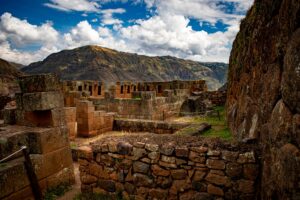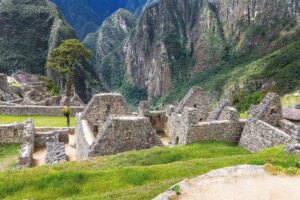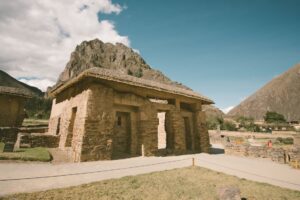
When you are planning a trip to the Andes, finding the best things to do in Cusco requires balancing ancient Inca ruins with Spanish colonial architecture. As the historic capital of the Inca Empire, this high-altitude city offers far more than just a transit hub for Machu Picchu. Start your exploration at the Plaza de Armas, acclimatise slowly to the 3,399-metre elevation, and use this guide to build your itinerary.
For a complete overview of the city, including logistics and safety, see our full Cusco guide, or zoom out to our wider Peru guide.
Understanding the Cusco Tourist Ticket (Boleto Turístico)
Before you start ticking off the best things to do in Cusco, you need to understand the Boleto Turístico del Cusco (Cusco Tourist Ticket). You cannot buy individual entry tickets at the gates of most major archaeological sites. Instead, you must purchase this unified ticket.
You can buy the ticket at the main COSITUC office at Avenida el Sol 103, or at the entrance of any site included on the ticket. Bring your passport and pay in Peruvian Soles (cash is best, though cards are sometimes accepted at the main office).
| Ticket Type | Validity | Included Sites | Cost (Approx USD) |
|---|---|---|---|
| Full Ticket | 10 Days | 16 sites including Sacsayhuamán, Sacred Valley ruins, and city museums. | $35 USD |
| Circuit 1 (Partial) | 1 Day | Sacsayhuamán, Q’enqo, Puka Pukara, Tambomachay. | $19 USD |
| Circuit 2 (Partial) | 2 Days | City museums, Qorikancha site museum (not the temple), South Valley ruins. | $19 USD |
| Circuit 3 (Partial) | 2 Days | Sacred Valley ruins: Pisac, Ollantaytambo, Chinchero, Moray. | $19 USD |
Best things to do in Cusco: Historic Centre
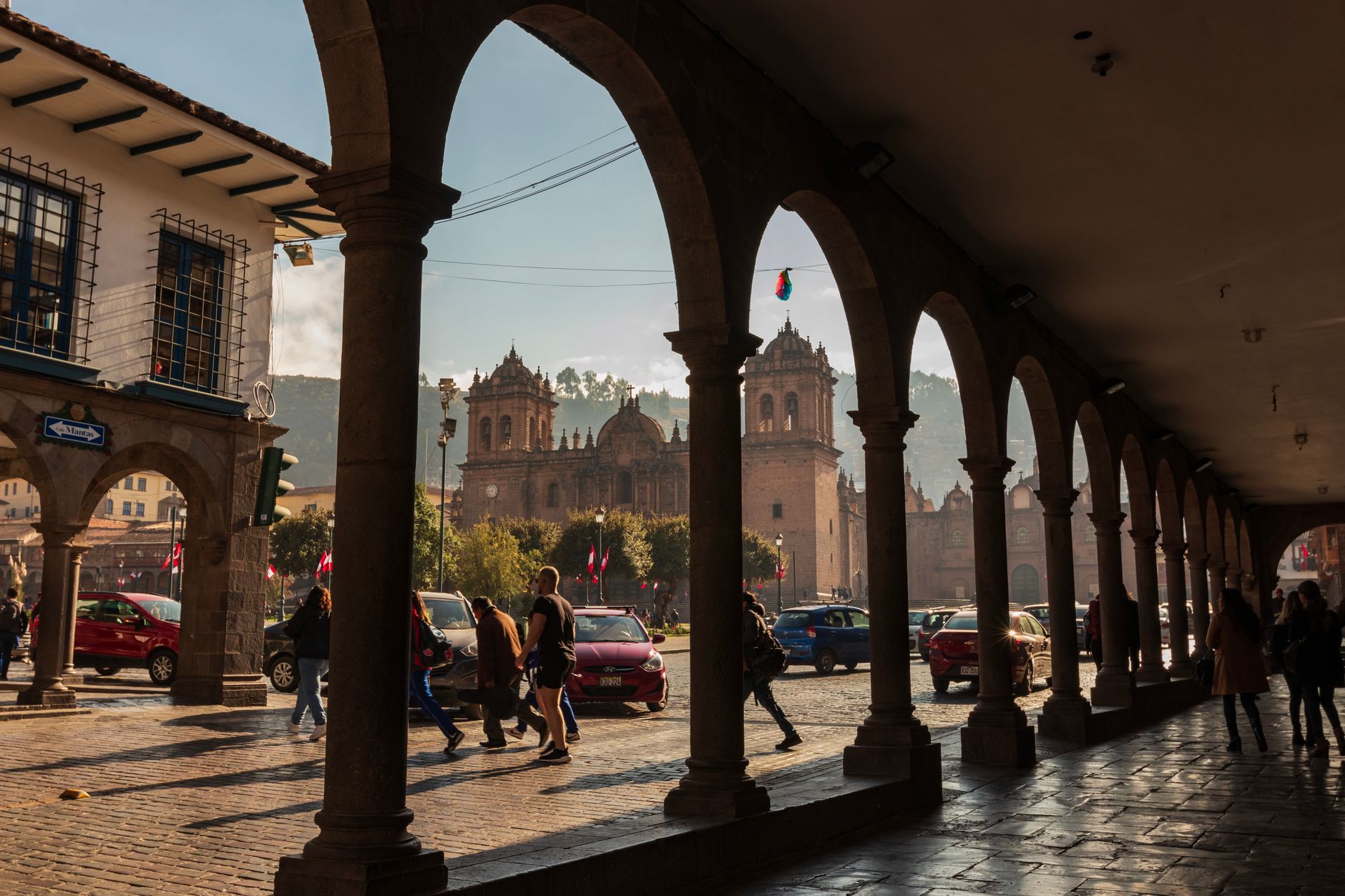
1. Explore the Plaza de Armas and Cusco Cathedral
What it is: The main square of the city, originally the Inca gathering place known as Huacaypata. The Cathedral Basilica of the Assumption of the Virgin dominates the northeastern side, built using stone looted from the nearby Inca fortress of Sacsayhuamán.
Why it is worth your time: The Plaza is the geographical and cultural centre of the city. Inside the cathedral, you will find the famous Last Supper painting by Marcos Zapata, which features a roasted guinea pig (cuy) on the table—a perfect example of the blending of Catholic and Indigenous traditions.
Insider tip: Visit the cathedral right when it opens at 10:00 AM to beat the large tour groups. Photography is strictly prohibited inside.
Cost: The Plaza is free; Cathedral entry is $10-12 USD.
Time needed: 1.5 hours.
2. Marvel at Qorikancha (Temple of the Sun)
What it is: The most important temple in the Inca Empire, once covered in solid gold plates. After the conquest, the Spanish built the Convent of Santo Domingo directly on top of its foundations.
Why it is worth your time: It provides the clearest visual contrast between Inca masonry and colonial architecture. When massive earthquakes struck the city in 1650 and 1950, the Spanish colonial structures crumbled, but the interlocking Inca walls beneath them did not move an inch.
Insider tip: The entrance to the temple itself is not included in the Boleto Turístico; you pay at the door. Hire an official guide near the entrance to understand the complex astronomical alignments of the windows.
Cost: $5-6 USD.
Time needed: 1 to 1.5 hours.
3. Walk Hatun Rumiyoc and see the Twelve-Angled Stone
What it is: A narrow pedestrian street lined with a massive, perfectly preserved Inca wall that once formed part of the palace of Inca Roca. Halfway down the street sits the famous Twelve-Angled Stone.
Why it is worth your time: The stone is a masterclass in Inca engineering. It is cut so precisely that not a single piece of paper can fit between the joints, all achieved without iron tools or mortar.
Insider tip: Go early in the morning (before 8:00 AM) or late at night. During the middle of the day, this narrow street is packed with vendors and tourists queuing to get a photo.
Cost: Free.
Time needed: 15 minutes.
4. Eat and shop at San Pedro Market
What it is: The largest and most vibrant traditional market in the city, located a 10-minute walk west of the Plaza de Armas near the San Pedro train station.
Why it is worth your time: It is the best place to see daily local life. You will find aisles dedicated to fresh fruit juices, massive wheels of Andean cheese, medicinal herbs, and hot food stalls serving hearty local dishes.
Insider tip: Head to the juice stalls and ask for a “jugo surtido” (mixed juice). Keep an eye on your belongings here, as pickpocketing is common in the crowded aisles. Read our detailed guide to navigating the San Pedro Market Cusco for specific stall recommendations.
Cost: Free to enter; a set lunch (menú) costs $3-5 USD.
Time needed: 1 to 2 hours.
5. Learn the history at Museo Inka
What it is: A comprehensive museum housed in the 16th-century Admiral’s House (Casona del Almirante), located just one block uphill from the Plaza de Armas.
Why it is worth your time: It holds the most impressive collection of Inca artifacts in the city, including mummies, ceramics, textiles, and wooden drinking vessels (keros). It provides essential context before you visit the archaeological sites.
Insider tip: The signage is mostly in Spanish. Download a translation app offline before you go, or hire one of the university students offering tours at the entrance. Look out for the traditional weavers who often work in the central courtyard.
Cost: $3-5 USD.
Time needed: 1.5 hours.
Best things to do in Cusco: San Blas Neighbourhood
6. Climb Cuesta San Blas to the Mirador
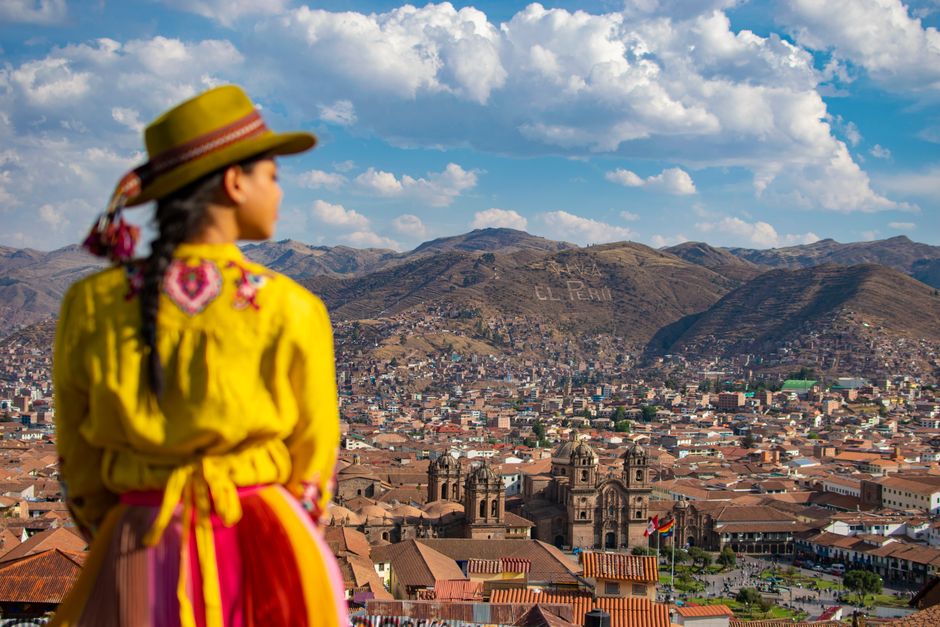
What it is: A steep, narrow street leading up to the San Blas Viewpoint (Mirador de San Blas), which looks out over the terracotta rooftops of the city.
Why it is worth your time: San Blas is the historic artisan quarter. The whitewashed buildings, blue doors, and narrow cobblestone streets feel entirely different from the monumental, heavy architecture down near the main square.
Insider tip: The climb is brutal if you are not acclimatised. Take it slow and stop at a cafe along the way. For tips on managing the elevation, check our guide on Altitude Sickness in Cusco.
Cost: Free.
Time needed: 1 hour.
7. Browse the Artisan Workshops
What it is: Independent galleries and workshops lining streets like Carmen Alto and Tandapata in the San Blas neighbourhood.
Why it is worth your time: This is where you will find high-quality, locally made ceramics, textiles, and silver jewellery rather than the mass-produced souvenirs found closer to the centre. Look for the Mendívil family gallery, famous for their long-necked religious sculptures.
Insider tip: Prices here are fixed and generally higher than the markets, but the quality reflects the craftsmanship. Many workshops will ship internationally if you buy larger pieces.
Cost: Browsing is free; ceramics start around $20 USD.
Time needed: 1 to 2 hours.
8. Eat local at Mercado de San Blas
What it is: A smaller, quieter alternative to San Pedro Market, located right in the heart of the San Blas neighbourhood.
Why it is worth your time: It is cleaner, less chaotic, and features excellent cheap eats. You will find traditional Peruvian soups alongside surprisingly good vegan options catering to the neighbourhood’s bohemian crowd.
Insider tip: Try the Caldo de Gallina (hen soup) at the food stalls for a hearty, warming breakfast. For more dining options across the city, see our guide on What to Eat in Cusco: Local Food Guide.
Cost: Meals range from $3-6 USD.
Time needed: 45 minutes.
Best things to do in Cusco: The Inca Ruins Above the City
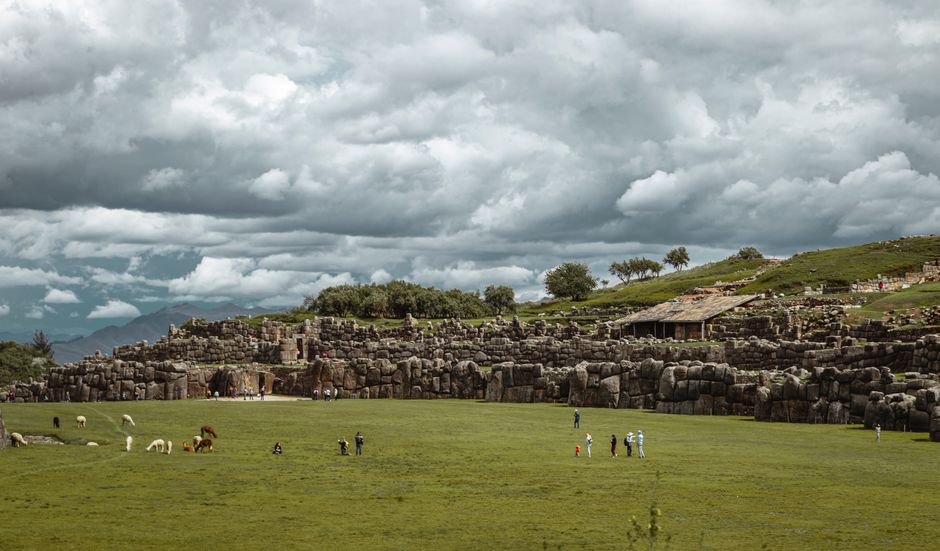
9. Walk the massive walls of Sacsayhuamán
What it is: A massive Inca fortress and ceremonial complex located on a steep hill overlooking the city. The zigzagging walls are built from boulders weighing up to 100 tonnes, fitted together flawlessly.
Why it is worth your time: It is the most impressive feat of Inca engineering near the city. The site was the location of a bloody battle between the Inca rebellion led by Manco Inca and the Spanish conquistadors in 1536.
Insider tip: You can walk up to the ruins from the Plaza de Armas via Resbalosa street. It takes about 30 to 40 minutes, but it is a very steep 2 km climb. Alternatively, take a $3 USD taxi to the top and walk back down.
Cost: Included in the Cusco Tourist Ticket.
Time needed: 2 to 3 hours.
10. Explore Q’enqo, Puka Pukara, and Tambomachay
What it is: Three smaller archaeological sites located further up the road from Sacsayhuamán. Q’enqo is a ceremonial site with subterranean altars, Puka Pukara was a military checkpoint, and Tambomachay features ancient aqueducts and water channels.
Why it is worth your time: Visiting all four sites gives you a complete picture of how the Incas controlled the approach to their capital and managed their water supply.
Insider tip: Take a taxi or a local colectivo (minibus) to Tambomachay (the furthest site, about 8 km from the centre) and walk downhill to the others, ending at Sacsayhuamán. This saves you from hiking uphill at 3,700 metres.
Cost: Included in the Cusco Tourist Ticket.
Time needed: 3 to 4 hours to see all three.
Expanding Your Trip: Beyond the City Limits
While the city itself requires several days, it is also the launchpad for the wider region. If you want to explore further, you will need to plan excursions into the surrounding Andes.
- The Sacred Valley: Located lower in elevation than the city, this fertile valley is home to the ruins of Pisac, Ollantaytambo, and Moray. Read our comprehensive Sacred Valley Guide for logistical details and transport options.
- Machu Picchu: The main event for most travellers. You can take the train from Poroy or Ollantaytambo, or hike the Inca Trail. Decide which route suits you with our breakdown of Machu Picchu from Cusco: Train or Trek.
- Other Excursions: From the colourful slopes of Vinicunca (Rainbow Mountain) to the turquoise waters of Humantay Lake, there are plenty of options. See our top picks for the Best Day Trips from Cusco.
How Many Days Do You Need in Cusco?
Because of the altitude, you cannot rush your visit. If you fly in from sea level, your first day should be spent resting, drinking coca tea, and taking slow walks. We recommend an absolute minimum of three days in the city itself before attempting any major treks or heading to Machu Picchu.
Spend your first day acclimatising, exploring the Plaza de Armas, and visiting the San Pedro Market. On your second day, tackle the uphill walk to the San Blas neighbourhood and visit Qorikancha. Reserve your third day for Sacsayhuamán and the surrounding ruins.
For a detailed day-by-day breakdown, read our Cusco Itinerary: How to Spend 1, 2 or 3 Days.
Plan Your Trip
When to go: The dry season runs from May to October, bringing clear skies but freezing night temperatures (often dropping to 0°C / 32°F). The wet season (November to April) is warmer (up to 20°C / 68°F during the day) but brings heavy rain and muddy trails. For a detailed breakdown, see our Best Time to Visit Cusco: Month-by-Month Guide.
Where to stay: The Historic Centre is best for first-timers wanting to be near the action, while San Blas offers boutique hotels and a quieter, bohemian atmosphere. Avoid staying too far out, as traffic can be heavily congested. Find specific hotel recommendations in our guide on Where to Stay in Cusco: Best Areas and Hotels.
Getting around: The historic centre is highly walkable, though the cobblestones and steep inclines require sturdy shoes. Official taxis are cheap and plentiful; a ride within the city centre rarely costs more than $2-3 USD. Always agree on the fare before getting in, as taxis are not metered. For longer trips to the Sacred Valley, you can catch shared colectivos from Calle Puputi.