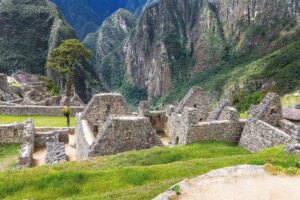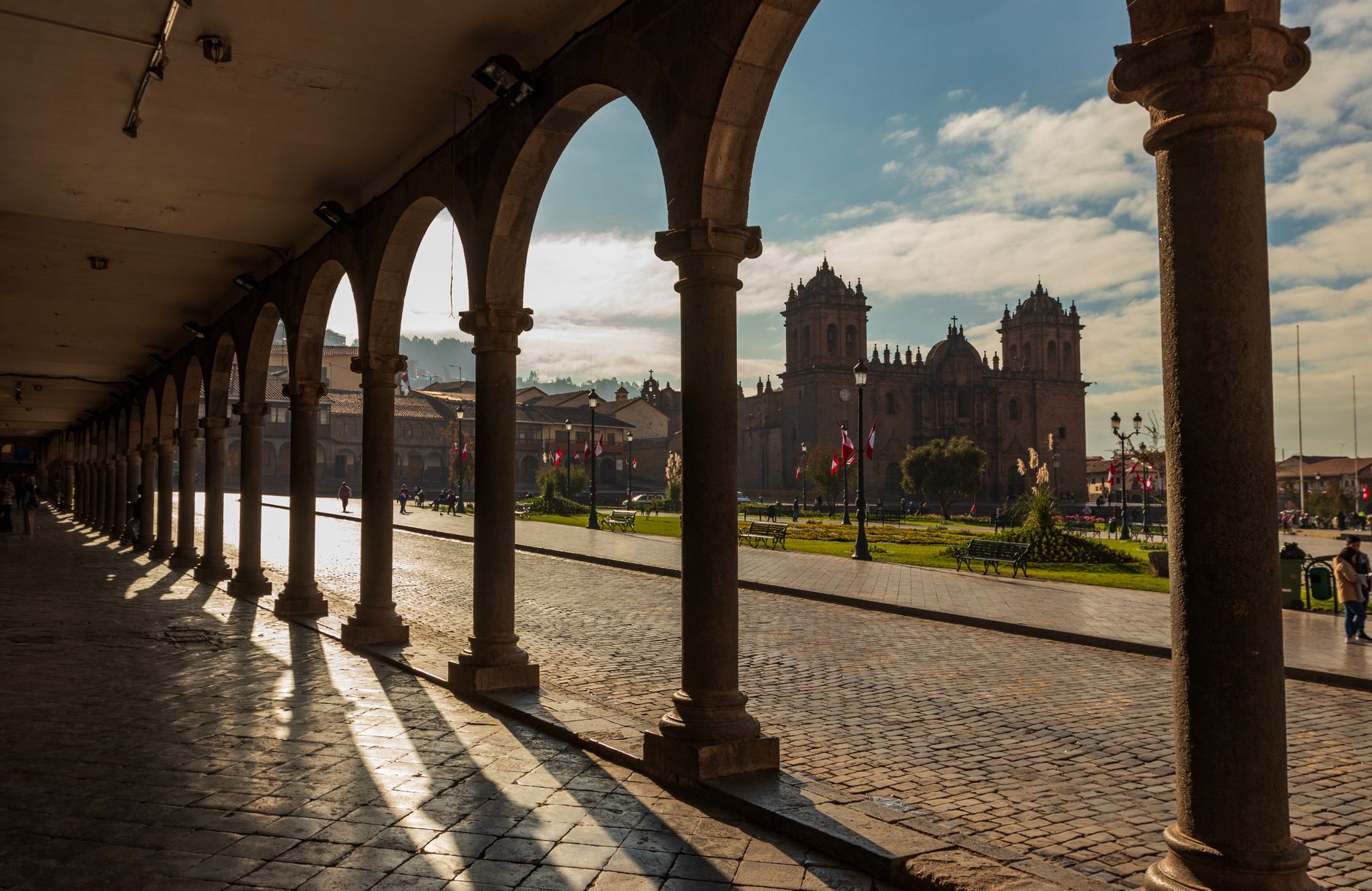
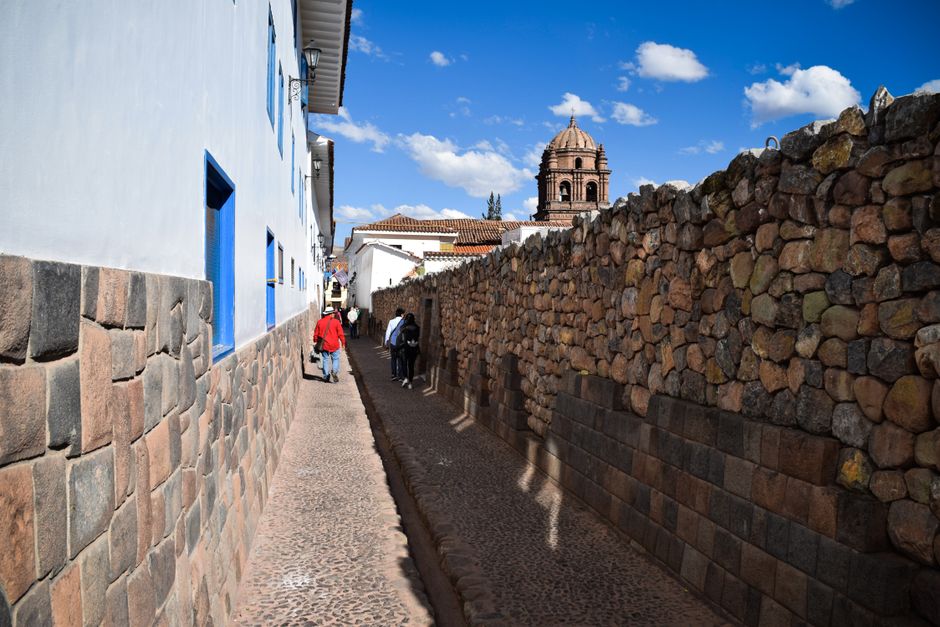
Located in the south-eastern Andes of Peru, the former imperial capital is a high-altitude city dictated by extreme weather patterns. The best time to visit Cusco is during the shoulder months of April, May, September, and October. During these windows, the heavy summer rains have either just ended or not yet begun, leaving the surrounding Andean valleys bright green and the skies clear. You will also avoid the intense crowds that flood the narrow cobblestone streets of San Blas during the peak winter months. For a complete overview of the city, read our full Cusco guide to start planning your trip.
Quick Verdict: When is the Best Time to Visit Cusco?
- Best overall: April, May, September, and October. These months offer the best balance of dry weather for hiking and manageable crowd levels in the historic centre.
- Cheapest: January to March. Hotel rates drop, and airlines offer discounts. Luxury hotels in the historic centre that charge $250 to $400 a night in July often drop to $150 to $200.
- Worst: February. The classic Inca Trail is completely closed for maintenance, and heavy rains frequently cause mudslides that delay the trains to Aguas Calientes.
If you are coordinating a larger itinerary across the country, check our Peru guide to see how the coastal and jungle seasons align with the Andes.
Understanding Cusco’s Seasons
Cusco sits at an elevation of 3,400 metres (11,152 feet). Because of its proximity to the equator, temperatures do not fluctuate wildly throughout the year. Instead, the weather is governed entirely by precipitation. Daytime highs hover around 19°C to 21°C (66°F to 70°F) year-round. The nighttime lows, however, change drastically depending on cloud cover.
The Dry Season (May to October)
This is the Andean winter. Expect brilliant blue skies, fierce midday sun, and almost zero rain. Because there are no clouds to trap the heat, nighttime temperatures plummet. In June and July, expect overnight lows to drop below 0°C (32°F). The dry, thin air can also exacerbate acclimatisation issues, making it essential to read up on managing altitude sickness in Cusco before you arrive.
This is the busiest time of year. You need to book your accommodation well in advance. Check our guide on where to stay in Cusco to secure a spot in popular areas like San Blas or near the Plaza de Armas.
The Rainy Season (November to April)
The Andean summer brings warmer nights, averaging around 6°C to 8°C (43°F to 46°F), but frequent heavy downpours. Rain usually falls in intense afternoon bursts rather than all-day drizzle. Mudslides can occasionally disrupt roads and rail lines.
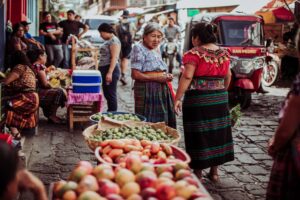
This is the perfect time to explore indoor attractions, sample hearty regional stews (find out what to eat in Cusco), or browse the covered aisles of the San Pedro Market while waiting out an afternoon storm.
Month-by-Month Weather and Crowds
| Month | Average High / Low (°C) | Rainy Days | Crowd Level |
|---|---|---|---|
| January | 19° / 7° | 18 | Low |
| February | 19° / 7° | 15 | Low |
| March | 19° / 6° | 13 | Moderate |
| April | 20° / 5° | 8 | Moderate |
| May | 20° / 3° | 3 | High |
| June | 19° / 0° | 1 | Very High |
| July | 19° / -1° | 1 | Very High |
| August | 20° / 1° | 2 | Very High |
| September | 21° / 4° | 6 | High |
| October | 21° / 5° | 9 | Moderate |
| November | 21° / 6° | 12 | Moderate |
| December | 20° / 6° | 16 | Low |
January and February
These months represent the peak of the rainy season. Expect rain almost every day, usually arriving violently in the early afternoon. The city is quiet, and hotel rates drop significantly. February is the wettest month, and the classic Inca Trail closes entirely for safety and maintenance. Trains to Aguas Calientes still run, but delays are common due to debris on the tracks.
March and April
Rains begin to ease in March, though you will still encounter showers. The landscape is incredibly lush. April marks the start of the first shoulder season. Rain is minimal, and the mountains remain vividly green. This is an excellent time for photography and tackling the best day trips from Cusco, such as Palccoyo or Humantay Lake, before the massive winter crowds arrive.
May and June
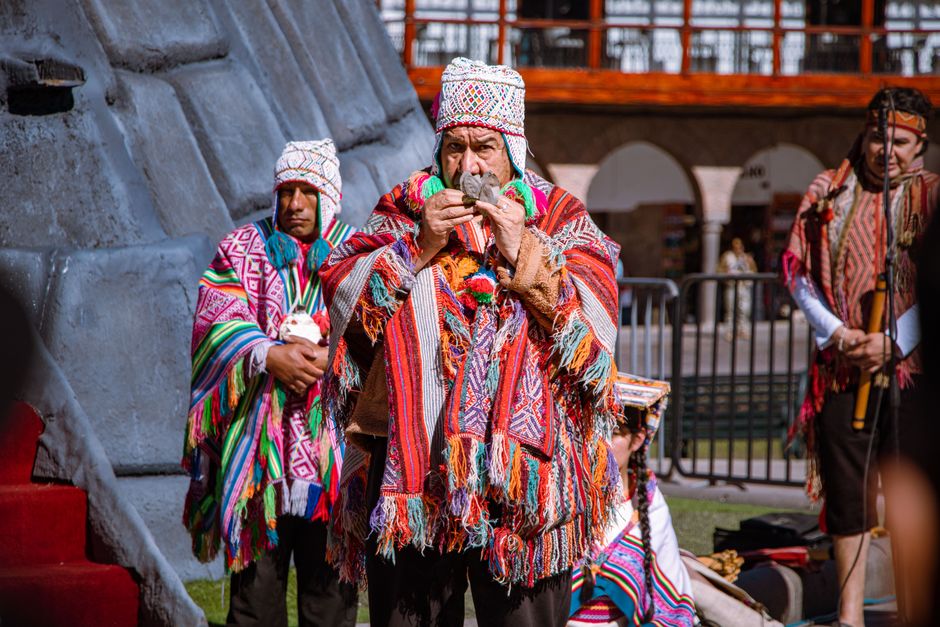
May is one of the absolute best months to visit. The skies are generally clear, and temperatures are comfortable. By June, the peak tourist season has arrived. June brings the winter solstice and Cusco’s most important festival, Inti Raymi. The city is packed with both domestic and international tourists. You must secure your tickets for Machu Picchu from Cusco months in advance.
July and August
July is the coldest month of the year at night, with temperatures regularly dropping below freezing. However, the days are bright and sunny. National holidays around July 28th (Fiestas Patrias) mean the city remains incredibly busy. August is still squarely in the dry season but is known for high winds. The skies remain clear, making it a reliable month for trekking, but you will need a heavy windbreaker.
September and October
The second shoulder season begins in September. The crowds start to thin out as the North American and European summer holidays end. The weather warms up slightly, and the first sporadic spring showers arrive, settling the dust on the trails. October is a fantastic month to visit. You get a great balance of manageable crowds, mild temperatures, and mostly dry weather. It is ideal for exploring the Sacred Valley towns of Pisac and Ollantaytambo without battling tour bus crowds.
November and December
The rainy season officially begins in November. Showers become more frequent, but they are usually short-lived. This is a good time to score deals on flights and hotels while still enjoying plenty of dry hours to explore the best things to do in Cusco, like wandering the Qorikancha or the ruins of Sacsayhuamán, located just 2 km uphill from the main square. By December, rain is common, but the city comes alive with festive energy.
Festivals Worth Timing Your Trip Around
Cusco hosts several massive cultural and religious events throughout the year. If you visit during these dates, book your accommodation at least six months ahead.
- Semana Santa (March/April): Holy Week brings vibrant processions to the Plaza de Armas. The most important is the parade of El Señor de los Temblores (Lord of the Earthquakes) on Holy Monday, where a blackened crucifix is carried through streets carpeted in red ñucchu flowers.
- Corpus Christi (May/June): Held 60 days after Easter Sunday. Statues of saints from fifteen different parishes are carried in massive silver processions to the Cathedral. It is also the traditional time to eat Chiriuchu, a cold dish of guinea pig, chicken, sausage, and cheese.
- Inti Raymi (June 24): The Inca Festival of the Sun. Hundreds of actors recreate ancient ceremonies at the Qorikancha, the Plaza de Armas, and finally the sprawling ruins of Sacsayhuamán. The city is at its absolute busiest.
- Santurantikuy (December 24): A massive traditional arts and crafts market takes over the Plaza de Armas. Artisans from all over the Andes gather to sell religious figurines, textiles, and ceramics.
Best Time to Visit Cusco for Specific Activities
Trekking the High Andes
If you plan to hike the Salkantay, Ausangate, or Inca Trail, the dry season from May to September is mandatory for safety and visibility. Hiking in the rainy season means battling slippery stone steps, deep mud, and heavy cloud cover that obscures the mountain peaks. Remember that nights in a tent at 4,000 metres will drop well below freezing in June and July, so a four-season sleeping bag is non-negotiable.
Visiting Rainbow Mountain
To see the famous mineral stripes of Vinicunca or Palccoyo, visit between April and November. If you visit during the rainy season (December to March), heavy precipitation often falls as snow at an elevation of 5,200 metres (17,060 feet). If it snows, the stripes will be completely covered, leaving you staring at a plain white peak.
Photography
April and May are the undisputed best months for photography. The heavy rains of the preceding months leave the agricultural terraces of the Sacred Valley and the hillsides surrounding Cusco a vibrant, saturated green. Because the dry season is just beginning, the skies are generally clear of clouds, providing perfect natural lighting. In contrast, by August and September, the lack of rain turns the landscape a dry, dusty brown.
Avoiding the Crowds
Late November and early December offer the best window for quiet streets without the torrential daily downpours of February. You can walk into popular restaurants without a reservation and explore the ruins of the Sacred Valley in relative peace.
What to Pack for Different Seasons
Packing for the Dry Season (May to October)
Because the temperature fluctuates so wildly between midday and midnight, you must pack for two different climates. Bring lightweight, breathable t-shirts and high-SPF sunscreen for the intense daytime UV rays. For the evenings, you need a heavy fleece, a windbreaker, and thermal base layers. A warm wool hat (chullo) and gloves are essential if you are heading out early for day tours.
Packing for the Rainy Season (November to April)
Leave the heavy winter coats at home and focus on waterproof layers. A high-quality Gore-Tex jacket and waterproof hiking boots are vital to navigate the muddy trails and flooded cobblestone streets. Quick-dry hiking trousers are much better than jeans, which take days to dry in the humid air. Bring a sturdy travel umbrella; it is often too warm to wear a heavy raincoat while walking around the city centre.
Plan Your Trip
No matter when you visit, packing layers is the single most important rule for Cusco. The intense high-altitude sun will have you in a t-shirt at noon, but the moment the sun dips behind the mountains at 5:30 PM, the temperature drops rapidly, and you will need a fleece and a jacket.
To start putting your daily schedule together, read our detailed Cusco itinerary. It covers exactly how to structure your days to ensure proper acclimatisation while hitting all the major archaeological sites and local markets.