Choosing the best countries to visit in South America comes down to your travel style, budget, and how much time you have. The continent spans diverse climates, from the arid Atacama Desert to the dense Amazon rainforest, meaning no two countries offer the same experience. This guide breaks down the top destinations to help you decide where to focus your trip.
Quick Picks: The Best Countries to Visit in South America by Travel Style
If you are short on time and want to match a destination to your specific interests, here is a quick breakdown of where to look first.
- Best for Hiking and Mountains: Chile, Argentina, and Peru. These three dominate the Andes and Patagonia, offering everything from the Inca Trail to the W Trek in Torres del Paine.
- Best for Wildlife: Ecuador and Brazil. The Galapagos Islands in Ecuador provide unmatched close encounters with endemic species, while Brazil’s Pantanal is the best place on the continent to spot wild jaguars.
- Best for Food and Wine: Peru and Argentina. Lima is a global gastronomic capital, while Argentina offers world-class Malbecs in Mendoza and exceptional steak in Buenos Aires.
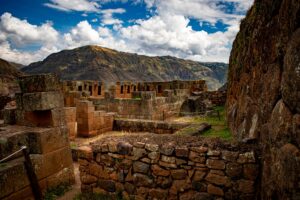
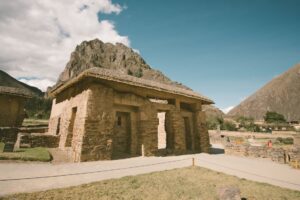
- Best for Culture and History: Peru, Colombia, and Bolivia. Explore Inca ruins in the Sacred Valley, vibrant indigenous markets in La Paz, and perfectly preserved colonial architecture in Cartagena.
- Best for Budget Travellers: Bolivia and Colombia. Both offer excellent value for accommodation, local transport, and food compared to the southern cone.
Country-by-Country Guide to the Best Countries to Visit in South America
Peru
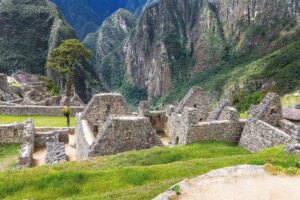
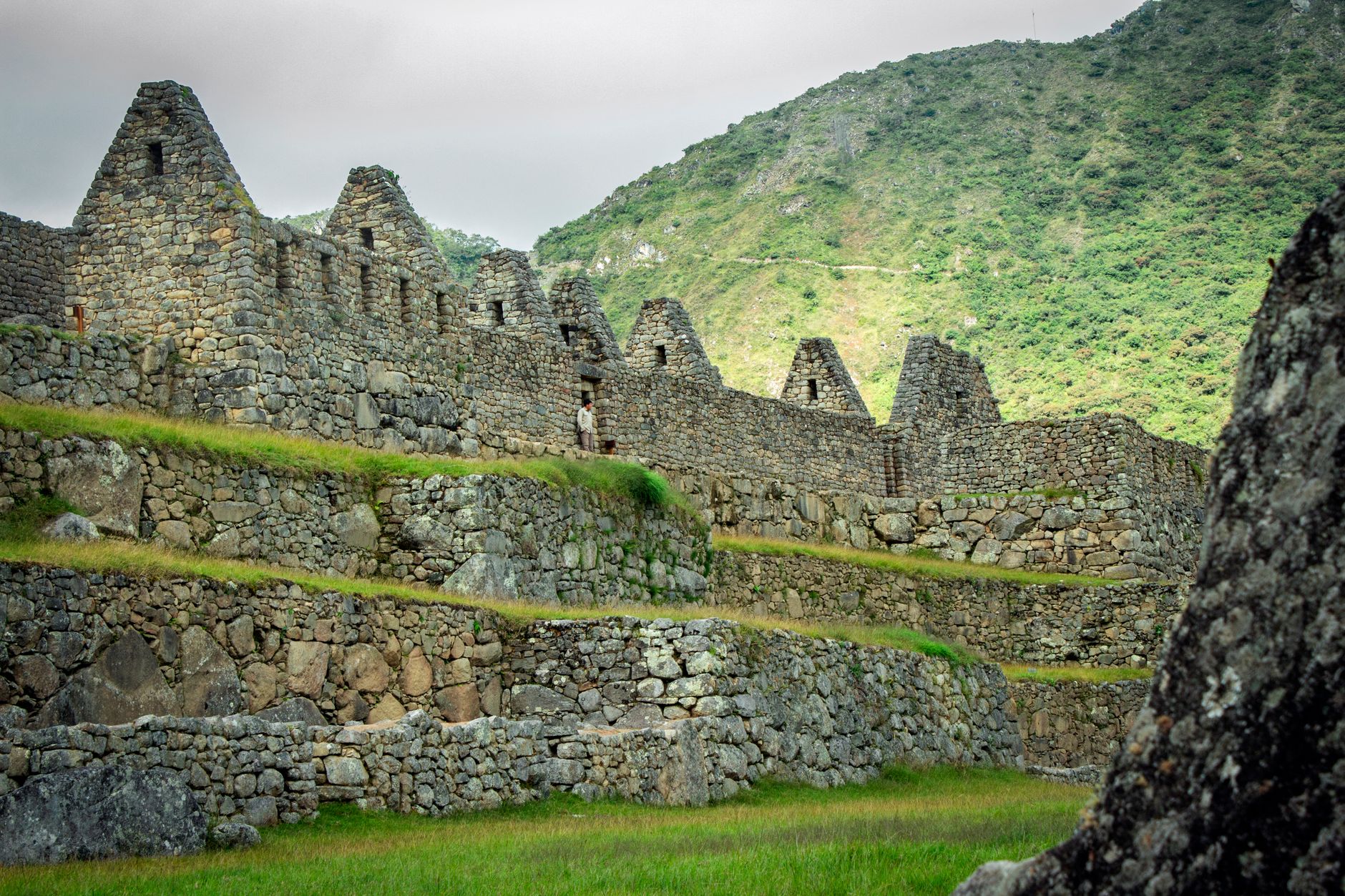
Peru is often the first stop for travellers heading to South America, and for good reason. It holds the continent’s most famous archaeological site, Machu Picchu, alongside a staggering variety of landscapes. You can surf the Pacific coast, hike snow-capped Andean peaks, and navigate the Amazon basin all in a single trip.
Lima serves as the entry point and deserves a few days for its food scene alone. Restaurants in the Miraflores and Barranco neighbourhoods consistently rank among the best in the world. From there, most visitors fly 80 minutes inland to Cusco (altitude 3,399 m). Because Cusco sits so high, it is smarter to take a taxi straight down into the Sacred Valley (around 2,800 m) to acclimatise before tackling the Inca Trail or taking the train from Ollantaytambo to Aguas Calientes. Read more about Altitude Sickness in the Andes: How to Prepare.
Getting around: Peru has a well-established bus network. Companies like Cruz del Sur offer comfortable, reclining seats that make overnight journeys from Lima to Arequipa or Puno manageable. For longer distances, domestic flights with LATAM are frequent and reliable.
- Best for: Ancient history, diverse trekking routes, and world-class gastronomy.
- Best time to go: May to September. This is the dry season in the Andes, offering clear skies for hiking, though temperatures in Cusco drop to 0°C (32°F) at night.
- Daily budget: $50 to $150 USD. You can eat cheaply at local markets, but boutique hotels in the Sacred Valley and train tickets to Machu Picchu will push your budget up.
Argentina
Argentina is defined by its vastness and its distinct European influence. Buenos Aires feels more like Madrid or Paris than a typical South American capital, with its wide avenues, historic cafes, and late-night steak dinners in Palermo or San Telmo. In the far north, the Iguazu Falls straddle the border with Brazil, offering a subtropical contrast to the rest of the country.
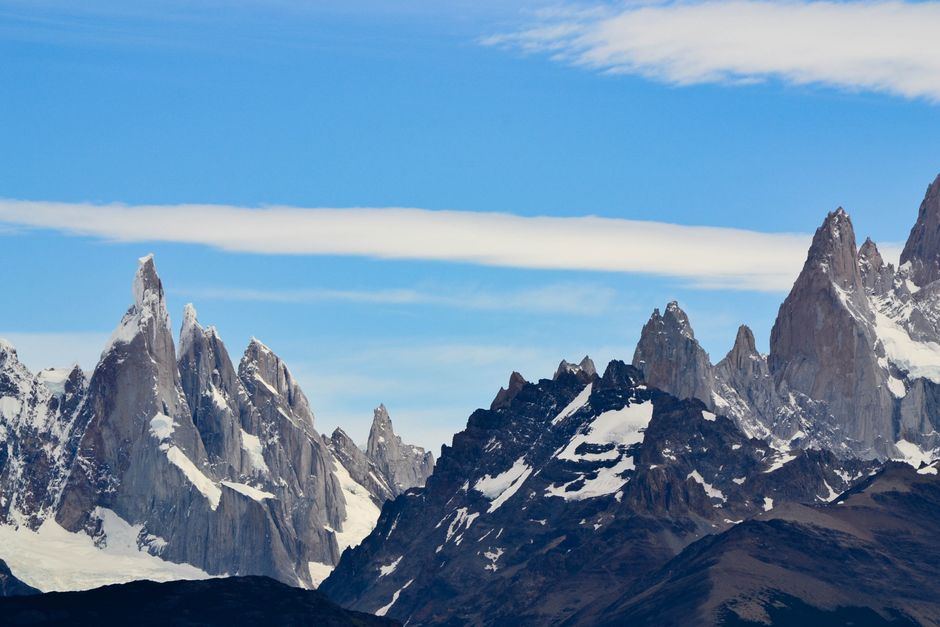
The main draw for outdoor enthusiasts is the deep south. Argentine Patagonia is home to the Perito Moreno Glacier near El Calafate and the jagged peaks of Mount Fitz Roy near El Chalten. The hiking infrastructure here is excellent, with well-marked trails that range from easy day walks to challenging multi-day routes. For a full breakdown of this region, see our Patagonia Travel Guide: Chile and Argentina.
Getting around: The distance from Buenos Aires to Mendoza is over 1,000 km, and down to Patagonia is over 2,500 km. While long-distance buses are luxurious, they take 15 to 24 hours. Low-cost airlines like Flybondi and JetSmart are essential for covering ground efficiently.
- Best for: Road trips, glaciers, wine tasting, and steak.
- Best time to go: October to April for Patagonia. Buenos Aires and Mendoza are great year-round, though January can be aggressively hot, often exceeding 30°C (86°F).
- Daily budget: $60 to $180 USD. Argentina’s economy and exchange rates fluctuate, but travelling with USD generally provides excellent purchasing power for high-end food and wine.
Colombia
Colombia has transformed over the last two decades into one of the most welcoming and vibrant destinations on the continent. It is the only country in South America with coastlines on both the Pacific Ocean and the Caribbean Sea. The atmosphere here is energetic, driven by salsa music, excellent coffee, and famously friendly locals.
Bogota, the high-altitude capital (2,640 m), offers excellent museums, including the Gold Museum. Medellin, set in a valley and connected by an innovative cable car system, is a hub for digital nomads and spring-like weather. Further north, the walled city of Cartagena drips with colonial charm, though the heat and humidity are intense. Inland, the Coffee Axis (Eje Cafetero) around Salento is essential for hiking the Cocora Valley beneath towering wax palms.
Getting around: Colombia is mountainous, making bus travel incredibly slow. A 300 km journey can easily take 10 hours. Fortunately, domestic airlines like Avianca and Wingo offer cheap, frequent flights between all major cities.
- Best for: Caribbean beaches, coffee farm tours, vibrant city life, and music.
- Best time to go: December to March is the driest period, making it ideal for hiking in Tayrona National Park or exploring the coffee region.
- Daily budget: $40 to $120 USD. Local transport and food (like arepas and menu del dia lunches) are very cheap, keeping costs low.
Chile
Chile is a geographical extreme. At 4,270 km long but averaging only 177 km wide, it is squeezed between the Andes mountains and the Pacific Ocean. This unique shape creates distinct zones: the bone-dry Atacama Desert in the north, the fertile central valleys around Santiago, and the wild fjords and glaciers of Patagonia in the south.
San Pedro de Atacama is the base for exploring salt flats, geysers, and lunar landscapes. The high altitude and lack of light pollution make it one of the best stargazing destinations on earth. In the south, Torres del Paine National Park is the crown jewel, drawing thousands of hikers each summer to complete the famous W Trek. Santiago and the coastal city of Valparaiso provide a cultural break between the extremes.
Getting around: You must fly. Taking a bus from Santiago to the Atacama takes 24 hours. Sky Airline, JetSmart, and LATAM connect the country from Calama in the north to Punta Arenas in the south.
- Best for: Extreme landscapes, stargazing, and remote wilderness trekking.
- Best time to go: October to April for Patagonia. The Atacama Desert is accessible year-round, though summer (January to February) can bring brief, heavy rains.
- Daily budget: $70 to $200 USD. Chile is one of the most expensive countries in South America. Accommodation and national park fees in Patagonia will take up a large portion of your budget.
Brazil
Brazil is larger than the contiguous United States. You cannot see it all in one trip, so it is best to treat it as a collection of distinct regions. The culture here is distinct from the rest of the continent, driven by the Portuguese language, Afro-Brazilian heritage, and a deep connection to the coast.
Rio de Janeiro is visually stunning, with lush green mountains dropping straight down to the beaches of Copacabana and Ipanema. Salvador, in the northeast state of Bahia, is the heart of Afro-Brazilian culture and colonial architecture. For nature, the Amazon is accessible via Manaus, but the Pantanal wetlands in the southwest offer vastly superior wildlife viewing, particularly for jaguars, capybaras, and macaws.
Getting around: Distances are massive. A flight from Rio de Janeiro to Manaus takes four hours. You will need to rely on domestic flights (Gol, Azul, LATAM) to move between regions.
- Best for: Iconic beaches, massive waterfalls (Iguacu), wildlife spotting, and carnival culture.
- Best time to go: May to September for wildlife in the Pantanal and Amazon. December to March is peak summer for the beaches of Rio, though temperatures regularly exceed 35°C (95°F).
- Daily budget: $60 to $160 USD. Internal flights and guided jungle lodges add up, but food and caipirinhas at local kiosks are very affordable.
Ecuador
Ecuador packs the best of South America into a compact, manageable footprint. Within a few hours, you can travel from the high-altitude capital of Quito down into the Amazon basin or out to the Pacific coast. It is also one of the easiest countries to travel in, as it uses the US Dollar as its official currency.
The Galapagos Islands are the main reason people visit, located 1,000 km off the coast. The wildlife viewing here is strictly regulated but unparalleled, with blue-footed boobies, giant tortoises, and marine iguanas completely unfazed by humans. On the mainland, the Avenue of the Volcanoes offers excellent climbing and hiking around Cotopaxi, while the town of Baños is a hub for waterfalls and adventure sports. If you are deciding where to experience the jungle, read our guide on Visiting the Amazon: Brazil, Peru or Ecuador?.
Getting around: The mainland is easy to navigate by bus. The Pan-American Highway connects Quito to Cuenca efficiently. To reach the Galapagos, you must fly from Quito or Guayaquil to Baltra or San Cristobal.
- Best for: Endemic wildlife, short travel distances, and high-altitude volcanoes.
- Best time to go: June to September for the Andean highlands. The Galapagos are great year-round, though January to May brings warmer water for snorkelling.
- Daily budget: $45 to $130 USD for the mainland. A Galapagos trip will add $1,500 to $5,000 USD to your total, depending on whether you take a cruise or do a land-based tour.
Bolivia
Bolivia is rugged, raw, and incredibly rewarding for adventurous travellers. It is landlocked and sits at a high elevation, meaning travel here can be physically demanding. However, it retains a strong indigenous culture and offers some of the most surreal landscapes on the planet.
The Salar de Uyuni (Uyuni Salt Flats) is the standout attraction. Most visitors take a three-day 4×4 tour starting in Uyuni and ending at the Chilean border, passing red lagoons, geysers, and flocks of flamingos. La Paz is a dizzying city located at 3,640 m, navigated by a network of modern cable cars (Mi Teleférico). Nearby, Lake Titicaca provides a peaceful escape, with boats running out to the roadless Isla del Sol.
Getting around: Bus travel is the standard, but roads can be unpaved and rough. The overnight bus from La Paz to Uyuni takes about 10 hours. Domestic flights with BoA (Boliviana de Aviación) are cheap and highly recommended to skip the worst bus routes.
- Best for: Budget backpackers, surreal photography, and indigenous culture.
- Best time to go: May to October. This is the dry season, providing clear skies and cold nights. If you want to see the mirror effect on the salt flats, you need to visit during the rainy season (January to March).
- Daily budget: $30 to $80 USD. Bolivia is the cheapest country in South America. You can easily find private rooms for under $20 and local meals for $3.
South America Destination Comparison
Use this table to quickly compare the logistics of the best countries to visit in South America.
| Country | Top Highlight | Ideal Trip Length | Average Daily Budget (USD) |
|---|---|---|---|
| Peru | Machu Picchu & Sacred Valley | 2 to 3 weeks | $50 – $150 |
| Argentina | Patagonia & Buenos Aires | 2 to 4 weeks | $60 – $180 |
| Colombia | Caribbean Coast & Coffee Region | 2 to 3 weeks | $40 – $120 |
| Chile | Atacama Desert & Torres del Paine | 2 to 3 weeks | $70 – $200 |
| Brazil | Rio de Janeiro & Pantanal | 3 to 4 weeks | $60 – $160 |
| Ecuador | Galapagos & Cotopaxi | 2 weeks | $45 – $130 (mainland) |
| Bolivia | Uyuni Salt Flats & La Paz | 1 to 2 weeks | $30 – $80 |
How to Combine Countries on One Trip
If you have three weeks or more, combining two countries makes sense. Crossing borders in South America is generally straightforward, though it requires some logistical planning. Due to the size of the continent, it is best to group countries geographically rather than spending your budget on long international flights.
Classic Combinations:
- Peru and Bolivia: This is the classic Andean route. You can travel from Cusco to Puno, cross the border via bus along the shores of Lake Titicaca to Copacabana in Bolivia, and then continue to La Paz.
- Chile and Argentina: These two share the longest border in South America. You can easily cross the Andes by bus from Mendoza (Argentina) to Santiago (Chile) in about seven hours. In Patagonia, buses run daily between El Calafate (Argentina) and Puerto Natales (Chile).
- Colombia and Ecuador: You can fly cheaply from Bogota to Quito, or take the overland route crossing the border at Ipiales, stopping to see the famous Las Lajas Sanctuary.
For detailed route planning, check out our guide to South America Itineraries: 2 Weeks to 3 Months.
Plan Your Trip
Before booking flights, check your visa requirements. While many nationalities (US, UK, Australia) can enter most South American countries visa-free for up to 90 days, rules change (such as Brazil reinstating visa requirements for certain passports). Always verify entry rules on official government portals.
When packing, prepare for layers. You might be in a t-shirt in Lima but need a down jacket a few days later in Cusco. Finally, do not try to squeeze too much in. The biggest mistake travellers make is underestimating the travel time between regions. Pick one or two countries, move slowly, and enjoy the distinct culture of each stop. For more practical advice on safety, packing, and transport, head over to our comprehensive South America guide.