Choosing the best safari in Africa depends entirely on what wildlife you want to see, how you prefer to travel, and your budget. From the vast open plains of the Serengeti to the intricate waterways of the Okavango Delta, the continent offers distinctly different ecosystems. This guide breaks down the top parks, the ideal seasons for each, and the practical logistics of planning your trip.
Where to Find the Best Safari in Africa for Your Travel Style
Serengeti National Park, Tanzania
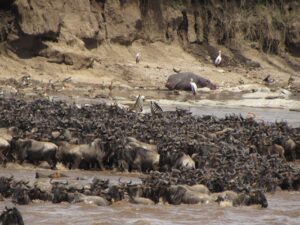
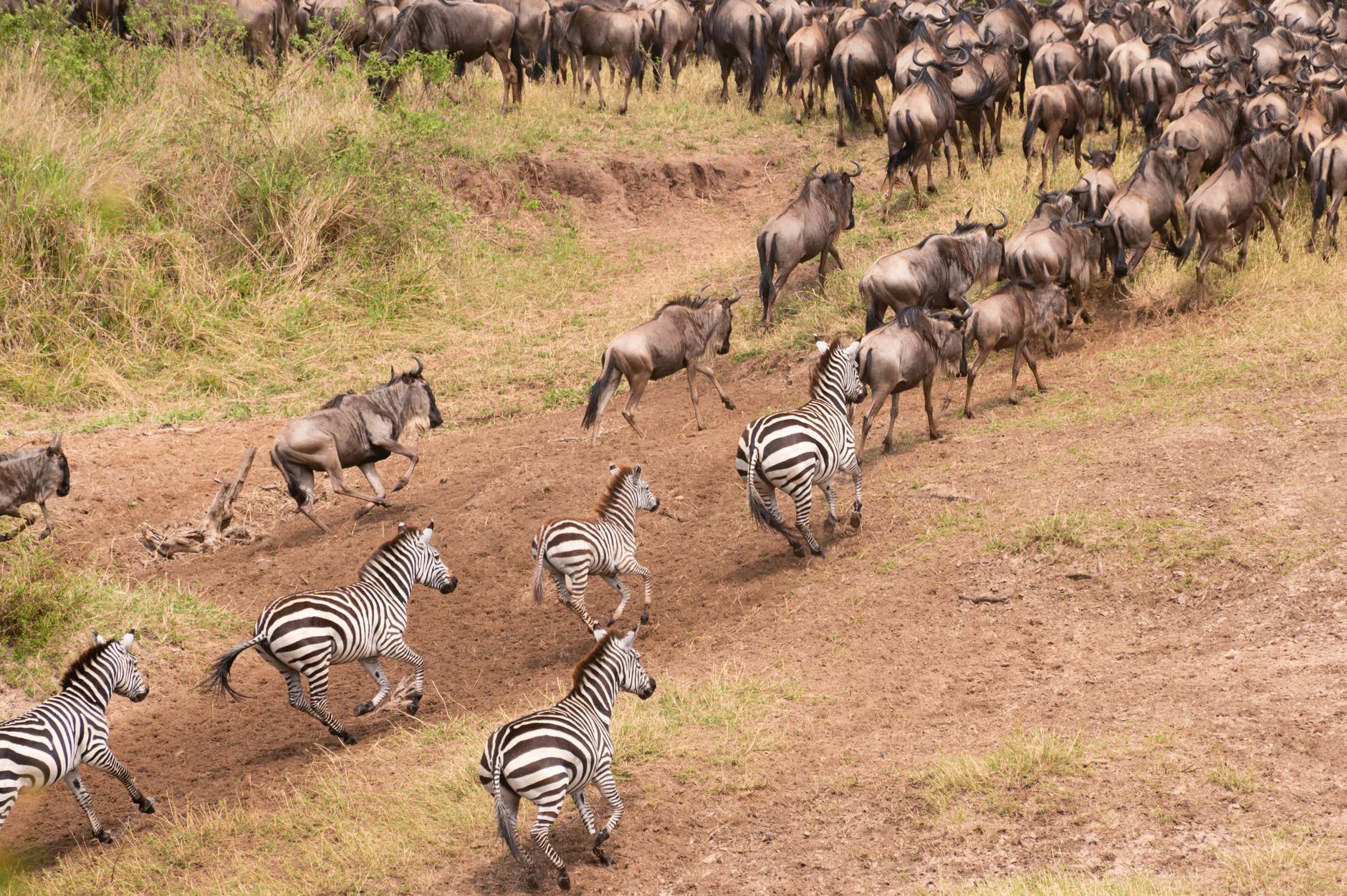
The Serengeti spans 14,763 square kilometres of classic East African savannah. It is famous for hosting the bulk of the Great Migration, where over 1.5 million wildebeest and zebra follow the seasonal rains. In February, the herds gather in the southern Ndutu region for calving season, attracting high concentrations of predators like lions and cheetahs. By July and August, the herds push north towards the Grumeti and Mara rivers for dramatic river crossings.
Logistics here rely heavily on light aircraft flights from Arusha or Kilimanjaro (JRO) into dirt airstrips like Seronera or Kogatende. You can drive from Arusha, but it is a dusty 350 km journey taking up to 8 hours. To time your visit with the herds, review our guide on The Great Migration: Kenya vs Tanzania, Month by Month.
Masai Mara National Reserve, Kenya
Kenya’s Masai Mara is the northern continuation of the Serengeti ecosystem. It is smaller and more condensed, meaning wildlife sightings are frequent and reliable. The Mara River is the focal point from July to October, where crocodiles wait for crossing wildebeest. The main national reserve can get heavily congested with vehicles during these peak months.
To escape the crowds, book a camp in one of the adjoining private conservancies, such as Mara North or Naboisho. These community-owned areas restrict vehicle numbers and permit off-road driving and night drives, which are strictly banned in the main reserve. The Mara is easily accessible via a 45-minute bush flight from Nairobi’s Wilson Airport, or a 270 km drive taking about 5 to 6 hours.
Kruger National Park & Private Reserves, South Africa
Kruger is the most accessible major safari destination on the continent. The national park features a massive network of tarred and well-graded dirt roads, making it the top choice for self-drive safaris. You can rent a standard car at O.R. Tambo International Airport in Johannesburg, drive 400 km east, and navigate between large, fenced rest camps like Skukuza and Lower Sabie.
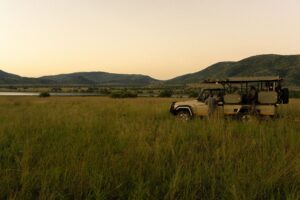
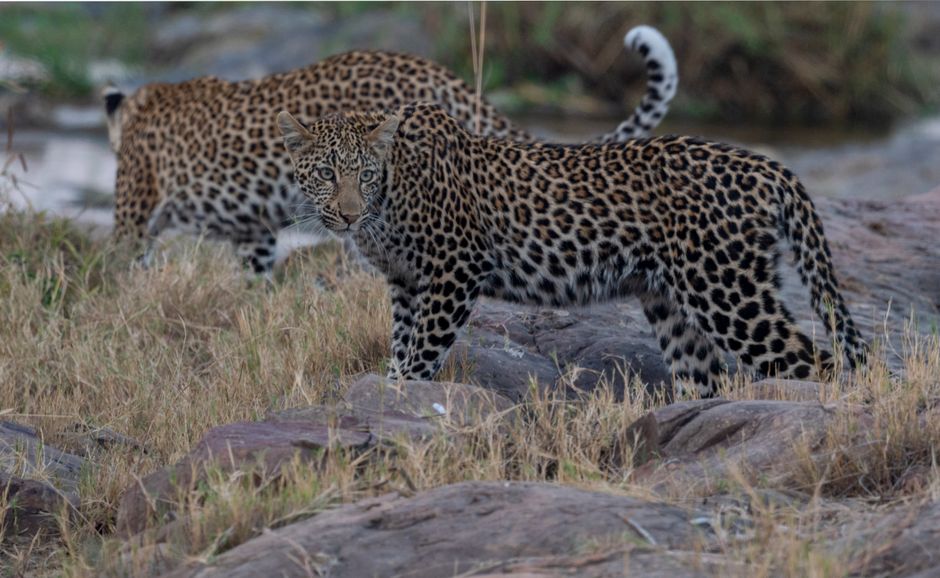
For a more exclusive experience, look to the private reserves sharing an unfenced border with Kruger’s western edge, such as Sabi Sands or Timbavati. Sabi Sands is globally recognised as the best place to see leopards in the wild. Lodges here use open-sided Land Cruisers and employ expert trackers who sit on the bonnet to spot fresh animal tracks.
Okavango Delta & Chobe National Park, Botswana
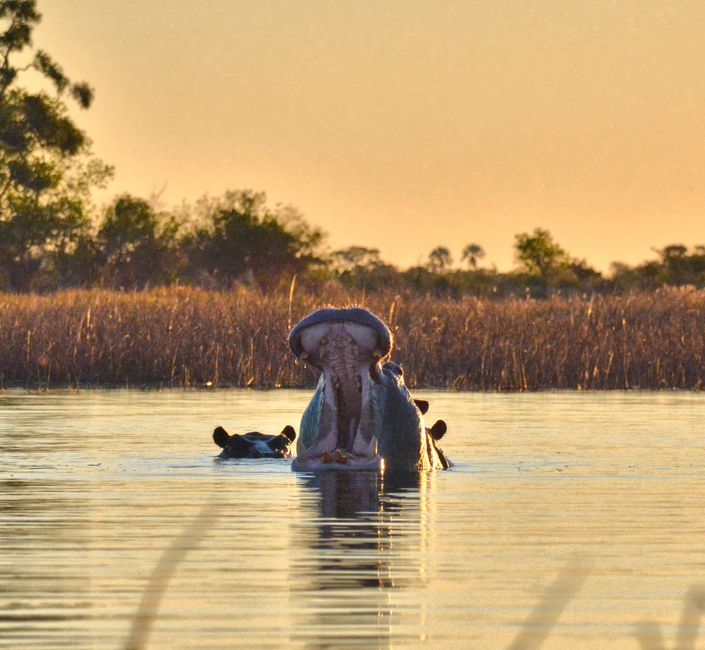
Botswana operates on a high-cost, low-volume tourism model. The Okavango Delta is an inland river system that floods during the dry winter months, creating a maze of papyrus-lined channels and islands. Safaris here are water-based. You explore silently in a mokoro (traditional dugout canoe) or motorboat, getting eye-level with hippos and elephants. Maun serves as the aviation hub for the light aircraft flights into the Delta.
Further north, Chobe National Park is defined by the Chobe River and supports the largest concentration of elephants in Africa, estimated at over 120,000. Chobe is highly accessible from Kasane, making it an easy day trip or extension if you are visiting nearby Victoria Falls.
South Luangwa National Park, Zambia
South Luangwa is the birthplace of the commercial walking safari. While game drives are available, the primary draw is tracking wildlife on foot with an armed scout and an expert guide. Walking forces you to focus on the micro-ecosystem: tracks, dung, insects, and alarm calls.
The park is accessed via flights into Mfuwe. It is also one of the few national parks in East or Southern Africa that permits night drives, offering a rare chance to see nocturnal species like porcupines, honey badgers, and active hunting leopards.
Decoding Safari Seasons: When to Travel
Safari seasons dictate animal behaviour, landscape visibility, and lodge pricing. The continent generally splits into two distinct periods.
The Dry Season (June to October): This is peak safari season across East and Southern Africa. The bush dies back, making animals easier to spot. Water sources dry up, forcing wildlife to congregate around remaining rivers and permanent waterholes. Expect cold mornings. In Kruger or Hwange, dawn temperatures regularly drop to 5°C (41°F) before warming to 25°C (77°F) by midday.
The Green Season (November to May): The summer rains transform the brown savannah into thick, green vegetation. Wildlife disperses because water is plentiful everywhere. While big cats are harder to spot in tall grass, this is the best time for birdwatching, seeing newborn animals, and securing lower lodge rates. Rains typically fall as brief, heavy afternoon thunderstorms.
| Destination | Peak Wildlife Season | Green Season | Primary Highlight |
|---|---|---|---|
| Serengeti, Tanzania | June – October | November – May | Great Migration, Big Cats |
| Kruger, South Africa | May – September | October – April | Big Five, Self-Drive |
| Okavango, Botswana | June – October | December – March | Water Safaris, Elephants |
| South Luangwa, Zambia | July – October | January – April | Walking Safaris, Leopards |
How to Budget for the Best Safari in Africa
Safari costs vary drastically based on location, accommodation style, and logistics. Daily rates generally include accommodation, meals, game drives, and park fees, but exclude international flights and premium drinks.
- Budget ($150 – $300 per day): Self-driving in South Africa or Namibia, staying in national park rest camps, cooking your own meals, or joining large overland truck tours in East Africa.
- Mid-Range ($400 – $800 per day): Comfortable tented camps or classic lodges. You share game viewing vehicles with 4 to 6 other guests. This is the sweet spot for value in Kenya and Tanzania.
- Luxury ($1,000 – $3,000+ per day): Exclusive private conservancies, fly-in access, private plunge pools, and highly personalised guiding. Botswana and South Africa’s Sabi Sands dominate this tier.
Park fees are a significant hidden cost. In Tanzania, visiting the Serengeti and the Ngorongoro Crater incurs fees exceeding $100 per person, per day, before you even pay for a bed or a guide.
Common Safari Mistakes to Avoid
Overpacking for bush flights: Light aircraft (like Cessna Caravans) strictly enforce a 15 kg (33 lbs) luggage limit per person. This must be packed in soft-sided duffel bags without wheels, as they need to be squashed into small cargo pods. Leave the hard-shell suitcases at home.
Moving too fast: Africa is massive, and transit times between parks are long. Spending one night in each camp guarantees exhaustion. Stay at least three nights per camp to settle into the rhythm of early morning wake-ups and afternoon game drives. To pace your trip correctly, follow one of our Africa Itineraries: Classic 2-Week to 1-Month Routes.
Ignoring health precautions: Most prime safari areas, including Kruger, the Serengeti, and the Okavango Delta, are in malaria zones. Yellow fever certificates are also mandatory if you are transiting through certain countries. Review our checklist for Vaccinations and Health Prep for Travel in Africa and consult a travel clinic well before departure.
Extending Your Trip: Beyond the Bush
A safari pairs perfectly with contrasting landscapes. After a week of dusty game drives, many travellers head to the coast. Zanzibar is a short flight from mainland Tanzania, offering white sand beaches and the historic alleys of Stone Town. If you are in Kenya, Diani Beach provides a similar Indian Ocean retreat.
For Southern Africa itineraries, Cape Town is the natural extension. You can spend days exploring Table Mountain, the Cape Peninsula, and the nearby Winelands. You can start planning your broader trip with our Africa guide, or narrow down your options by reading our breakdown of the Best Countries to Visit in Africa.
Plan Your Trip
Top safari lodges have limited capacity—often just 8 to 12 tents—and book up 9 to 12 months in advance for the peak dry season. Decide on your primary wildlife goal first, lock in your flights to the major hubs (Johannesburg, Nairobi, or Dar es Salaam), and use a reputable local ground handler to manage the complex web of internal bush flights, park fees, and camp transfers. Pack layers, bring a good pair of binoculars, and prepare for early mornings.