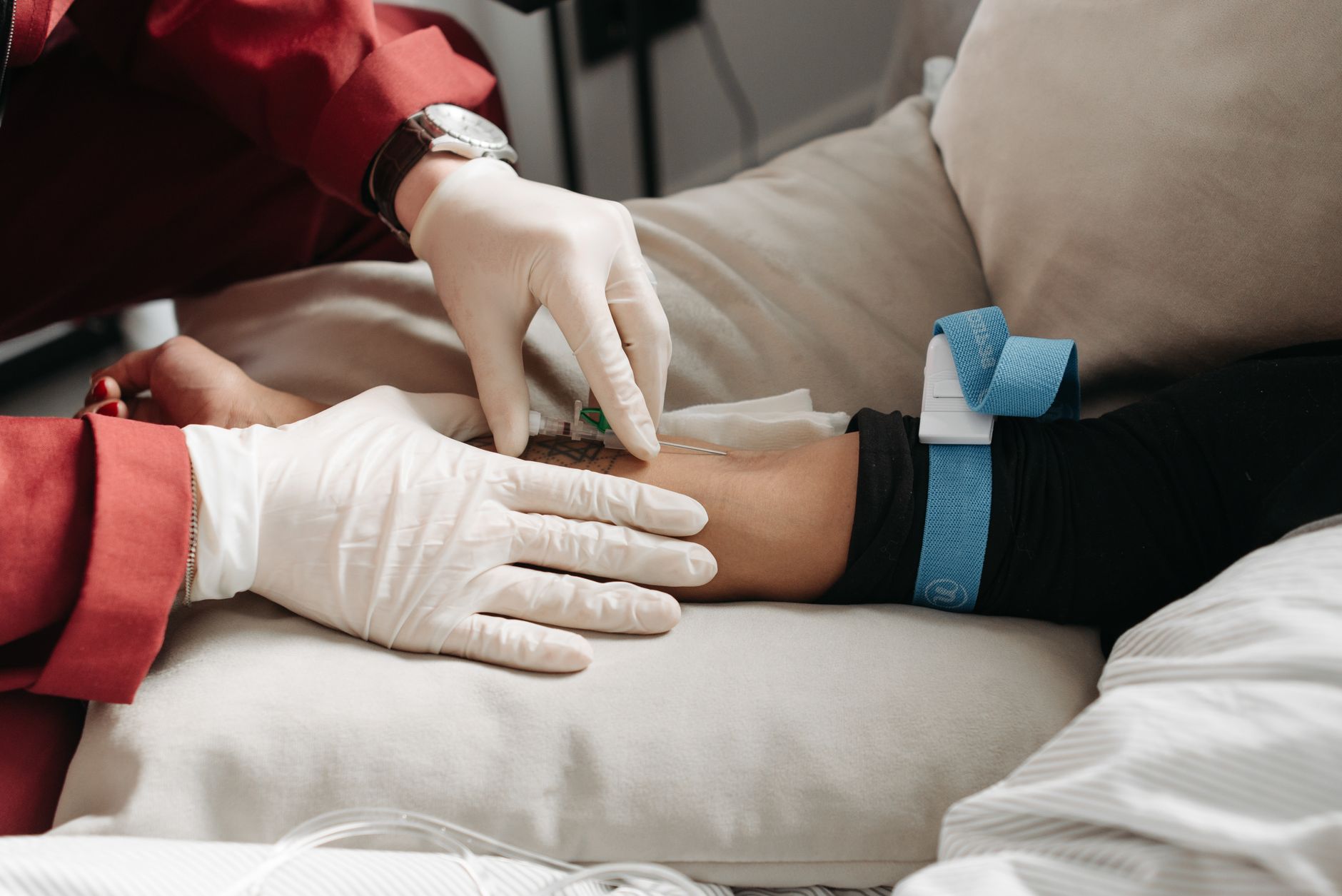
Getting your Africa travel vaccinations sorted is a critical first step for any trip to the continent. Requirements vary wildly depending on your exact route, with some countries mandating yellow fever certificates for entry and others requiring specific malaria prophylaxis based on the season. Booking a travel clinic appointment four to eight weeks before departure ensures you have enough time for multi-dose immunisation schedules to take full effect.
Africa Travel Vaccinations: What You Actually Need
There is no single list of required jabs for the entire continent. Health protocols depend entirely on the specific countries you visit, the style of your trip, and your personal medical history. A luxury fly-in safari in Botswana carries different risks than a month-long overland truck tour through West Africa.
Most travel medicine specialists will start by ensuring your routine vaccinations are up to date. From there, they will recommend travel-specific immunisations based on regional risks.
| Vaccine | Type | Recommendation for Africa | Typical Validity |
|---|---|---|---|
| Hepatitis A | Injection | Highly recommended. Protects against food and waterborne transmission. | 1 year (initial), 25+ years (booster) |
| Typhoid | Injection or Oral | Highly recommended. Essential for areas with limited sanitation. | 3 years (injection), 5 years (oral) |
| Tetanus/Diphtheria/Polio | Injection (Combined) | Essential baseline. Tetanus risk exists everywhere via cuts/scrapes. | 10 years |
| Rabies | Injection (Series) | Recommended for remote safaris or extended travel. | Varies (requires post-exposure boosters) |
| Yellow Fever | Injection | Mandatory for specific countries or when transiting endemic zones. | Lifetime |
The Yellow Fever Requirement Explained
Yellow fever causes the most logistical headaches for international travellers. Unlike other vaccines that are purely for your own protection, the yellow fever vaccine is strictly regulated by international border control. If you require it, you will be issued an International Certificate of Vaccination or Prophylaxis (ICVP)—a small yellow booklet.
This certificate becomes valid 10 days after you receive the injection. As of recent global health updates, the certificate is valid for life, meaning you do not need a booster every 10 years as was previously required. You must carry the physical booklet with your passport; border officials rarely accept digital scans or photocopies.
Some countries, such as Uganda, the Democratic Republic of Congo, and Ghana, require proof of yellow fever vaccination for all arriving travellers, regardless of origin. Other nations, like South Africa or Botswana, only require the certificate if you are arriving from a country with a risk of yellow fever transmission. This includes transit stops. If you have a layover longer than 12 hours in Nairobi (Kenya) or Addis Ababa (Ethiopia), your destination country may demand to see your yellow card upon arrival.
Managing Malaria Risk Across the Continent
Malaria is a mosquito-borne parasite, meaning there is no widely available commercial vaccine for short-term travellers. Instead, you prevent it through a combination of bite avoidance and oral prophylaxis (antimalarial tablets).
Mosquitoes thrive when temperatures stay above 20°C (68°F) and standing water is plentiful. In places like South Africa’s Kruger National Park or Namibia’s Etosha National Park, malaria risk is highly seasonal, peaking during the wet summer months from November to April. In equatorial East Africa (Kenya, Tanzania, Uganda), the risk remains present year-round.
The most common prophylactic is Atovaquone-proguanil, sold under the brand name Malarone. It is popular because you only need to start taking it one to two days before entering the malaria zone, and you stop just seven days after leaving. It also generally presents fewer side effects. Doxycycline is a cheaper alternative but must be taken for four weeks after leaving the risk area and can cause severe sun sensitivity—a major drawback under the harsh African sun. Mefloquine (Lariam) is taken weekly but is notorious for causing vivid dreams and psychological side effects, making it less frequently prescribed today.
If you prefer to avoid antimalarials entirely, you can opt for a malaria-free safari. South Africa offers exceptional game viewing in the Eastern Cape (such as Addo Elephant National Park) and the Madikwe Game Reserve, which are completely free from malaria year-round.
Timeline and Costs for Africa Travel Vaccinations
Do not leave your health preparations to the last minute. You should book an appointment with a dedicated travel clinic at least four to eight weeks before your departure. Some immunisations, like the pre-exposure rabies series, require multiple doses spread across three to four weeks.
Costs vary significantly depending on your home country’s healthcare system. In the US and UK, travel vaccines are often considered elective and are rarely fully covered by standard health insurance or the NHS.
- Yellow Fever: Expect to pay between $150 and $250 USD, which includes the physical ICVP booklet.
- Typhoid and Hepatitis A: Usually priced between $100 and $150 USD each.
- Rabies Series: One of the most expensive preparations, often costing $300 to $500 USD for the complete three-dose pre-exposure course.
- Malaria Prophylaxis: Generic Malarone typically costs $2 to $4 USD per pill. For a two-week safari, expect to spend around $50 to $80 USD.
Beyond Vaccines: Tsetse Flies and Bilharzia
Vaccinations do not cover all regional health risks. In East and Central Africa, you will likely encounter tsetse flies. These large, biting flies inhabit woodland areas and can carry African Trypanosomiasis (sleeping sickness). They bite straight through thin clothing and are highly attracted to dark blue and black fabrics. This is the practical reason why traditional safari clothing relies on neutral khaki, green, and tan tones.
Schistosomiasis, commonly known as bilharzia, is another risk in specific regions. It is caused by parasitic worms that live in freshwater snails. You contract it by swimming, wading, or washing in infected lakes and slow-moving rivers. Lake Malawi, Lake Victoria, and parts of the Zambezi River are known hotspots. The easiest prevention is simply staying out of untreated freshwater. If you do accidentally get exposed, bilharzia is easily treated with a short course of Praziquantel, though symptoms can take weeks to appear.
Packing Your Safari Medical Kit
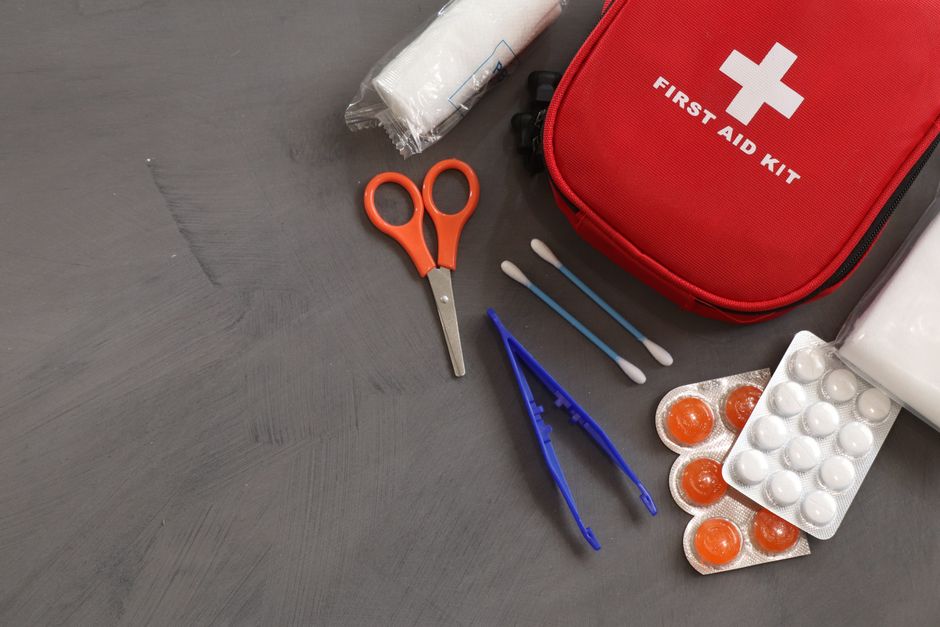
Safari lodges are often located hundreds of kilometres from the nearest pharmacy. You must bring a well-stocked medical kit with sufficient supplies for your entire trip.
Start with a high-quality insect repellent containing 30% to 50% DEET. Picaridin is a good alternative if you are sensitive to DEET. You should also treat your safari clothing with Permethrin spray before you leave home; it binds to the fabric and kills ticks and mosquitoes on contact through multiple washes.
Pack oral rehydration salts (like Dioralyte) and an anti-diarrhoeal medication (like Loperamide). Traveller’s diarrhoea is common as your stomach adjusts to different cooking oils and local bacteria. Discuss a standby antibiotic, such as Azithromycin or Ciprofloxacin, with your travel doctor to treat severe bacterial stomach bugs while in the bush. Finally, include standard first-aid items: blister plasters, antihistamines for mild allergic reactions, ibuprofen, and hydrocortisone cream for insect bites.
Common Health Mistakes to Avoid
A frequent mistake is assuming the pre-exposure rabies vaccine makes you immune. It does not. It simply buys you crucial time—extending your window to seek medical help from 24 hours to a few days—and reduces the amount of post-exposure prophylaxis (PEP) you need. In remote areas like Tanzania’s Serengeti or Zambia’s South Luangwa, sourcing PEP quickly is logistically difficult, making the pre-exposure jabs highly valuable. Avoid petting stray dogs in cities or allowing monkeys to approach you at tourist sites like Victoria Falls.
Another error is drinking tap water. Unless a luxury lodge specifically confirms their tap water runs through a reverse-osmosis filter, stick to sealed bottled water or filtered water provided in dining areas. Use this safe water for brushing your teeth, and ask for drinks without ice if you are unsure of the water source.
Planning Your Route Around Health Logistics
Health requirements should actively shape your itinerary. When reading our comprehensive Africa guide, you will notice that border crossings often trigger sudden vaccination demands. Choosing a route requires balancing your desired wildlife sightings with your willingness to handle specific medical logistics.
If you are deciding on the Best Countries to Visit in Africa, consider your medical history. Travellers who cannot take the yellow fever vaccine due to age or immune conditions should focus on Southern Africa rather than East or Central Africa.
Looking at the Best Safari Destinations in Africa: Where to Go and When, keep in mind that malaria risk fluctuates heavily with the rains. Visiting the Okavango Delta in the dry winter (July) presents a much lower mosquito risk than visiting in the wet summer (January).
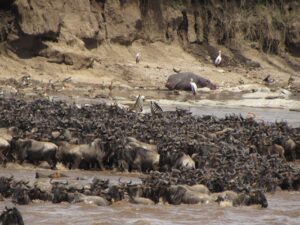
If you are tracking The Great Migration: Kenya vs Tanzania, Month by Month, remember that crossing the land border at Isebania or flying directly from Nairobi into Kilimanjaro means Tanzanian border guards will ask for your yellow fever certificate, as Kenya is an endemic zone.
Finally, when building Africa Itineraries: Classic 2-Week to 1-Month Routes, factor in the cost and logistics of long-term malaria prophylaxis. Taking Malarone daily for a month-long overland trip becomes expensive, which is why some long-term backpackers switch to Doxycycline despite the sun sensitivity.
Plan Your Trip
Always purchase comprehensive travel insurance that includes emergency medical evacuation. If you are travelling in East Africa, consider buying a short-term tourist membership with AMREF Flying Doctors. For around $15 to $30 USD, this provides air evacuation from remote bush airstrips directly to high-quality medical centres in Nairobi, bypassing poorly equipped rural clinics.
Carry copies of your prescriptions, keep all medications in their original labelled packaging, and pack your essential pills in your hand luggage. With the right preparation, a few simple daily precautions, and your Africa travel vaccinations sorted early, you can focus entirely on the wildlife and landscapes of your trip.