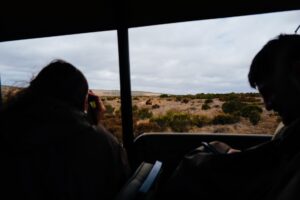
Choosing exactly where to go on a massive continent requires narrowing down what you want to experience. The best countries to visit in Africa range from the wildlife-rich savannahs of the east to the arid deserts of the southwest and the ancient monuments of the north. Whether you want to drive yourself along coastal routes, track mountain gorillas on foot, or watch millions of wildebeest cross a river, the right destination exists.
This breakdown covers the top choices based on logistics, costs, and primary attractions. For a broader overview of regions and planning logistics, start with our Africa guide.
Quick Picks for the Best Countries to Visit in Africa
- First-time safari and varied landscapes: South Africa
- Classic savannah wildlife: Kenya or Tanzania
- Desert scenery and road trips: Namibia
- Exclusive, water-based safaris: Botswana
- Primate trekking: Rwanda or Uganda
- Walking safaris: Zambia
- Ancient history and culture: Egypt or Morocco
Country-by-Country Breakdown
South Africa
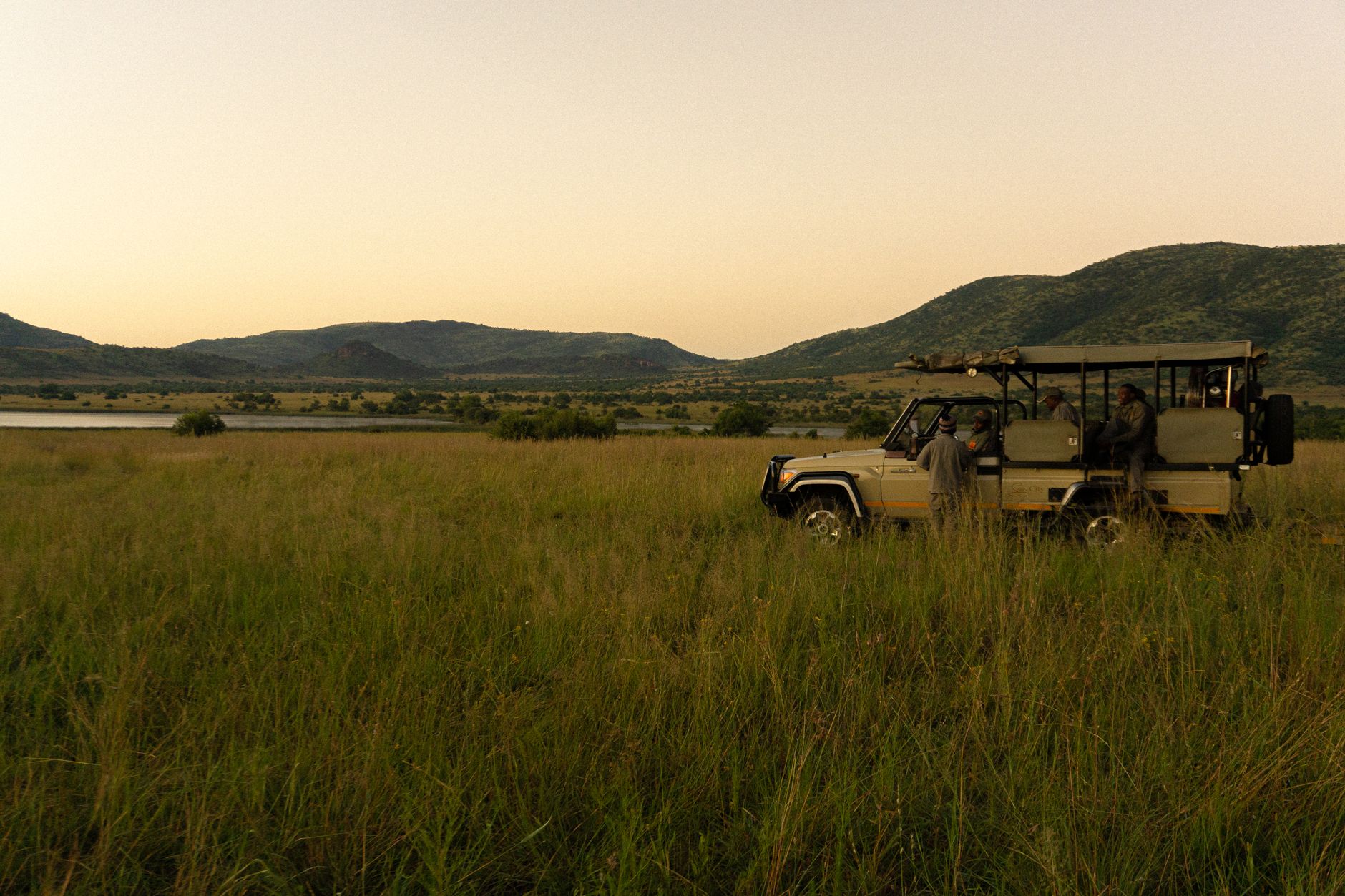
South Africa is often the most accessible entry point to the continent. You can land at OR Tambo International Airport in Johannesburg, rent a car, and drive 400 km east to the Kruger National Park. The roads are paved, signposted, and easy to navigate.
Further south, Cape Town offers a Mediterranean climate. You can spend days exploring the Cape Peninsula, watching the penguin colonies at Boulders Beach, or hiking Table Mountain. The nearby Cape Winelands, including Stellenbosch and Franschhoek, are just 50 km from the city centre and offer world-class food and wine at a fraction of European prices.
- Best time to go: May to September for dry-season wildlife viewing in Kruger; November to March for hot, dry beach weather in Cape Town. Temperatures in Cape Town peak around 26°C (79°F) in January.
- Getting around: Renting a car is the most practical option. Domestic flights between Johannesburg, Cape Town, and Durban are frequent.
- Daily budget: $150 to $400 per person.
Kenya
Kenya is the traditional home of the savannah safari. Flights arrive into Jomo Kenyatta International Airport in Nairobi, a city that has its own national park right on the boundary. From here, most travellers head west to the Masai Mara National Reserve or southeast to Amboseli National Park, famous for its large elephant herds framed by Mount Kilimanjaro.
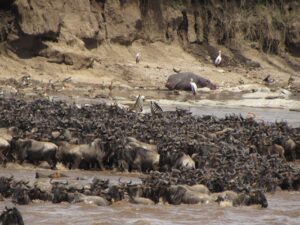
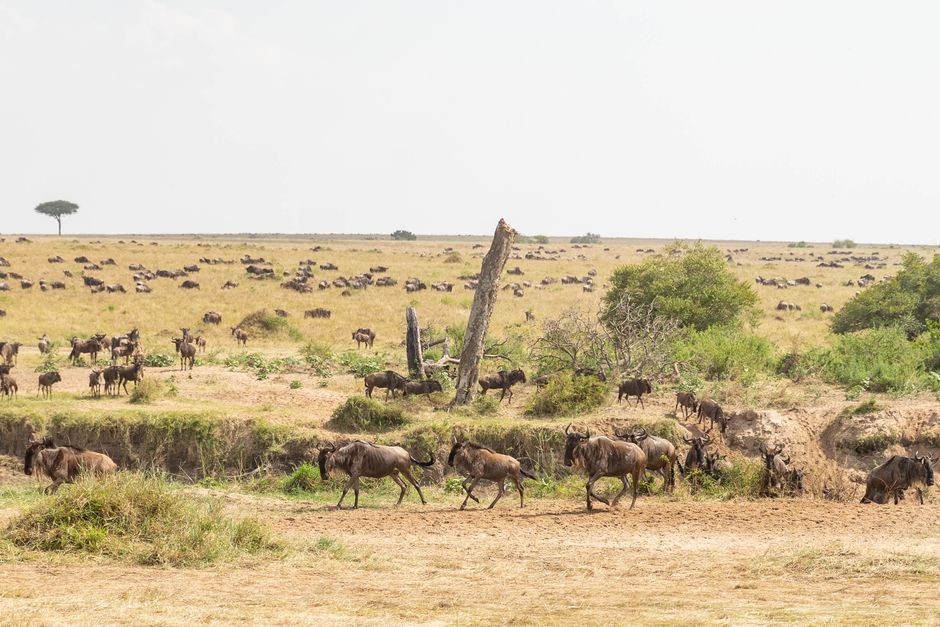
If you want to witness the wildebeest herds crossing the Mara River, timing is critical. You can read a detailed breakdown in our guide on The Great Migration: Kenya vs Tanzania, Month by Month. Beyond the parks, Kenya’s coastline offers brilliant white sand at Diani Beach, accessible via a short domestic flight or the Standard Gauge Railway from Nairobi to Mombasa.
- Best time to go: July to October for the migration and dry weather. Daytime temperatures sit around 25°C (77°F) but drop sharply at night in elevated areas.
- Getting around: Safaris are usually conducted in specialized 4×4 Land Cruisers driven by local guides.
- Daily budget: $250 to $800 per person.
Tanzania
Tanzania offers sheer scale. The Northern Circuit is the most popular route, starting from Kilimanjaro International Airport. From here, you can drive to Tarangire National Park, the steep walls of the Ngorongoro Crater, and the vast plains of the Serengeti. The distances are long—driving from Arusha to the central Serengeti takes about six hours over dusty roads.
Because of the variety of parks and the presence of Mount Kilimanjaro and Zanzibar, Tanzania routinely ranks highly when choosing the Best Safari Destinations in Africa: Where to Go and When. Zanzibar is a 20-minute flight or a two-hour ferry ride from Dar es Salaam, offering Stone Town’s Arabic architecture and northern beaches like Nungwi.
- Best time to go: June to October for the dry season. January to March is excellent for seeing the wildebeest calving season in the southern Serengeti. Expect daytime temperatures around 28°C (82°F).
- Getting around: Most visitors book a driver-guide for the Northern Circuit. Internal flights connect the parks to Zanzibar.
- Daily budget: $300 to $900 per person.
Namibia
Namibia is defined by its arid, empty landscapes. It is one of the least densely populated countries on earth, making it the ultimate road trip destination. Most visitors rent a 4×4 equipped with a rooftop tent in Windhoek and drive the well-maintained gravel C-roads.
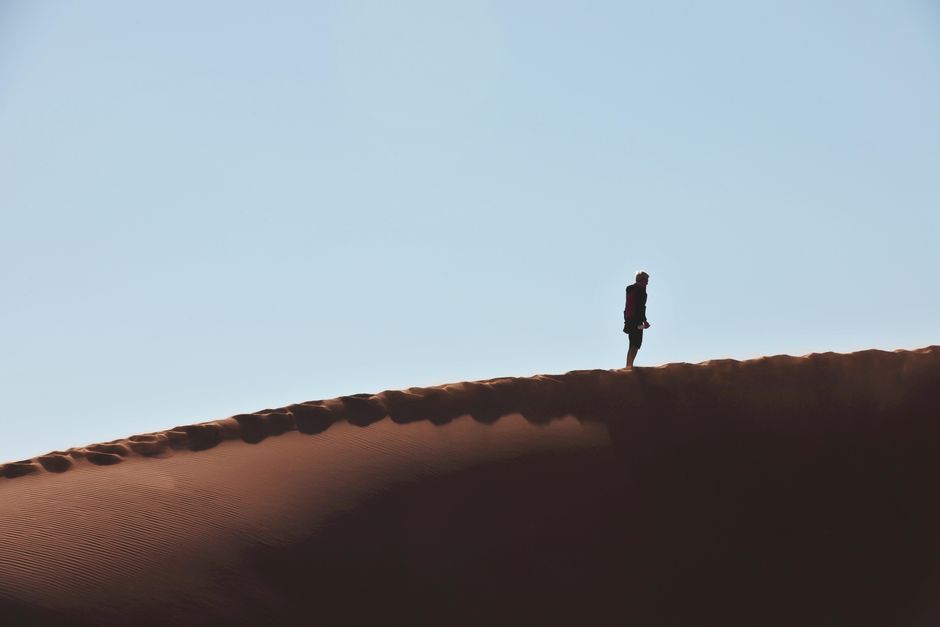
The primary route heads southwest to the towering red dunes of Sossusvlei and the dead camelthorn trees of Deadvlei. From there, it is a 350 km drive north to the coastal town of Swakopmund, followed by a drive inland to Etosha National Park. Etosha is unique because wildlife congregates around natural salt pans and man-made waterholes, meaning you can park your car and wait for the animals to come to you.
- Best time to go: May to October. The dry winter forces wildlife to waterholes. Nights drop to near 0°C (32°F) in the desert, while days are a comfortable 22°C (71°F).
- Getting around: Self-driving is the norm. You must be comfortable changing a flat tyre on gravel roads.
- Daily budget: $150 to $350 per person.
Botswana
Botswana focuses on a high-cost, low-impact tourism model. The government limits visitor numbers by keeping lodge prices high, resulting in an exclusive experience without the crowds found in East Africa. The main hub is Maun, where you board light aircraft to reach remote camps in the Okavango Delta.
The Delta is a seasonal wetland where you can view wildlife from a mokoro (traditional dugout canoe). Further north, Chobe National Park is accessible from Kasane and is known for massive elephant herds along the Chobe River. You can easily cross the border from Kasane into Zimbabwe or Zambia to see Victoria Falls.
- Best time to go: June to October. This is when the floodwaters arrive in the Delta from the Angolan highlands. Temperatures range from 25°C (77°F) in the day to 5°C (41°F) at night.
- Getting around: Light aircraft hops between lodges are necessary for the Delta.
- Daily budget: $500 to $1500+ per person.
Rwanda
Rwanda is a small, mountainous country known primarily for mountain gorilla trekking in Volcanoes National Park. The capital, Kigali, is one of the cleanest and safest cities on the continent, largely due to a strict nationwide ban on plastic bags and a strong civic culture.
From Kigali, it is a 105 km drive on paved roads to the park headquarters in Musanze. Beyond gorillas, Rwanda has developed Akagera National Park in the east for traditional Big Five safaris, and Nyungwe Forest in the south for chimpanzee tracking and canopy walks.
- Best time to go: June to mid-September, and December to February. Dry trails make hiking the steep volcanic slopes much easier. Kigali sits at an altitude of 1,500m, keeping temperatures a mild 21-27°C (70-80°F) year-round.
- Getting around: Hiring a driver or renting a car is straightforward. Drive times rarely exceed four hours.
- Daily budget: $400 to $1200 per person. A single gorilla trekking permit costs $1,500.
Uganda
Uganda offers a rougher, more affordable alternative to Rwanda for primate tracking. Flights land in Entebbe, a town sitting on the edge of Lake Victoria. Reaching the mountain gorillas in Bwindi Impenetrable National Park requires either a 9-hour drive across the country or a scheduled domestic flight.
Uganda provides a more diverse overall wildlife experience than Rwanda. You can track chimpanzees in Kibale Forest, take a boat cruise on the Kazinga Channel in Queen Elizabeth National Park, and search for the famous tree-climbing lions in the Ishasha sector.
- Best time to go: June to August and December to February. Temperatures average 26°C (79°F), though Bwindi is cooler due to the altitude.
- Getting around: A 4×4 with a local driver-guide is highly recommended due to unpredictable road conditions in rural areas.
- Daily budget: $200 to $600 per person. Gorilla permits are $800.
Zambia
Zambia is the birthplace of the walking safari and appeals to travellers who want a raw, unfiltered bush experience. The South Luangwa National Park is the standout destination. Here, guides lead you on foot through the bush, focusing on tracks, insects, and the mechanics of the ecosystem, alongside sightings of leopard and elephant.
In the south, Livingstone serves as the gateway to the Zambian side of Victoria Falls. You can also visit the Lower Zambezi National Park for canoe safaris, paddling past hippos and elephants drinking from the riverbanks.
- Best time to go: July to October. October is extremely hot, often exceeding 35°C (95°F), but offers the best predator sightings.
- Getting around: Domestic flights connect Lusaka to Mfuwe (for South Luangwa) and Livingstone.
- Daily budget: $300 to $800 per person.
Morocco
Moving away from Sub-Saharan wildlife, Morocco offers Islamic architecture, bustling souks, and varied landscapes. Flights into Marrakech or Casablanca put you within reach of the Atlas Mountains and the Sahara Desert.
You can spend days navigating the pedestrian-only medina in Fes, driving the winding Tizi n’Tichka pass, or riding camels into the dunes of Merzouga. Morocco’s infrastructure is excellent; the Al Boraq high-speed train connects Casablanca and Tangier in just over two hours.
- Best time to go: March to May and September to November. Summers are oppressively hot, with inland temperatures easily surpassing 40°C (104°F).
- Getting around: Trains connect the major northern cities. Renting a car is practical for the south.
- Daily budget: $80 to $250 per person.
Egypt
Egypt is defined by the Nile River and thousands of years of human history. Most trips begin in Cairo, home to the Pyramids of Giza and the sprawling Grand Egyptian Museum. From Cairo, a short domestic flight takes you south to Luxor, the site of the Valley of the Kings and Karnak Temple.
A multi-day Nile cruise between Luxor and Aswan (a distance of about 215 km) is the most efficient way to see the riverside temples of Edfu and Kom Ombo. For downtime, the Red Sea resorts of Sharm El-Sheikh or Dahab offer some of the best scuba diving in the northern hemisphere.
- Best time to go: October to April. The winter months offer comfortable daytime temperatures around 20-25°C (68-77°F).
- Getting around: Domestic flights via EgyptAir are the safest and fastest way to bypass long desert drives.
- Daily budget: $80 to $200 per person.
Comparing the Best Countries to Visit in Africa
| Country | Primary Draw | Ideal Duration | Est. Daily Budget (USD) |
|---|---|---|---|
| South Africa | Self-drive safaris, food, wine, coast | 10-14 days | $150 – $400 |
| Kenya | Masai Mara, Great Migration, beaches | 7-10 days | $250 – $800 |
| Tanzania | Serengeti, Ngorongoro, Zanzibar | 10-14 days | $300 – $900 |
| Namibia | Desert landscapes, road trips | 12-16 days | $150 – $350 |
| Botswana | Okavango Delta, exclusive safaris | 7-10 days | $500 – $1500+ |
| Rwanda | Gorilla trekking, luxury eco-tourism | 5-7 days | $400 – $1200 |
| Uganda | Gorilla trekking, varied wildlife | 8-12 days | $200 – $600 |
| Zambia | Walking safaris, Victoria Falls | 7-10 days | $300 – $800 |
| Morocco | Medinas, Atlas Mountains, Sahara | 10-14 days | $80 – $250 |
| Egypt | Ancient history, Nile cruises, diving | 8-12 days | $80 – $200 |
How to Combine Countries
Africa is vast. Flying between East and Southern Africa often requires routing through hubs like Addis Ababa, Nairobi, or Johannesburg, which eats up a full travel day. If you have limited time, stick to one region.
For a two-week trip, combining South Africa and Zimbabwe (Cape Town, Kruger, and Victoria Falls) is logistically simple due to direct flights. In East Africa, a classic circuit involves flying into Nairobi, driving through the Masai Mara, crossing the border into Tanzania for the Serengeti, and ending on the beaches of Zanzibar.
If you have more time, you can link the deserts of Namibia with the waterways of Botswana. For detailed route planning and logistics, check out our guide to Africa Itineraries: Classic 2-Week to 1-Month Routes.
Plan Your Trip
Before you book flights, check visa requirements. Many countries, such as Kenya, have transitioned to electronic travel authorizations (eTA) that must be approved before you board your flight. Others, like South Africa, offer visa-free entry for many Western passports.
Health preparations are just as critical. Depending on your route, you may need to take malaria prophylaxis or show proof of a Yellow Fever vaccination. Read our complete breakdown on Vaccinations and Health Prep for Travel in Africa to ensure you have the right medical coverage and prescriptions. Finally, always buy comprehensive travel insurance that covers medical evacuation, as rural hospitals in many of these regions are not equipped for major emergencies.