If you are looking for the best national parks usa canada has to offer, you will find towering granite peaks, geothermal wonders, and dense alpine forests. The top tier includes Yellowstone, Yosemite, and Glacier in the United States, paired with Banff and Jasper in the Canadian Rockies. Choosing the right park depends on what you want to see, how you prefer to travel, and whether you are ready to navigate seasonal booking systems.
North America is unique in its approach to wilderness preservation. These parks protect millions of acres of pristine environment while providing the infrastructure—roads, lodges, and visitor centres—to make them accessible. Before you map out your route, read our North America guide to understand border crossing logistics and regional differences. If you want to see a broader mix of landscapes across the continent, check out the Best Countries to Visit in North America.
Top Picks in the United States
Yellowstone National Park (Wyoming, Montana, Idaho)
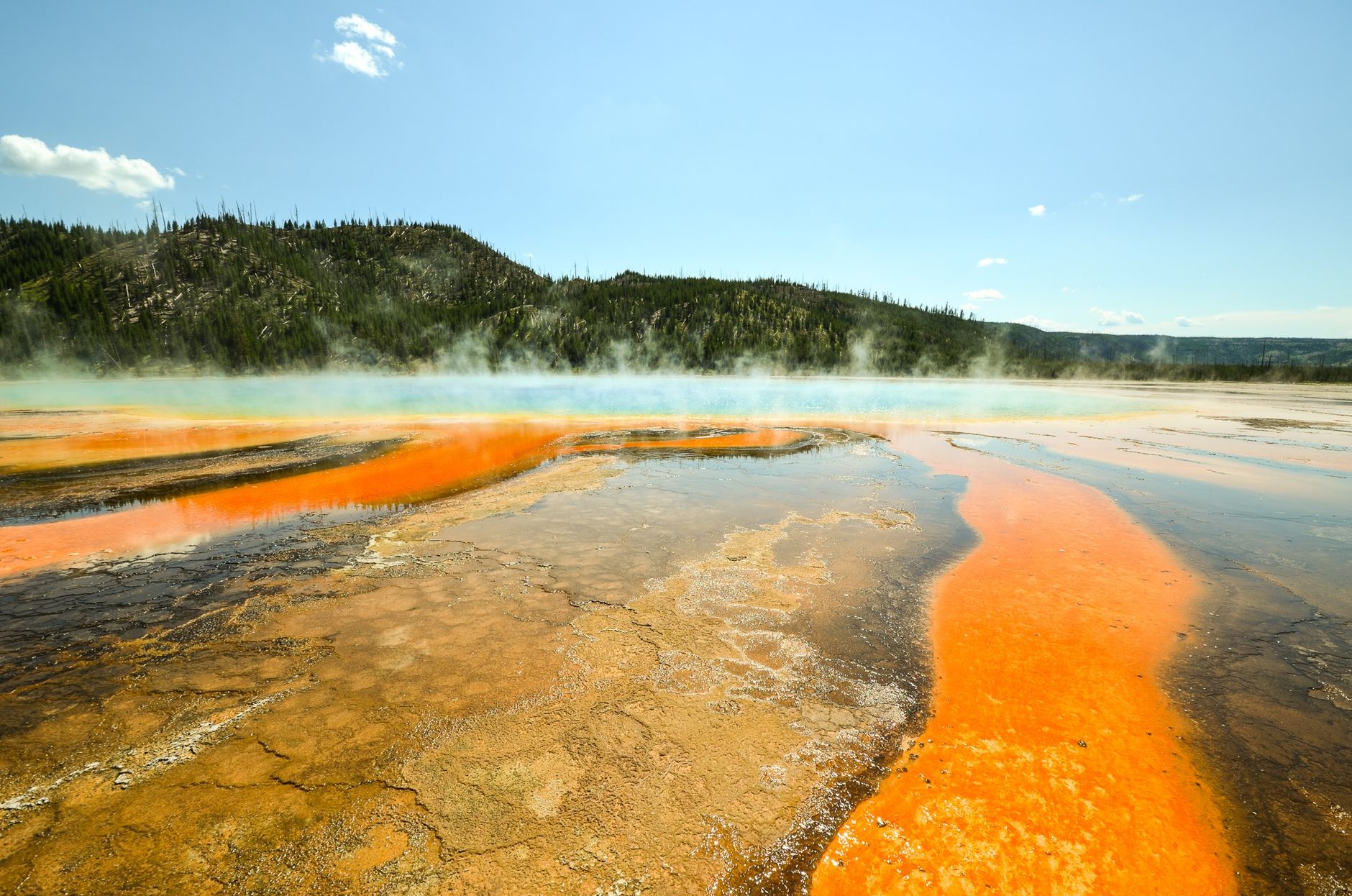
Yellowstone is the world’s first national park, famous for its intense geothermal activity and dense wildlife populations. The park is laid out along the 228 km Grand Loop Road, which forms a figure-eight past major sights. The Upper Geyser Basin is home to Old Faithful, while the Midway Geyser Basin features the vivid, rainbow-coloured Grand Prismatic Spring. To get the best view of the spring, hike the short Fairy Falls trail to the elevated viewing platform.
For wildlife viewing, head to the Lamar Valley or Hayden Valley at dawn. These vast, open meadows are the best places in North America to spot grey wolves, grizzly bears, and massive herds of bison. Bring a good pair of binoculars or a spotting scope, as animals are often active at a distance.
2026 Logistics: Standard entry is $35 per vehicle for seven days. However, as of 2026, non-US residents aged 16 and older face a $100 per person surcharge at select parks, including Yellowstone, unless they purchase the new $250 Non-Resident America the Beautiful Pass. The park is open year-round, but most roads close to regular vehicles from November to late April, transitioning to snowmobile and snowcoach access.
Time needed: You need at least three to four full days to drive the entire loop without rushing. September is the best time to visit, offering cooler temperatures around 10-15°C (50-59°F) and active wildlife as the elk rut begins.
Yosemite National Park (California)
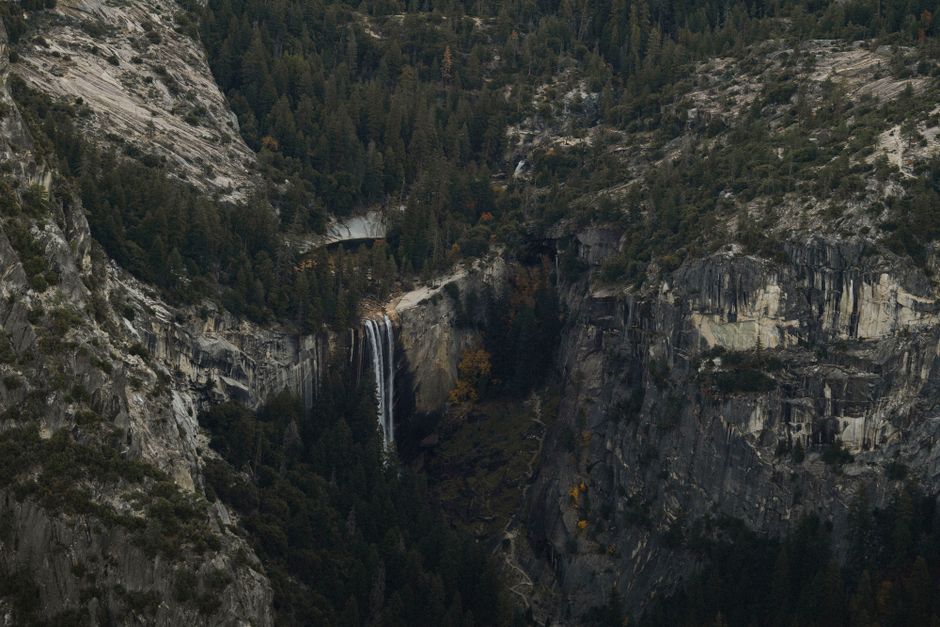
Yosemite is defined by its dramatic glacier-carved valley, towering granite monoliths like El Capitan and Half Dome, and plunging waterfalls. Most first-time visitors focus on Yosemite Valley, a 12 km stretch that contains Yosemite Falls, Bridalveil Fall, and the park’s main lodges. However, driving the seasonal Tioga Road up to Tuolumne Meadows offers spectacular high-alpine scenery with a fraction of the crowds.
Do not miss the Mariposa Grove of Giant Sequoias near the South Entrance. Walking among these ancient, massive trees puts the scale of the Sierra Nevada mountains into perspective. If you are an experienced hiker, the grueling cable route up Half Dome is a bucket-list achievement, though it requires winning a strict pre-season lottery permit.
2026 Logistics: After several years of strict entry limits, Yosemite has completely dropped its timed vehicle reservation system for 2026. You can drive into the park at any time, but this means parking in Yosemite Valley fills up incredibly fast. Plan to arrive before 8:00 AM, park your car for the day, and use the free Valley Shuttle to reach trailheads.
Time needed: Two to three days. Linking Yosemite with other western parks, such as Sequoia and Kings Canyon, makes for one of the Best USA Road Trips.
Glacier National Park (Montana)
Glacier National Park offers some of the most rugged, pristine alpine scenery in the lower 48 states. The park’s centrepiece is the Going-to-the-Sun Road, an 80 km engineering marvel that crosses the Continental Divide at Logan Pass. Due to heavy snowfall, this road typically only fully opens from mid-July to September.
Beyond the main road, the Many Glacier valley in the northeast corner is often called the Switzerland of North America. It is the best area in the park for spotting grizzly bears foraging on the slopes and offers access to the spectacular Grinnell Glacier trail. Glacier also shares a border with Canada’s Waterton Lakes National Park, forming the world’s first International Peace Park.
2026 Logistics: Glacier has also eliminated its vehicle reservation requirement for 2026. However, to manage the immense summer demand, the park will use temporary gate closures when lots fill up. If you want to hike popular routes like the Highline Trail without parking stress, you must book the new reservation-only express shuttles via Recreation.gov well in advance.
Time needed: Three to four days. Focus one day on the Going-to-the-Sun Road, one day exploring Many Glacier, and one day hiking in the quieter Two Medicine region.
Zion National Park (Utah)
Unlike the rim-top views of the Grand Canyon, Zion puts you down on the canyon floor, looking up at massive Navajo sandstone cliffs coloured in brilliant shades of cream, pink, and red. The Virgin River cuts through the centre of the park, creating a lush green oasis in the middle of the desert.
Zion is famous for two extreme hikes. Angels Landing is a dizzying climb along a narrow sandstone fin with sheer drops on either side (a permit is required to hike the chain section). The Narrows involves wading directly up the Virgin River through a slot canyon where the walls close in around you. If you plan to hike The Narrows, you can rent specialized gear—including canyoneering boots, neoprene socks, and a sturdy wooden walking stick—from outfitters in the gateway town of Springdale.
2026 Logistics: The Zion Canyon Scenic Drive is closed to private vehicles for most of the year. You must park in Springdale or at the visitor centre and ride the free, frequent park shuttle to access the main trailheads.
Time needed: Two days is sufficient for the main canyon, though adding a third day allows you to explore the higher-elevation Kolob Canyons section.
Top Picks in the Canadian Rockies
Banff National Park (Alberta)
Banff is Canada’s oldest national park, renowned for its brilliant turquoise glacial lakes and dramatic mountain town atmosphere. The town of Banff serves as a highly developed basecamp, offering excellent dining, gear shops, and hotels just minutes from wilderness trailheads. You can ride the Banff Gondola up Sulphur Mountain for panoramic views, or soak in the naturally heated Banff Upper Hot Springs.
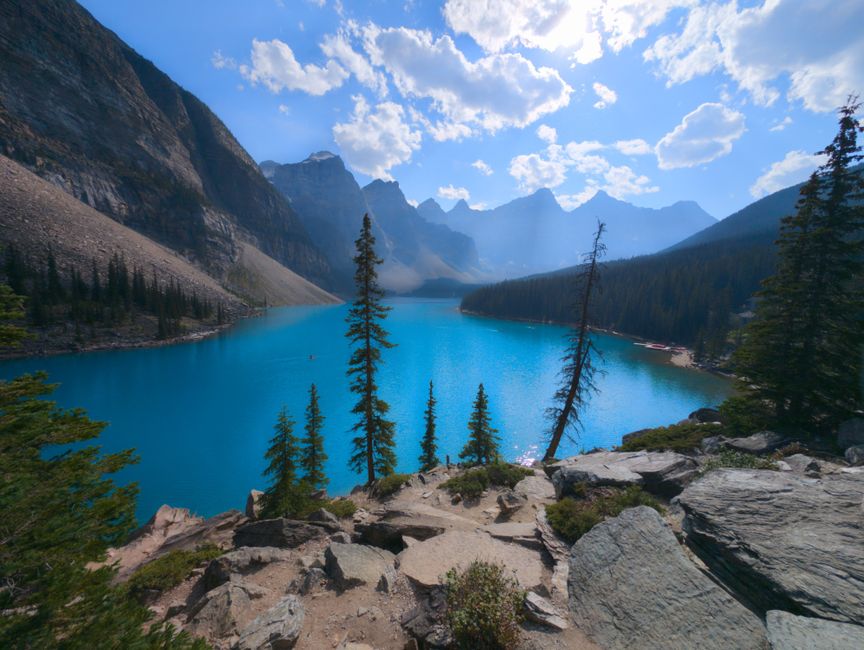
Lake Louise and Moraine Lake are the primary draws. The rock flour carried into these lakes by melting glaciers gives them an unreal, vibrant blue colour. From Lake Louise, you can hike up to the Lake Agnes Tea House, a historic log cabin serving fresh tea and pastries on the side of a mountain.
2026 Logistics: Access to Moraine Lake is strictly controlled. Personal vehicles are banned year-round on Moraine Lake Road. You must book a seat on the Parks Canada shuttle (reservations open April 15, 2026, with 40% of tickets released, and the rest rolling out 48 hours in advance) or use Roam public transit. A daily park pass costs about $8.50 USD per adult.
Time needed: Four to five days. Dedicate full days to the Lake Louise area, the townsite hiking trails, and the Johnston Canyon waterfalls.
Jasper National Park (Alberta)
Located north of Banff via the spectacular 232 km Icefields Parkway, Jasper offers a quieter, wilder experience. The drive between the two parks is widely considered one of the most beautiful road trips in the world, passing dozens of glaciers, towering peaks, and cascading waterfalls. Along the Icefields Parkway, make sure to stop at Bow Lake and hike up to the Peyto Lake viewpoint, where the water shines an impossible shade of blue. Jasper itself is the world’s second-largest dark sky preserve, making it incredible for stargazing.
At the Columbia Icefield, you can join a guided tour to walk directly on the Athabasca Glacier. Further north, the drive down Maligne Road to Maligne Lake is prime habitat for spotting moose, black bears, and elk.
2026 Logistics: Following the devastating summer 2024 wildfires, Jasper is fully open and welcoming visitors in 2026. Major attractions, including the Columbia Icefield, Maligne Lake, and Miette Hot Springs, are operational. While a few specific campgrounds remain closed for restoration, the town’s hotels, restaurants, and main hiking trails are running normally.
Time needed: Three to four days. The drive from Banff to Jasper takes a full day on its own if you stop at the various viewpoints.
Logistics for the best national parks usa canada itineraries
Planning a cross-border national park trip requires understanding two entirely different fee structures and booking systems. If you plan to visit multiple parks, annual passes will save you a significant amount of money and time at the entrance gates. Keep in mind that national park passes do not cover entry to state or provincial parks.
| Pass Type | 2026 Price | What it Covers |
|---|---|---|
| America the Beautiful (US Residents) | $80 USD | Entry to all US federal recreation sites for one year. |
| America the Beautiful (Non-US Residents) | $250 USD | Entry to all US sites, waiving the new $100 per-person surcharge at major parks. |
| Parks Canada Discovery Pass (Family/Group) | ~$105 USD | Entry to all Canadian national parks for up to 7 people in one vehicle for a year. |
Accommodation inside the parks (like the Old Faithful Inn in Yellowstone or the Fairmont Chateau Lake Louise in Banff) opens for booking up to 13 months in advance and sells out almost immediately. If you miss these windows, look for lodging in gateway communities like West Yellowstone, Montana, or Canmore, Alberta. Staying outside the park boundaries often means better food options and lower prices, though you will spend more time driving each morning.
Mistakes to Avoid
Underestimating driving distances: These parks are vast. In Yellowstone, a traffic jam caused by a herd of bison crossing the road can easily add two hours to your travel time. Always keep your fuel tank above half full, as gas stations inside the parks are sparse and expensive.
Relying on cell service: You will lose phone signal in almost all of these parks, often as soon as you pass the entrance gate. Download offline maps on your phone and carry a physical paper map for navigation.
Ignoring wildlife safety: Whether you are in Montana or Alberta, you are in bear country. Carry bear spray, keep it accessible on your belt or backpack strap (not buried inside your bag), and know how to use it. Maintain a distance of at least 100 metres from bears and wolves, and 25 metres from elk and bison. Never approach wildlife for a photograph.
Packing the wrong gear: Mountain weather is notoriously unpredictable. You can experience bright sunshine, heavy rain, and even snow on the same July afternoon. Pack in layers, bring a waterproof shell, and wear sturdy hiking boots even for short, paved trails.
Plan your trip
The ideal time to visit these northern and high-altitude parks is from mid-July to mid-September. Before July, many high-elevation trails and roads (like Glacier’s Going-to-the-Sun Road) remain closed due to snow. September brings spectacular autumn colours, active wildlife, and fewer crowds, though temperatures drop significantly at night.
Late summer is peak season for these mountain destinations, which perfectly avoids the coastal storms detailed in our Caribbean Hurricane Season: When to Go and What to Know guide. Once you have tackled the rugged hiking trails of the Rockies or the Sierras, you might be ready for a relaxing winter beach break. Review Which Caribbean Island Is Right for You? to start planning your warm-weather escape.