
When deciding on the best countries to visit in North America, your choice comes down to what kind of landscape, logistics, and culture you want to experience. The continent spans Arctic tundra, dense tropical rainforests, and some of the world’s most dynamic urban centres. To start planning your broader itinerary across these diverse regions, check out our complete North America guide.
Quick Picks by Travel Style
- For epic road trips and vast wilderness: United States, Canada
- For complex food cultures and ancient history: Mexico, Guatemala
- For protected wildlife and rainforests: Costa Rica, Belize
- For white sand beaches and island culture: Dominican Republic, Jamaica, The Bahamas
- For a mix of modern engineering and remote islands: Panama
Evaluating the Best Countries to Visit in North America
1. United States
The United States offers unparalleled geographical diversity across its 50 states. You can navigate the 24-hour subway system in New York City, hike the steep sandstone walls of the Zion Narrows in Utah, or watch the geothermal geysers erupt in Yellowstone. The sheer scale of the country means domestic flights are often necessary, though driving remains the most popular way to see the interior. Driving historic Route 66 spans 3,940 km across eight states, providing a classic view of American diner culture and desert landscapes.
If you prefer to rent a car and set your own pace, review our guide to the Best USA Road Trips. Daily budgets vary wildly by region, but expect to spend $150 to $350 per day for mid-range travel. The best time to visit the northern states is between May and October when temperatures range from 15°C to 30°C (59°F to 86°F). For southern states like Florida and Arizona, November to April offers comfortable, dry weather.
2. Canada
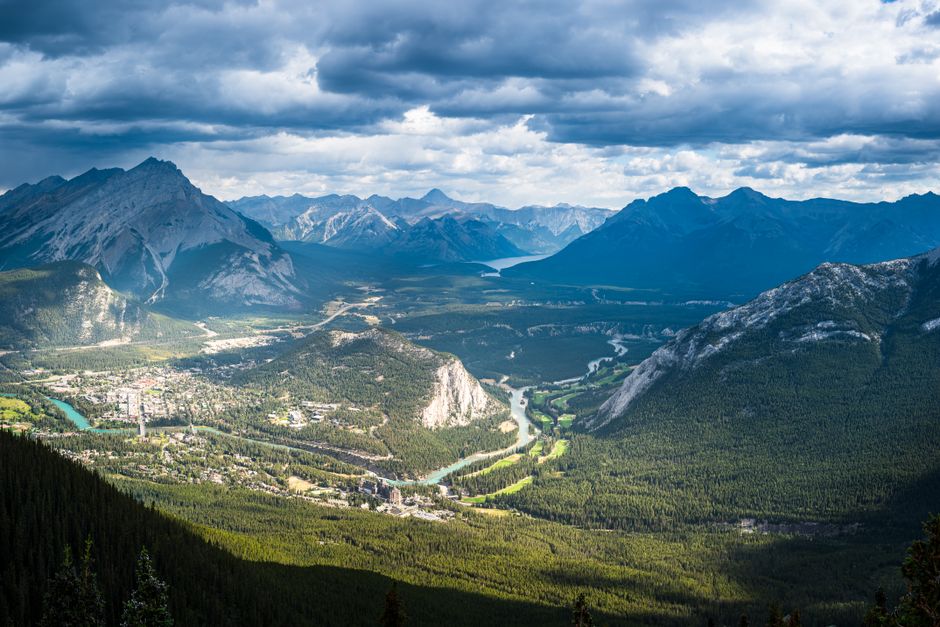
Canada is defined by its massive scale and rugged wilderness, making it a premier destination for outdoor enthusiasts. You can drive the 232 km Icefields Parkway between Jasper and Banff to view ancient glaciers directly from the highway. On the east coast, Montreal provides a distinct French-Canadian culture, famous for its wood-fired bagels and cobblestone streets in the historic centre. Vancouver offers a milder coastal climate, serving as a gateway to the old-growth rainforests of Vancouver Island.
To explore the country’s protected lands, read our breakdown of the Best National Parks in the USA and Canada. A standard daily budget for Canada sits between $130 and $250. Summer, from June to September, is optimal for hiking and road trips, bringing temperatures of 15°C to 25°C (59°F to 77°F). If you are travelling for winter sports in Whistler or Banff, plan your visit between December and March.
3. Mexico
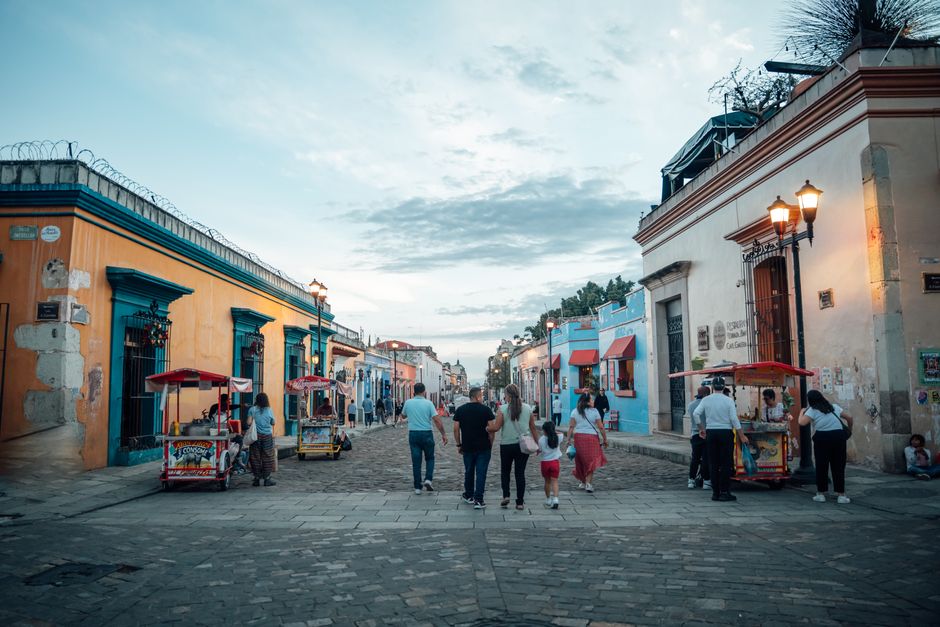
Mexico delivers incredible regional diversity, stretching from the arid deserts of Baja California to the dense jungles of Chiapas. In Mexico City, you can eat world-class street tacos in the Roma Norte neighbourhood before visiting the ancient pyramids of Teotihuacan just 50 km outside the city limits. Further south, Oaxaca is the centre of the country’s culinary scene, known for its complex mole sauces, tlayudas, and traditional mezcal distilleries.
On the Yucatan Peninsula, you can swim in underground limestone sinkholes known as cenotes or explore the coastal Maya ruins of Tulum. Mexico is highly accessible for mid-range travellers, with a typical daily budget of $60 to $150. The dry season runs from December to April, offering reliable sunshine and temperatures between 24°C and 30°C (75°F to 86°F).
4. Costa Rica
Costa Rica holds roughly 5% of the world’s biodiversity within a remarkably small landmass. The country runs almost entirely on renewable energy and protects over a quarter of its territory in national parks and reserves. You can spot three-toed sloths in Manuel Antonio National Park, hike the dark lava trails surrounding Arenal Volcano, or walk the suspended canopy bridges through the Monteverde Cloud Forest.
The Pacific coast, particularly around Santa Teresa and Tamarindo, draws surfers from around the world with consistent year-round swells. Expect a daily budget of $80 to $200, as Costa Rica is noticeably more expensive than its Central American neighbours. The dry season from December to April is the most popular time to visit, with coastal temperatures hovering between 26°C and 33°C (79°F to 91°F).
5. Belize
Belize is the only Central American country where English is the official language, making logistics straightforward for international visitors. It is home to the Belize Barrier Reef, the second-largest coral reef system globally, drawing scuba divers to the famous Great Blue Hole. Most visitors base themselves on Ambergris Caye or the more laid-back Caye Caulker, where golf carts and bicycles replace cars.
Inland, the Cayo District offers dense jungles and extensive cave systems. You can wade through the Actun Tunichil Muknal (ATM) cave to see calcified Maya skeletons and ancient ceramics left exactly as they were centuries ago. A daily budget of $70 to $180 covers most mid-range travel styles. Visit between late November and mid-April for dry weather and temperatures ranging from 24°C to 29°C (75°F to 84°F).
6. Dominican Republic
Sharing the island of Hispaniola with Haiti, the Dominican Republic offers a mix of high-end resorts and rugged, undeveloped coastlines. The capital, Santo Domingo, features the Zona Colonial, the oldest European settlement in the Americas, complete with 16th-century architecture and fortresses. For remote nature, drive to Bahia de las Aguilas in the southwest, requiring a 4×4 or a boat ride to reach 8 km of pristine, isolated white sand.
If you are unsure where to start your island hopping, read our guide on Which Caribbean Island Is Right for You?. A daily budget of $80 to $250 allows for comfortable hotels and local transport. The prime time to visit is from December to April, when humidity drops and temperatures sit comfortably between 25°C and 29°C (77°F to 84°F).
7. Jamaica
Jamaica is defined by its distinct musical heritage, spicy cuisine, and mountainous interior. You can drive up the winding roads of the Blue Mountains to tour high-altitude coffee plantations, or jump off the famous limestone cliffs at Rick’s Cafe in Negril. Roadside stands across the island serve authentic jerk chicken and pork cooked slowly over sweet pimento wood, particularly around Boston Bay where the cooking style originated.
When planning a trip here, you must factor in seasonal weather patterns; read our breakdown of the Caribbean Hurricane Season: When to Go and What to Know. A daily budget of $100 to $300 is standard, depending on your proximity to major resort areas like Montego Bay. The best weather occurs from late November to mid-April, with average temperatures of 24°C to 30°C (75°F to 86°F).
8. Guatemala
Guatemala remains the cultural heart of the Maya world and offers some of the most dramatic landscapes in Central America. The colonial city of Antigua, with its cobbled streets and ruined convents, serves as a base for hiking active volcanoes. You can join an overnight trek up Acatenango to watch the neighbouring Fuego volcano erupting lava against the night sky.
Further north, the towering ancient ruins of Tikal rise out of the dense Petén jungle, where you will hear howler monkeys echoing through the canopy. The highland villages surrounding Lake Atitlan maintain strong Indigenous traditions, distinct dialects, and intricate textile weaving. Guatemala is highly budget-friendly, requiring just $40 to $100 per day. Visit between November and April for clear skies and highland temperatures of 22°C to 27°C (72°F to 81°F).
9. Panama
Panama acts as the narrow land bridge connecting North and South America. The Panama Canal remains a massive feat of engineering, and you can watch heavy cargo ships pass through the Miraflores Locks just outside the capital. Beyond Panama City’s modern skyline and the restored colonial buildings of the Casco Viejo district, the country offers pristine archipelagos on both coastlines.
You can charter a sailboat through the San Blas Islands, an archipelago of 365 islands governed autonomously by the Indigenous Guna people. In the western highlands, the town of Boquete offers cool-climate coffee farm tours and cloud forest hiking. Expect a daily budget of $60 to $150. The dry season runs from mid-December to mid-April, with coastal temperatures of 27°C to 32°C (81°F to 90°F).
10. The Bahamas
Comprising over 700 islands and cays, The Bahamas sits just 80 km off the coast of Florida, making it highly accessible for short trips. While the capital city of Nassau receives heavy daily cruise ship traffic, the Out Islands offer complete isolation and quiet beaches. You can swim with nurse sharks at Compass Cay, visit the famous swimming pigs in the Exumas, or walk the pink sand beaches of Harbour Island.
Because the islands rely heavily on imported goods, The Bahamas is one of the more expensive destinations in the region. A daily budget of $200 to $500+ is necessary for comfortable accommodation and island-hopping flights or ferries. The optimal time to visit is from mid-December to April, bringing low humidity and temperatures of 21°C to 27°C (70°F to 81°F).
Comparing the Best Countries to Visit in North America
Use this table to quickly compare the logistics and costs of the top North American destinations. Budgets are estimated for mid-range travellers sharing accommodation costs.
| Country | Primary Draw | Daily Budget (USD) | Best Months to Visit |
|---|---|---|---|
| United States | National parks, road trips, major cities | $150 – $350+ | May to October (North), Nov to April (South) |
| Canada | Mountains, wildlife, outdoor sports | $130 – $250 | June to September (Summer), Dec to March (Winter) |
| Mexico | Food culture, ancient ruins, beaches | $60 – $150 | December to April |
| Costa Rica | Rainforests, wildlife, surfing | $80 – $200 | December to April |
| Belize | Scuba diving, barrier reef, caves | $70 – $180 | Late November to mid-April |
| Dominican Republic | White sand beaches, colonial history | $80 – $250 | December to April |
| Jamaica | Music, mountain coffee, local food | $100 – $300 | Late November to mid-April |
| Guatemala | Volcano hiking, Maya culture | $40 – $100 | November to April |
| Panama | The Canal, remote islands, coffee | $60 – $150 | Mid-December to mid-April |
| The Bahamas | Island hopping, marine life | $200 – $500+ | Mid-December to April |
How to Combine Countries on One Trip
If you have several weeks, combining multiple countries allows you to experience the contrast between North America’s regions. The United States and Canada are incredibly easy to link. You can take the Amtrak Cascades train from Seattle directly into Vancouver, or drive across the border at Niagara Falls to experience the site from both the New York and Ontario sides.
In Central America, overland travel is highly popular. You can take an ADO coach from Cancun, Mexico, down to Chetumal, and catch a quick water taxi directly to the islands of Belize. Alternatively, the Tica Bus network connects Guatemala all the way down to Panama. For a seamless border crossing between Costa Rica and Panama, the Sixaola bridge allows you to walk between the two countries before catching a shuttle to the Bocas del Toro islands.
Plan Your Trip: Visas and Currency
Before booking flights, check the specific entry requirements for your passport. Citizens of the UK, Australia, and most European nations need an approved ESTA to enter the United States, and an eTA to fly into Canada. These must be applied for online several days before departure. Mexico, Costa Rica, and most Caribbean nations generally offer visa-free entry for short tourist stays, but always verify the 2026 requirements with your local embassy.
Handling money across the continent requires some planning. While the United States uses the US Dollar, many other countries in the region peg their currency to it or accept it directly. You can use USD freely in Panama, The Bahamas, and Belize alongside their local currencies. However, in Mexico, Canada, and Costa Rica, you will need to withdraw local currency from ATMs to pay for smaller purchases, street food, and local transport. Carry a travel card with zero foreign transaction fees to avoid heavy bank charges.