Finding the best caribbean island to visit depends entirely on your travel style, whether you want the volcanic hiking trails of Dominica or the flat, white-sand beaches of Turks and Caicos. Start by deciding if your priority is direct flights, all-inclusive resorts, or independent exploration. This guide breaks down the islands by category so you can match your budget and interests to the right destination.
How to Choose the Best Caribbean Island to Visit
Turks and Caicos: Best for Pristine Beaches and Luxury
If your primary goal is lounging on flawless white sand by clear turquoise water, head to Providenciales in Turks and Caicos. Grace Bay Beach consistently ranks as one of the best stretches of sand in the world, backed by high-end resorts and fine-dining restaurants. The island is entirely coral, meaning the landscape is flat and arid, but the offshore reef system offers excellent snorkelling and diving.
This is not a budget destination. Expect to pay upwards of $400 to $800 per night for standard resort accommodation, and dining out is expensive since most goods are imported. Rent a car for at least one day to escape the resort bubble and visit Chalk Sound National Park, a bright blue lagoon dotted with tiny limestone islands. Grab a casual lunch at Da Conch Shack in Blue Hills, where the seafood is pulled straight from the water.
Dominica: Best for Hiking and Waterfalls
Dominica is the polar opposite of Turks and Caicos. Known as the “Nature Island,” it has very few white-sand beaches, focusing instead on dense rainforests, towering volcanoes, and geothermal activity. It is the only island with a long-distance walking route: the 185 km Waitukubuli National Trail. You can hike to the Boiling Lake, swim through the narrow canyon of Titou Gorge, and dive the Champagne Reef, where volcanic gas bubbles up from the ocean floor.
Getting here requires effort. Most international travellers must fly into a regional hub like Puerto Rico, Barbados, or Antigua, then take a smaller connecting flight to Douglas-Charles Airport (DOM). Because it lacks mega-resorts, Dominica remains highly affordable, with comfortable guesthouses ranging from $80 to $150 per night. It is the perfect choice for active, independent travellers who prefer hiking boots to flip-flops.
Puerto Rico: Best for Culture, Food, and Easy Access
Puerto Rico offers the most well-rounded Caribbean experience. You can spend your morning wandering the blue cobblestone streets and 16th-century Spanish forts of Old San Juan, and your afternoon hiking to waterfalls in the El Yunque National Forest. The food scene is heavily influenced by Taíno, Spanish, and African traditions—do not leave without trying mofongo (mashed plantains with garlic and pork crackling) at a local chinchorro (food kiosk) along the coast.
For US citizens, Puerto Rico is incredibly convenient. It is a US territory, meaning no passport is required, your domestic phone plan works, and the currency is the US Dollar. Flights into Luis Muñoz Marín International Airport (SJU) are frequent and often cheap. To escape the crowds of the main island, take a short flight or ferry to Vieques, home to wild horses and Mosquito Bay, the brightest bioluminescent bay in the world.
Barbados: Best for British Heritage and Surfing
Barbados sits further east than the rest of the Caribbean chain, giving it a unique split personality. The calm, sheltered west coast (the Platinum Coast) is lined with luxury hotels and calm swimming beaches like Carlisle Bay. The rugged east coast faces the Atlantic Ocean, drawing international surfers to the massive swells at Bathsheba.
The island is highly accessible for UK travellers, with multiple daily direct flights from London to Grantley Adams International Airport (BGI). Barbados is famous for its rum, so book a tasting tour at Mount Gay, the world’s oldest commercial rum distillery. On a Friday night, skip the resort restaurants and head to the Oistins Fish Fry, a massive open-air street party where locals and tourists share tables, eating freshly grilled flying fish and macaroni pie.
St. Lucia: Best for Dramatic Scenery and Couples
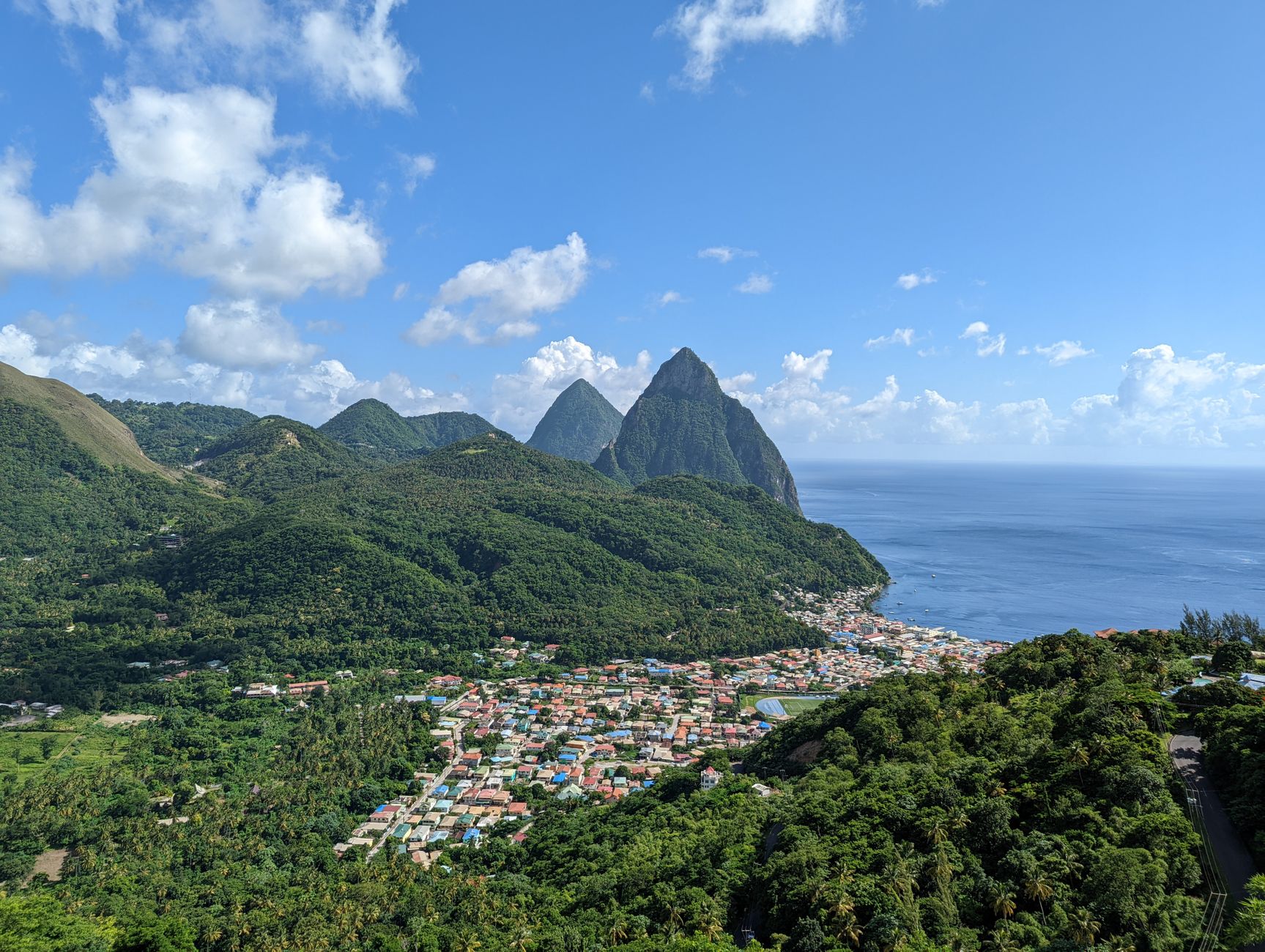
St. Lucia is visually striking. The southern town of Soufrière is dominated by the Pitons, two massive volcanic spires that rise vertically from the ocean. Many of the island’s luxury resorts are built directly into the cliffside, offering open-air rooms with infinity pools facing the mountains. It is a dominant destination for honeymoons and romantic getaways.
Beyond the resorts, you can drive your rental car directly into the crater of the Sulphur Springs volcano to take a therapeutic mud bath. If you are fit, hire a local guide to hike the steep, rocky trail to the summit of Gros Piton. St. Lucia caters heavily to the luxury market, but you can find mid-range guesthouses in the northern hub of Rodney Bay, which also offers a lively marina and nightlife scene.
Bonaire: Best for Scuba Diving and Snorkelling
Bonaire is a small Dutch municipality located just off the coast of Venezuela. Along with Aruba and Curaçao, it sits outside the traditional hurricane belt, making it a safe bet for late summer and autumn travel. The island is world-renowned for shore diving. You simply rent a pickup truck, load your scuba tanks in the back, and pull over at any of the yellow stones marking the 60+ dive sites along the coastal road.
The landscape is arid, covered in cacti and scrub, with large salt pans in the south that attract flocks of pink flamingos. The capital, Kralendijk, is small but packed with excellent restaurants and dive shops. Bonaire is quiet and conservation-focused; there are no sprawling all-inclusive resorts here, just boutique hotels and self-catering apartments geared towards underwater enthusiasts.
Dominican Republic: Best for Value and All-Inclusives
If you want a traditional resort holiday on a strict budget, the Dominican Republic is hard to beat. The eastern hub of Punta Cana is packed with massive all-inclusive resorts where $150 to $250 a night covers your room, meals, and drinks. Flights into Punta Cana International Airport (PUJ) are plentiful from across North America and Europe.
However, the country offers much more than fly-and-flop tourism. The north coast town of Cabarete is a global hub for kitesurfing and windsurfing. In the capital, Santo Domingo, the Zona Colonial features the oldest cathedral and paved street in the Americas. Travelling independently here is cheap, with local buses (guaguas) connecting major towns for just a few dollars.
Island Comparison at a Glance
| Island | Best For | Avg. Daily Cost (USD) | Direct Flights (US/UK) |
|---|---|---|---|
| Turks & Caicos | Beaches & Luxury | $400 – $800+ | US, UK |
| Dominica | Hiking & Nature | $100 – $200 | Requires Connection |
| Puerto Rico | Culture & Food | $150 – $300 | US (Hub) |
| Barbados | Surfing & Nightlife | $200 – $500 | US, UK |
| St. Lucia | Scenery & Romance | $250 – $600 | US, UK |
| Bonaire | Scuba Diving | $150 – $250 | US, EU |
| Dominican Rep. | Value All-Inclusives | $100 – $250 | US, UK |

Practical Essentials: Flights, Costs, and Seasons
Miami (MIA) and New York (JFK) serve as the primary gateways for US travellers heading to the Caribbean. If you are flying from the UK, British Airways and Virgin Atlantic run direct routes from London to major hubs like Barbados, Antigua, and Jamaica. For smaller islands like Dominica, St. Vincent, or Nevis, you will need to book a regional connection via interCaribbean Airways or Caribbean Airlines.
Temperatures remain remarkably consistent year-round, hovering between 26°C and 31°C (79°F to 88°F). The defining factor for Caribbean travel is the wet season. Always check weather patterns before booking late summer trips and read our guide to the Caribbean Hurricane Season: When to Go and What to Know.
Daily costs vary wildly depending on the island. A budget backpacker can survive on $80 a day in the Dominican Republic by eating at local comedores and taking public transport. Conversely, a mid-range trip to Turks and Caicos or St. Barts will easily exceed $400 a day before you even factor in excursions.
Insider Tips and Mistakes to Avoid
- Assuming island hopping is easy: Looking at a map, the islands seem close together. In reality, regional flights are expensive and frequently delayed. Ferries are limited to specific clusters, such as the Makana ferry connecting St. Maarten, Saba, and Statia. Pick one or two islands and explore them thoroughly.
- Relying entirely on US Dollars: While USD is widely accepted in tourist hubs, you will get a terrible exchange rate at local markets and route taxis. Withdraw local currency from an ATM upon arrival. Eight islands use the Eastern Caribbean Dollar (XCD), which is pegged to the US Dollar.
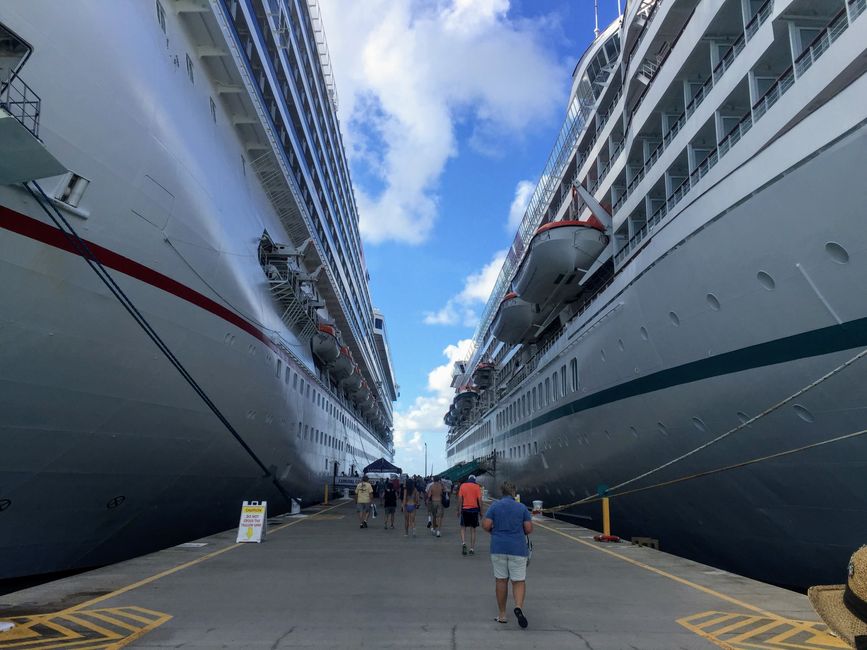
- Ignoring cruise ship schedules: Small capital cities like St. John’s in Antigua or Nassau in the Bahamas can be overwhelmed when three or four mega-ships dock on the same day. Check the local port authority schedule online and plan your city visits for days when the port is empty.
- Forgetting to check the driving side: If you rent a car, know the local laws. Former British colonies like Barbados, Jamaica, and St. Lucia drive on the left. Puerto Rico and the Dominican Republic drive on the right.
What to Combine Your Caribbean Trip With
Before you book your flights, read our comprehensive North America guide to understand the regional transit hubs. Because so many Caribbean flights route through Florida, many travellers choose to combine a tropical getaway with a mainland adventure. If you fly through Miami, consider adding one of the Best USA Road Trips, such as driving the Overseas Highway down to Key West.
If you are weighing up island life against mainland cities, check our list of the Best Countries to Visit in North America to see how the Caribbean nations compare to Mexico or Canada. Alternatively, you can swap coral reefs for mainland wilderness by exploring the Best National Parks in the USA and Canada, perhaps contrasting the beaches of the Bahamas with the wetlands of the Florida Everglades.
Plan Your Trip
Start by booking your flights four to six months in advance, especially if you are travelling between December and April. Once your flights are secured, book your rental car immediately, as small islands have limited vehicle fleets that sell out during peak season. Finally, pack reef-safe sunscreen (which is mandatory by law in destinations like Bonaire and the US Virgin Islands) and ensure your travel insurance covers activities like scuba diving or mountain hiking.