Your Peru trip cost will depend heavily on your travel style, but on average, expect to spend between $70 and $120 USD per day for a comfortable mid-range trip. If you are a backpacker sticking to hostels and local buses, you can easily get by on $35 to $50 a day. Luxury travellers staying in boutique hotels and taking premium trains should budget $200 or more daily.
While daily expenses like food and transport are incredibly affordable, Peru is famous for world-class historical sites and epic treks. These bucket-list activities will make up a significant portion of your budget. Below is a detailed breakdown of what you can expect to spend on flights, accommodation, food, transport, and tours.
Daily Budget by Travel Style
To help you plan, here is a quick look at average daily costs per person. These figures do not include international flights, travel insurance, or major multi-day treks like the Inca Trail.
| Expense | Backpacker | Mid-Range | Luxury |
|---|---|---|---|
| Accommodation | $10 – $20 | $40 – $90 | $150+ |
| Food & Drink | $10 – $15 | $25 – $50 | $80+ |
| Transport | $5 – $10 | $15 – $30 | $50+ |
| Activities | $10 – $20 | $20 – $40 | $100+ |
| Daily Total | $35 – $65 | $100 – $210 | $380+ |
Flights to and Around Peru
Most international visitors arrive at Jorge Chávez International Airport (LIM) in Lima. From the US, return flights typically range from $400 to $800 depending on the season and departure city. Travellers flying from the UK or Australia should expect to pay between $900 and $1,500.
Because Peru is vast, domestic flights are the most practical way to cover long distances, such as travelling from Lima to the Amazon or the Andes. A one-way flight from Lima to Cusco (Alejandro Velasco Astete Airport) or Arequipa on airlines like LATAM or Sky Airline usually costs $40 to $100. Be aware that budget airlines often charge extra for checked bags and even carry-on luggage, so factor this into your Peru trip cost.
Accommodation Costs
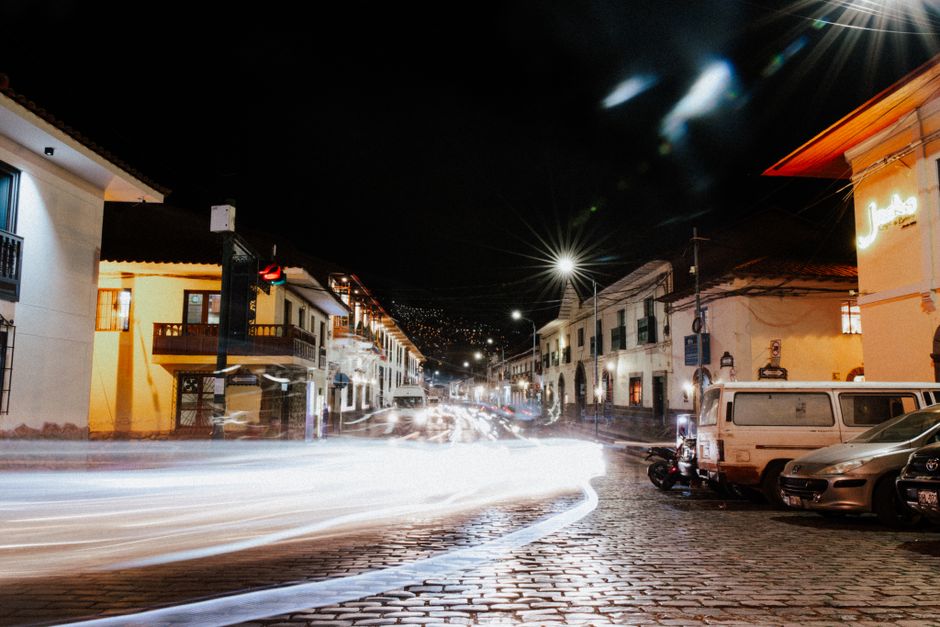
Peru offers excellent value for a bed, whether you want a lively backpacker hub or a converted colonial monastery. Prices vary by region, with Cusco and Lima being the most expensive.
- Hostels ($10 – $20): A dorm bed in popular neighbourhoods like Miraflores (Lima) or San Blas (Cusco) is very affordable. Many hostels include a basic breakfast of bread, jam, and coffee.
- Homestays ($15 – $25): If you visit Lake Titicaca or the Colca Canyon, staying with a local family is a fantastic cultural experience. These rates usually include a basic bed and three home-cooked meals.
- Mid-Range Hotels ($40 – $90): For this price, you get a private double room in a comfortable 3-star hotel with an en-suite bathroom, hot water, and a hearty breakfast. In the Andes, check if the room has heating, as nights can drop below freezing (0°C).
- Luxury Hotels ($150 – $500+): Peru excels in luxury accommodation. Five-star properties, such as the Belmond hotels in Cusco or luxury eco-lodges in the Sacred Valley, provide world-class service, oxygen-enriched rooms to combat altitude sickness, and fine dining.
Food and Drink Prices
Peru is a culinary powerhouse. You can eat incredibly well on a tight budget or splurge on some of the best restaurants in the world.
If you want to save money, eat like a local at lunchtime. A menú del día (menu of the day) costs just $3 to $6. This set lunch typically includes a starter (like quinoa soup), a main course (such as lomo saltado or aji de gallina), and a fresh juice. Street food is also cheap; a portion of anticuchos (grilled beef heart skewers) costs around $2.
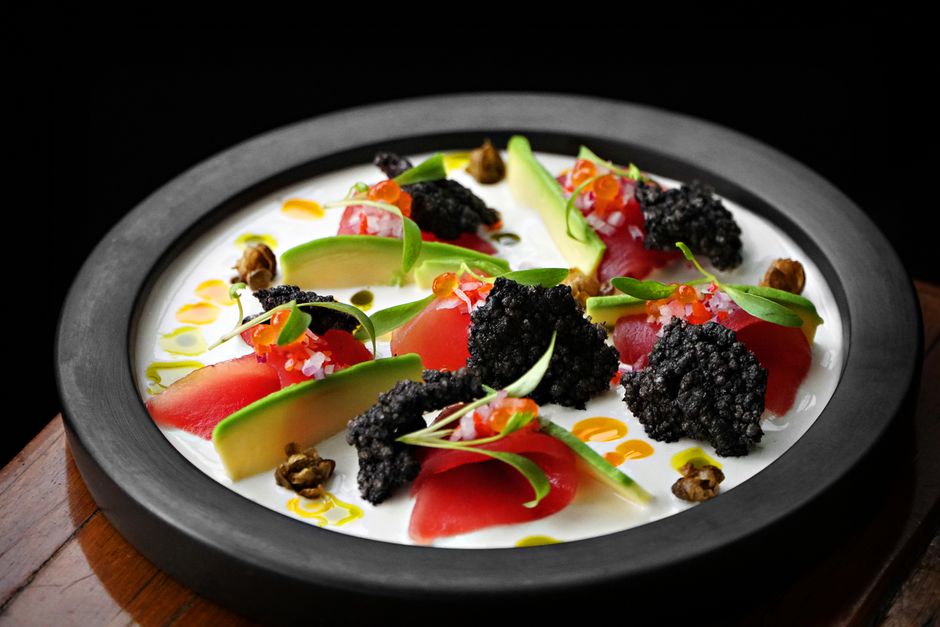
For dinner, a mid-range tourist restaurant will charge $15 to $30 for a main course, such as alpaca steak or fresh ceviche, plus a pisco sour. If you are celebrating, fine dining tasting menus at top Lima spots like Central or Maido cost $150 to $300+ per person, and you must book months in advance.
Drinks are reasonably priced. A local beer like Cusqueña or Pilsen Callao costs $2 to $4 in a bar, while cocktails range from $6 to $10.
Transport Costs
Getting around cities and between regions is straightforward and relatively cheap. For long distances, luxury buses are the preferred choice for budget and mid-range travellers. Companies like Cruz del Sur offer VIP seats that recline 160 degrees for $20 to $50, depending on the route. Taking an overnight bus from Lima to Arequipa, for example, saves you a night of accommodation.
Another popular option is Peru Hop, a hop-on, hop-off bus service. A pass from Lima to Cusco (via Paracas, Huacachina, Nazca, Arequipa, and Puno) costs around $170 to $200. It is more expensive than public buses but includes stops at tourist sites and English-speaking guides.
In the Sacred Valley, colectivos (shared minivans) are the cheapest way to travel between towns like Pisac, Urubamba, and Ollantaytambo, costing just $1 to $3 per ride. City taxis do not use meters, so you must negotiate the fare before getting in. A typical short ride in Cusco or Lima costs $3 to $8.
Trains to Machu Picchu are a major expense. PeruRail and Inca Rail operate services from Cusco or Ollantaytambo to Aguas Calientes. A return ticket costs between $100 and $180 for standard tourist class, while the luxury Belmond Hiram Bingham train costs upwards of $500 each way.
Activities and Tours
This is where your budget needs careful planning. The Andes demand guides, permits, and transport, and these costs add up quickly.
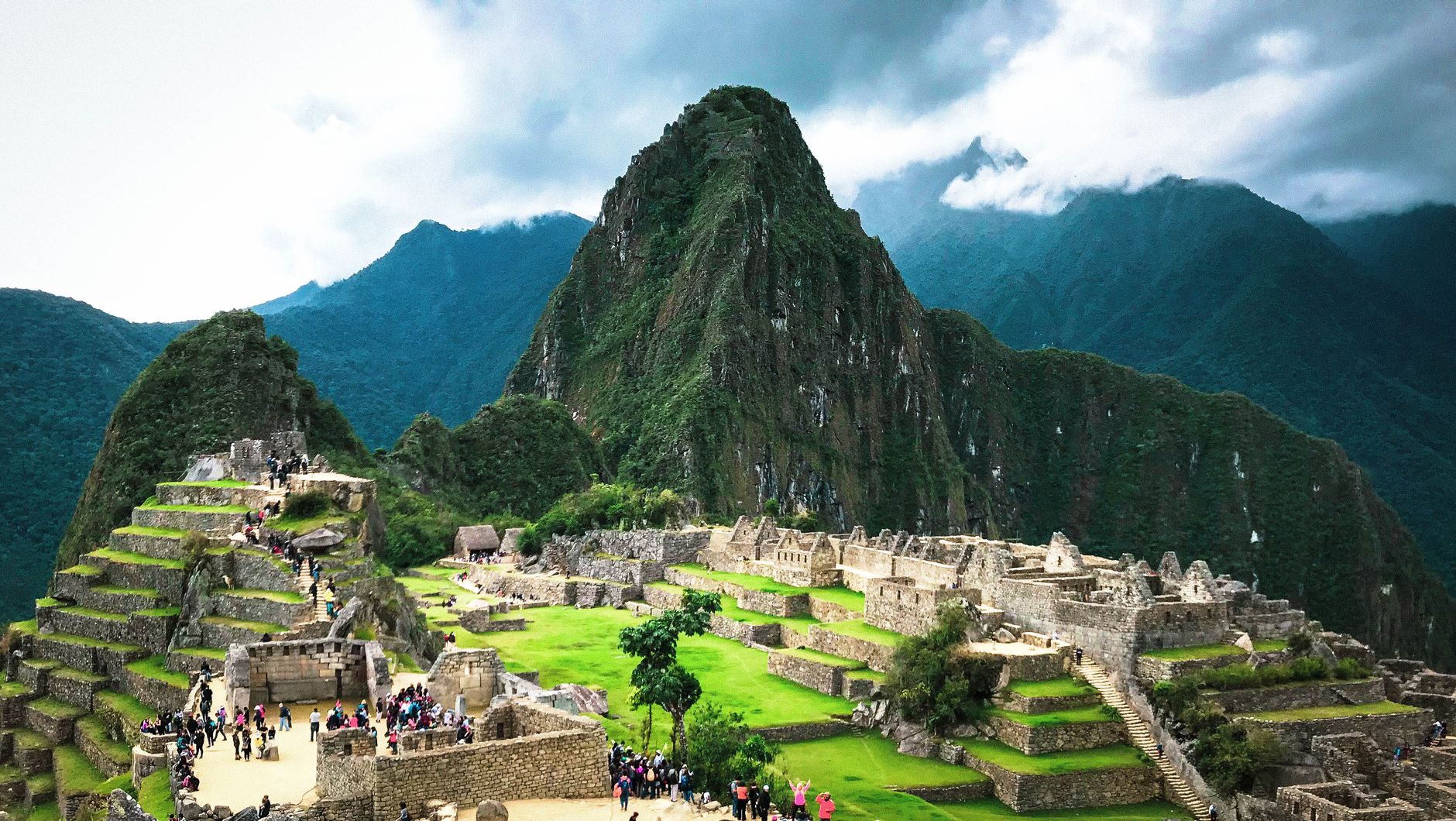
- Machu Picchu: The base entry ticket in 2026 is roughly $47 USD (163 PEN), but adding mountain hikes like Huayna Picchu pushes it to $61 USD (211 PEN). Read our guide to Machu Picchu Tickets and Circuits Explained for the full breakdown.
- Inca Trail: A classic 4-day trek costs $700 to $1,000+ per person, including permits, guides, porters, and food. If you are comparing options, check out Inca Trail vs Alternative Treks.
- Boleto Turístico (Cusco Tourist Ticket): Required to enter major ruins in the Sacred Valley (like Pisac, Ollantaytambo, and Moray). The full 10-day ticket costs 130 PEN (about $38 USD).
- Rainbow Mountain: A guided Rainbow Mountain Day Trip from Cusco costs $30 to $50, including transport, breakfast, and lunch.
- Lake Titicaca: A full-day boat tour to the Uros floating islands and Taquile Island costs $20 to $40. See our Lake Titicaca Guide for details.
- Amazon Rainforest: A 3-day, 2-night stay at a jungle lodge in Puerto Maldonado or Iquitos typically costs $250 to $500, including meals and guided excursions.
- Colca Canyon: A 2-day guided trek into one of the world’s deepest canyons costs $30 to $60 from Arequipa, plus the 70 PEN ($20 USD) tourist ticket.
- Nazca Lines: A 30-minute scenic flight over the ancient geoglyphs costs $80 to $120, plus a small airport tax.
Sample Budgets for 1 and 2 Weeks
To help you plan your Peru Itinerary: 7, 10 and 14 Days, here is what you might spend on the ground (excluding international flights).
1 Week in Peru
A one-week trip usually focuses on Cusco, the Sacred Valley, and Machu Picchu.
- Backpacker: $250 – $450
- Mid-range: $700 – $1,200
- Luxury: $2,500+
2 Weeks in Peru
Two weeks allows you to add Lima, Arequipa, the Colca Canyon, and Lake Titicaca to your route.
- Backpacker: $500 – $900
- Mid-range: $1,400 – $2,400
- Luxury: $5,000+
Note: Add $700 to $1,000+ to these totals if you plan to hike the 4-day Inca Trail.
Money: Currency, Cards, ATMs, and Tipping
The local currency is the Peruvian Sol (PEN). In 2026, 1 USD equals roughly 3.45 Soles. It is always a good idea to carry some crisp, untorn US dollars for emergencies, as damaged bills are routinely rejected by local exchange houses.
Visa and Mastercard are widely accepted in hotels, larger restaurants, and supermarkets in major cities. However, you absolutely need cash for taxis, local markets, small cafes, and rural areas. ATMs are widespread in cities like Lima, Cusco, and Arequipa. Expect withdrawal fees of 15 to 25 PEN ($4 to $7 USD) per transaction. Always decline the ATM’s dynamic currency conversion to ensure your home bank gives you the best exchange rate.
Tipping is customary but not excessive. In restaurants, a 10% tip is standard for good service. Tour guides and porters rely heavily on tips; budget around $10 to $15 per day for your lead guide on multi-day treks, and pool a tip for the porter team.
Travel Insurance Costs
Do not overlook travel insurance when calculating your Peru trip cost. The Andes are rugged, and altitude sickness is a genuine risk in Cusco (3,399 metres) and Lake Titicaca (3,812 metres). A comprehensive policy covering high-altitude trekking (up to 4,500 metres for the Inca Trail or 5,200 metres for Rainbow Mountain) and medical evacuation is essential. Expect to pay $50 to $120 for a two-week policy, depending on your age and coverage limits.
Ways to Save on Your Peru Trip Cost
If you want to stretch your budget further, keep these practical tips in mind.
- Travel in the shoulder season: Visit in April, May, September, or October. You will find cheaper flights and accommodation than in the peak dry season (June to August). Check our guide on the Best Time to Visit Peru: Weather and Seasons by Region.
- Take night buses: Booking an overnight bus with Cruz del Sur saves you the cost of a night’s accommodation and covers huge distances while you sleep.
- Eat the Menú del Día: Stick to local lunch specials rather than eating at tourist-focused restaurants in the main squares.
- Prepare your documents: Ensure you meet all Peru Visa and Entry Requirements to avoid unexpected fees or denied boarding at the airport. Read up on Peru Travel Tips: What to Know Before You Go for more practical advice.
Plan Your Trip
Peru is an incredible value destination if you balance big-ticket excursions with local meals and affordable transport. For more inspiration, start with our comprehensive Peru guide, or explore our broader South America guide. Finally, to ensure peace of mind on the road, review our advice on Is Peru Safe to Visit? Safety Tips for Travellers.