Building a practical Peru itinerary requires balancing high altitudes, long travel distances, and strict ticketing systems for major archaeological sites. If you have one week, your time is best spent flying straight to the Andes to focus entirely on Cusco and Machu Picchu. With two weeks, you can travel overland down the Pacific coast and through the high-altitude plains of the south.
This guide breaks down exactly how to structure your days, manage the logistics of domestic transport, and acclimatise safely. For a broader overview of the country, start with our main Peru guide or explore our wider South America guide.
Route Map Overview for Your Peru Itinerary
Peru is geographically divided into three main zones: the arid desert coast, the high Andes mountains, and the Amazon basin. Most first-time visitors stick to the “Gringo Trail,” a well-worn southern circuit that loops from Lima down the coast to Paracas and Arequipa, up into the Andes to Puno and Cusco, and finally back to Lima.
Altitude dictates the pace of your trip. Lima sits at sea level. Cusco is at 3,399 metres, which is high enough to cause altitude sickness if you rush your ascent. A smart itinerary builds in acclimatisation time by placing lower-altitude stops, like Arequipa (2,335 metres) or the Sacred Valley (2,792 metres), before you sleep in Cusco or tackle high-altitude treks.
7-Day Peru Itinerary: The Inca Highlights
One week is the absolute minimum time required to see Machu Picchu without severe rushing. This route involves flying directly from Lima to Cusco. Because Cusco is very high, you will immediately drop down into the Sacred Valley to acclimatise.
| Day | Location | Main Activity |
|---|---|---|
| 1 | Lima | Arrive at LIM, explore Miraflores or Barranco |
| 2 | Sacred Valley | Fly to Cusco, transfer immediately to Ollantaytambo |
| 3 | Sacred Valley | Pisac ruins, Maras salt mines, Moray terraces |
| 4 | Machu Picchu | Train to Aguas Calientes, explore the citadel |
| 5 | Cusco | Return by train, explore Cusco city centre |
| 6 | Cusco | Day trip or city ruins (Sacsayhuamán) |
| 7 | Lima | Fly back to Lima for departure |
Day 1: Arrive in Lima
Land at Jorge Chávez International Airport (LIM). Traffic in Lima is notoriously heavy; expect a 45 to 60-minute taxi ride to the coastal neighbourhoods of Miraflores or Barranco. Spend your afternoon walking the Malecón, a cliffside path overlooking the Pacific Ocean. Eat fresh ceviche for lunch, as lime-cured seafood is a daytime dish in Peru.
Day 2: Fly to Cusco and Transfer to the Sacred Valley
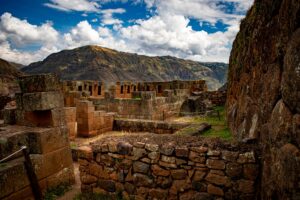
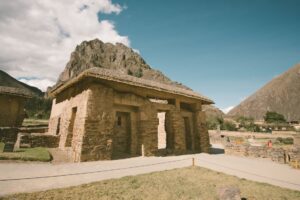
Take a morning flight to Cusco (about 1.5 hours). Upon landing, do not stay in the city. Hire a taxi to drive you directly into the Sacred Valley, which sits roughly 600 metres lower than Cusco. The drive takes about 1.5 hours. Base yourself in Ollantaytambo, a living Inca town with cobbled streets and functioning aqueducts. Drink coca tea and rest to let your body adjust.
Day 3: Explore the Sacred Valley
Hire a driver for the day to explore the valley. Start at the Pisac ruins, known for their sweeping agricultural terraces. Next, visit the Maras salt mines, where thousands of salt pans cascade down a canyon, and the circular depressions of Moray, believed to be an Inca agricultural laboratory. You will need to purchase a Boleto Turístico (Tourist Ticket) to enter these sites. Spend a second night in Ollantaytambo.
Day 4: Machu Picchu
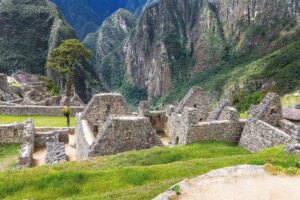
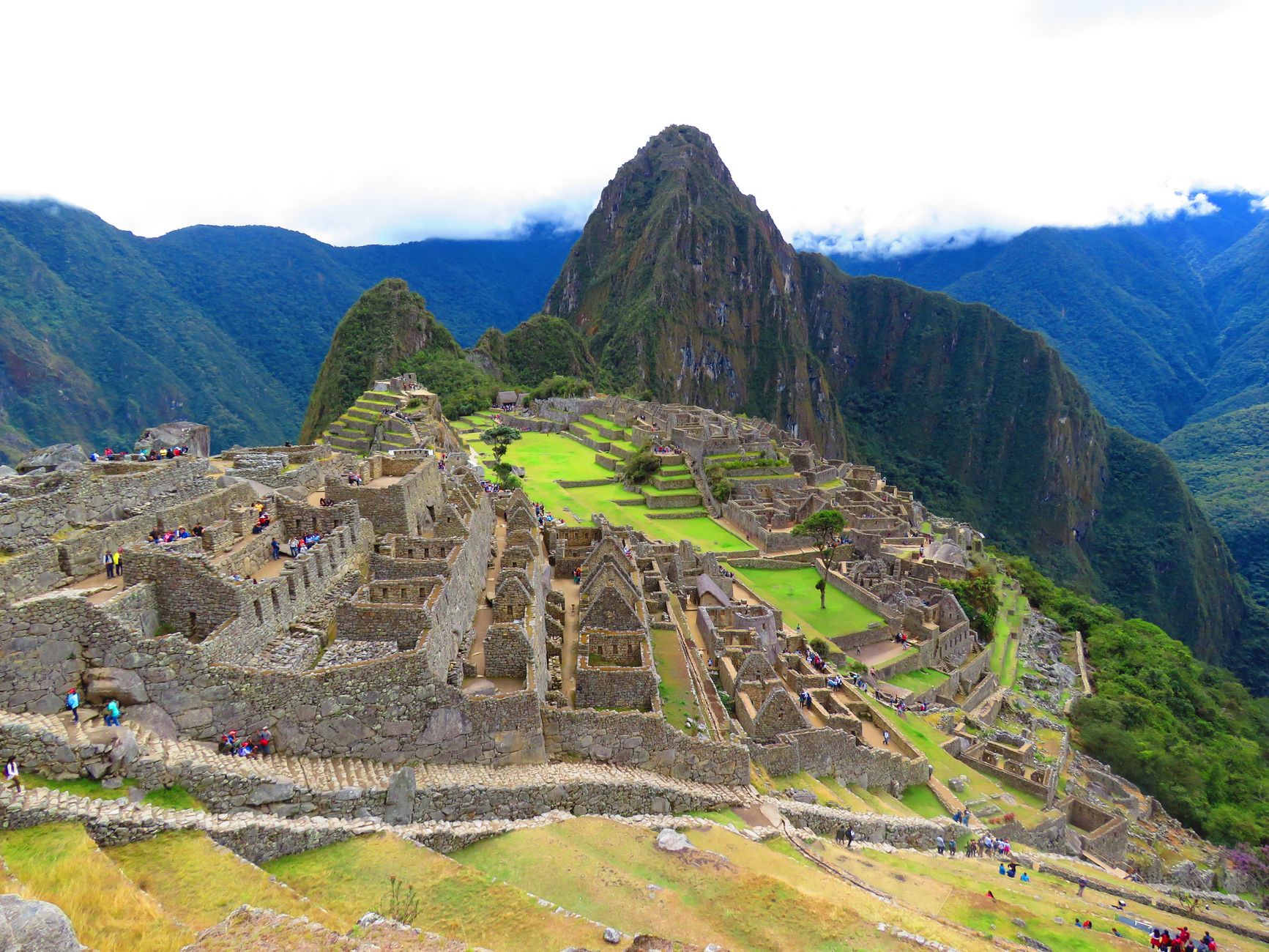
Take an early morning train from Ollantaytambo station to Aguas Calientes (the town below Machu Picchu). The journey takes 1.5 hours. From Aguas Calientes, board the 30-minute shuttle bus up the Hiram Bingham road to the citadel entrance. You must secure your entry months in advance. Read our guide on Machu Picchu Tickets and Circuits Explained to understand the current routing rules. Circuit 2 offers the classic postcard view. In the late afternoon, take the train back to Ollantaytambo or Poroy, and transfer to a hotel in Cusco.
Day 5: Cusco City Centre
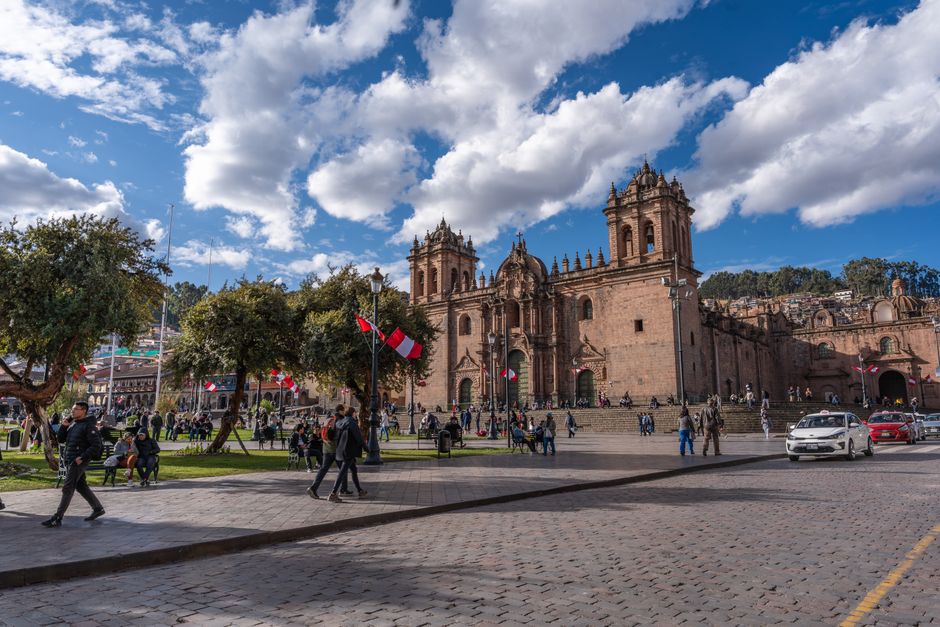
Spend the day exploring the former capital of the Inca Empire. Walk through the Plaza de Armas and visit Qorikancha, the Inca Temple of the Sun, which the Spanish built a convent directly on top of. Browse the stalls at San Pedro Market for fresh juice, local cheeses, and textiles. Wander up the steep, narrow streets of the San Blas neighbourhood in the afternoon.
Day 6: Day Trip from Cusco
Use this day for a high-altitude excursion. The most popular option is the Rainbow Mountain Day Trip. Vinicunca sits at 5,200 metres, so attempting this at the end of your week ensures you are properly acclimatised. Alternatively, stay closer to the city and explore the massive stone walls of Sacsayhuamán, located just above Cusco.
Day 7: Return to Lima
Take a morning flight from Cusco back to Lima. Depending on your international departure time, you can store your luggage at the airport and take a taxi to the historic centre of Lima to see the Plaza Mayor and the catacombs of the San Francisco Monastery.
10-Day Peru Itinerary: Andes and Altiplano
With 10 days, you can add the high-altitude plains of the Puno region. This route introduces Lake Titicaca, the highest navigable lake in the world, before moving on to the Inca heartland.
| Day | Location | Main Activity |
|---|---|---|
| 1 | Lima | Arrive and explore the coast |
| 2 | Puno | Fly to Juliaca, transfer to Puno |
| 3 | Lake Titicaca | Boat tour of Uros and Taquile islands |
| 4 | Cusco | Overland tourist bus from Puno to Cusco |
| 5 | Cusco | City centre and San Pedro Market |
| 6 | Sacred Valley | Pisac, Moray, and Maras |
| 7-9 | Inca Trail | 3-day trek or alternative route to Machu Picchu |
| 10 | Lima | Fly to Lima and depart |
Days 1 to 3: Lima to Lake Titicaca
After a day in Lima, fly to Juliaca (JUL) and take a 45-minute taxi to Puno, the gateway to Lake Titicaca. Puno sits at a staggering 3,827 metres, so take your first evening very slowly. On Day 3, take a full-day boat tour. You will visit the Uros floating islands, constructed entirely from totora reeds, and Taquile Island, famous for its male master weavers. For more details on boat routes, see our Lake Titicaca Guide.
Day 4: The Route of the Sun
Travel from Puno to Cusco via a tourist bus (companies like Inka Express run this route). The 390 km journey takes about 10 hours but breaks up the trip with guided stops at the pre-Inca ruins of Pukara, the high pass of La Raya (4,335 metres), the Inca temple of Raqchi, and the colonial church of Andahuaylillas. You will arrive in Cusco in the early evening.
Days 5 to 9: Cusco, Sacred Valley, and Trekking
Spend Day 5 acclimatising in Cusco and Day 6 touring the Sacred Valley. For Days 7 through 9, embark on a trek to Machu Picchu. If you secure permits early, you can hike the Short Inca Trail (2 days of hiking). If permits are sold out, consider the Salkantay or Lares routes. Compare your options in our guide to Inca Trail vs Alternative Treks. Return to Cusco on the evening of Day 9.
Day 10: Departure
Fly from Cusco to Lima to connect with your flight home.
14-Day Peru Itinerary: The Full Southern Circuit
Two weeks allows you to travel entirely overland from Lima to Cusco. This gradual ascent is the safest way to prevent altitude sickness. It relies on Peru’s excellent long-distance bus network.
- Day 1: Lima. Arrive and rest in Miraflores.
- Day 2: Paracas. Take a 3.5-hour morning bus (260 km) down the coast to Paracas. Take a speedboat tour of the Ballestas Islands to see penguins, sea lions, and blue-footed boobies.
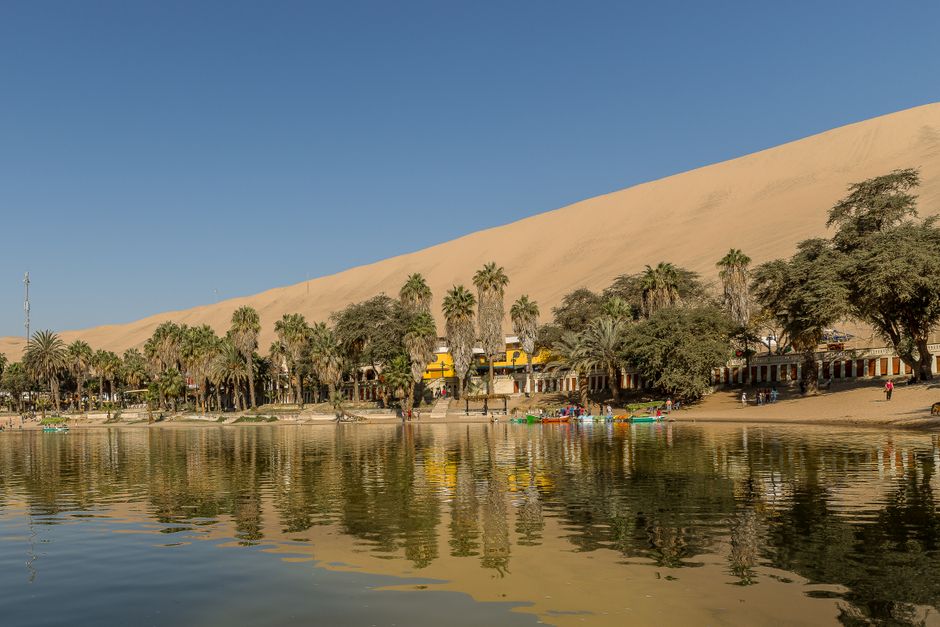
- Day 3: Huacachina. Take a short bus ride to Ica and a taxi to the desert oasis of Huacachina. Ride dune buggies and try sandboarding. Board a luxury night bus to Arequipa.
- Day 4: Arequipa. Arrive in the morning. Arequipa is framed by three volcanoes. Spend the afternoon walking through the brightly painted walls of the Santa Catalina Monastery.
- Day 5-6: Colca Canyon. Take a two-day tour into the Colca Canyon, one of the deepest canyons in the world. Stop at the Cruz del Condor viewpoint to watch Andean condors riding the morning thermals. Return to Arequipa or take a direct tourist bus from Chivay to Puno on the afternoon of Day 6.
- Day 7: Puno. Rest and adjust to the 3,827-metre altitude.
- Day 8: Lake Titicaca. Full-day boat tour of the islands.
- Day 9: Cusco. Take the daytime tourist bus or a quick flight from Juliaca to Cusco.
- Day 10: Cusco. Explore the Plaza de Armas, Qorikancha, and Sacsayhuamán.
- Day 11: Sacred Valley. Tour Pisac and Ollantaytambo. Sleep in Ollantaytambo.
- Day 12: Aguas Calientes. Take the morning train to Aguas Calientes. Hike to the Mandor waterfalls or visit the hot springs.
- Day 13: Machu Picchu. Take the early bus up to the ruins. Complete your designated circuit. Take the afternoon train back to Cusco.
- Day 14: Lima. Fly from Cusco to Lima for your journey home.
Getting Between Stops in Peru
Domestic flights are the best way to cover long distances quickly. LATAM and Sky Airline operate frequent, reliable routes between Lima, Cusco, Arequipa, and Juliaca. Always check the luggage allowances, as basic fares often only include a small personal item.
For overland travel, Peru’s bus network is exceptional. Cruz del Sur is the premier public operator, offering double-decker buses with VIP seats that recline 160 degrees, individual screens, and onboard meals. For the 14-day southern circuit, many travellers use Peru Hop, a private hop-on, hop-off bus service that includes hotel pickups and stops at minor sights along the route.
Train travel is primarily used for reaching Machu Picchu. PeruRail and Inca Rail operate services from Cusco (Poroy or San Pedro stations) and Ollantaytambo to Aguas Calientes. Luggage on these trains is strictly limited to one small bag weighing no more than 5 kg (11 lbs). You must leave your main luggage at your hotel in Cusco or the Sacred Valley.
Adjusting for Season and Budget
Your itinerary will be heavily influenced by the time of year you travel. The dry season runs from May to October. This is peak tourist season, offering clear skies for trekking and photography. Temperatures in the Andes range from 15°C to 20°C (59°F to 68°F) during the day but drop sharply to around 0°C (32°F) at night. The wet season runs from November to April. Expect heavy afternoon downpours and muddy trails. The classic Inca Trail closes entirely every February for maintenance. Read more in our guide on the Best Time to Visit Peru: Weather and Seasons by Region.
Peru accommodates all budgets. Backpackers staying in hostels and eating at local markets can expect to spend $40 to $60 USD per day. A mid-range trip with comfortable private rooms, domestic flights, and guided day tours will cost between $120 and $200 USD per day. Luxury travellers staying in premium lodges and taking the Belmond Hiram Bingham train should budget $300+ USD per day. For a detailed breakdown, see Peru Travel Cost: How Much Does a Trip Cost?.
Before booking, ensure your paperwork is in order by checking the Peru Visa and Entry Requirements. You should also review current local advisories in our guide: Is Peru Safe to Visit? Safety Tips for Travellers.
Plan Your Trip
The most critical step in planning your Peru itinerary is securing your Machu Picchu tickets. Do this before booking your flights or hotels, as tickets for the most popular circuits sell out months in advance during the dry season. Once your entry date is locked in, build your itinerary backwards, ensuring you have at least two full days at altitude before attempting any strenuous hikes. For more practical advice on packing, tipping, and drinking water, read our Peru Travel Tips: What to Know Before You Go.