The best time to visit Peru is during the dry season from May to October, especially if you plan to hike the Andes or explore the Amazon rainforest. However, because the country has three drastically different climate zones—the coast, the mountains, and the jungle—your ideal travel window depends entirely on your itinerary. Read our complete Peru guide to get started. While you map out your wider adventure, our South America guide can help you connect Peru with neighbouring countries seamlessly.
Understanding Peru’s Three Climate Zones
Peru does not experience a standard four-season year. Instead, weather is dictated by geography. You can be shivering in a high-altitude snowstorm and sweating in a tropical jungle on the exact same day, separated by just a short domestic flight. A 1.5-hour flight covers the 570 km between Lima on the coast and Cusco in the mountains, but the weather shift is extreme.
The Andes (La Sierra)
This region includes Cusco, the Sacred Valley, Machu Picchu, Arequipa, and Huaraz. The Andes experience two distinct seasons. The dry season runs from May to October. During these months, you can expect bright, sunny days with highs around 20°C (68°F). Because of the altitude—Cusco sits at 3,400 metres—temperatures plummet as soon as the sun goes down. Nighttime temperatures in June and July frequently drop below freezing, sometimes reaching -5°C (23°F).
The wet season lasts from December to April. January and February are the rainiest months, bringing heavy downpours that wash out hiking trails, cause transport delays, and obscure mountain views with thick fog.
The Coast (La Costa)
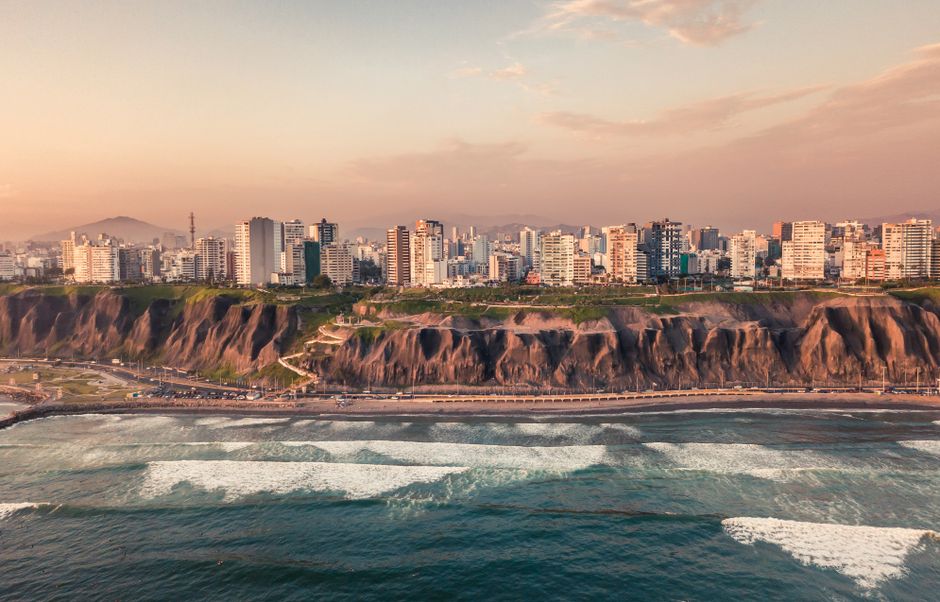
Peru’s long desert coastline, which includes Lima, Paracas, Nazca, and the northern beaches of Mancora, operates on an entirely different climate schedule. From December to April, the coast experiences its summer. Skies are clear, and temperatures range from 25°C to 30°C (77°F to 86°F), making it perfect for swimming, surfing, and taking scenic flights over the Nazca Lines.
From May to November, the central and southern coast is blanketed by the garúa. This is a thick, grey sea mist that traps cold air over the cities. During this coastal winter, Lima rarely sees the sun, and temperatures hover around 15°C (59°F) with a constant, damp drizzle.
The Amazon (La Selva)
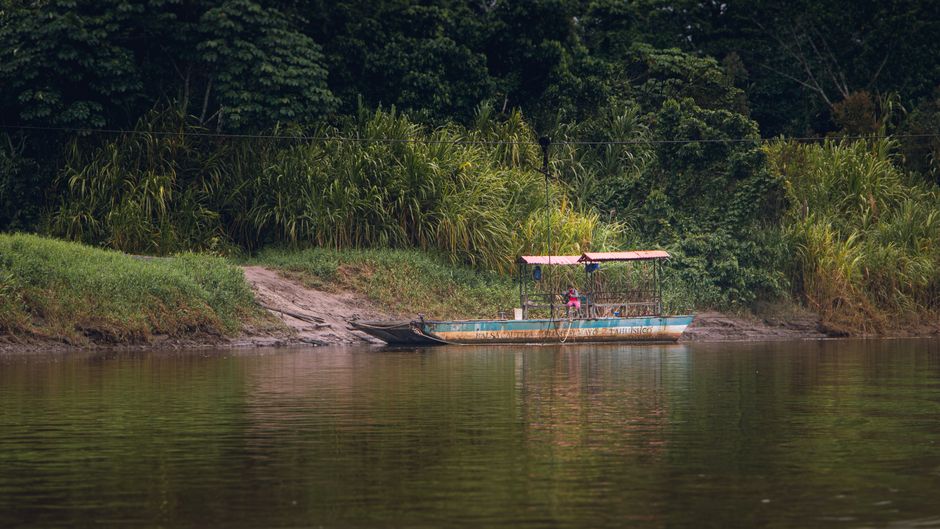
The Amazon rainforest, accessible via Iquitos in the north or Puerto Maldonado in the south, is hot and humid year-round, with average daytime temperatures of 32°C (90°F). Instead of dry and wet seasons, the jungle has low water and high water seasons.
The high water season (December to May) sees heavier rainfall, causing rivers to swell up to 10 metres above their dry-season levels. This allows skiffs and canoes to navigate deep into the flooded jungle canopy. The low water season (June to November) sees rivers recede, exposing muddy banks that attract macaws and caimans, and opening up jungle trails for hiking.
Month-by-Month Weather Overview
| Month | The Andes (Cusco) | The Coast (Lima) | The Amazon (Iquitos) |
|---|---|---|---|
| January – March | Heavy rain, muddy trails, warm days | Sunny, hot, clear skies | Heavy rain, high water levels |
| April – May | Showers fading, green valleys | Cooling down, mist returning | Rain decreasing, water levels dropping |
| June – August | Peak dry season, sunny days, freezing nights | Grey, cool, heavy coastal mist | Driest months, low water levels |
| September – November | Warming up, occasional afternoon showers | Mist lifting, temperatures rising | Rain increasing, rivers rising |
| December | Rainy season begins, lush landscapes | Summer begins, sunny and warm | Heavy rain returns, high water |
The Best Time to Visit Peru by Season
December to March: The Wet Season (Andes) / Summer (Coast)
If you are planning a beach holiday along the Pacific, this is the prime window. Lima is vibrant, outdoor cafes in Miraflores are full, and the ocean is warm enough for swimming. In the north, beach towns like Mancora and Huanchaco see peak domestic tourism.
Conversely, this is the most challenging time to visit the Andes for trekking. Heavy rains cause frequent landslides, which can disrupt train services to Aguas Calientes. The famous Inca Trail closes entirely for the month of February for maintenance and safety reasons. If you do visit Cusco during these months, you will benefit from lush, green landscapes and significantly lower hotel rates, but you must be prepared for daily downpours. Reviewing is Peru safe to visit is highly recommended during this time, as road conditions in the mountains can deteriorate rapidly.
April and May: The Shoulder Season
April and May are fantastic months to travel. The heavy rains in the mountains begin to taper off, leaving the Sacred Valley intensely green and blooming with wildflowers. The massive crowds of the peak dry season have not yet arrived, making it easier to secure train tickets and accommodation. If you are planning a Peru itinerary for 7, 10, or 14 days, May offers the perfect balance of clear skies in the Andes and manageable humidity in the Amazon. Down on the coast, the summer heat is fading, but the gloomy garúa has not completely settled in yet.
June to August: The Peak Dry Season
This is the most popular time for international travellers to visit Peru, aligning with the Northern Hemisphere’s summer holidays. The weather in the Andes is spectacularly clear, offering the best conditions for hiking and photography. However, this is also when the mountains are coldest at night. You will need a high-quality sleeping bag for any overnight treks and thermal layers for early morning excursions.
Because this is peak season, you need to book well in advance. Understanding how much a trip to Peru costs is crucial here, as flights, hotels, and tour operators charge premium rates, often $30 to $80 USD more per night than in the shoulder season. You must also secure your Machu Picchu tickets and circuits several months ahead, as daily visitor caps sell out quickly in July and August.
September to November: The Spring Shoulder Season
As September rolls in, the Andes begin to warm up, and the threat of rain slowly returns, usually starting as brief afternoon showers in late October. This is an excellent time for Amazon expeditions, as the low water season peaks, making it easier to spot wildlife congregating around shrinking water sources. In Lima, the coastal mist begins to lift by November, revealing blue skies once again.
Best Time to Visit Peru for Key Experiences
Trekking the Andes
The undisputed best time for multi-day hikes is between May and September. Dry trails reduce the risk of slipping, and clear skies guarantee unobstructed views of the snow-capped peaks. If you are debating the Inca Trail vs alternative treks like Salkantay or Lares, note that the alternative routes reach higher altitudes (up to 4,600 metres), making dry weather even more critical for safety and comfort.
Photographing Rainbow Mountain
Vinicunca, or Rainbow Mountain, sits at a staggering 5,200 metres above sea level. Visiting outside the dry season is a gamble. From December to March, the colourful mineral deposits are frequently covered in snow, turning the landscape into a flat, white slope. To see the vivid reds, yellows, and greens, plan your Rainbow Mountain day trip between June and August.
Exploring Lake Titicaca
The highest navigable lake in the world sits at 3,812 metres on the border with Bolivia. Like Cusco, the best time to visit is the dry season (May to October). The intense high-altitude sun makes the lake sparkle a brilliant blue against the golden reeds of the Uros islands. Just be prepared for bitter cold after sunset. Read our Lake Titicaca guide to plan your boat transfers and homestays.
Spotting Amazon Wildlife
Wildlife viewing is excellent year-round, but the seasons dictate how you navigate the jungle. From December to May (high water), you will spend most of your time in motorised skiffs, gliding through the flooded forest canopy right at eye level with monkeys and sloths. From June to November (low water), you will do more walking on jungle trails, which is better for spotting insects, frogs, and ground-dwelling mammals in reserves like Tambopata.
Festivals and Holidays to Plan Around
Peru hosts incredible cultural celebrations, but they also bring massive crowds and booked-out hotels. Decide early if you want to join the party or avoid the logistical headaches entirely.
- Virgen de la Candelaria (February): Held in Puno, on the shores of Lake Titicaca, this is one of South America’s largest folkloric festivals. Expect thousands of dancers, brass bands, and elaborate costumes blending Catholic and indigenous traditions.
- Semana Santa (March or April): Easter week is heavily observed. Ayacucho hosts the most famous processions, creating spectacular carpets of flower petals in the streets. Cusco also holds major parades on Easter Monday.
- Inti Raymi (June 24): The Inca Festival of the Sun takes over Cusco. It is a brilliant spectacle of music and history at the Sacsayhuaman ruins. Budget an extra $50 to $100 USD per night for central accommodation during this week, and book at least six months in advance.
- Fiestas Patrias (July 28–29): Peru’s Independence Day triggers a nationwide holiday. Domestic travel surges, meaning bus tickets, domestic flights, and coastal hotel rooms sell out fast and double in price.
- Señor de los Milagros (October): Lima turns purple as millions of devotees follow a painting of Christ through the historic centre. It is a fascinating cultural immersion, but traffic in the capital grinds to a halt.
Final Trip Planning Tips
No matter when you decide to visit, the golden rule for packing for Peru is layers. A single day in the Andes can start at 5°C (41°F), peak at 22°C (71°F) by noon, and drop back down to freezing by nightfall. Bring a waterproof jacket regardless of the season, as mountain weather changes rapidly.
Before booking your flights, verify your administrative requirements. Check the latest Peru visa and entry requirements, as policies regarding return tickets and passport validity are strictly enforced at Lima’s Jorge Chávez International Airport. Finally, take time to read through our essential Peru travel tips to familiarise yourself with local currency (the Sol), altitude sickness prevention, and transport logistics.