So, is Peru safe to visit right now? Yes, for the vast majority of travellers, Peru is a secure and incredibly rewarding destination. As long as you take sensible precautions against petty theft and stay informed about local transport strikes, you can explore the country with confidence.
To start planning, check out our comprehensive Peru guide and our broader South America guide.
Is Peru Safe to Visit? The Current Political Climate
Peru experienced significant political unrest and protests in late 2022 and early 2023, which temporarily disrupted travel to major sites. Today, the situation has largely stabilised, and the tourism industry is operating normally. However, political strikes (known locally as paros) can still occur with little warning, occasionally resulting in roadblocks in the southern Andes.
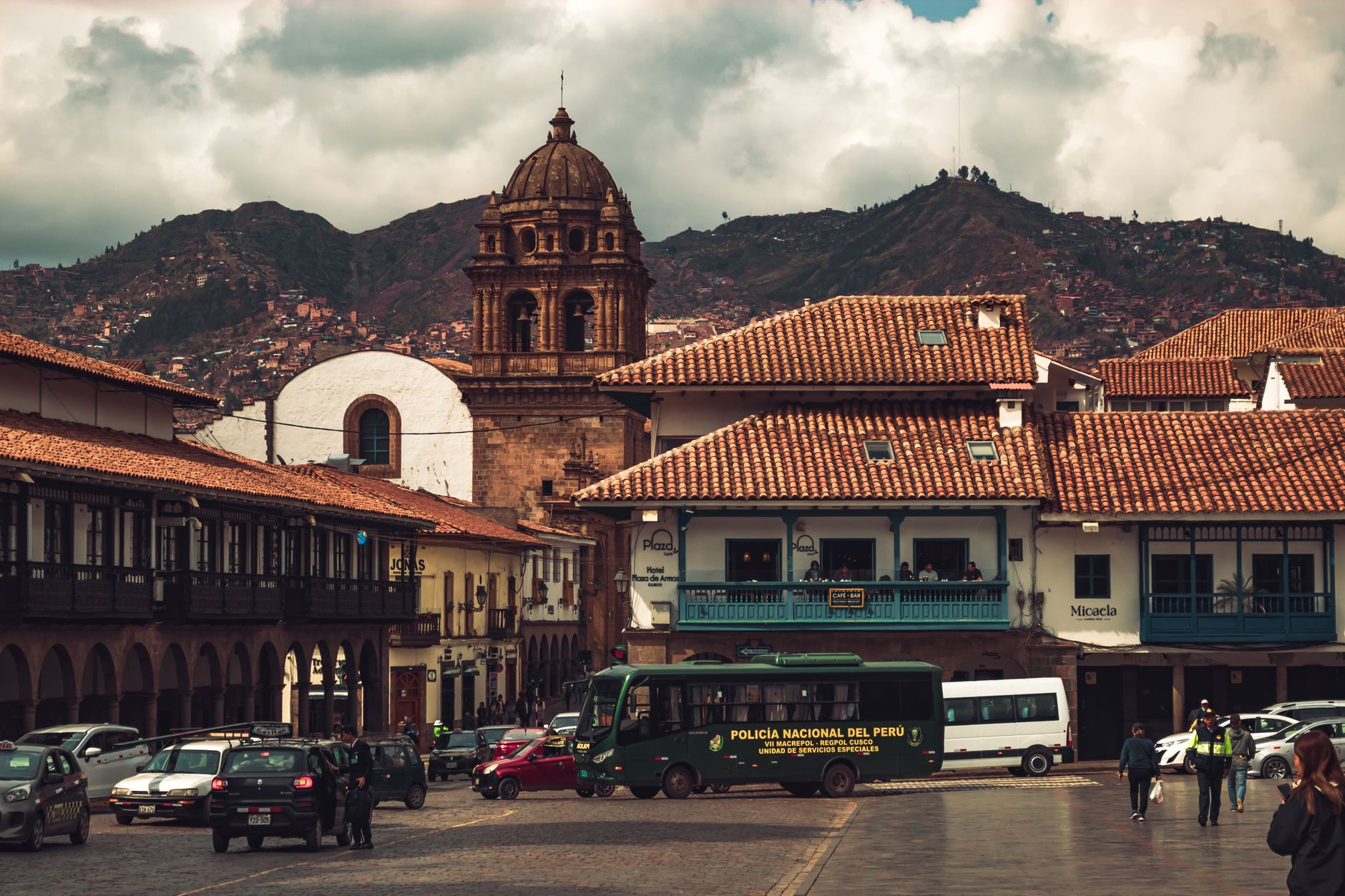
The Peruvian government places a high priority on protecting tourists. You will see a strong presence of the Tourist Police (POLTUR) in major hubs like Lima, Cusco, and Arequipa. These officers wear white shirts and are specifically trained to assist foreign visitors.
If a strike does occur during your trip, it is usually best to stay put in your hotel for the day. Never attempt to cross a protest roadblock, even on foot. For a smooth trip, building a flexible schedule is essential. You can find route suggestions in our Peru Itinerary: 7, 10 and 14 Days.
Common Crime and Scams in Peru
Violent crime against tourists is rare, but petty theft is a common nuisance. Pickpocketing and bag snatching are prevalent in crowded areas, particularly in markets, bus terminals, and on public transport. In Cusco, keep a close eye on your belongings in the bustling San Pedro Market and around the Plaza de Armas at night.
In Lima, drive-by motorcycle thefts are a known issue. Avoid walking near busy roads with your smartphone in your hand. If you need to check a map, step inside a shop or café. It is also wise to leave expensive jewellery at home and carry your daypack on your front in crowded markets.
Counterfeit money is another widespread issue. Fake soles and even fake US dollars circulate frequently. Always check your notes for watermarks and a raised texture, and try to break large bills (like 100 soles) at major supermarkets or pharmacies rather than small street stalls. For more essential advice, read our Peru Travel Tips: What to Know Before You Go.
Safe Neighbourhoods and Regions to Avoid
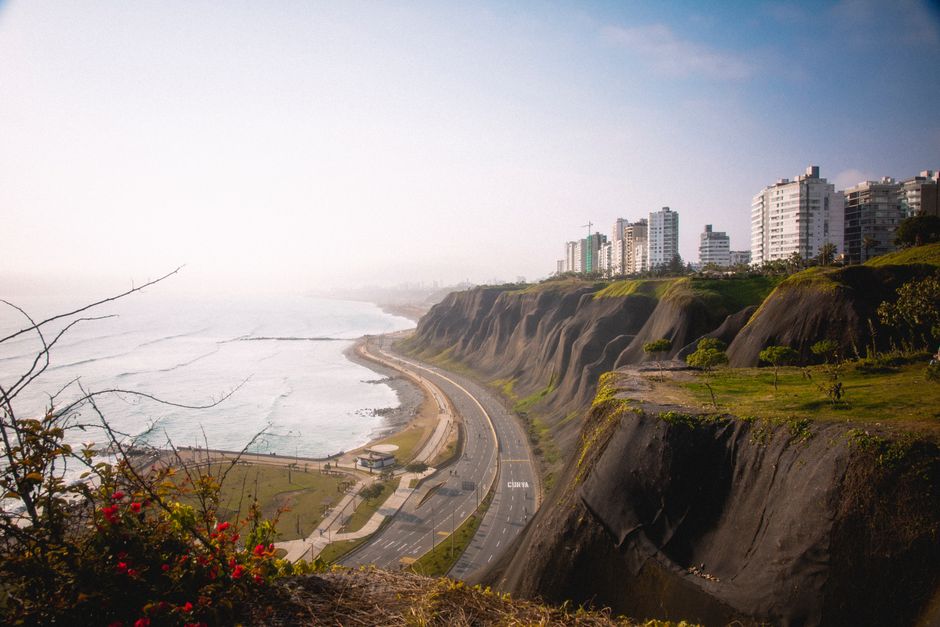
Where you stay in Peru dictates your safety. In Lima, the coastal districts of Miraflores, Barranco, and San Isidro are very safe, heavily policed, and walkable even in the early evening. Conversely, the historic centre (Centro Histórico) is fine to visit during the day but should be avoided after dark. Callao, the port city where Jorge Chávez International Airport is located, has high crime rates; do not wander around the airport perimeter.
There are a few regions in Peru that foreign governments advise against visiting entirely. The VRAEM (Valle de los Ríos Apurímac, Ene y Mantaro) in central Peru is a hub for drug trafficking and remnants of the Shining Path rebel group. This area is far off the tourist trail, so you are unlikely to end up there by accident.
The border area with Colombia along the Putumayo River is also considered dangerous due to armed groups. In the south, the region around Puno and Juliaca is prone to sudden, intense protests that can halt transport. If you are heading this way, read our Lake Titicaca Guide for advice on navigating the area safely.
Transport Safety: Taxis, Buses, and Flights
Getting around Peru requires some planning. Unregistered taxis pose a significant risk in Lima and Arequipa, where express kidnappings (forcing a passenger to withdraw money from an ATM) occasionally happen. Never hail a taxi off the street at night. Instead, use ride-hailing apps like Uber or Cabify, or ask your hotel to call a registered radio taxi.
At Lima airport, only use the official taxi desks located inside the arrivals hall. Expect to pay around $15 to $25 USD for a ride to Miraflores. Long-distance buses are the primary way to travel, but safety standards vary wildly. Budget local buses often suffer from poor maintenance and driver fatigue, making them dangerous on winding mountain roads.
Always book with premium companies like Cruz del Sur, Oltursa, or the hop-on-hop-off service Peru Hop. These companies use GPS tracking, enforce speed limits, and change drivers regularly. Domestic flights are generally safe and save days of travel time. For budgeting your transport, see our guide on Peru Travel Cost: How Much Does a Trip Cost?.
Health Risks: Altitude Sickness and the Amazon
Altitude sickness, known locally as soroche, is the most common health issue for visitors. Cusco sits at 3,400 m, and Lake Titicaca is even higher at 3,800 m. Symptoms include headaches, nausea, shortness of breath, and fatigue.
To prevent severe altitude sickness, take it very easy for your first 48 hours at altitude. Avoid alcohol, eat light meals, and drink plenty of water and local coca tea. If you are planning high-altitude treks, such as the Rainbow Mountain Day Trip (which reaches over 5,000 m), you must acclimatise in Cusco for at least three days beforehand.
If you are visiting the Amazon basin (Iquitos or Puerto Maldonado) or the northern coast, mosquito-borne diseases are a risk. Dengue fever outbreaks occur periodically, especially after heavy rains. Malaria and yellow fever are also present in the jungle. Use a strong DEET-based repellent and wear long, loose clothing. Check our Peru Visa and Entry Requirements for details on recommended vaccinations.
Food and Water Safety
Never drink the tap water in Peru. It is not safe for human consumption and will almost certainly cause stomach upset. Stick to bottled, boiled, or heavily filtered water. You should also use purified water to brush your teeth.
When eating out, avoid ice in your drinks unless you are in a high-end restaurant that uses purified water. Street food is a huge part of Peruvian culture, but choose stalls that have a high turnover of local customers. A good rule of thumb for eating ceviche is to only order it at lunchtime, as the fish is freshest in the morning.
Natural Hazards and Weather Disruptions
Peru is located on the Pacific Ring of Fire, making earthquakes a regular occurrence. Most are minor tremors, but large quakes do happen. If you feel an earthquake, follow the locals. In modern buildings, drop, cover, and hold on. If you are outside, move to designated safe zones away from power lines and falling glass.
The weather also poses safety challenges. The rainy season runs from November to April, bringing heavy downpours to the Andes and the Amazon. This frequently causes landslides (known as huaycos) that can wash out roads and block the railway tracks to Aguas Calientes.
Because of the heavy rains and landslide risks, the classic Inca Trail closes entirely every February for maintenance and safety. If you are travelling during this time, you will need to look at alternatives. Read our guide on Inca Trail vs Alternative Treks and check the Best Time to Visit Peru: Weather and Seasons by Region to plan around the weather.
Is Peru Safe for Trekking and Exploring Ruins?
Peru is a world-class trekking destination, but the Andean wilderness is unforgiving. Temperatures can drop below freezing (0°C / 32°F) at night, and weather changes rapidly. Trekking alone in remote areas is highly discouraged due to the risk of getting lost, sudden storms, and aggressive stray dogs in rural villages. Always hire a licensed guide or join a reputable group tour.
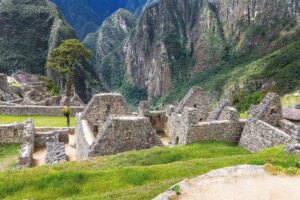
At major archaeological sites, safety is strictly managed. Machu Picchu has clear circuits and wardens to prevent accidents on the steep stone steps. To understand the logistics of visiting safely, read our guide on Machu Picchu Tickets and Circuits Explained.
Is Peru Safe for Solo Female Travellers?
Peru is generally safe for solo female travellers, and many women backpack the country without incident. However, machismo culture is prevalent, and catcalling or unwanted attention is common. The best approach is to ignore it and keep walking confidently.
When travelling alone, avoid walking down empty streets at night, even in safe districts like Miraflores. If you are taking a night bus, book a VIP seat on the lower deck of a premium bus company, as these are more secure and have fewer passengers. In hostels, female-only dorms are widely available and offer an extra layer of comfort.
Emergency Numbers in Peru
Keep these numbers saved in your phone. English-speaking operators are not always available, so having a translation app or a Spanish-speaking hotel receptionist help you is advisable.
| Service | Number |
|---|---|
| Police | 105 |
| Tourist Police (POLTUR) | 0800 22221 |
| Medical / Ambulance | 106 |
| Fire Brigade | 116 |
| iPerú (Tourist Assistance WhatsApp) | +51 944 492 314 |
Plan Your Trip
The key to a safe trip to Peru is preparation. Always purchase comprehensive travel insurance before you fly. Ensure your policy covers high-altitude trekking (many standard policies cap out at 2,500 m) and trip disruption in case of transport strikes or landslides. Register your travel plans with your home embassy, keep digital copies of your passport, and you will be well-prepared to enjoy everything this incredible country has to offer.