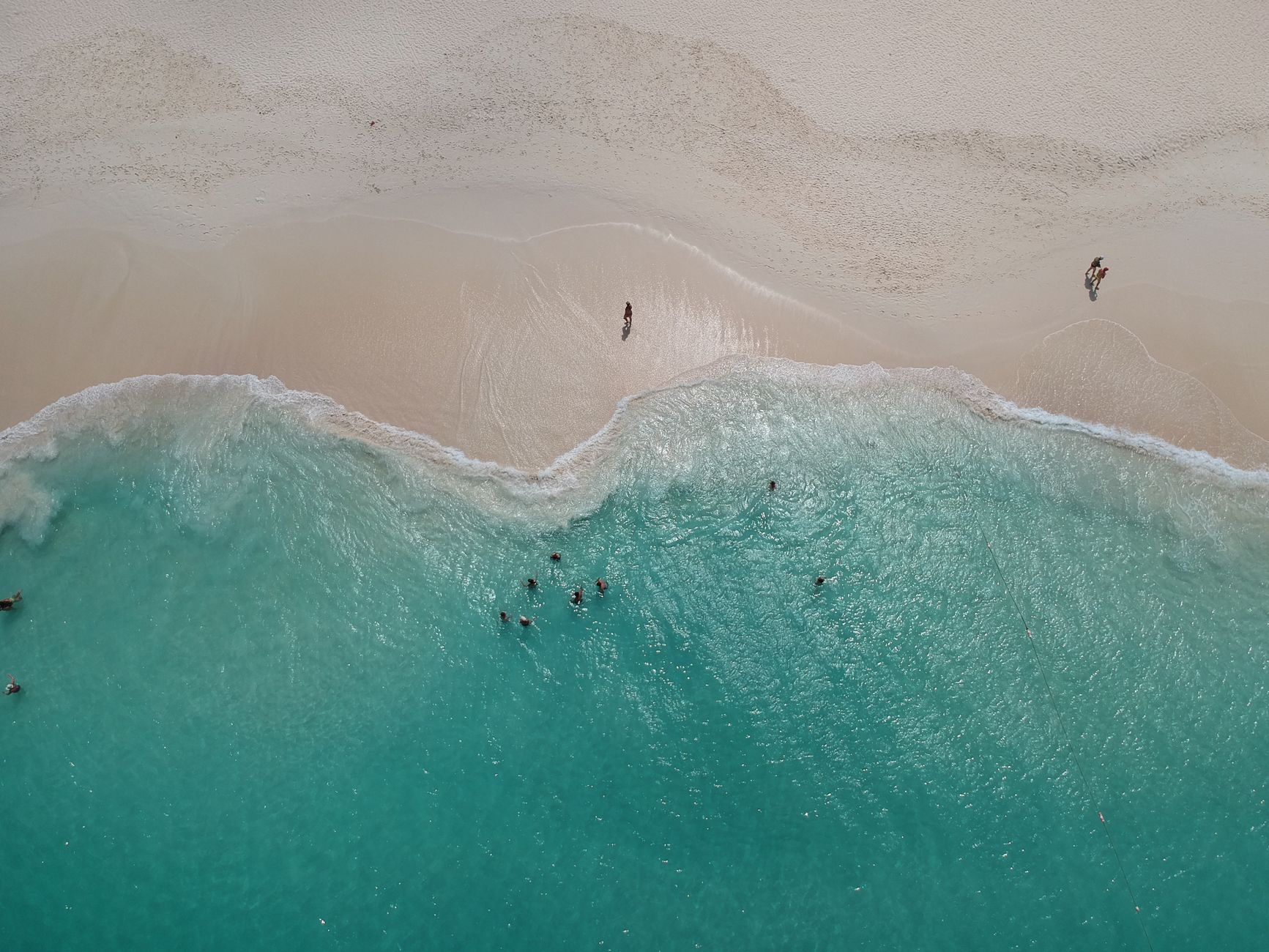
The Atlantic hurricane season officially runs from 1 June to 30 November, with peak storm activity typically occurring between mid-August and late October. Travelling during the Caribbean hurricane season requires flexibility, but it rewards you with significant discounts, empty beaches, and exceptionally warm waters. By choosing islands outside the main storm belt and securing the right travel insurance, you can easily turn a risky booking into a brilliant tropical holiday.
Understanding the Caribbean hurricane season timeline
While the season spans six months, the risk is not evenly distributed. The ocean requires time to heat up, meaning early summer behaves very differently to early autumn. If you are planning a trip, it helps to understand how the weather patterns evolve.
June and July: The early months of the season are generally quieter. Tropical storms can form, but major hurricanes are historically less frequent. The trade winds keep the islands comfortable, with daytime temperatures around 31°C (88°F). This is an excellent time to visit the northern islands like the Bahamas or Turks and Caicos before the severe weather sets in.
August, September, and October: This is the statistical peak of the Caribbean hurricane season. By mid-August, the Atlantic Ocean is at its warmest, providing the fuel needed for major cyclones. September is the most active month. During this window, you will experience high humidity and frequent, intense afternoon downpours even when there is no named storm in the region.
November: The final month of the season sees a sharp decline in storm formation. The weather begins to transition back to the dry season, though you should still expect occasional showers. Prices remain low until the Thanksgiving holiday week in the US, making early November a sweet spot for budget travellers.
Monthly risk breakdown
To help you decide when to book, here is a quick overview of what to expect as the season progresses. Remember that weather patterns vary wildly, but historical data provides a solid baseline.
| Month | Storm Risk | Typical Conditions | Pricing |
|---|---|---|---|
| June | Low | Hot and humid, occasional early tropical waves. | Moderate off-season discounts begin. |
| July | Low to Medium | Trade winds provide relief; brief afternoon showers. | Moderate discounts; busy with summer school holidays. |
| August | High | Ocean temperatures peak; storms begin forming frequently. | Prices drop sharply as schools resume. |
| September | Very High | The statistical peak. High humidity and heavy rain are common. | The cheapest month to visit; many restaurants close. |
| October | High | Storm risk remains significant, particularly in the western Caribbean. | Low prices continue; humidity begins to drop late in the month. |
| November | Low | Transitioning to the dry season; late storms are rare but possible. | Prices rise sharply ahead of Thanksgiving. |
The hurricane belt: Which islands are safest?
The Caribbean is vast, stretching over 2,500 km from the coast of Florida to the northern coast of South America. Because storms typically track west and north from the Atlantic, the southernmost islands sit outside the traditional hurricane belt.
The ABC Islands
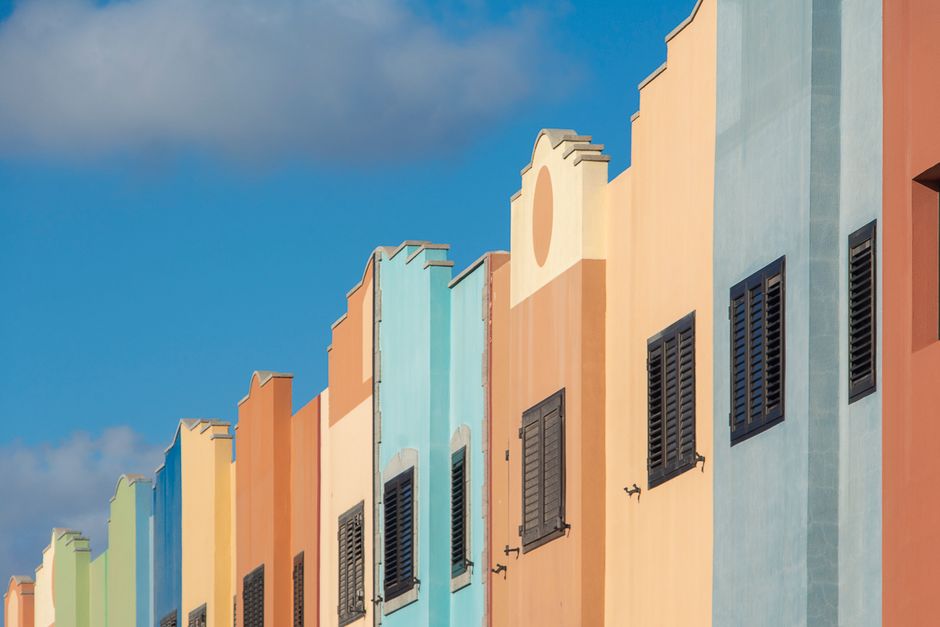
Aruba, Bonaire, and Curaçao are the most reliable choices for a late-summer holiday. Located just 25 to 80 km off the coast of Venezuela, these Dutch Caribbean islands rarely experience direct hits. Aruba offers expansive white sands at Eagle Beach and the arid, cactus-studded landscapes of Arikok National Park. Temperatures here hover around 32°C (90°F) year-round.
If you prefer diving, Bonaire is surrounded by a protected marine park. Because it sits outside the storm track, the coral reefs are largely spared from hurricane damage, offering pristine visibility. Curaçao provides a mix of European architecture in Willemstad and rugged coastlines at Shete Boka National Park.
Trinidad and Tobago
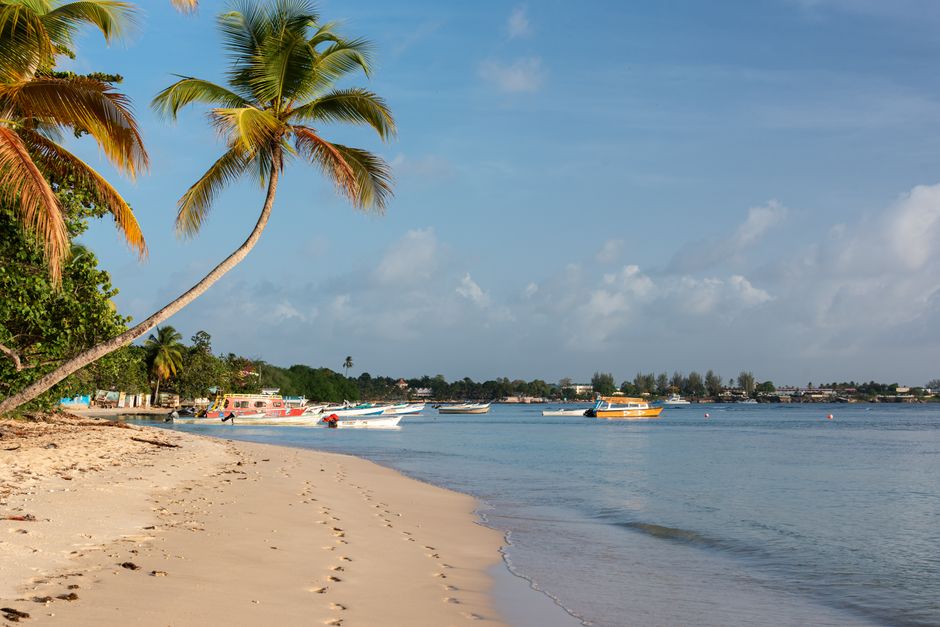
Further east, Trinidad and Tobago also sit comfortably south of the primary storm tracks. Tobago is the better choice for a traditional beach holiday, featuring the palm-lined Pigeon Point and the dense Main Ridge Forest Reserve. While they avoid most hurricanes, these islands do experience a pronounced rainy season from June to December, so expect heavy tropical showers.
Historically lower-risk islands
Islands like Barbados and Grenada are often touted as being outside the hurricane belt. However, recent years have shown that storms can occasionally take a southerly route. While the risk is significantly lower here than in Jamaica or Cuba, it is not zero. If you visit Barbados in September, you will still benefit from hotel rates that are often 40% lower than in February.
Why travel during the Caribbean hurricane season?
If the weather is unpredictable, why do thousands of international travellers still head to the tropics in September? The answer lies in the dramatic shift in pricing, crowds, and local atmosphere.
Significant cost savings
The financial incentives are substantial. Luxury resorts in Saint Lucia or Antigua that charge $800 to $1,200 per night in January frequently drop their rates to $400 to $600 per night between August and October. Mid-range boutique hotels often offer rooms for $150 to $250 per night.
Flights from major hubs in the US and UK also see price drops. A direct flight from New York to San Juan, Puerto Rico, might cost $600 in peak winter but drop to $250 return in September. For a family of four, travelling in the off-season can save thousands of dollars.
Empty beaches and warm water
During peak winter, securing a sun lounger at popular resorts requires waking up at dawn. In September, you will often have stretches of sand entirely to yourself. The ocean temperatures peak around 29°C (84°F), making it feel like a warm bath. This is ideal for prolonged snorkelling sessions or paddleboarding.
Practical logistics: Insurance and guarantees
Booking a trip during the Caribbean hurricane season requires a different approach to logistics. You cannot simply book a non-refundable rate and hope for the best. Preparation is essential.
Travel insurance is mandatory
Standard travel insurance will cover you if a named storm directly impacts your destination, forces an evacuation, or grounds your flight. However, it will not cover you if you simply want to cancel because a storm is forecast or because it is going to rain all week.
For complete peace of mind, purchase a Cancel For Any Reason (CFAR) policy. These policies typically cost 40% more than standard insurance and must be bought within 14 to 21 days of making your initial trip deposit. They allow you to cancel your trip up to 48 hours before departure and recover 50% to 75% of your non-refundable costs.
Hotel hurricane guarantees
Many major resort chains and independent hotels in the Caribbean offer hurricane guarantees. If a hurricane warning is issued for your destination by the US National Hurricane Center, these policies generally allow you to cancel without penalty or rebook your stay for a later date. Always read the fine print, as a tropical storm warning often does not trigger the guarantee.
What happens if a storm hits during your stay?
If a hurricane approaches while you are already on the island, local authorities and your hotel will initiate emergency protocols. Modern resorts in the Caribbean are built to withstand severe weather, often featuring reinforced concrete and impact-resistant glass. If an evacuation is ordered, airlines typically add extra flights to get tourists off the island.
If you must shelter in place, hotels will move guests to secure interior ballrooms, provide emergency rations, and keep you updated via satellite communications. While it is a stressful experience, the tourism infrastructure is highly experienced in managing these events safely. Always register with your home country’s embassy or consulate upon arrival so they know your location in an emergency.
Common mistakes to avoid
Travellers often make a few predictable errors when navigating the off-season in the tropics. Keep these pitfalls in mind to ensure your trip runs smoothly.
- Ignoring annual closures: Many independent restaurants, beach bars, and boutique hotels close entirely from late August to early October for annual maintenance and staff holidays. If you are travelling for the culinary scene in Anguilla or St Barts, check opening dates carefully.
- Booking basic economy flights: Airlines frequently issue weather waivers ahead of a storm, allowing you to change your flights for free. However, if you book the absolute cheapest, most restrictive fare, you may struggle to secure a refund if you decide to cancel before a waiver is issued.
- Packing only for the beach: Even without a hurricane, tropical waves bring intense rain. Pack lightweight waterproof jackets, plenty of mosquito repellent, and dry bags for your electronics.
- Relying on weather apps: Generic weather apps will often show a rain icon every single day in the Caribbean during the summer. This usually just means a 20-minute afternoon shower. For accurate storm tracking, monitor the US National Hurricane Center (NHC) website.
How to combine your trip
If you are hesitant to commit your entire holiday to a high-risk weather zone, consider splitting your time. You can easily pair a short Caribbean beach break with a more predictable itinerary on the mainland.
If you are flying through Miami or New York, spend a few days exploring the cities before heading south. For broader inspiration, start by planning a wider trip using our North America guide. If you want to avoid the tropics entirely during the peak storm months, review the best countries to visit in North America to find autumn destinations with crisp, reliable weather.
Alternatively, consider swapping the beach for one of the best USA road trips, which are spectacular in September and October. If you do decide to head to the islands, make sure you read our guide on which Caribbean island is right for you to match your travel style. You can even combine a short island hop with the best national parks in the USA and Canada for a diverse holiday mixing mountains and sea.
Plan your trip
When travelling between June and November, flexibility is your greatest asset. Book your flights directly with the airline rather than through third-party travel agents, as this makes rebooking much easier if a storm disrupts the schedule.
Monitor the weather starting a week before your departure. Tropical systems usually take several days to develop and track across the Atlantic, giving you ample warning to adjust your plans. Pack light, secure your CFAR insurance, and embrace the slower, quieter pace of the Caribbean off-season. With the right preparation, the savings and the solitude are well worth the effort.