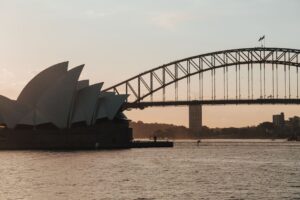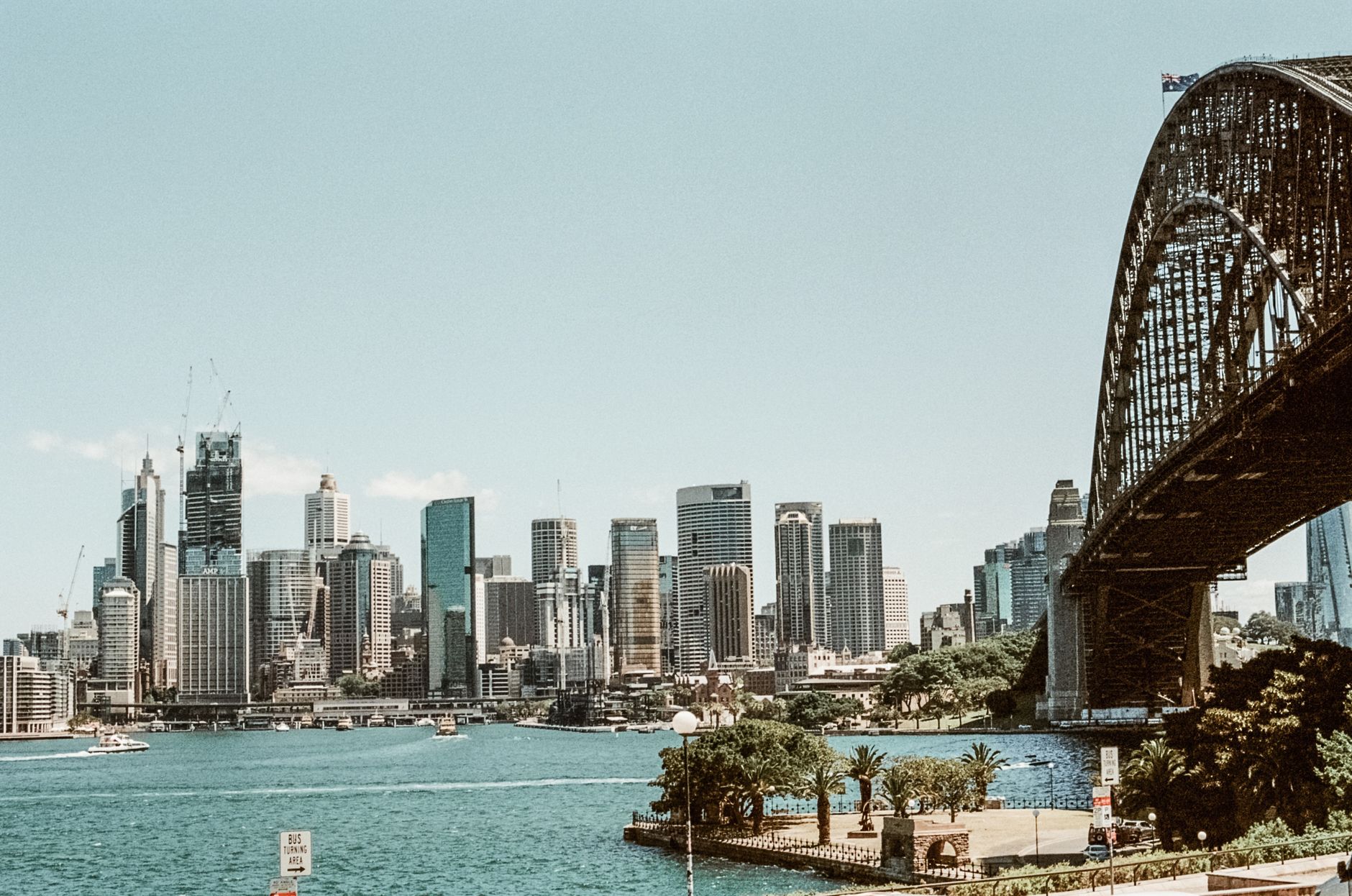
Choosing the best time to visit Sydney depends entirely on how you want to spend your days. If your goal is to lie on Tamarama Beach and swim in the Pacific Ocean, you need different weather than someone planning to hike through the national parks or spend their evenings at outdoor festivals. The best time to visit Sydney for a balance of good weather, manageable crowds, and reasonable prices is during the shoulder seasons: spring (September to November) and autumn (March to May).
During these months, you avoid the intense humidity and peak domestic holiday crowds of January, as well as the cooler, shorter days of July. If you are planning an extensive trip along the coast or into the outback, checking our comprehensive Australia guide will help you align the weather in New South Wales with other states.
Quick Verdict: Best, Cheapest, and Worst Months
Best overall time: October, November, March, and April. The weather is warm enough for swimming, but the intense summer heat has either not yet arrived or has already broken. You can comfortably spend all day outside without constantly seeking air conditioning. This is the ideal window to use our Sydney guide to plan a balanced itinerary.
Cheapest time: July and August. Winter in New South Wales brings the lowest hotel rates and flight prices, with the exception of the weeks when the Vivid Sydney festival is running. If you are travelling on a budget, this is the time to secure deals in the Central Business District (CBD) or Darling Harbour.
Worst time: January. This is the peak of the Australian summer school holidays. The beaches are packed, restaurants in popular neighbourhoods like Surry Hills and Newtown require long waits, and accommodation prices are at their absolute highest. Days frequently push past 30°C (86°F) with high humidity.
Sydney Seasons Explained
Sydney has a temperate climate, but the coastal humidity can make the summer feel significantly hotter than the thermometer suggests, while the winter wind coming off the harbour can feel biting.
Summer (December to February)
Summer brings long, sunny days and high humidity. Daytime temperatures average 26°C (79°F) but frequently spike above 30°C (86°F). This is prime beach weather, but it is also the season for sudden, intense afternoon thunderstorms. You will need to book well in advance if you want to stay near the water. If you are looking for the Best Things to Do in Sydney during these months, prioritise morning activities and reserve your afternoons for the water or air-conditioned museums.
Autumn (March to May)
Autumn is arguably the most comfortable season. The humidity drops, but the ocean retains its summer heat well into April, making swimming still very pleasant. Temperatures range from 15°C to 25°C (59°F to 77°F). The crowds thin out after the Easter school holidays, making it much easier to secure tables at popular restaurants. This is a great time to read up on What to Eat in Sydney: Local Food Guide and explore the dining scenes in neighbourhoods like Glebe and Paddington.
Winter (June to August)
Winter is mild compared to North America or Europe, with daytime highs around 17°C (63°F) and nighttime lows rarely dropping below 8°C (46°F) in the city centre. It is generally dry and sunny, though the wind off the harbour makes a warm jacket necessary. It is a fantastic time for hiking and indoor cultural activities. You will also find the best value when looking at Where to Stay in Sydney: Best Areas and Hotels.
Spring (September to November)
Spring brings warming temperatures, blooming jacaranda trees across the city (especially in Kirribilli and Grafton), and relatively low rainfall. Highs range from 20°C to 24°C (68°F to 75°F). The weather is highly predictable, making it the safest bet for outdoor plans. This is the ultimate season for tackling the Bondi to Coogee Coastal Walk before the summer sun makes the exposed path too hot.
Month-by-Month Guide to the Best Time to Visit Sydney
| Month | Average High / Low | Rainfall | Crowd Level |
|---|---|---|---|
| January | 27°C / 19°C (81°F / 66°F) | Moderate | Very High |
| February | 26°C / 19°C (79°F / 66°F) | High | High |
| March | 25°C / 18°C (77°F / 64°F) | High | Moderate |
| April | 23°C / 15°C (73°F / 59°F) | Moderate | Moderate |
| May | 20°C / 12°C (68°F / 54°F) | Moderate | Low |
| June | 17°C / 10°C (63°F / 50°F) | High | Moderate |
| July | 17°C / 8°C (63°F / 46°F) | Low | Low |
| August | 18°C / 9°C (64°F / 48°F) | Low | Low |
| September | 21°C / 11°C (70°F / 52°F) | Low | Moderate |
| October | 23°C / 14°C (73°F / 57°F) | Moderate | Moderate |
| November | 24°C / 16°C (75°F / 61°F) | Moderate | Moderate |
| December | 26°C / 18°C (79°F / 64°F) | Moderate | High |
January
January is hot, busy, and expensive. The city is in full holiday mode following New Year’s Eve. Expect crowded ferries to Manly and packed sand at Bondi. If you visit now, book your accommodation at least six months ahead. It is a great month for outdoor concerts and the Sydney Festival, but you will need to plan your days carefully. See our Sydney Itinerary: How to Spend 1, 2 or 3 Days to optimise your time.
February
February is often the most humid month, and historically one of the wettest. Late summer thunderstorms are common in the late afternoon. However, the city comes alive with the Sydney Gay and Lesbian Mardi Gras, bringing massive parades and parties to Oxford Street. Prices remain high, but the ocean is at its warmest.
March
The intense heat begins to break, though the water remains perfect for swimming. March is a transition month where you can still enjoy a beach holiday without the January price tags. It is an excellent time to take the ferry across the harbour to Watsons Bay for fish and chips on the grass.
April
April weather is generally clear and crisp. The Royal Easter Show takes over Sydney Olympic Park, drawing large crowds of families. Note the dates for the Easter long weekend and the two-week autumn school holidays, as domestic tourism spikes and hotel availability drops during this window.
May
May marks the definitive start of cooler weather. You will need a sweater for the evenings, especially if you are dining outdoors at Circular Quay or Barangaroo. Late May usually sees the start of Vivid Sydney, a massive festival of light, music, and ideas that completely transforms the harbour precinct after dark.
June
Winter arrives. June can be quite wet, so pack an umbrella and a warm jacket. Vivid Sydney continues into the first half of the month, keeping evening crowds high around the Opera House and The Rocks. This is a great time to book a Sydney Opera House Tour and enjoy the city’s indoor galleries and museums.
July
July is the coldest month of the year. While daytime temperatures are manageable, the wind chill on the harbour can be sharp. It is generally a dry month, making it ideal for hiking. The cooler temperatures make this the perfect window for a Blue Mountains Day Trip from Sydney, where you can enjoy the crisp mountain air and perhaps catch a winter festival in Katoomba.
August
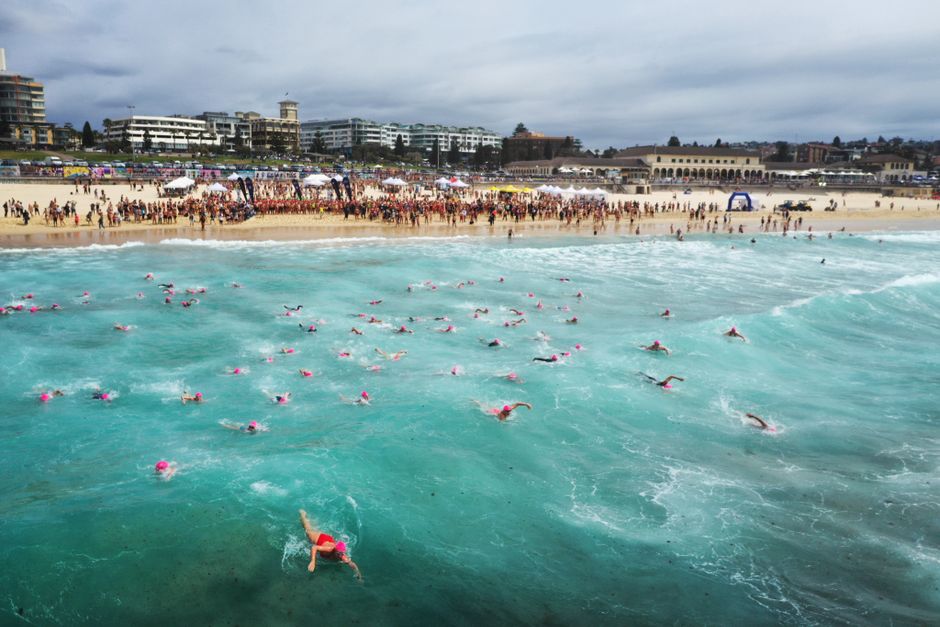
August remains cool but starts to see slightly longer days. The major event is the City2Surf, a massive 14 km fun run from the CBD to Bondi Beach that shuts down major roads on a Sunday morning. It is a low season for international tourists, meaning you can often find excellent hotel rates.
September
Spring begins, and the city shakes off the winter chill. September is relatively dry and sunny, making it one of the absolute best months to visit. The Sydney Fringe Festival brings independent arts and comedy to venues across the inner west. It is also an excellent time to look into the Best Day Trips from Sydney, such as driving down to the Royal National Park or up to the Hunter Valley.
October
October brings reliably warm weather, usually hovering around 23°C (73°F). The ocean is still a bit brisk for prolonged swimming, but the beaches are beautiful. Late October usually marks the beginning of Sculpture by the Sea, a spectacular free outdoor art exhibition that takes over the coastal path between Bondi and Tamarama.
November
November is the sweet spot before the summer rush. The weather is fantastic—warm enough for all water activities but without the oppressive humidity of January. Flights are generally cheaper than in December. If you want to tackle the Sydney Harbour BridgeClimb, November offers clear skies and comfortable temperatures at the summit.
December
December starts quietly but ramps up quickly towards Christmas and New Year’s Eve. The weather is hot, and the city takes on a festive, relaxed atmosphere. The Sydney Hobart Yacht Race kicks off on Boxing Day, filling the harbour with boats. If you plan to be here for the New Year’s Eve fireworks, you must book your accommodation and vantage point tickets many months in advance.
Events Worth Timing a Trip Around
Sydney hosts world-class events that can dictate the best time to visit Sydney for your specific interests.
- Sydney Festival (January): A city-wide celebration of arts, music, and theatre, featuring large-scale installations and outdoor concerts in The Domain.
- Sydney Gay and Lesbian Mardi Gras (February/March): One of the largest pride events in the world, culminating in a massive night-time parade down Oxford Street.
- Vivid Sydney (Late May to Mid-June): The city’s most popular winter event. The Opera House sails, Harbour Bridge, and surrounding buildings are illuminated with incredible light projections.
- Sculpture by the Sea (October/November): Over 100 sculptures transform the spectacular 2 km coastal walk from Bondi to Tamarama into a temporary sculpture park.
- New Year’s Eve (December 31): Sydney’s fireworks over the harbour are globally renowned. It is an incredible experience, but requires extreme forward planning and a high budget.

Best Time for Specific Activities
Whale Watching: The best time to see humpback whales migrating past the Sydney coastline is between late May and November. The peak months for sightings are late June, July, and September. You can spot them from the coastal cliffs at Cape Solander or book a cruise departing from Circular Quay.
Surfing and Swimming: February and March offer the warmest ocean temperatures, often hovering around 23°C (73°F). The water stays remarkably comfortable right through April.
Hiking and Coastal Walks: Aim for April, May, September, or October. The temperatures are in the low 20s Celsius (around 70°F), meaning you will not overheat on exposed tracks like the Spit to Manly walk, and the risk of summer bushfires or sudden storms is much lower.
Plan Your Trip
When deciding on the best time to visit Sydney, prioritize what you actually want to do over chasing the hottest weather. A trip in October or April will give you a much more comfortable, affordable, and relaxed experience than battling the crowds in January. Remember that Australia requires an Electronic Travel Authority (ETA) or eVisitor visa for most international tourists, so arrange this before booking your flights. Pack layers regardless of the season, as the coastal breeze can cool things down quickly once the sun sets over the harbour.