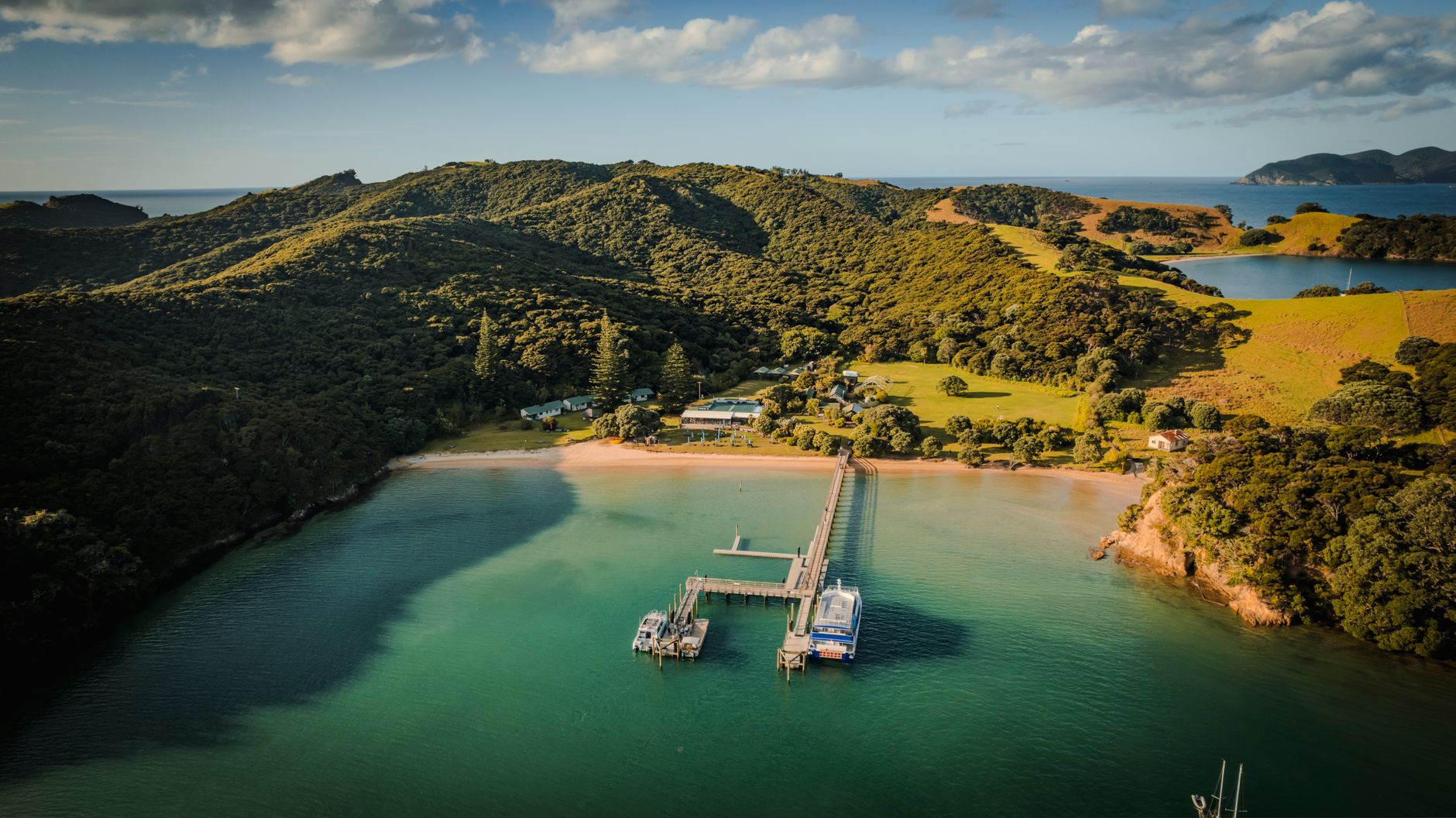
When researching a working holiday visa australia new zealand and other Southern Hemisphere destinations often top the list. These visas offer a unique opportunity for young adults to fund long-term travel by taking up temporary jobs. Most visas allow you to stay for 12 months, with options to extend up to three years depending on your passport and the type of work you do. If you are planning an extended trip, this is the most practical way to immerse yourself in the local culture without draining your savings.
Working Holiday Visa Australia New Zealand: The Basics
Before you pack your bags, it helps to understand exactly what these visas allow. They are reciprocal agreements between governments that let you work legally to supplement your travel funds. You can take on casual jobs like fruit picking in Queensland, pouring pints in a Melbourne pub, or working a ski season in Queenstown.
The primary goal is cultural exchange, so there are limits on how long you can work for a single employer. In Australia, this is usually capped at six months per employer, though exceptions exist for critical industries like agriculture and healthcare. New Zealand has similar short-term employment rules, though they vary slightly based on your home country’s specific agreement.
You do not need a job offer before you apply. The visa is designed to give you the freedom to arrive, travel, and look for work as you go. This flexibility is what makes the programme so popular among international backpackers.
How to Choose: Australia or New Zealand?
Choosing between the two depends entirely on the lifestyle you want and the type of work you are seeking. Australia offers a massive geographic scale, higher average wages, and year-round warm weather if you chase the sun up the coast. The hospitality and mining sectors often pay exceptionally well, making it easier to save for onward travel. Popular roles include pearl farming in Western Australia or working on a solar farm in the Outback.
New Zealand is smaller, easier to navigate, and heavily focused on the outdoors. The minimum wage is slightly lower than in Australia, but the lifestyle is incredibly laid-back and community-focused. Seasonal work is king here. You can pick kiwifruit in the Bay of Plenty, guide glacier hikes on the South Island, or serve coffee in Wellington.
If you are torn between the two, read our comprehensive guide on Australia or New Zealand: Which to Visit First? to help narrow down your choice based on your travel style.

Practical Essentials: Visas, Costs, and Logistics
Securing your visa requires meeting specific age, financial, and health criteria. Both countries generally accept applicants aged 18 to 30. However, citizens of the UK, Canada, France, Italy, and a few other nations can now apply up to age 35 for both destinations.
You must apply online from outside the country and prove you have sufficient funds to support yourself upon arrival. Visas are processed quickly, often within a few weeks, but you should apply at least two months before your intended departure to account for any medical check requests.
Here is a breakdown of what you need to prepare (costs are approximate in USD as of 2026):
| Requirement | Australia (Subclass 417 & 462) | New Zealand (Working Holiday) |
|---|---|---|
| Visa Application Fee | ~$550 (AUD 840) | ~$515 (NZD 870 including IVL) |
| Proof of Funds | ~$3,300 (AUD 5,000) | ~$2,500 (NZD 4,200) |
| Age Limit | 18-30 (Up to 35 for specific passports) | 18-30 (Up to 35 for specific passports) |
| Base Duration | 12 months (Extendable up to 3 years) | 12 months (Up to 3 years for UK/Canada) |
Opening Patterns and Time Needed
Australia’s Subclass 417 and 462 visas are generally open year-round for most eligible passports, meaning you can apply whenever you are ready. New Zealand operates on a strict quota system for many countries in Asia and South America. For these nations, applications open on a specific date each year and fill up within hours. UK, US, and Canadian citizens have uncapped access to both countries.
To make the most of the experience, plan to stay for the full 12 months. It takes at least a month to set up your bank account, tax number, and find a stable place to live. Spending less than six months on a working holiday often feels rushed and makes it harder to secure employment, as managers prefer staff who can commit for an entire season.

Best Time to Arrive and Weather Expectations
Timing your arrival dictates the success of your initial job hunt. In Australia, arriving in Sydney or Melbourne between September and November sets you up perfectly for the busy summer hospitality season. Spring temperatures hover around 20°C to 25°C (68°F to 77°F). Avoid arriving in late December or January, as corporate hiring slows down and many locals leave the cities for their own summer holidays.
In New Zealand, arriving in Auckland or Christchurch in October or November gives you a head start on summer tourism and agricultural jobs. If you want to work a ski season in Wanaka or Queenstown, arrive in May to secure winter jobs and staff housing before the snow falls in June. Winter temperatures on the South Island regularly drop below 0°C (32°F), so pack proper thermal gear.
Setting Up Your Life Abroad
Finding accommodation is your first major hurdle. Most travellers book a hostel for the first two weeks while inspecting flat-shares. In Australia, use sites like Flatmates.com.au; in New Zealand, TradeMe is the go-to platform for housing and buying used cars. You will need to pay a rental deposit, known as a bond, which is usually equivalent to four weeks of rent.
Transport is another key consideration. While public transport in major cities like Sydney, Melbourne, and Wellington is excellent, regional areas require your own vehicle. Buying a used campervan or station wagon is a rite of passage for working holiday makers. It solves both your transport and accommodation needs when road-tripping between jobs.
Sort out your local tax number—the TFN in Australia or IRD number in New Zealand—as soon as you land. Without it, you will be taxed at an emergency rate of up to 45%, which severely cuts into your hard-earned travel savings. You should also open a local bank account in your first week to ensure your employer can pay you easily.
Insider Tips and Mistakes to Avoid
One of the biggest mistakes travellers make is underestimating the initial setup costs. Beyond the visa fee and proof of funds, you need cash for your hostel, bond, transport, and groceries while you wait for your first paycheck. Always budget an extra $1,000 to $1,500 USD to cover your first month comfortably without stress.
Do not limit your job search to the major cities. Sydney, Melbourne, and Auckland are highly competitive and expensive. Regional towns often pay better, offer cheaper rent, and provide a more authentic local experience. You might find yourself working on a cattle station in the Outback or at a boutique lodge in the Bay of Islands.
In Australia, working in regional areas used to be mandatory to secure a second-year visa. While this requirement has been dropped for UK citizens as of 2024, it remains in place for most other nationalities. Even if you do not need to do regional work for a visa extension, it remains a fantastic way to save money quickly since there are fewer distractions to spend your wages on.
Combining Your Trip with the Rest of the Region
A working holiday is the perfect launchpad for exploring the wider region. While based in Sydney or Auckland, you are perfectly positioned to explore our comprehensive Oceania guide and discover neighbouring destinations. Flights from the east coast of Australia or New Zealand to the Pacific are relatively short and affordable.
When your work contract ends, use your savings to tick off the Best Countries to Visit in Oceania. You can easily catch a three-hour flight from Auckland to Fiji or from Brisbane to Vanuatu. If you want a tropical reset after months of working, look into the Best South Pacific Islands for a Holiday.
For the ultimate end-of-visa celebration, plan a multi-stop itinerary. Island Hopping in the South Pacific is a brilliant way to spend your hard-earned wages before heading home. You can string together flights between Samoa, Tonga, and the Cook Islands, swapping farm work and city commutes for coral reefs and white sand.
Plan Your Trip
Start by checking your passport’s specific eligibility on the official immigration websites for Australia (Department of Home Affairs) or New Zealand (Immigration NZ). Gather your proof of funds well in advance, as you need recent, official bank statements to lodge your application successfully.
Once your visa is granted, book your flights and at least a week of temporary accommodation. Join local Facebook groups for backpackers in your chosen arrival city—they are invaluable for finding flat-shares, buying cheap used cars, and getting leads on casual jobs. With the right preparation, your working holiday will be the adventure of a lifetime.