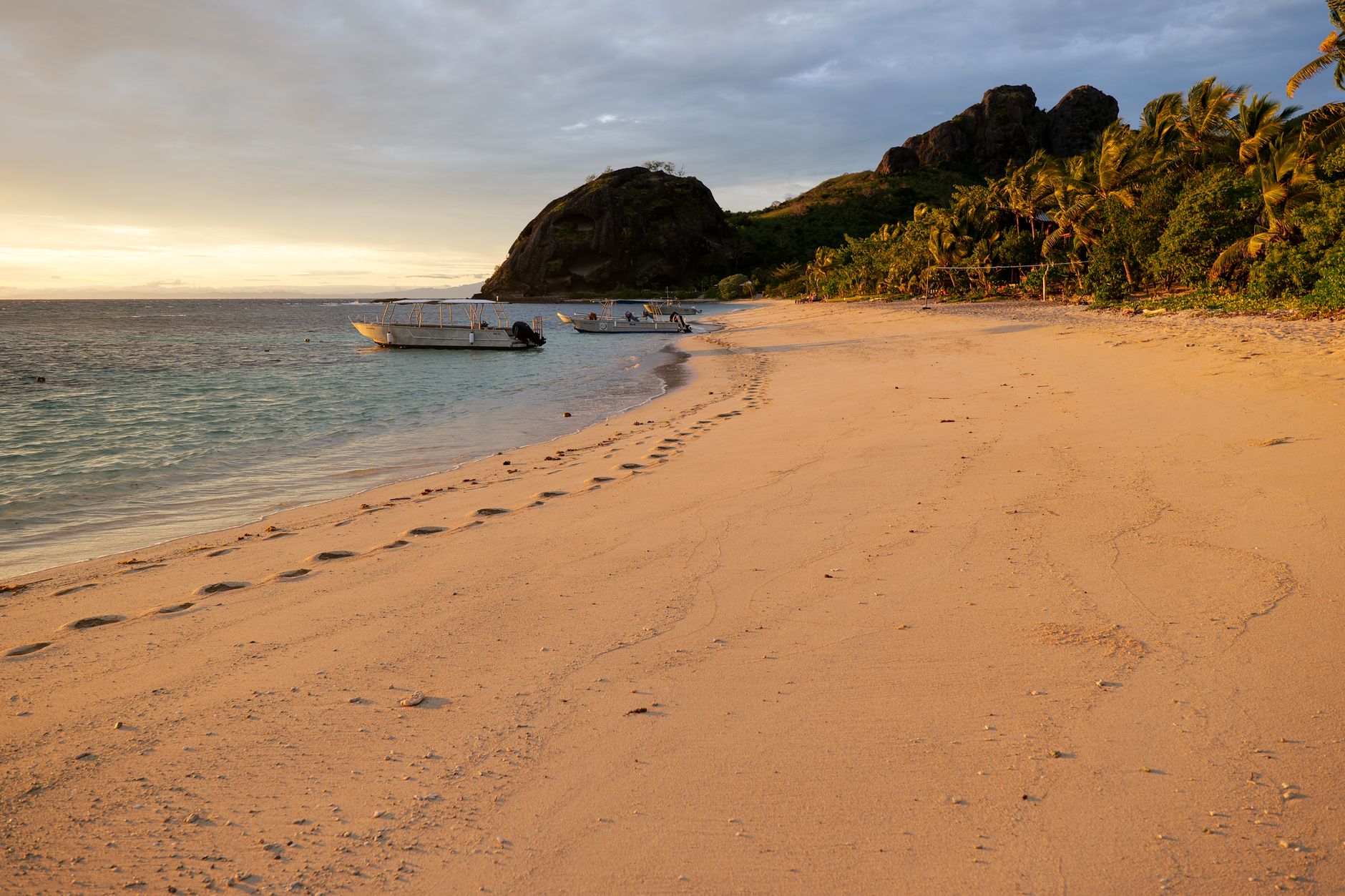
Choosing the best South Pacific islands for your holiday comes down to matching your travel style with the right archipelago. Fiji delivers seamless resort experiences and family-friendly logistics, while French Polynesia offers dramatic volcanic peaks and high-end luxury. If you want a laid-back, self-guided trip, the Cook Islands are hard to beat, whereas Vanuatu and Samoa cater to adventurous travellers looking for active volcanoes and traditional culture.
Practical Essentials: Getting There and Costs
Before choosing an island, you need to understand the logistics. The South Pacific covers a massive area of the Pacific Ocean, and getting between countries requires careful planning. Flight routes dictate your itinerary. Fiji Airways uses Nadi as a hub, making Fiji the easiest island to reach from the US and Australia. Air New Zealand connects most Pacific islands through Auckland. Air Tahiti Nui flies direct from Los Angeles and Seattle to Papeete.
The dry season runs from May to October. During this time, temperatures average 25 to 28°C (77 to 82°F) with lower humidity and minimal rain. This is the peak travel window. November to April is the wet season, bringing higher humidity, heavy downpours, and a risk of tropical cyclones.
| Destination | Primary Hub | Currency | Estimated Daily Cost (USD) |
|---|---|---|---|
| Fiji | Nadi (NAN) | Fijian Dollar (FJD) | $150 – $400 |
| French Polynesia | Papeete (PPT) | Pacific Franc (XPF) | $300 – $1,000+ |
| Cook Islands | Rarotonga (RAR) | New Zealand Dollar (NZD) | $150 – $300 |
| Vanuatu | Port Vila (VLI) | Vanuatu Vatu (VUV) | $150 – $250 |
| Samoa | Apia (APW) | Samoan Tala (WST) | $80 – $150 |
Fiji: The Best South Pacific Islands for Families and First-Timers
Fiji is the most accessible destination in the region, making it an excellent starting point for exploring Oceania. Nadi International Airport (NAN) is the primary hub, receiving daily direct flights from Los Angeles, San Francisco, Sydney, and Auckland.
Viti Levu is the main island. The Coral Coast, a 90-minute drive south of Nadi, is lined with large, family-friendly resorts offering kids’ clubs and easy logistics. For better beaches, head to the Mamanuca or Yasawa Islands. The Awesome Adventures Yasawa Flyer catamaran departs Port Denarau daily, taking two to five hours to reach islands like Nacula and Naviti. The Yasawas cater to all budgets, from backpacker dorms at Barefoot Manta to luxury villas.
For diving and hiking, take a domestic flight to Taveuni, known as the Garden Island. Here you can hike the Bouma National Heritage Park to a series of three waterfalls, or slide down the natural Waitavala Water Slide. Fiji is famous for its hospitality, and you will hear “Bula!” (hello/welcome) everywhere you go. Expect to spend $100 USD a day on a backpacker budget, or $250 to $500 USD per day for mid-range to luxury resorts.
French Polynesia: The Ultimate Luxury Escape
French Polynesia is the benchmark for South Pacific luxury. Flights land at Faa’a International Airport (PPT) on the island of Tahiti. While Tahiti has excellent food roulottes (food trucks) at Place Vai’ete, most visitors immediately head to the outer islands.
Moorea is a 30-minute ferry ride from Papeete. It features jagged green peaks and deep bays. Rent a car to drive up to the Belvedere Lookout for views over Opunohu and Cook’s bays, and snorkel with blacktip reef sharks in the lagoon. If you prefer a quieter pace, take a short flight to Huahine to explore ancient stone marae (temples) or Taha’a to visit working vanilla plantations.
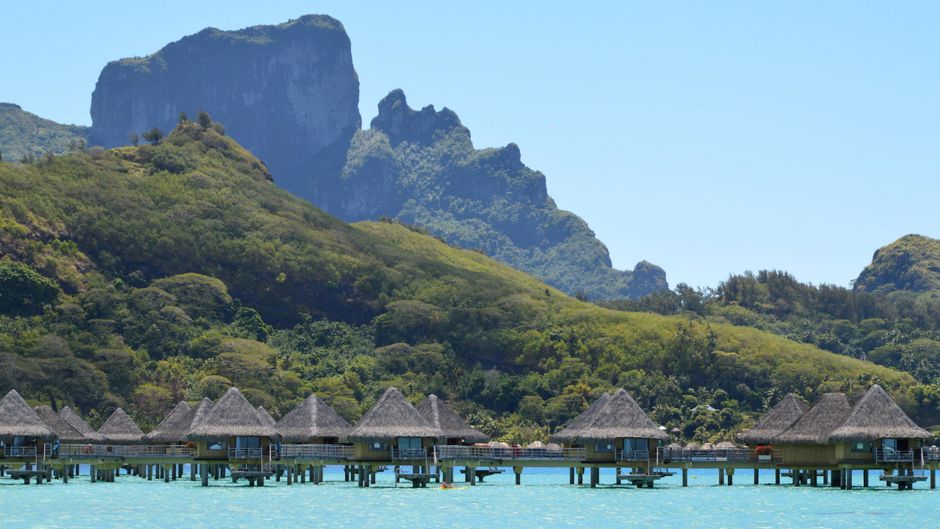
Bora Bora requires a 50-minute flight from Tahiti. This is where you find the famous overwater bungalows facing Mount Otemanu. Resorts here sit on the outer coral reef (the motu), meaning you rely on boat transfers to reach the main island. If you dive, head to Rangiroa in the Tuamotu Archipelago to drift dive through the Tiputa Pass alongside hammerhead sharks and dolphins.
French Polynesia is expensive. Budget at least $300 USD per day for a standard trip, and upwards of $800 to $1,500 USD per day if you want an overwater bungalow in Bora Bora.
Cook Islands: The Laid-Back Holiday
The Cook Islands feel like Hawaii 50 years ago. There are no traffic lights, and local law dictates no building can be taller than a coconut tree. International flights land at Rarotonga International Airport (RAR).
Rarotonga is a single volcanic peak ringed by a 32 km coastal road. You can navigate the entire island using the local bus, which simply runs “Clockwise” and “Anti-Clockwise”. Renting a scooter is the most popular way to get around. Hike the Cross-Island Track to the Te Rua Manga (The Needle) rock formation, then cool off in Muri Lagoon on the eastern coast. On Saturday mornings, visit the Punanga Nui Market for fresh pawpaw and live ukulele music.
You must include Aitutaki in your itinerary. It is a 45-minute flight from Rarotonga on Air Rarotonga. The Aitutaki lagoon is a vast triangle of turquoise water dotted with uninhabited motus (islets). Take a Vaka cruise to One Foot Island, where you can get your passport stamped at the tiny post office.
The Cook Islands use the New Zealand Dollar. Expect to spend $150 to $300 USD per day. It is highly geared towards self-catering, with plenty of independent villas and local supermarkets.
Vanuatu: Adventure and Active Volcanoes
Vanuatu is rugged and adventurous. Fly into Bauerfield International Airport (VLI) in Port Vila on the island of Efate. Spend a day exploring the Mele Cascades, but the real highlights require domestic flights with Air Vanuatu.
Tanna Island is a 45-minute flight south. Here, you can stand on the crater rim of Mount Yasur, one of the world’s most accessible active volcanoes. You drive across vast ash plains in a 4WD before hiking the final 10 minutes to watch lava erupting at dusk.
Espiritu Santo, a 50-minute flight north of Port Vila, is the largest island. It attracts divers to the SS President Coolidge, a 200-metre WWII troop carrier resting in the channel. Non-divers can float down the Riri River in a traditional outrigger canoe to the Matevulu Blue Hole, a deep freshwater spring surrounded by dense jungle. Infrastructure is basic outside Port Vila, and roads can be rough.
Samoa: Authentic Polynesian Culture and Waterfalls
Samoa offers a deeply traditional Polynesian experience. Flights arrive at Faleolo International Airport (APW) on the main island of Upolu. Samoa is highly affordable, and the culture, known as Fa’a Samoa (The Samoan Way), dictates daily life.
On Upolu, the main draw is the To-Sua Ocean Trench, a 30-metre deep swimming hole surrounded by sheer cliffs and accessed by a steep wooden ladder. Near Apia, you can slide down the natural rock formations at Papaseea Sliding Rocks. Drive the coastal roads to Lalomanu Beach on the southeastern tip, where you can sleep in a traditional open-air beach fale (a thatched hut with no walls) for around $40 to $80 USD a night, usually including breakfast and dinner.
Take the 90-minute passenger and vehicle ferry from Mulifanua Wharf to the larger, quieter island of Savai’i. Here, you can watch the Alofaaga Blowholes shoot water 30 metres into the air and swim in the Afu Aau Waterfall.
Mistakes to Avoid in the South Pacific
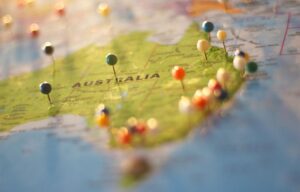
- Assuming you can easily hop between countries: Looking at a map, Fiji, Vanuatu, and Samoa look close together. In reality, direct flights between them are rare. You usually have to fly back to Auckland, Sydney, or Nadi to switch countries. Read more about Island Hopping in the South Pacific to plan realistic routes.
- Ignoring Sunday closures: In Samoa, Tonga, and the Cook Islands, Sunday is a day of rest. Supermarkets, cafes, and tour operators close. Plan to spend Sundays relaxing at your accommodation.
- Bringing chemical sunscreen: Many South Pacific nations are battling coral bleaching. Bring reef-safe sunscreen that does not contain oxybenzone or octinoxate.
What to Combine Your Trip With
Because most flight routes to the South Pacific pass through major hubs in Australia and New Zealand, it makes sense to combine your island holiday with a larger trip down under.
If you have a month or more, read Australia or New Zealand: Which to Visit First? to decide where to base yourself. From Auckland, flights to the Cook Islands, Samoa, and Fiji are under four hours. From Sydney or Brisbane, Fiji and Vanuatu are quick three-hour hops.
Younger travellers often use the islands as a stopover before starting a long-term stint abroad. If that is your plan, review the rules for Working Holiday Visas in Australia and New Zealand.
For more regional inspiration, check out the Best Countries to Visit in Oceania to see how the islands contrast with the mainland.
Plan Your Trip
Book your flights and accommodation six to nine months in advance, especially if you are travelling during the July and August peak season. Always buy comprehensive travel insurance. Medical facilities on the outer islands are basic, and serious issues require medical evacuation to New Zealand or Australia. Finally, carry some local cash. While resorts and large supermarkets accept credit cards, you need cash for local buses, village entry fees, and small markets.