Choosing the best countries to visit in Oceania depends entirely on what you want from your trip. Australia and New Zealand offer vast road trips and alpine hikes, while nations like Fiji, French Polynesia, and Vanuatu provide distinct cultures, active volcanoes, and world-class diving. This guide breaks down the top destinations across the region to help you plan your route. For a broader overview of the region, start with our complete Oceania guide.
Quick Picks: Best Countries to Visit in Oceania by Travel Style
- Australia: Epic road trips, ancient rainforests, and unique marsupials.
- New Zealand: Alpine hiking, glaciers, and adventure sports.
- Fiji: Family-friendly resorts and easy island logistics.
- French Polynesia: Luxury overwater bungalows and marine megafauna.
- Vanuatu: Active volcanoes, WWII wrecks, and rugged adventure.
- Samoa: Independent travel, waterfalls, and strong traditional culture.
- Cook Islands: Relaxed scooter rides and striking blue lagoons.
- Palau: Advanced scuba diving and marine conservation.
Australia
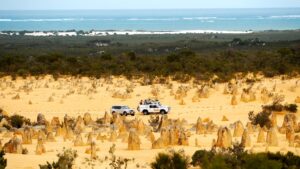
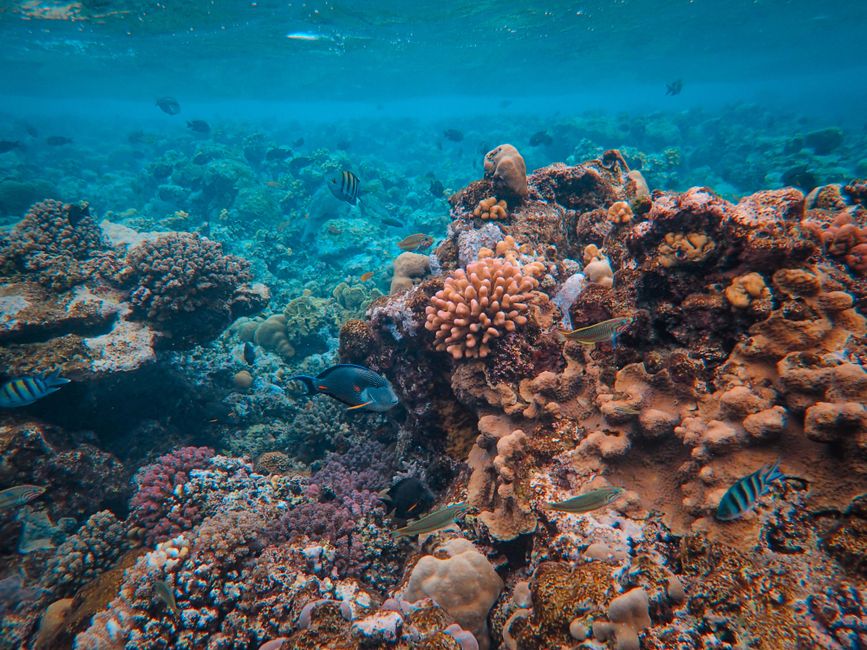
Australia is less of a country and more of a continent, meaning you need to be strategic about your itinerary. Driving from Sydney to Cairns along the East Coast covers over 2,400 km, taking you past the Whitsunday Islands and the Daintree Rainforest. On the opposite side, Western Australia offers the arid landscapes of the Pilbara and the chance to swim with whale sharks at Ningaloo Reef.
The Red Centre is defined by the massive sandstone monolith of Uluru, best seen at sunrise. Beyond the mainland, Tasmania offers a completely different climate where you can hike the rugged trails of Cradle Mountain. In the Northern Territory, Kakadu National Park protects vast wetlands filled with saltwater crocodiles and ancient Aboriginal rock art.
Because of the vast distances, domestic flights on Qantas, Virgin Australia, or Jetstar are usually necessary. If you are under 35 and want to stay longer to fund your travels, look into Working Holiday Visas in Australia and New Zealand.
- Best for: Long road trips, diverse wildlife, and coastal cities.
- Best time: September to November (spring) or March to May (autumn) for temperate weather. The southern states average 15°C to 25°C (59°F to 77°F). Avoid the tropical north from December to February due to heavy rain and marine stingers.
- Daily budget: $150 to $300 USD.
New Zealand
New Zealand packs high-altitude mountains, deep fjords, and geothermal valleys into two main islands. The North Island features the volcanic peaks of Tongariro National Park, the geothermal geysers of Rotorua, and the Bay of Islands. The South Island is dominated by the Southern Alps, offering access to Aoraki / Mount Cook, the glaciers of the West Coast, and the dramatic cliffs of Milford Sound.
Driving is the best way to see the country. The route from Auckland to Wellington is roughly 640 km, and from there, the Interislander ferry connects you across the Cook Strait to Picton. The South Island also boasts the Abel Tasman National Park, where you can kayak past golden beaches and dense coastal bush.
Wine lovers should allocate time for the Marlborough region at the top of the South Island, famous for its Sauvignon Blanc. If you are struggling to decide between the two major regional players, read our breakdown on Australia or New Zealand: Which to Visit First?.
- Best for: Multi-day hikes, campervan trips, and alpine scenery.
- Best time: December to March for hiking and outdoor activities, with summer highs around 20°C to 25°C (68°F to 77°F). June to August is peak season for skiing in Queenstown and Wanaka.
- Daily budget: $130 to $250 USD.
Fiji
Fiji is the primary transport hub of the South Pacific, making it the most accessible island nation in the region. The main island of Viti Levu is home to the international airport in Nadi, the Coral Coast, and the capital, Suva. However, the best beaches and snorkelling are found offshore.
The Mamanuca and Yasawa island chains stretch out to the northwest. You can navigate these using the Yasawa Flyer, a daily catamaran service that drops passengers at various island resorts ranging from backpacker dorms to luxury villas. Fiji is known for its incredible hospitality, making it a staple when looking for the best South Pacific islands for a holiday.
If you want to escape the main tourist trail, head to Taveuni, known as the Garden Island. Here, you can hike to the Tavoro Waterfalls in Bouma National Heritage Park or dive the Great White Wall in the Somosomo Strait.
- Best for: Families, resort stays, and straightforward island hopping.
- Best time: May to October during the dry season. Temperatures hover around a comfortable 26°C (79°F).
- Daily budget: $100 to $400 USD, depending heavily on resort class.
French Polynesia
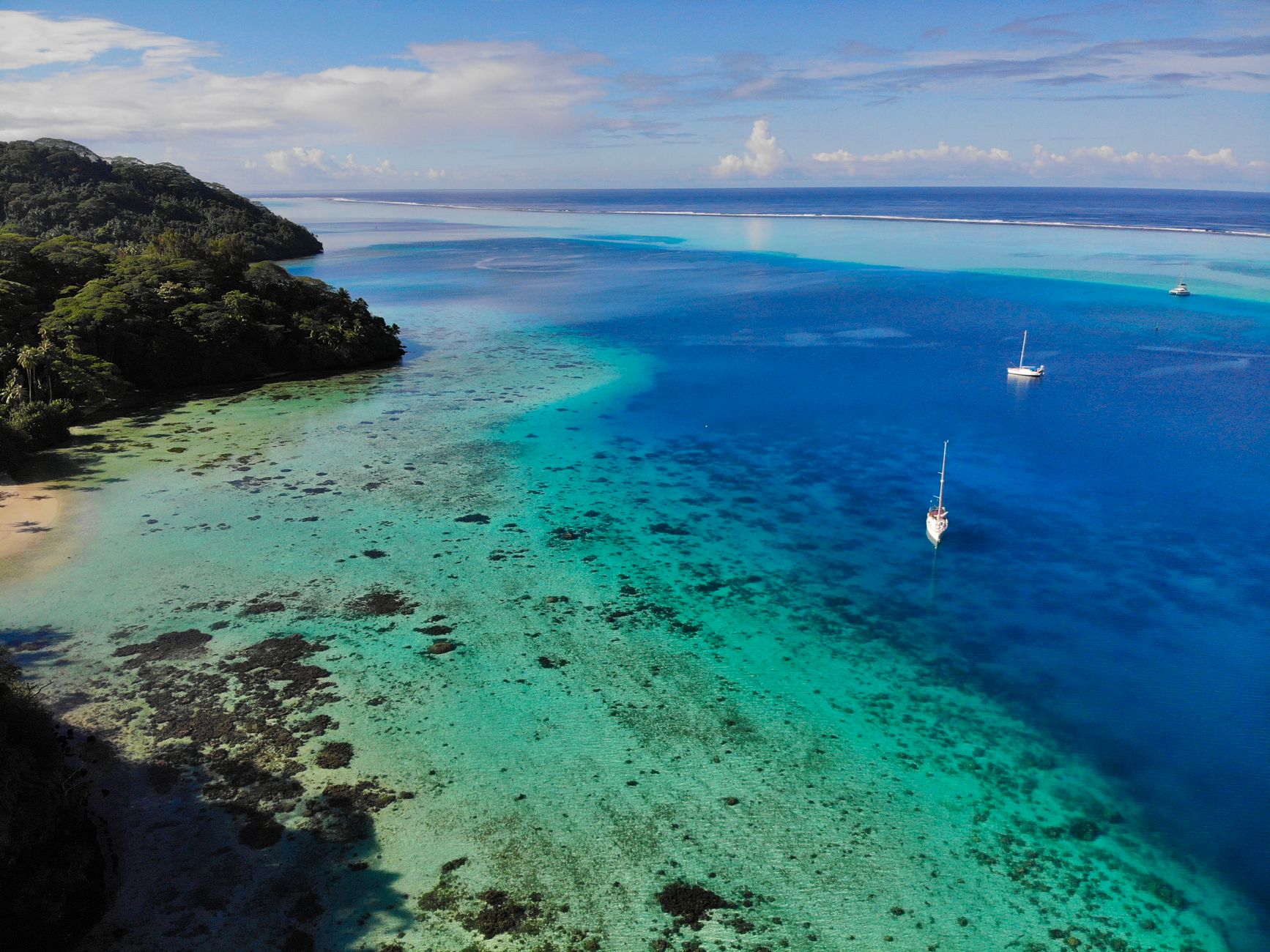
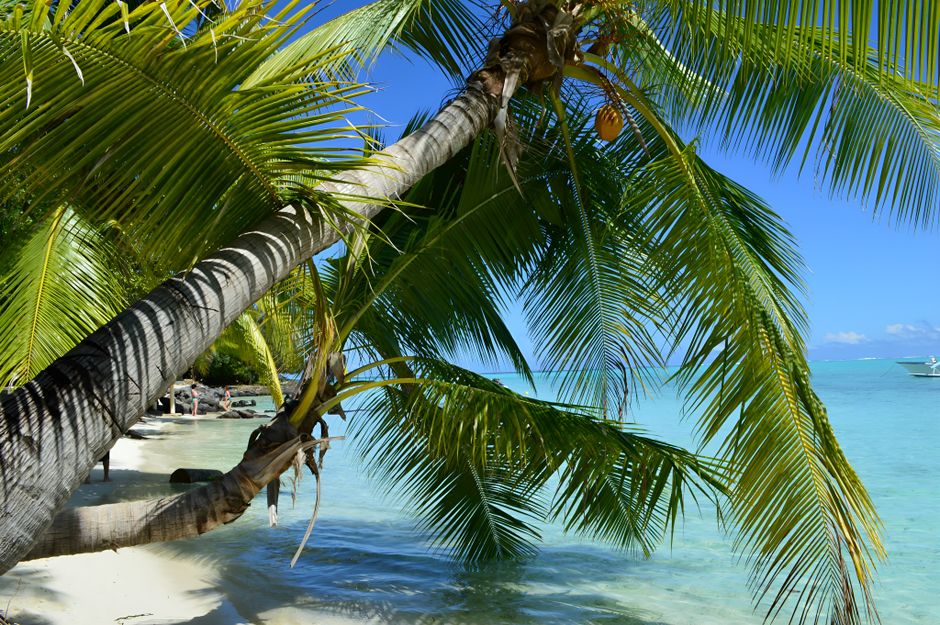
Though an overseas collectivity of France, French Polynesia is a distinct and massive destination spanning an area of the Pacific Ocean roughly the size of Europe. The Society Islands are the most visited, featuring the jagged green peaks of Moorea and the famous lagoon of Bora Bora.
Beyond the luxury overwater bungalows, the Tuamotu Archipelago offers some of the best scuba diving in the world. Atolls like Rangiroa and Fakarava are renowned for their passes, where incoming tides bring hundreds of grey reef sharks and manta rays. You will need an Air Tahiti flight pass to move between the island groups.
For those with more time and budget, the remote Marquesas Islands offer a stark contrast. There are no lagoons here; instead, wild horses roam sheer volcanic cliffs that drop straight into the dark ocean.
- Best for: Scuba diving, luxury travel, and dramatic volcanic scenery.
- Best time: June to August offers the driest weather and lowest humidity, with temperatures around 27°C (81°F).
- Daily budget: $300 to $800+ USD.
Vanuatu
Vanuatu is rugged, raw, and built for adventure. Located west of Fiji, this archipelago is famous for its active volcanoes and deep cultural roots. On Tanna Island, you can walk right up to the rim of Mount Yasur and watch magma explode into the night sky.
The island of Espiritu Santo is a major draw for scuba divers, home to the SS President Coolidge, a massive WWII troop carrier sitting just off the beach. Santo also features dense jungle and bright blue freshwater swimming holes like Matevulu.
Transport between the islands relies on domestic flights operated by local airlines. Infrastructure is basic outside the capital of Port Vila, which is exactly why adventurous travellers prefer it.
- Best for: Active volcanoes, wreck diving, and off-the-beaten-path adventure.
- Best time: April to October provides cooler, drier days. Expect temperatures between 24°C and 28°C (75°F to 82°F).
- Daily budget: $100 to $200 USD.
Samoa
Samoa offers a deeply traditional Polynesian experience. The country operates on Fa’a Samoa (The Samoan Way), where village chiefs hold significant authority and Sundays are strictly for church and family. The two main islands, Upolu and Savai’i, are connected by a regular passenger and vehicle ferry.
On Upolu, the To Sua Ocean Trench is a spectacular swimming hole fed by the ocean through lava tubes. Savai’i is wilder, featuring the Alofaaga Blowholes and vast lava fields. Accommodation often involves staying in a beach fale—a traditional open-air hut with a thatched roof and drop-down blinds, right on the sand.
Respecting local customs is essential. Many villages observe a daily evening prayer curfew called sa, marked by the blowing of a conch shell, during which visitors should avoid walking through the village.
- Best for: Cultural immersion, independent driving, and budget-friendly beach stays.
- Best time: May to October is the dry season, with steady temperatures around 29°C (84°F).
- Daily budget: $70 to $150 USD.
Cook Islands
The Cook Islands offer the visual appeal of French Polynesia without the sprawling distances or the massive price tag. The main island, Rarotonga, has a circumference of just 32 km. There are no traffic lights, and the most common way to get around is by renting a scooter to hop between beaches and the inland jungle trails.
For a break from the beach, hike the Cross-Island Track on Rarotonga, which takes you through dense jungle up to the base of Te Rua Manga (The Needle), a towering rock spire offering panoramic views of the island.
A 45-minute flight north takes you to Aitutaki, an atoll boasting a massive, brilliant blue lagoon dotted with uninhabited motus (islets). By law, no building in the Cook Islands can be taller than the highest coconut palm, keeping the islands free of massive resort blocks.
- Best for: Relaxed couples, scooter exploration, and quiet beaches.
- Best time: May to October for the lowest humidity. Temperatures average 25°C (77°F).
- Daily budget: $150 to $250 USD.
Palau
Located in the western Pacific Ocean, Palau is an archipelago of over 500 islands, distinct from the South Pacific nations. It is widely considered one of the premier scuba diving destinations on the planet. The Rock Islands Southern Lagoon, a UNESCO World Heritage site, features hundreds of mushroom-shaped limestone islands surrounded by turquoise water.
Underwater, sites like Blue Corner offer the chance to hook onto the reef wall and watch dozens of reef sharks, tuna, and eagle rays ride the strong ocean currents. Jellyfish Lake, located on Eil Malk island, allows you to snorkel among thousands of golden jellyfish that have lost their stinging ability due to isolation.
Palau places a heavy emphasis on conservation. Visitors must sign the Palau Pledge upon arrival, committing to act in an ecologically responsible way during their stay.
- Best for: Advanced scuba divers, kayaking, and marine conservationists.
- Best time: November to May is the dry season, with excellent underwater visibility. Temperatures sit around 28°C (82°F) year-round.
- Daily budget: $200 to $350 USD. Palau requires an environmental fee upon entry, and diving permits add to the daily cost.
Comparing the Best Countries to Visit in Oceania
Use the table below to compare the core logistics of each destination.
| Country | Main Appeal | Ideal Trip Length | Estimated Daily Budget (USD) |
|---|---|---|---|
| Australia | Road trips, Outback, Reefs | 3 to 6 weeks | $150 – $300 |
| New Zealand | Mountains, Fjords, Hiking | 2 to 4 weeks | $130 – $250 |
| Fiji | Resorts, Snorkelling, Families | 1 to 2 weeks | $100 – $400 |
| French Polynesia | Luxury, Diving, Lagoons | 1 to 2 weeks | $300 – $800+ |
| Vanuatu | Volcanoes, WWII Wrecks | 10 to 14 days | $100 – $200 |
| Samoa | Traditional Culture, Waterfalls | 7 to 10 days | $70 – $150 |
| Cook Islands | Quiet Beaches, Scooter Rides | 7 to 10 days | $150 – $250 |
| Palau | Advanced Diving, Rock Islands | 7 to 10 days | $200 – $350 |
How to Combine Destinations in Oceania
If you are flying from North America or Europe, you will likely transit through a major hub, making it easy to combine two or more countries. Nadi (Fiji) is the primary aviation hub for the Pacific. Fiji Airways offers direct flights from Los Angeles, San Francisco, and Vancouver, with onward connections to Samoa, Vanuatu, and Australia.
Auckland (New Zealand) is the other major transit point. Air New Zealand connects the US and Asia to the Pacific, making it straightforward to pair a New Zealand road trip with a week in the Cook Islands or Samoa. If you are travelling from Asia, you can easily access Palau via direct flights from Taipei, Manila, or Tokyo.
If you want to see multiple islands without doubling back, read our guide to island hopping in the South Pacific for specific airline routes and multi-stop ticketing strategies.
Plan Your Trip
Always check visa requirements well in advance. While citizens of the US, UK, and Australia enjoy visa-free entry or visa-on-arrival for most Pacific nations, Australia requires an Electronic Travel Authority (ETA) and New Zealand requires an NZeTA before you board your flight.
Book domestic island flights early. Local airlines operate small aircraft, and seats sell out quickly during the dry season from June to August. Many island nations also have limited accommodation options, so securing your resorts or beach fales months in advance is critical.
Finally, pack for the specific environment. While the Pacific islands require little more than swimwear and light layers, New Zealand and southern Australia demand serious wet-weather gear and thermal layers, even in the shoulder seasons.