The Classic Inca Trail is Peru’s most famous hike, but strict permit limits mean it sells out months in advance. If you miss out on a spot, or simply prefer a route with fewer crowds, there are excellent Inca trail alternatives that still end at the iconic ruins of Machu Picchu. Choosing the right trek depends on your fitness level, budget, and whether you want high-altitude glacial views or cultural interactions in remote Andean villages. For a full overview of the country, start with our comprehensive Peru guide.
The Classic Inca Trail: What You Need to Know
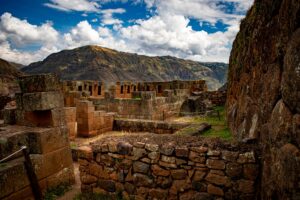
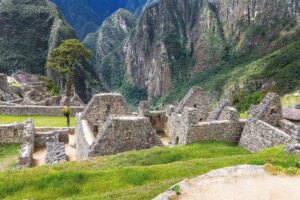
Before comparing treks, it helps to understand the baseline. The Classic Inca Trail is a 4-day, 43 km route starting at KM 82 near Ollantaytambo. You hike through cloud forests and high passes, peaking at Dead Woman’s Pass at 4,215 metres. The primary draw is walking on original stone-paved paths and arriving at Machu Picchu through the Sun Gate (Inti Punku) at sunrise.
Permits are strictly limited to 500 people per day, which includes guides and porters. This leaves only about 200 permits for tourists. You must book at least six months in advance for the dry season. Prices typically range from $700 to $1000 USD. The trail is completely closed every February for maintenance.
If you are building a wider itinerary, check our South America guide to see how these treks fit into a cross-border trip.
Why Choose Inca Trail Alternatives?
The most common reason to look for other routes is permit availability. However, many hikers actively choose Inca trail alternatives for better scenery or a quieter experience. The Classic route is busy, with crowded campsites and a rigid daily schedule dictated by the permit system.
Alternative routes do not have daily permit limits for the trail itself. This means you can often book them just a few weeks in advance. They also offer a higher degree of flexibility in daily pacing. Some focus entirely on raw natural landscapes, while others route through living Quechua communities where traditional farming practices remain unchanged.
Top Inca Trail Alternatives to Machu Picchu
The Salkantay Trek: Best for Dramatic Scenery
The Salkantay Trek is a 5-day, 74 km route that appeals to strong hikers wanting dramatic alpine landscapes. You start near the town of Mollepata. Day one usually includes a steep detour to Humantay Lake, a brilliant turquoise glacial tarn sitting at 4,200 metres.
Day two is the most difficult, requiring a climb over the Salkantay Pass at 4,630 metres. This is higher and colder than the Inca Trail, with nighttime temperatures frequently dropping below 0°C (32°F). Instead of Inca ruins, the highlight is the massive, glacier-capped Mount Salkantay. The trail shifts from barren, rocky moraines at the pass to a humid environment within a single day.
Following the pass, the climate shifts dramatically as you descend into the lush high jungle (ceja de selva). You walk through coffee and passionfruit plantations near Lucmabamba. On the final hiking day, you follow the train tracks from Hidroelectrica to Aguas Calientes, where you spend the night in a hotel. You access Machu Picchu via bus or a steep staircase on the final morning. Expect to pay between $450 and $700 USD.
The Lares Trek: Best for Cultural Encounters
If you prefer cultural immersion over extreme physical challenges, the Lares Trek is the best option. This 3-to-4-day, 33 km hike starts in the Sacred Valley. The journey usually begins with a drive from Cusco through the town of Calca, ending at the Lares hot springs where you can soak before hiking.
Because there is no single defined route for the Lares Trek, operators offer various itineraries. The trail takes you through remote Quechua-speaking villages like Huacawasi. Here, locals herd llamas and alpacas in traditional red ponchos, and you can watch weavers creating intricate textiles using methods passed down for generations. The interaction with the local communities is authentic; you will often see children walking to remote stone schoolhouses, and farmers tending to ancient terraces.
The highest pass is Sicllaccasa at 4,750 metres, but the overall hiking is less strenuous than Salkantay because the daily distances are shorter. The trek ends in the Sacred Valley town of Ollantaytambo. From here, you catch a train to Aguas Calientes for your Machu Picchu visit the next day. Costs range from $500 to $750 USD.
The Inca Jungle Trek: Best for Adventure and Multi-Sport
The Inca Jungle Trek is a 4-day hybrid tour rather than a pure hike. It combines downhill mountain biking, white-water rafting on the Urubamba River, zip-lining, and segments of hiking.
The trip starts with a drive to Abra Malaga at 4,316 metres, where you gear up for a massive 60 km downhill mountain bike ride into the jungle. Safety is a factor on this section, as you share the winding, paved mountain road with local traffic. Reputable operators provide full-face helmets and body armour. Subsequent days involve hiking along sections of original Inca paths that connect jungle plantations, and relaxing in the Cocalmayo hot springs near Santa Teresa.
This route is highly popular with younger travellers looking for an adrenaline rush. It avoids extreme altitudes for the hiking portions, and you sleep in basic local guesthouses rather than tents. It is also one of the most budget-friendly options, costing between $300 and $450 USD.
The Choquequirao Trek: Best for Avoiding Crowds
Choquequirao is an immense Inca archaeological site often called the sister city to Machu Picchu. The standard Choquequirao Trek is a punishing 4-day, 60 km out-and-back hike from the village of Cachora. You drop deep into the hot, arid Apurímac Canyon to Playa Rosalina, then face a brutal switchback climb up to Marampata and the ruins.
The heat in the canyon is intense, and the sandflies are notoriously aggressive, so strong insect repellent is mandatory. However, the reward is having a site larger than Machu Picchu almost entirely to yourself. You can explore the recently cleared terraces decorated with white stone llamas, and watch condors catching the thermals rising from the canyon floor.
This standard 4-day route does not actually go to Machu Picchu. A standard 4-day trek costs $400 to $600 USD. If you want to connect this site to Machu Picchu, you must book the epic 8-to-9-day Choquequirao to Machu Picchu extension, crossing the rugged Yanama pass before joining the Salkantay route. This longer expedition costs upwards of $1,200 USD.
Comparing the Treks: Distances and Difficulty
| Trek | Duration | Distance | Max Altitude | Average Cost (USD) |
|---|---|---|---|---|
| Classic Inca Trail | 4 Days | 43 km | 4,215 m | $700 – $1000 |
| Salkantay Trek | 5 Days | 74 km | 4,630 m | $450 – $700 |
| Lares Trek | 3 – 4 Days | 33 km | 4,750 m | $500 – $750 |
| Inca Jungle | 4 Days | Approx 40 km (hiking) | 4,316 m (biking start) | $300 – $450 |
| Choquequirao (Standard) | 4 Days | 60 km | 3,050 m | $400 – $600 |
Practical Essentials for Trekking in Peru
Best Time of Year to Trek
The dry season from May to October is the best time for trekking in the Andes. Daytime temperatures hover around 20°C (68°F), but nights at high-altitude campsites will drop below freezing. If you want to understand the regional variations across the country, read our guide on the best time to visit Peru.
The shoulder months of April and November offer a good balance of fewer crowds and decent weather, though you should expect occasional rain. Avoid January and February. Heavy rains cause landslides, muddy trails, and poor visibility.
Acclimatisation and Health
Altitude sickness is a real risk on all these routes. Cusco sits at 3,399 metres, and most alternative treks cross passes over 4,600 metres. You must spend at least two to three full days in Cusco or the Sacred Valley acclimatising before starting any hike. Drink coca tea, stay hydrated, and consult a doctor about diamox before leaving home. For broader health and security advice, check our guide on is Peru safe to visit.
Packing for the Andes
Weather in the Andes changes rapidly. You need a layering system that handles freezing mornings and hot, exposed afternoons. Pack a high-quality thermal base layer, a fleece, and a waterproof shell jacket. You will also need a sleeping bag rated to at least -10°C (14°F), which you can usually rent from your trekking company in Cusco.
Trekking poles are highly recommended to protect your knees on the steep, uneven stone staircases common to all these routes. Make sure they have rubber tips, as metal spikes are banned on protected trails. Bring a headlamp for navigating campsites at night, and water purification tablets so you can safely refill your bottles from designated streams or tap water provided by your cooks.
Booking and Tickets
When booking alternative treks, verify exactly what is included in your tour price. Your operator should secure your entrance to the ruins, but the rules change frequently. Review our breakdown of Machu Picchu tickets and circuits to ensure you get access to the specific areas you want to see, such as Huayna Picchu or Machu Picchu Mountain.
You also need to check current Peru visa and entry requirements well before your flight, as passport validity rules and entry stamps are strictly enforced at Lima airport.
Mistakes to Avoid When Booking
Do not assume all treks end by walking through the Sun Gate. Only the Classic Inca Trail and the Short 2-Day Inca Trail enter the ruins this way. On the Salkantay, Lares, and Inca Jungle treks, you will spend your final night in a hotel in Aguas Calientes and take the bus up to the main entrance on the morning of your visit.
Avoid booking the cheapest tour you find in Cusco’s Plaza de Armas. Rock-bottom prices often mean underpaid staff, poor food hygiene, and unsafe equipment. Expect to pay a fair price for a reputable operator. You can get a better sense of standard pricing in our guide to Peru travel costs.
Before you arrive, read our essential Peru travel tips to understand tipping etiquette for your guides, cooks, and muleteers. Tipping is expected and forms a crucial part of their income.
Plan Your Trip
Trekking to Machu Picchu will anchor your time in the Andes, but you should build a broader route around it. A well-paced Peru itinerary should allocate time for Cusco’s ruins, like Sacsayhuaman, before your trek begins.
When you finish your trek, you will return to Cusco via train from Aguas Calientes to either Ollantaytambo or Poroy. The two main operators are PeruRail and Inca Rail. Both offer comfortable services with panoramic windows, but securing your preferred departure time requires booking well in advance.
After returning to Cusco, consider a Rainbow Mountain day trip. Just make sure you do this after your trek when you are fully acclimatised to the extreme 5,200-metre altitude. Finally, head south to Puno to explore the floating islands; our Lake Titicaca guide covers the logistics of getting there by bus or train across the Altiplano.