Understanding Peru visa requirements is the first administrative step to take before booking your flights to Lima. For most international tourists, entering the country is a straightforward process that does not require a trip to an embassy. However, immigration rules are strictly enforced by airlines at your departure gate and by Migraciones officers upon arrival.
Before you dive into our comprehensive Peru guide, you need to ensure your paperwork is in order. From the digital arrival records to the strict enforcement of onward tickets, the entry logistics have modernised in recent years.
Here is exactly what you need to prepare for immigration control, whether you are flying into Jorge Chávez International Airport or crossing a land border from a neighbouring country on your wider South America guide route.
Peru Visa Requirements by Nationality
Peru offers visa-free entry to citizens of over 90 countries for tourism purposes. The standard tourist entry permits a stay of up to 90 days within a 180-day period. Immigration officers have the discretion to grant fewer days, so always check your digital entry record.
| Nationality | Tourist Visa Required? | Maximum Stay Granted |
|---|---|---|
| United States | No | Up to 90 days |
| United Kingdom | No | Up to 90 days |
| European Union | No | Up to 90 days |
| Canada | No | Up to 90 days |
| Australia & New Zealand | No | Up to 90 days |
| India | Yes (with exceptions) | Up to 180 days (if exempt) |
| South Africa | No | Up to 90 days |
The Indian Citizen Exemption
Indian citizens generally require a visa to enter Peru. However, a specific exemption allows Indian passport holders to enter Peru visa-free for up to 180 days if they hold a valid visa or permanent residency from the US, UK, Canada, Australia, or a Schengen Area state. The third-country visa must have at least six months of validity remaining at the time of your arrival in Peru.
Standard Entry Requirements for Peru
Even if you are exempt from applying for a tourist visa in advance, you must meet several strict entry requirements at the border. Failure to provide these documents will usually result in your airline denying you boarding before you even leave your home country.
Passport Validity and Blank Pages
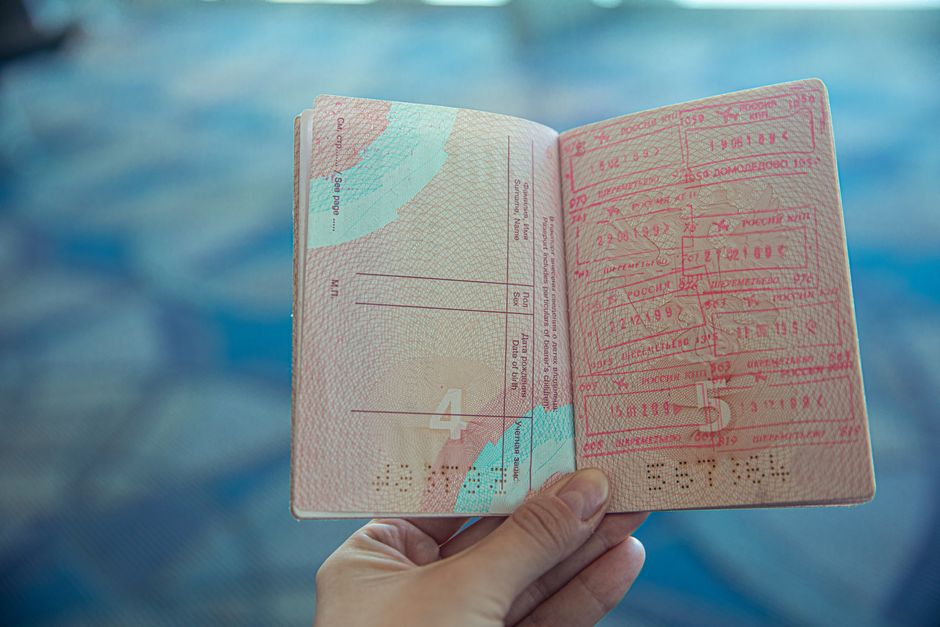
Your passport must be valid for at least six months from your date of entry into Peru. If your passport expires in five months, airlines like LATAM or British Airways will not let you board. You also need at least one completely blank page for your entry stamp, though having two is safer if you plan to cross land borders into Bolivia or Ecuador. When booking Machu Picchu tickets and circuits explained, you must use your exact passport number, and you must present that same physical passport at the ruins.
Proof of Onward Travel
This is the most common hurdle for backpackers and long-term travellers. Peruvian immigration requires proof that you will leave the country. This can be a return flight home, an onward flight to another country, or a confirmed international bus ticket (such as a Cruz del Sur bus to Guayaquil or a Bolivia Hop bus to Copacabana).
Airlines enforce this strictly to avoid being fined by the Peruvian government. If you are travelling on a one-way ticket because you are unsure of your Peru itinerary, you must purchase a refundable onward ticket or use a legitimate ticket rental service before arriving at the airport.
Proof of Sufficient Funds
Officially, immigration officers can ask to see proof that you have enough money to support yourself during your stay. In practice, this is rarely requested from tourists arriving from the US, UK, or Australia. If asked, showing a physical credit card or a quick glance at a mobile banking app is generally accepted.
Understanding the Virtual TAM
Peru no longer uses paper arrival and departure cards at its major entry points. Instead, they use the Virtual TAM (Tarjeta Andina de Migración). When the immigration officer scans your passport at Jorge Chávez International Airport in Lima, your entry is recorded digitally.
You will not receive a physical piece of paper to keep in your passport. Instead, you can verify your entry and see exactly how many days you were granted by logging into the official Migraciones Peru website using your passport details and arrival date. It is highly recommended to check this within 24 hours of arrival, as officers sometimes mistakenly input 30 or 60 days instead of 90.
Crossing Land Borders
If you are arriving by land, the process can vary. At major crossings like Desaguadero (bordering Bolivia) or Huaquillas (bordering Ecuador), immigration posts are fully digitised and use the Virtual TAM. If you are reading our Lake Titicaca guide and plan to cross the border near Puno, ensure the officer stamps your passport clearly. Without an entry stamp, you will face significant administrative issues and fines when trying to leave the country or check into hotels.
How to Apply for a Peru Tourist Visa
If your nationality requires a visa (and you do not qualify for the exemptions mentioned above), you must apply through a Peruvian consulate before you travel. Peru does not currently offer a universal e-visa system for tourism.
You will need to schedule an appointment at your nearest consulate and submit a completed application form, two passport-sized photos, a copy of your round-trip ticket, proof of hotel reservations, and recent bank statements. The processing time usually takes between two to four weeks, and the fee is approximately $30 USD. Always begin this process well before you finalise your Peru travel cost budget and non-refundable bookings.
Health and Vaccination Entry Requirements
Peru does not currently require any specific vaccinations for entry, including COVID-19, which has no border restrictions. However, specific regions dictate what immunisations you should carry.
Yellow Fever
A yellow fever vaccination certificate is not required to enter Peru from Europe, North America, or Australasia. However, it is highly recommended if your itinerary takes you into the Amazon basin, specifically regions like Loreto (Iquitos), Madre de Dios (Puerto Maldonado), or San Martín. Furthermore, if you travel from Peru to certain other countries (like Costa Rica or Colombia), those countries may demand proof of yellow fever vaccination because you are arriving from a country with endemic zones.
Altitude Sickness and General Health
While not an entry requirement, altitude preparation is vital. If you are comparing the Inca Trail vs alternative treks, or planning a Rainbow Mountain day trip, you will be reaching altitudes above 4,000 metres (13,123 feet). Bring appropriate medication from your home country, as acclimatisation takes several days regardless of your fitness level.
Overstays, Visa Extensions and Border Runs
Your travel plans might change once you arrive, but dealing with Peruvian immigration requires strict adherence to their timelines.
Can You Extend a Tourist Visa?
Under current Migraciones rules, tourists from visa-exempt countries (like the US, UK, EU, Canada, and Australia) cannot extend their tourist visas from within Peru. Once your granted days (usually 90) expire, you are expected to leave the country.
The Overstay Fine Process
If you stay past your allotted time, you will accrue a daily fine. As of 2026, the fine is tied to the local tax unit (UIT) and sits at approximately 5.50 PEN (roughly $1.40 to $1.50 USD) for every day you overstay.
Paying this fine is a manual process at the airport. When you arrive at Jorge Chávez International Airport to fly home, you must first go to the Banco de la Nación counter on the departures level. You provide your passport, pay the exact fine in cash (Peruvian Soles are preferred, though some cards are now accepted), and receive a physical receipt. You then present this receipt to the immigration officer when stamping out. Do not try to argue the fine; the officers will simply hold your passport until you return with the payment receipt, which could cause you to miss your flight.
Border Runs
To reset their 90-day allowance, some travellers perform a “border run” by crossing into Chile (via Tacna to Arica) or Bolivia and returning to Peru a few days later. While technically legal, immigration officers have become increasingly strict with perpetual tourists. If an officer notices multiple back-to-back border runs in your passport, they may question your motives and restrict your new entry to 15 or 30 days. Read up on local regulations in our Peru travel tips to avoid getting caught out by sudden policy shifts.
Plan Your Trip
Ensuring your paperwork is flawless guarantees a smooth start to your Andean adventure. Always check your passport validity before you look at the best time to visit Peru and book your flights. For the most up-to-date information, or if you have a complex nationality status, directly consult the official Peruvian Consulate website for your specific region before departure. If you are wondering is Peru safe to visit?, rest assured that starting your trip with organised, correct documentation is the best first step to a secure and stress-free journey.