Planning the perfect jaipur itinerary requires balancing the imposing forts, royal palaces, and chaotic bazaars of Rajasthan’s capital. This guide covers the exact logistics, entry costs, and transit times you need to navigate the Pink City efficiently for trips lasting one, two, or three days. For a broader overview of the city’s history and layout, start with my complete Jaipur guide.
Jaipur Itinerary at a Glance
If you want to see the main sights without rushing, three days provides the ideal timeframe. This allows you to group attractions by location, minimising time spent sitting in traffic across the city.
| Day | Focus | Key Stops |
|---|---|---|
| Day 1 | The Old City | Hawa Mahal, City Palace, Jantar Mantar, Johari Bazaar, Bapu Bazaar |
| Day 2 | The Forts | Amber Fort, Jaigarh Fort, Panna Meena Ka Kund, Jal Mahal, Nahargarh Fort |
| Day 3 | Culture & Architecture | Albert Hall Museum, Patrika Gate, Galta Ji (Monkey Temple) |
Day 1: The Pink City
Spend your first day exploring the walled centre of Jaipur. The attractions here sit very close together, making it easy to navigate on foot or via short tuk-tuk rides. Start early to beat the intense midday heat and the heavy afternoon traffic.
Morning: Hawa Mahal and City Palace
Start at the Hawa Mahal (Palace of Winds) by 8:00 AM. The morning light hits the pink sandstone facade directly, offering the best conditions for photography before the street traffic builds up. The five-storey structure features 953 small windows (jharokhas) designed to allow royal women to observe street festivals without being seen. You do not necessarily need to go inside; the exterior view from the street or the rooftop cafes opposite (like Wind View Cafe) is the main draw.
Walk 10 minutes to the City Palace, which opens at 9:30 AM. This complex remains the residence of the Jaipur royal family. A standard foreign entry ticket costs around $10–$12 (INR 800–1000). Spend two hours walking through the courtyards. Do not miss the Mubarak Mahal, which houses the royal textile collection, and the Diwan-i-Khas, where you will find two massive sterling silver urns. These urns hold the Guinness World Record for the largest single pieces of silver in the world.
If you want to access the private rooms of the Chandra Mahal, including the famous blue room (Sukh Niwas), you must purchase the Royal Grandeur ticket. This costs significantly more, usually around $45–$50 (INR 3500–4000), but includes a private guide and access to areas off-limits to standard ticket holders.
Afternoon: Jantar Mantar and The Bazaars
Directly adjacent to the City Palace is Jantar Mantar, an 18th-century astronomical observatory built by Rajput king Sawai Jai Singh II. It houses 19 architectural astronomy instruments. Entry is around $2.50 (INR 200). Hire a local guide at the entrance for $3–$5 to explain how the instruments work. The highlight is the Samrat Yantra, a massive 27-metre-tall stone sundial that tracks time to an accuracy of two seconds.
For lunch, head south into Johari Bazaar. Grab a traditional Rajasthani thali for $5–$8 at a local spot like Laxmi Mishtan Bhandar (LMB). The thali will include dal baati churma (hard wheat rolls served with lentils), ker sangri (a desert bean curry), and various flatbreads. It is heavy, so pace yourself. If you prefer a lighter meal, grab kachoris (fried pastry stuffed with spiced lentils) from Rawat Mishtan Bhandar.
Spend the rest of the afternoon walking through the grid of markets. Johari Bazaar is famous for precious stones and Kundan jewellery. Walk west to Bapu Bazaar for textiles, block-printed fabrics, and mojari (traditional leather shoes). Further down, Tripolia Bazaar specialises in lac bangles. Expect to haggle aggressively; start by offering half the quoted price.
Evening: Dinner in C-Scheme
Escape the noise of the Old City and take a tuk-tuk to the C-Scheme neighbourhood. This area features modern restaurants, boutique cafes, and a much quieter atmosphere. Expect to pay $15–$25 per person for an upscale dinner. Restaurants here serve a mix of modern Indian and international cuisine, providing a sharp contrast to the traditional street food of the walled city.
Day 2: The Forts
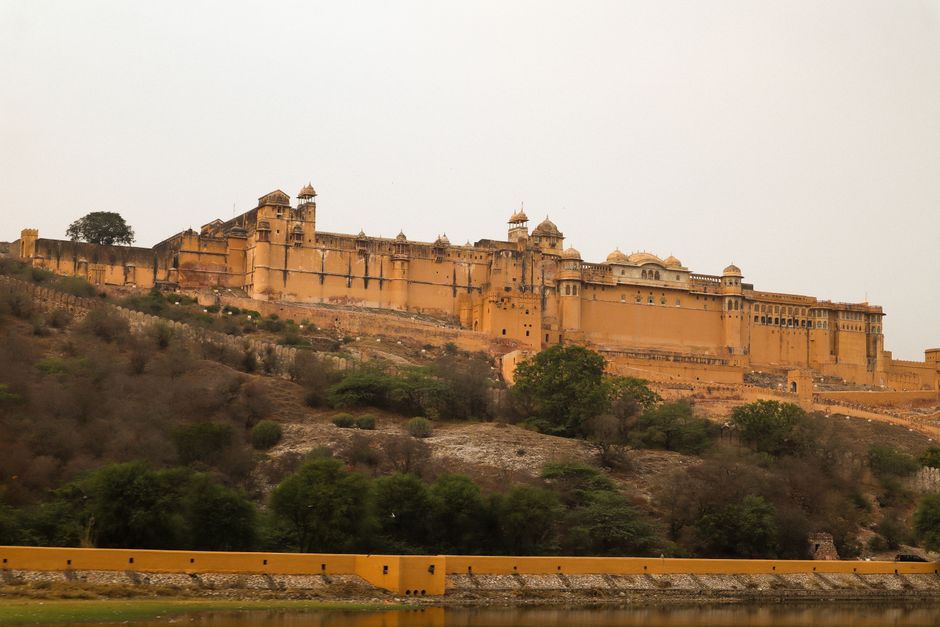
Day two takes you into the Aravalli Hills just outside the city limits. Hire a private driver or negotiate a day rate with a tuk-tuk driver (around $15–$20) to take you between these sites. Using ride-hailing apps like Uber or Ola works for getting to the forts from the city centre, but finding a return ride from the hills can be highly unreliable. Booking a dedicated driver ensures you are not stranded at Nahargarh Fort after sunset.
Morning: Amber Fort and Jaigarh Fort
Drive 11 km north of the city centre to Amber Fort. Arrive right when it opens at 8:00 AM to beat the tour buses arriving from Delhi. Foreign entry is roughly $12 (INR 1000). Skip the elephant rides to the top; animal welfare organisations have raised serious concerns about their treatment. Instead, take the 15-minute walk up the cobbled path or hire a jeep at the base. For a detailed breakdown of the courtyards, the Ganesh Pol gate, and the famous Sheesh Mahal (Mirror Palace), read my Amber Fort Guide.
From Amber Fort, you can take a subterranean tunnel that connects directly to Jaigarh Fort. Built to protect Amber Fort, Jaigarh is a massive military structure. It houses the Jaivana, which was the world’s largest cannon on wheels at the time of its construction. The views over the Aravalli Hills from the watchtowers here are spectacular and completely unobstructed.
Late Morning: Panna Meena Ka Kund
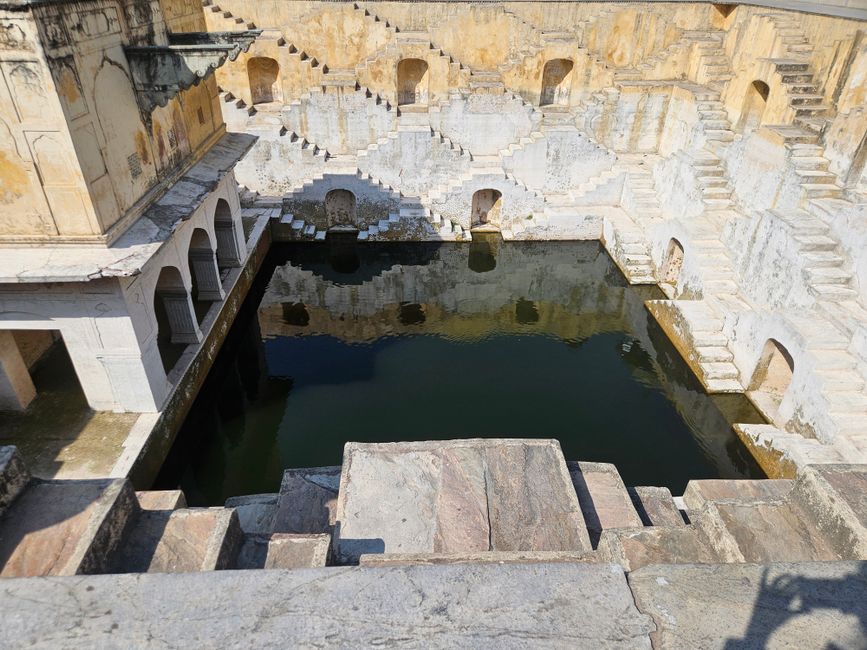
Just a five-minute drive from the base of Amber Fort is Panna Meena Ka Kund. This 16th-century stepwell features perfectly symmetrical crisscrossing stairs designed to provide access to groundwater year-round. You cannot walk down the steps anymore due to preservation rules, but it remains a striking piece of engineering to view from the perimeter. It takes only 15 minutes to visit, making it an easy addition to your route.
Afternoon: Jal Mahal
On the drive back toward Jaipur along Amer Road, pull over at Man Sagar Lake to see the Jal Mahal (Water Palace). Four of its five storeys sit submerged underwater when the lake is full. You cannot go inside the palace, so this is simply a quick photo stop from the promenade. Grab lunch at a roadside restaurant on Amer Road before heading back to your hotel to rest during the hottest part of the day.
Evening: Nahargarh Fort Sunset
Around 4:00 PM, drive up the steep, winding road to Nahargarh Fort. The fort itself has a few interesting structures, like the Madhavendra Bhawan with its identical suites for the king’s queens, but the main reason to visit is the panoramic view over Jaipur. Find a spot along the fort walls to watch the sun go down and the city lights turn on. Entry is around $2.50 (INR 200), and there is an on-site restaurant where you can grab a drink.
Day 3: Culture and Architecture
Your final day covers a few scattered sites that highlight the city’s religious significance and colonial-era architecture. You will need a driver for the morning and afternoon.
Morning: Albert Hall Museum and Patrika Gate
Start at the Albert Hall Museum, located in Ram Niwas Garden. This Indo-Saracenic building, designed by Sir Samuel Swinton Jacob, is Rajasthan’s oldest museum. It holds a vast collection of miniature paintings, carpets, arms, armour, and a surprisingly out-of-place Egyptian mummy from the Ptolemaic epoch. The building’s exterior, surrounded by hundreds of pigeons and horse-drawn carriages, is a popular photography spot. Entry is around $4 (INR 300), but it is included if you purchased the composite ticket.
Take a 15-minute taxi ride south to Jawahar Circle to see the Patrika Gate. This massive, pastel-coloured gate is a relatively modern addition to the city, built to showcase the architectural styles of different regions in Rajasthan. The intricate frescoes inside the arches depict scenes from Rajput history. It is free to visit and takes about 30 minutes to walk through.
Afternoon: Galta Ji (Monkey Temple)
Drive 10 km east of the city centre to Galta Ji, a Hindu pilgrimage site built into a narrow crevice in the hills. The complex features several natural springs (kunds) and pavilions made of pink sandstone. It is famously home to a large troop of macaque monkeys. Entry is technically free, but expect to pay a small camera fee (around $1) and give a donation to the priests.
Walk past the lower pools and hike up the hill to the Sun Temple. The hike takes about 20 minutes and offers excellent views over the city. Keep your belongings secure, as the monkeys are highly confident and will grab loose items like sunglasses or water bottles.
Evening: Final Shopping and Rooftop Drinks
Spend your last evening picking up any final souvenirs in the Old City or visiting the Anokhi Museum of Hand Printing if you have an interest in textiles. For your final meal, find a rooftop restaurant near the Hawa Mahal or in Bani Park. Enjoying a curry while looking out over the illuminated city is the best way to wrap up your trip. For more ideas on filling your evenings, check out my guide on the Best Things to Do in Jaipur.
How to Adapt for a 1-Day Jaipur Itinerary
If you only have one day in Jaipur, you must prioritise ruthlessly. Start at 8:00 AM at Amber Fort to see the most impressive architecture before the crowds arrive. By 11:00 AM, head back into the city, stopping briefly at the Jal Mahal for a photo.
Spend your afternoon inside the Old City. Visit the City Palace and take a quick walk past the Hawa Mahal. Grab a late lunch in Johari Bazaar and spend an hour looking at the textiles and jewellery. Skip the museums, stepwells, and outlying temples entirely.
This rapid pace requires hiring a private driver for the full day. Relying on auto-rickshaws or ride-hailing apps for a condensed 24-hour visit will result in too much time lost in transit between the hills and the city centre. Expect to pay around $25–$30 for a reliable driver from dawn until after dinner.
Where to Stay for This Itinerary
Choosing the right base makes executing this route much easier. Jaipur has three main areas that work well for international visitors:
- Bani Park: The most practical choice. It sits just outside the Old City walls, offering quiet, tree-lined streets and a high concentration of heritage hotels. You can find excellent mid-range options here for $50–$100 per night.
- C-Scheme: The modern centre of Jaipur. Stay here if you prefer boutique hotels, good espresso, and upscale dining over historical architecture. It is a 15-minute tuk-tuk ride to the main sights.
- The Old City: Stay here if you want to be within walking distance of the City Palace, Jantar Mantar, and the main bazaars. Be warned: the traffic is intense, the streets are crowded with auto-rickshaws and pedestrians, and the noise level is high from dawn until late at night. It is best suited for budget backpackers who want to be right in the action and do not mind the chaos.
Plan Your Trip
To make this trip run smoothly, consider buying the Jaipur Composite Ticket. For around $20 (INR 1700), it covers entry to Amber Fort, Nahargarh Fort, Jantar Mantar, and the Albert Hall Museum over two consecutive days. It saves you money and, more importantly, keeps you from queuing at every ticket counter.
Weather plays a huge role in how much you will enjoy this city. Winter temperatures hover around a comfortable 22°C (71°F), making it the ideal season for walking around forts. Summer temperatures regularly exceed 40°C (104°F). For a full breakdown of the weather, read Best Time to Visit Jaipur: Month-by-Month Guide. Finally, if you are planning a wider trip across the country, my comprehensive India guide covers visas, transport, and regional routes.