Planning a New York City itinerary requires strict prioritisation. The five boroughs cover over 780 square kilometres of dense urban grid, and attempting to see everything in a few days will leave you exhausted and spending half your trip underground on the subway. This guide provides a practical, step-by-step route for 1, 2 or 3 days, grouping attractions by neighbourhood to minimise transit time.
You will cover Midtown landmarks, the downtown harbour, and the historic streets of the West Village. For a broader overview of the five boroughs, start with our main New York City guide or our wider USA guide.
Navigating Your New York City Itinerary
Before starting your route, understand the logistics of moving around Manhattan. Do not rent a car; traffic is notoriously gridlocked and parking garages routinely charge upwards of $60 to $80 per day. Instead, rely on the Metropolitan Transportation Authority (MTA) subway and bus network.
The transit system uses OMNY, a contactless payment method. Simply tap your credit card, debit card, or smartphone at the turnstile. Each ride costs $2.90, regardless of distance, and includes a free transfer between the subway and local buses within two hours.
Manhattan above 14th Street operates on a strict grid. Avenues run north to south, while Streets run east to west. Fifth Avenue divides the island into the East Side and West Side. Knowing this basic geography will help you orient yourself when emerging from underground subway stations.
New York City Itinerary at a Glance
| Day | Morning | Afternoon | Evening |
|---|---|---|---|
| Day 1 | Central Park & The Met | Fifth Avenue & Rockefeller Center | Broadway & Times Square |
| Day 2 | Statue of Liberty & Ellis Island | Wall Street & 9/11 Memorial | Brooklyn Bridge & DUMBO |
| Day 3 | Hudson Yards & The High Line | Chelsea Market & West Village | SoHo & Live Entertainment |
Day 1: Midtown Manhattan and Central Park
Morning: Central Park and The Met
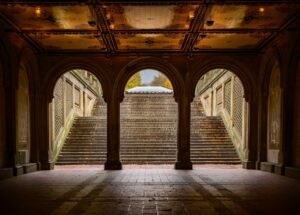
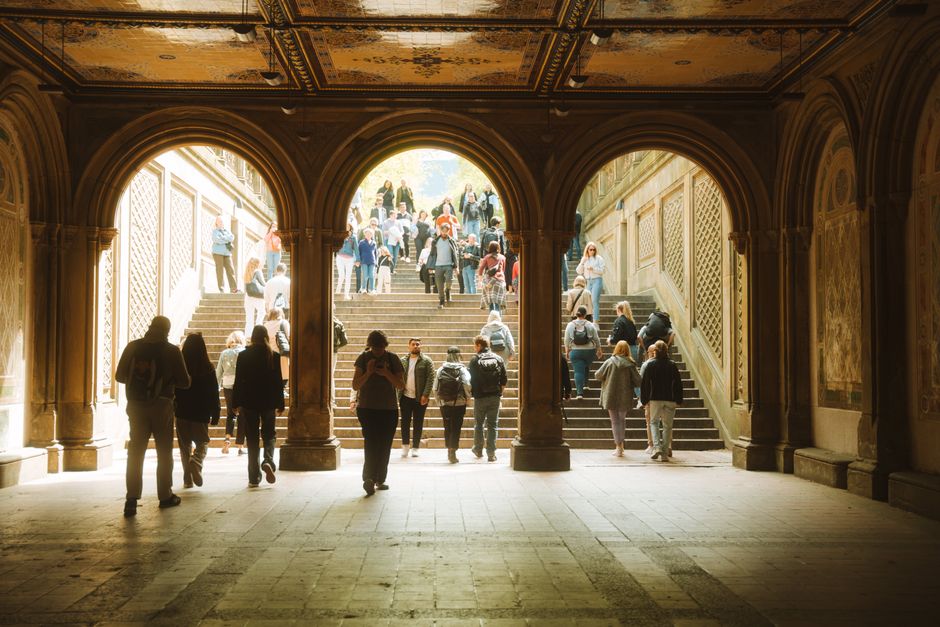
Start at 72nd Street on the Upper West Side (B or C subway trains). Enter Central Park near the Dakota building and walk through Strawberry Fields. Cross the 79th Street Transverse to reach Bethesda Terrace and the Loeb Boathouse. This route covers about 1.5 km of paved paths.
For a detailed map of walking routes and specific landmarks, read our Central Park Guide. Exit the park on the east side at 82nd Street to visit the Metropolitan Museum of Art (The Met).
Admission to The Met is $30 and tickets must be purchased online in advance. The museum is massive; dedicate two hours to specific highlights like the Temple of Dendur in the Sackler Wing or the American Wing courtyard rather than attempting to see every exhibit.
Afternoon: Fifth Avenue and Rockefeller Center
Walk south down Fifth Avenue from The Met. You will pass Central Park South, the Plaza Hotel, and high-end retail flagships. At 50th Street, stop to see the Neo-Gothic architecture of St. Patrick’s Cathedral before crossing into Rockefeller Center.
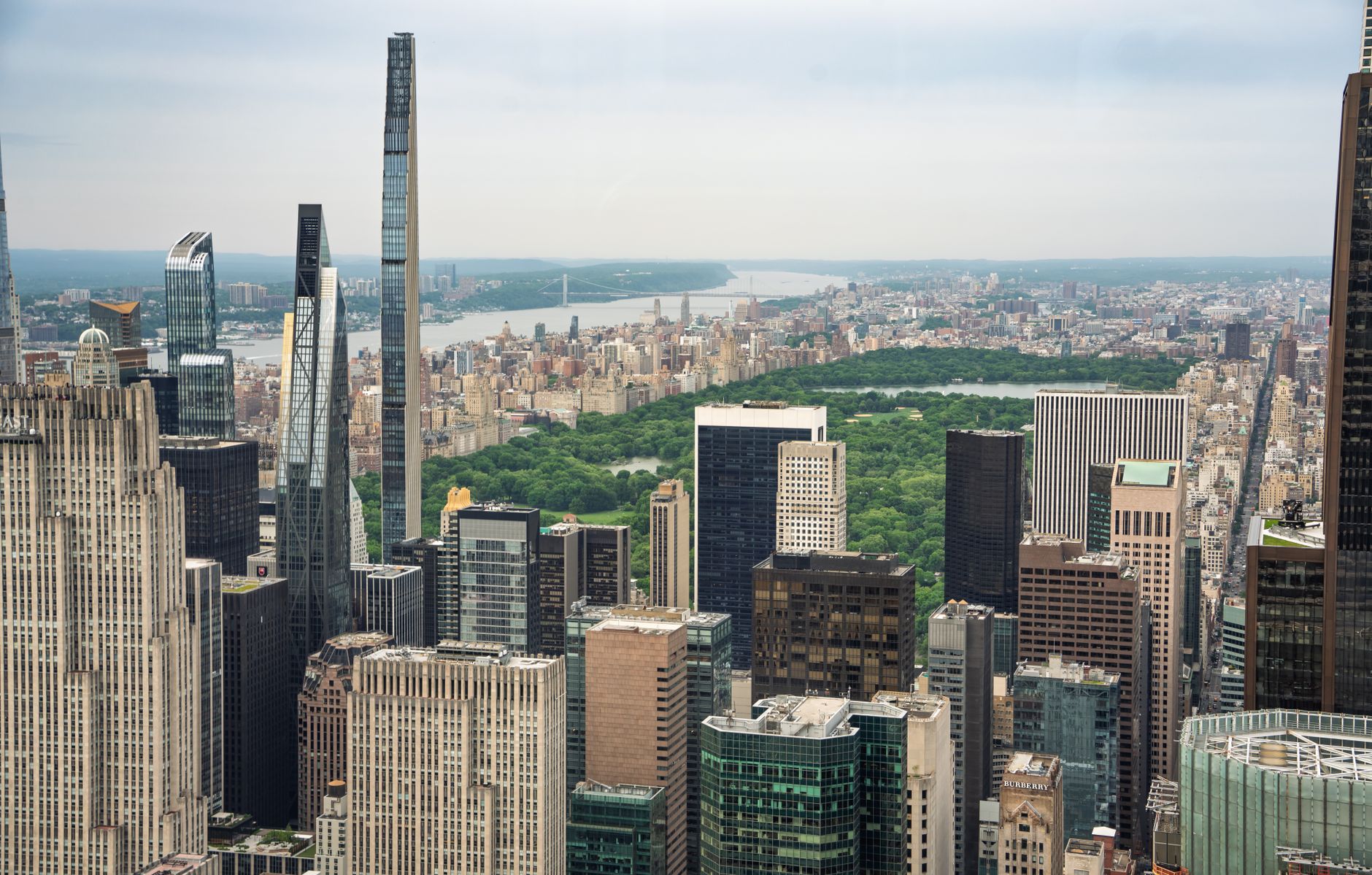
In the winter, the sunken plaza features the famous ice skating rink; in the summer, it transforms into an outdoor dining concourse. Head up to the Top of the Rock observation deck for unobstructed views of the Empire State Building to the south and Central Park to the north. If you want to compare this view with SUMMIT One Vanderbilt or Edge, check our guide to the Best NYC Observation Decks.
Evening: Broadway and Times Square
Walk west towards the Theatre District. For a pre-theatre dinner, head to 9th Avenue in Hell’s Kitchen, which offers a dense strip of independent restaurants spanning global cuisines. For specific restaurant recommendations in this area, see What to Eat in New York City: Local Food Guide.
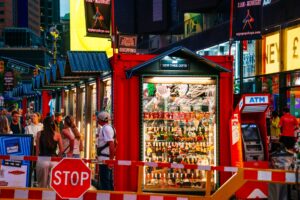
Catch a 7:00 PM or 8:00 PM performance. Theatre tickets can be incredibly expensive, but you can find out how to secure same-day discounts or enter digital lotteries in our guide to Broadway Tickets: How to Save. After the show, walk through Times Square at 42nd Street to see the digital billboards at their brightest.
Day 2: The Harbour, Financial District and Brooklyn
Morning: Statue of Liberty and Ellis Island
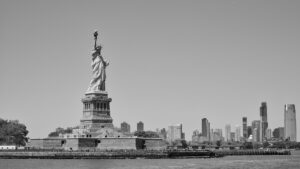
Take the 1 or R subway train down to South Ferry or Whitehall Street. You need an early start for the Statue City Cruises ferry departing from Battery Park. Book the 9:00 AM departure to avoid the massive airport-style security queues that build up by midday.
Read our advice on Statue of Liberty and Ellis Island Tickets to understand the differences between pedestal access, crown access, and standard grounds tickets. The ferry loop stops at Liberty Island first, then Ellis Island, where you can walk through the Great Hall of the immigration museum. The entire loop takes about three to four hours.
Afternoon: Wall Street and the 9/11 Memorial
Walk north from Battery Park to the Charging Bull statue on Broadway. Turn right onto Wall Street to see the exterior of the New York Stock Exchange and Federal Hall. Continue northwest to the World Trade Center complex.
The 9/11 Memorial features two massive reflecting pools set in the exact footprints of the original Twin Towers, surrounded by bronze parapets inscribed with the names of the victims. The memorial plaza is free to enter. The adjacent 9/11 Memorial Museum requires a $33 ticket and takes about two hours to walk through.
Late Afternoon: Crossing the Brooklyn Bridge
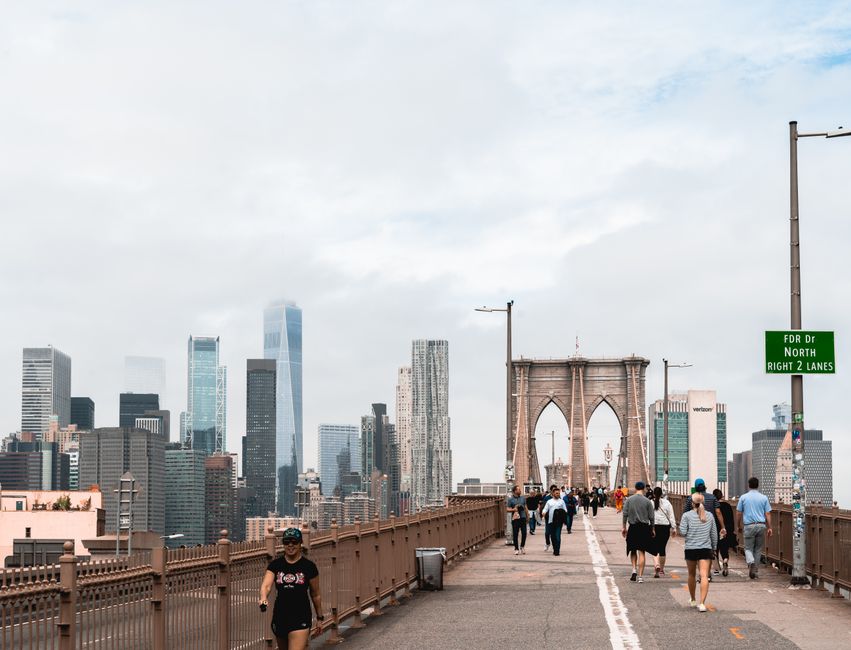
Walk east from the World Trade Center to City Hall Park to find the pedestrian entrance to the Brooklyn Bridge. The walk across the East River is 1.8 km and takes about 40 minutes.
The pedestrian promenade is elevated above the vehicle traffic. The city relocated the bike lane to the roadway below in 2021, making the wooden planks much safer for walkers, though it remains heavily crowded with tourists and photo shoots.
Evening: DUMBO and Brooklyn Heights
You will exit the bridge in Brooklyn Heights. Walk down the stairs to Washington Street in DUMBO (Down Under the Manhattan Bridge Overpass) to capture the classic photograph of the Manhattan Bridge framed by red brick warehouses.
Eat dinner at Juliana’s or Grimaldi’s for traditional coal-fired pizza. Expect to queue outside for 30 to 45 minutes; pizzas cost $25 to $35. Walk off dinner along the waterfront at Brooklyn Bridge Park, which offers excellent nighttime views of the illuminated Lower Manhattan skyline. Take the F train from York Street or the A/C train from High Street back to Manhattan.
Day 3: The West Side and The Villages
Morning: Hudson Yards and The High Line
Take the 7 subway train to the 34th Street-Hudson Yards station. Start your morning viewing The Vessel, a massive copper-coloured honeycomb structure. Walk south onto the adjacent High Line.
This 2.3 km elevated linear park was built on a historic freight rail line elevated above the streets on Manhattan’s West Side. The pathway is lined with gardens designed by Piet Oudolf and rotating public art installations. The path is narrow, so walking it in the morning helps you avoid the slow-moving afternoon crowds.
Afternoon: Chelsea Market and Greenwich Village
Exit the High Line at 15th Street and walk into Chelsea Market. This massive indoor food hall is located inside the former Nabisco factory complex. Grab lunch at Los Tacos No. 1 or pick up brownies from Fat Witch Bakery.
Continue walking south into Greenwich Village and the West Village. The strict grid system breaks down here, leaving a maze of diagonal streets lined with 19th-century brownstones and leafy trees. Walk down Bleecker Street and stop by Washington Square Park to see the marble arch and the street musicians around the central fountain. If you want to add a specific museum, walking tour, or gallery to this afternoon, browse our list of the Best Things to Do in New York City.
Evening: SoHo and Live Entertainment
Walk east from the Village into SoHo (South of Houston Street). This neighbourhood is famous for its cast-iron architecture and cobblestone streets, which are now home to high-end boutiques and independent restaurants. Expect to pay $80 to $150 per person for a sit-down dinner with drinks in this area.
Finish your trip with live entertainment at a historic venue. Head to the Village Vanguard on 7th Avenue South for jazz (cover charges are usually $40, plus a one-drink minimum) or visit a comedy club on MacDougal Street.
How to Spend a 1-Day New York City Itinerary
If you are on a layover or a tight schedule, you must condense your route. Stick to Midtown and Lower Manhattan. Start at 8:00 AM in Central Park, walking the southern loop near the Pond and Gapstow Bridge. By 10:00 AM, walk down Fifth Avenue to Rockefeller Center. Go up Top of the Rock for your skyline view. Eat a quick lunch in the Rockefeller Center concourse.
In the afternoon, take the E or 1 subway train downtown to see the 9/11 Memorial. Walk to City Hall Park and walk a short portion of the Brooklyn Bridge for the view, rather than crossing the whole 1.8 km span to Brooklyn. Take the subway back to Midtown for a quick dinner in Hell’s Kitchen and an evening walk through the neon lights of Times Square.
Where to Stay for This Itinerary
Your hotel location dictates how much time you spend commuting. For a short 1, 2 or 3-day trip, stay in Manhattan below 59th Street to remain close to the major transit hubs.
- Midtown Manhattan: The best area for first-time visitors. You have immediate access to all major subway lines at Times Square, Penn Station, or Grand Central Terminal. Hotels here are dense, catering to all budgets, with standard rooms ranging from $200 to $500 per night depending on the season.
- Greenwich Village or Chelsea: Better suited for returning visitors who want a residential neighbourhood feel. These areas are quieter than Midtown and place you closer to the city’s best independent restaurants and boutique shops.
- Financial District: Often cheaper on weekends when corporate business travellers leave the city. It is very quiet at night but offers excellent express subway access to both Brooklyn and Midtown.
For specific hotel recommendations, pricing, and neighbourhood breakdowns, read our guide on Where to Stay in New York City: Best Areas and Hotels.
Plan Your Trip
To ensure your itinerary runs smoothly, pay attention to the season. Summer brings heavy humidity, with temperatures often exceeding 30°C (86°F), making the subway platforms uncomfortably hot. Winter temperatures frequently drop below 0°C (32°F) with biting winds off the East and Hudson rivers. Spring and autumn offer the most comfortable walking weather.
For a detailed breakdown of weather patterns and seasonal events, read our guide on the Best Time to Visit New York City: Month-by-Month Guide.
Finally, if you have four or more days in the region, consider leaving the five boroughs to explore the surrounding states. Check our list of the Best Day Trips from New York City for easy train routes to the historic estates of the Hudson Valley or the beaches of Long Island.