New York City is massive, and narrowing down the best things to do in New York City can feel overwhelming. Focus your time on specific neighbourhoods rather than crossing Manhattan multiple times a day. For a complete overview of the five boroughs, see our full New York City guide.
To help you plan efficiently, we have grouped the top sights by area. Use the quick reference table below to see where the major highlights are located.
| Attraction | Neighbourhood | Nearest Subway |
|---|---|---|
| Statue of Liberty | New York Harbor | Bowling Green (4/5) |
| The Met | Upper East Side | 86th St (4/5/6) |
| Broadway | Midtown | Times Sq-42 St (N/Q/R/W/1/2/3/7) |
| Brooklyn Bridge | Lower Manhattan | Brooklyn Bridge-City Hall (4/5/6) |
| High Line | Chelsea | 14th St (A/C/E) |
Best Things to Do in New York City: Lower Manhattan
Lower Manhattan is the historic core of the city. The streets here are narrow, winding, and packed with early American history and modern financial power.
1. Statue of Liberty and Ellis Island
- What it is: The iconic copper statue on Liberty Island and the historic immigration processing centre on Ellis Island.
- Why you should go: It is a fundamental piece of US history. The Ellis Island National Museum of Immigration allows you to trace passenger records of millions who arrived by sea.
- Insider tip: Ferries depart from Battery Park in Manhattan and Liberty State Park in New Jersey. Book your Statue of Liberty and Ellis Island Tickets months in advance if you want access to the pedestal or crown, as these sell out rapidly.
- Cost: $25–$30 for standard ferry access.
- Time needed: 4–5 hours including security and ferry transit.
2. 9/11 Memorial and Museum
- What it is: Twin reflecting pools set in the exact footprints of the original Twin Towers, surrounded by bronze parapets engraved with the names of the victims. The subterranean museum sits beneath the plaza.
- Why you should go: It is a powerful, sobering tribute to the events of September 11, 2001. The museum houses monumental artefacts, including the Survivors’ Stairs and twisted steel beams.
- Insider tip: The museum is emotionally heavy. Do not schedule a rushed, upbeat activity immediately afterwards; give yourself time to decompress in nearby Battery Park.
- Cost: Memorial plaza is free; Museum is $33.
- Time needed: 2–3 hours.
3. Walk the Brooklyn Bridge
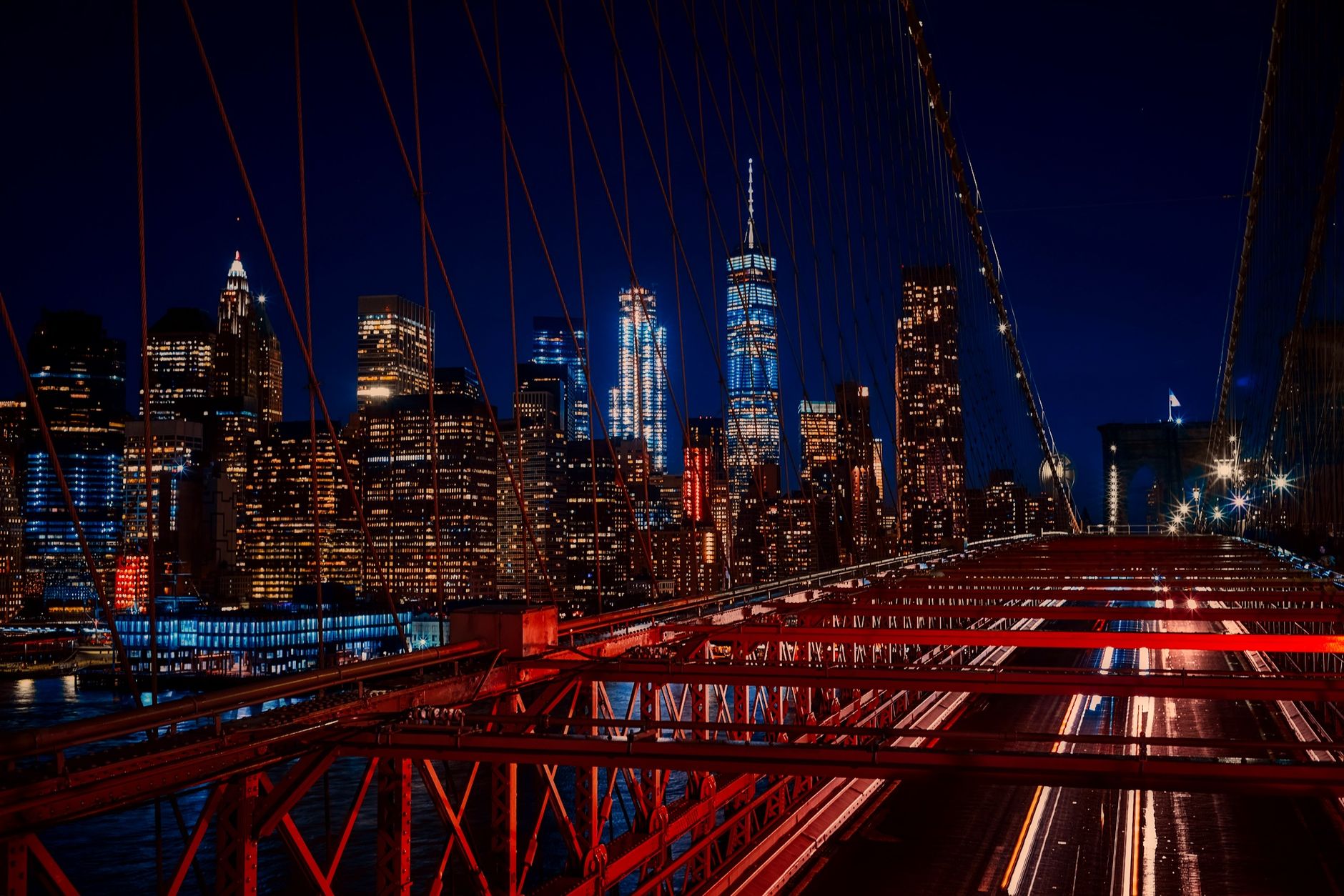
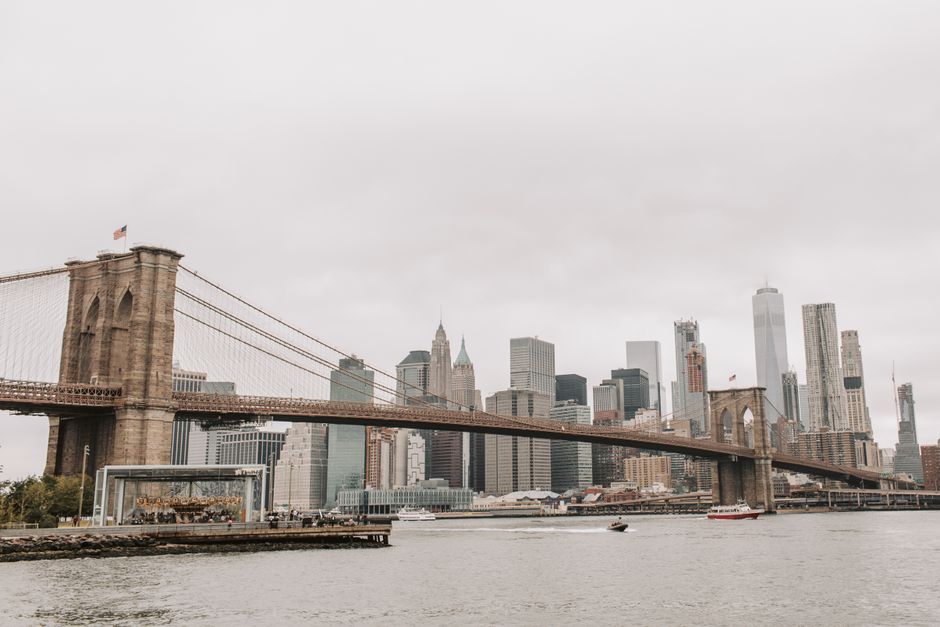
- What it is: The 1.8 km suspension bridge connecting Lower Manhattan to Brooklyn over the East River, completed in 1883.
- Why you should go: Walking across the wooden promenade offers unmatched views of the Manhattan skyline and the bridge’s limestone and granite towers.
- Insider tip: The bike lane was moved to the roadway a few years ago, leaving the elevated promenade entirely for pedestrians. Walk from Brooklyn to Manhattan at sunrise to avoid the heavy afternoon crowds and see the city light up.
- Cost: Free.
- Time needed: 1 hour.
Unmissable Things to Do in New York City: Midtown
Midtown is the loud, bright, and crowded New York you see in the movies. This is where the skyscrapers peak and the theatre marquees glow.
4. Take in the View from an Observation Deck
- What it is: High-altitude vantage points from skyscrapers like the Empire State Building, Top of the Rock, Edge, or Summit One Vanderbilt.
- Why you should go: The sheer scale of the concrete jungle is best understood from above. Each deck offers a different perspective of the grid.
- Insider tip: Summit One Vanderbilt requires sunglasses during the day due to highly reflective mirrored floors. For a full breakdown of which tower to choose, read our guide to the Best NYC Observation Decks.
- Cost: $40–$60 depending on the building and time of day.
- Time needed: 1.5–2 hours.
5. See a Broadway Show
- What it is: World-class theatrical performances clustered in the Theatre District around Times Square.
- Why you should go: The production value, set design, and acting talent are unmatched anywhere else in the country.
- Insider tip: Never pay full price unless it is a sold-out blockbuster. Read our guide on Broadway Tickets: How to Save for details on using the TKTS booth in Duffy Square or digital rush apps.
- Cost: $50–$250+.
- Time needed: 2.5–3 hours.
6. Explore Grand Central Terminal
- What it is: A spectacular Beaux-Arts commuter rail terminal located at 42nd Street and Park Avenue.
- Why you should go: The Main Concourse features a stunning celestial ceiling mural, giant arched windows, and the famous four-faced opal clock atop the information booth.
- Insider tip: Find the Whispering Gallery outside the Oyster Bar on the dining concourse. If you and a friend stand in diagonal corners of the archway and whisper into the wall, you will hear each other perfectly over the crowd noise.
- Cost: Free.
- Time needed: 1 hour.
7. The Museum of Modern Art (MoMA)
- What it is: One of the largest and most influential modern art museums in the world, located on 53rd Street.
- Why you should go: It houses legendary works including Vincent van Gogh’s The Starry Night, Salvador Dalí’s The Persistence of Memory, and Andy Warhol’s Campbell’s Soup Cans.
- Insider tip: Go on a weekday morning right at opening time to view the fifth-floor collection without a crowd blocking your view. Do not skip the Abby Aldrich Rockefeller Sculpture Garden on the ground floor.
- Cost: $30.
- Time needed: 2–3 hours.
Uptown and Central Park Activities
North of 59th Street, the city shifts. The avenues become more residential, and the museums get larger, all framing the massive green expanse in the centre.
8. Wander Through Central Park
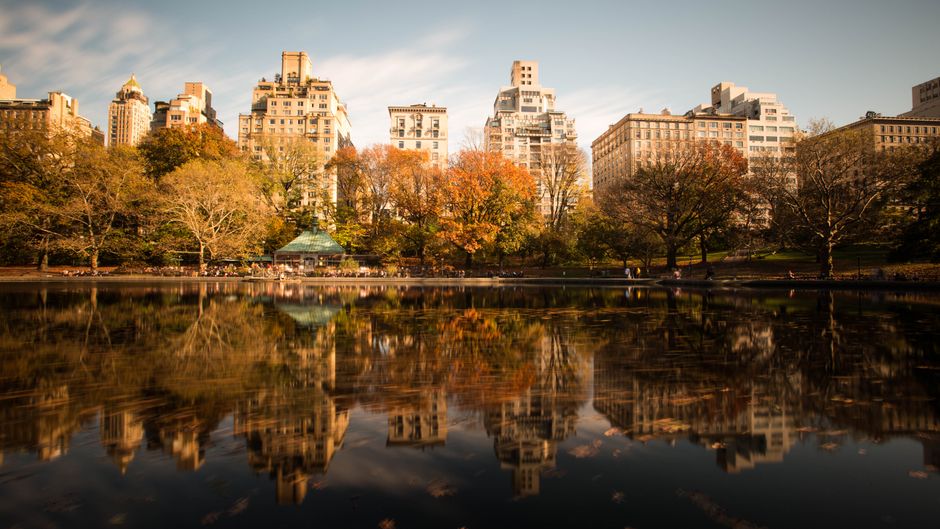
- What it is: The 843-acre green lung of Manhattan, designed by Frederick Law Olmsted and Calvert Vaux in the 1850s.
- Why you should go: It provides a necessary break from the concrete. You can row boats on The Lake, walk the tree-lined Mall, or relax on Sheep Meadow.
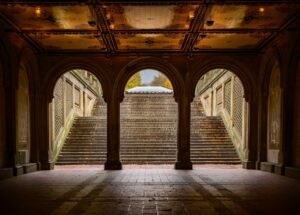
- Insider tip: The park is too large to see on foot in one day. Rent a bike to cover the 10 km loop, or stick to the southern half for pedestrian highlights like Bethesda Terrace. For specific walking routes, use our Central Park Guide.
- Cost: Free.
- Time needed: 2–4 hours.
9. The Metropolitan Museum of Art (The Met)
- What it is: The largest art museum in the Americas, located on the eastern edge of Central Park along Museum Mile.
- Why you should go: The collection spans 5,000 years. You can walk through an ancient Egyptian temple (The Temple of Dendur) and view European masterpieces in the same afternoon.
- Insider tip: Your ticket includes same-day admission to The Met Cloisters in Fort Tryon Park. If visiting between May and October, take the elevator to the Cantor Roof Garden for unobstructed views over the Central Park tree canopy.
- Cost: $30 (mandatory for tourists).
- Time needed: 3–5 hours.
10. American Museum of Natural History
- What it is: A massive scientific complex on the Upper West Side spanning 45 permanent exhibition halls.
- Why you should go: The dinosaur fossil halls on the fourth floor and the 28-metre fibreglass blue whale model are legendary.
- Insider tip: The Richard Gilder Center for Science, Education, and Innovation features cave-like architecture and an incredible butterfly vivarium. Book a time slot for the vivarium as soon as you arrive.
- Cost: $28.
- Time needed: 3–4 hours.
Chelsea, West Village and the High Line
The west side of lower-mid Manhattan is defined by repurposed industrial spaces, cobblestone streets, and exceptional dining.
11. Walk the High Line
- What it is: A 2.3 km elevated linear park built on a historic freight rail line above the streets of the West Side.
- Why you should go: It offers brilliant landscape architecture mixed with public art and unique vantage points of the street traffic below.
- Insider tip: Start at the northern end in Hudson Yards and walk south. This allows you to finish your walk in the Meatpacking District, right next to the Whitney Museum and Chelsea Market.
- Cost: Free.
- Time needed: 1–1.5 hours.
12. Eat Your Way Through Chelsea Market
- What it is: A massive food hall and shopping mall located in the former National Biscuit Company (Nabisco) factory on Ninth Avenue.
- Why you should go: It houses some of the best indoor dining options in the city, from Los Tacos No. 1 to fresh lobster rolls and artisanal bakeries.
- Insider tip: The market gets incredibly busy by 1:00 PM. Aim for an early lunch around 11:30 AM to secure a table. For more dining recommendations across the five boroughs, check our What to Eat in New York City: Local Food Guide.
- Cost: $15–$30 per meal.
- Time needed: 1–2 hours.
13. Wander the West Village
- What it is: A charming, tree-lined neighbourhood known for its irregular street grid and historic brownstones.
- Why you should go: It feels like a different, slower-paced city compared to the corporate density of Midtown. It is packed with independent bookshops, jazz clubs, and corner cafes.
- Insider tip: Use Washington Square Park as your starting point. Watch the chess players and street musicians, then head west towards Bleecker Street.
- Cost: Free.
- Time needed: 2 hours.
Best Things to Do in Brooklyn
Do not spend your entire trip in Manhattan. Brooklyn offers better skyline views, distinct neighbourhoods, and a slightly more relaxed pace.
14. Brooklyn Bridge Park and DUMBO
- What it is: An 85-acre waterfront park and the adjacent Down Under the Manhattan Bridge Overpass (DUMBO) neighbourhood.
- Why you should go: The best skyline views of Lower Manhattan are actually from the Brooklyn waterfront. The park features repurposed piers, Jane’s Carousel, and waterfront promenades.
- Insider tip: The classic photo spot of the Manhattan Bridge framed by red brick buildings is at the intersection of Washington Street and Water Street. Arrive early to avoid the crowds of photographers.
- Cost: Free.
- Time needed: 2–3 hours.
15. Explore Williamsburg
- What it is: A trendy neighbourhood in northern Brooklyn known for indie boutiques, vintage shops, and waterfront breweries.
- Why you should go: It showcases the hipster evolution of Brooklyn. You can shop along Bedford Avenue or relax in Domino Park, built on the site of a former sugar refinery.
- Insider tip: Visit on a Saturday to browse the Smorgasburg outdoor food market at Marsha P. Johnson State Park (runs April through October).
- Cost: Free to wander.
- Time needed: 3 hours.
How Many Days Do You Need in New York City?
To truly experience the main sights without extreme exhaustion, you need at least four full days. This allows you to dedicate one day to Lower Manhattan, one to Midtown, one to Central Park and the Upper East/West sides, and one to Brooklyn or the West Village.
If you only have a weekend, you will have to prioritise heavily and stick to one or two zones. For detailed daily routing, read our New York City Itinerary: How to Spend 1, 2 or 3 Days.
If you are staying for a week or more, consider leaving the city limits. The surrounding Hudson Valley and Long Island offer excellent escapes from the concrete. See our guide to the Best Day Trips from New York City.
Plan Your Trip
When to go: Autumn (September to November) and spring (April to May) offer the most comfortable weather. Summer is hot and humid, often exceeding 30°C (86°F), while winter brings freezing temperatures and potential snow. Read our Best Time to Visit New York City: Month-by-Month Guide for detailed weather and event breakdowns.
Where to sleep: Accommodation is expensive across the board. First-time visitors often prefer Midtown for convenience to transit, but the West Village or Brooklyn offer a more local feel. Find neighbourhood breakdowns in our guide on Where to Stay in New York City: Best Areas and Hotels.
Getting around: The subway is the most efficient way to travel. Use the OMNY contactless payment system at the turnstiles with your phone or credit card (each ride is around $2.90). Taxis and rideshares are often slower due to heavy gridlock.
Further travel: If you are combining this trip with other states on an East Coast road trip, explore our complete USA guide for more regional itineraries and travel advice.